Death Tech Standards & Certification
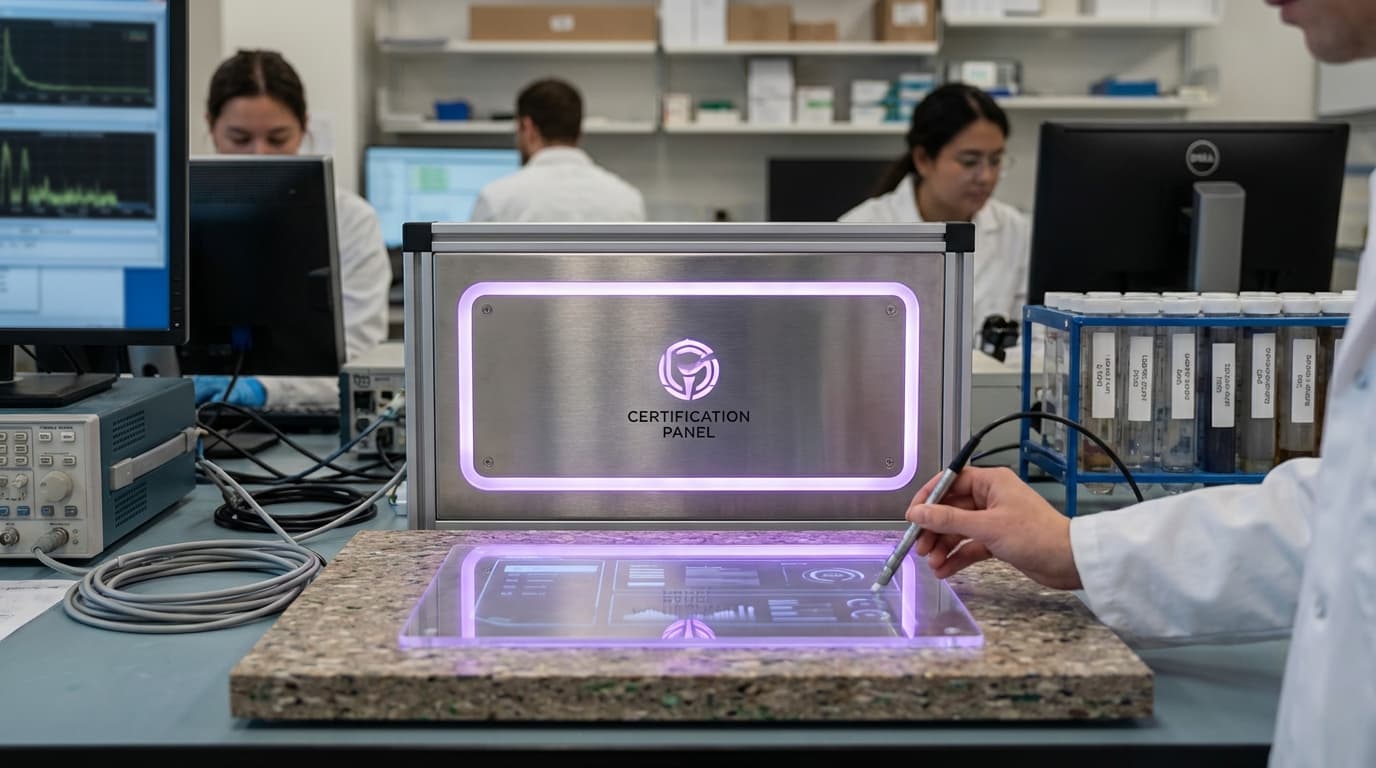
The death technology sector has grown rapidly in recent years, encompassing everything from digital memorials and AI-powered grief counseling to biodegradable urns and virtual reality funeral experiences. However, this expansion has occurred largely without unified standards or oversight, creating significant challenges around data privacy, environmental impact, cultural sensitivity, and ethical AI deployment. Families navigating end-of-life decisions often lack clear frameworks for evaluating whether a digital legacy platform will protect their loved one's data, whether a green burial product truly minimizes ecological harm, or whether an automated estate planning tool respects their cultural traditions. Death Tech Standards & Certification addresses these gaps by establishing formal assessment frameworks and third-party verification processes that evaluate products and services against measurable criteria including carbon footprint, data governance practices, algorithmic transparency, and cultural inclusivity.
These certification schemes function similarly to existing standards in healthcare technology or sustainable product labeling, providing independent validation that death-care technologies meet defined benchmarks. Assessment tools evaluate multiple dimensions: environmental certifications might measure the biodegradability of memorial products or the energy consumption of data centers hosting digital memorials, while data governance standards ensure that platforms handling sensitive end-of-life information comply with privacy regulations and provide clear user controls over digital remains. Explainability criteria assess whether AI systems used in grief support or estate planning can articulate their decision-making processes in understandable terms, while cultural inclusion standards verify that services accommodate diverse religious practices, linguistic needs, and mourning traditions. By creating transparent evaluation methodologies, these initiatives help death-care providers differentiate themselves in an increasingly crowded market while giving consumers confidence that certified offerings align with their values and needs.
Early certification programs are beginning to emerge from industry consortia, academic institutions, and nonprofit organizations focused on death positivity and digital rights. Some funeral industry associations have started developing voluntary compliance frameworks, while environmental organizations are extending existing green product certifications to cover death-care innovations. The growing consumer demand for ethical technology, combined with increasing regulatory attention to data privacy in sensitive contexts, suggests that standardized certification will become increasingly important as the death tech sector matures. These standards not only protect vulnerable consumers during emotionally difficult periods but also help establish the death technology industry as a legitimate, trustworthy sector capable of self-regulation and continuous improvement in service of both the deceased and the bereaved.
Related Organizations
A professional body dedicated to raising standards in digital asset planning and posthumous data privacy.

The entity that certifies green burial products and providers in North America.
A non-profit association that drafted the Revised Uniform Fiduciary Access to Digital Assets Act (RUFADAA).
A federation of nonprofit consumer information groups that educates the public on funeral options and rights.
The world's leading and largest funeral service association.
A death acceptance organization that aggregates and disseminates information on global death customs and history.
International trade association providing educational resources and legislative monitoring for the death care industry.

Produces 'Ethically Aligned Design' standards, addressing the legal and ethical implications of autonomous systems.
An association of non-profit consumer organizations that advocates for consumer rights, including in the funeral industry.
Supporting Evidence
Research this in Signals
Signals turns a topic into a sourced research record you can inspect and rerun. Your first scan is free, and this one starts with Death Tech Standards & Certification already loaded, so edit it or scan as is.