Death Care Environmental Monitoring
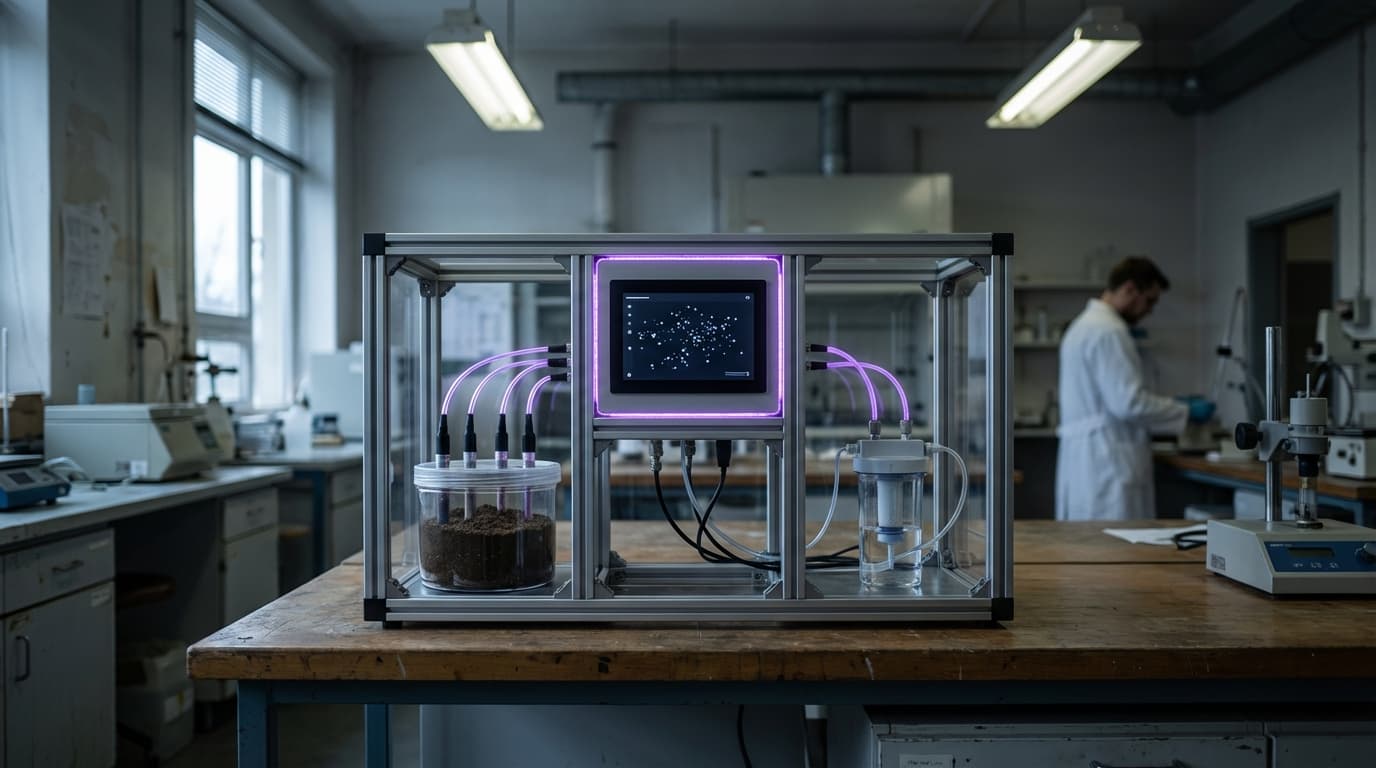
Death Care Environmental Monitoring represents a convergence of environmental science and mortuary practice, employing sensor networks, life cycle assessment (LCA) frameworks, and data analytics to quantify the ecological footprint of various death care methods. The technology integrates soil sensors that detect heavy metal leaching from caskets and embalming fluids, air quality monitors positioned near crematoria to measure particulate emissions and mercury release, and groundwater testing systems that track contamination from burial sites. These monitoring systems work in conjunction with LCA software that calculates the full environmental cost of different disposition methods—from the carbon emissions of cremation and the resource intensity of traditional burial to emerging alternatives like natural burial and alkaline hydrolysis. The data collected feeds into centralised reporting platforms that aggregate information across facilities, creating comprehensive environmental profiles for different death care practices and enabling comparative analysis of their long-term ecological impacts.
The death care industry faces mounting pressure to address its substantial environmental footprint, which includes significant greenhouse gas emissions from cremation, soil and groundwater contamination from conventional burial practices, and the consumption of non-renewable resources in casket production and cemetery maintenance. Traditional burial methods often involve embalming chemicals containing formaldehyde and other toxic substances that persist in soil ecosystems, while cremation processes can release mercury from dental amalgams and consume considerable energy. Death Care Environmental Monitoring addresses these challenges by providing funeral homes, cemeteries, and regulatory bodies with quantifiable data to inform decision-making and policy development. This transparency enables facilities to identify high-impact practices, compare the environmental performance of different disposition methods, and implement targeted improvements. The technology also supports the growing consumer demand for sustainable death care options by providing verifiable environmental credentials, allowing individuals to make informed choices that align with their ecological values.
Early adoption of these monitoring systems has emerged primarily in regions with strong environmental regulations and among progressive funeral service providers seeking to differentiate themselves in an evolving market. Natural burial grounds in the United Kingdom and parts of North America have begun implementing soil health monitoring to demonstrate their reduced environmental impact compared to conventional cemeteries, while some crematoria in Scandinavia have installed emissions tracking systems to optimise fuel efficiency and reduce air pollution. Industry analysts note that the growing interest in green burial options and the increasing regulatory scrutiny of death care practices are driving broader implementation of environmental monitoring systems. As climate consciousness permeates all sectors of society, the death care industry is recognising that comprehensive environmental accountability will likely become a standard expectation rather than a competitive advantage, positioning Death Care Environmental Monitoring as an essential infrastructure for the future of sustainable mortuary practices.
Related Organizations

The entity that certifies green burial products and providers in North America.

Pioneering public benefit corporation that developed the proprietary vessel system for natural organic reduction (human composting).
A division of Matthews International, a global leader in memorialization products, now offering Bio-Cremation (alkaline hydrolysis) equipment.
A pioneering UK manufacturer of alkaline hydrolysis equipment, often referred to as 'water cremation' or Resomation.

A US-based manufacturer specializing in alkaline hydrolysis technology for both human (Aquamation) and pet disposition.
Provides soil transformation services using a proprietary vessel technology that mimics the natural forest floor decomposition process.
Global market leader in cremation equipment that has expanded into researching and developing alternative technologies.

Operates one of the world's largest terramation facilities with a proprietary vessel system designed for high-volume organic reduction.

Trade association providing education, statistics, and legislative support for cremation, including alkaline hydrolysis.
A UK charity providing independent advice on dying and funeral planning, specifically advocating for natural burial grounds.
Supporting Evidence
Research this in Signals
Signals turns a topic into a sourced research record you can inspect and rerun. Your first scan is free, and this one starts with Death Care Environmental Monitoring already loaded, so edit it or scan as is.