Tracking signals shaping the future of learning and education — cognitive tools, instructional technologies, learning platforms, and education systems.

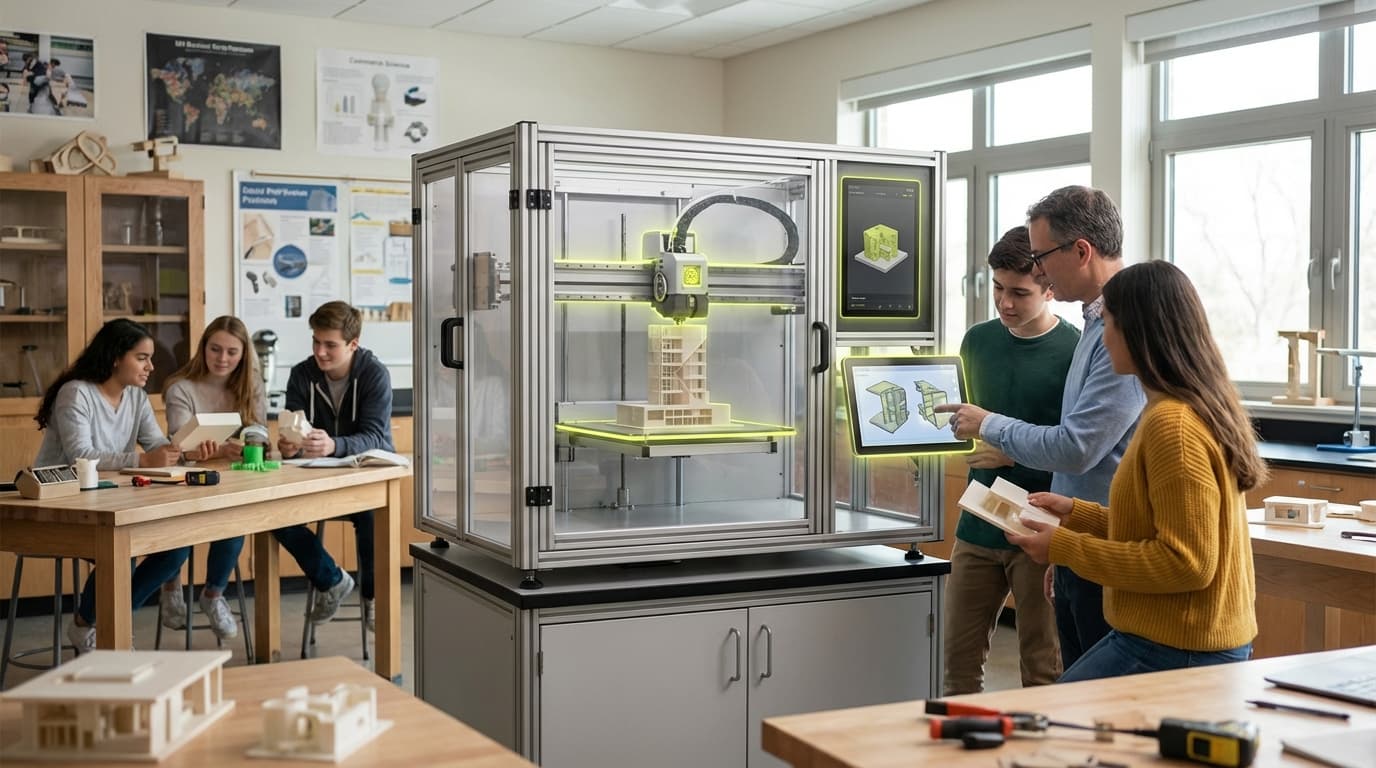
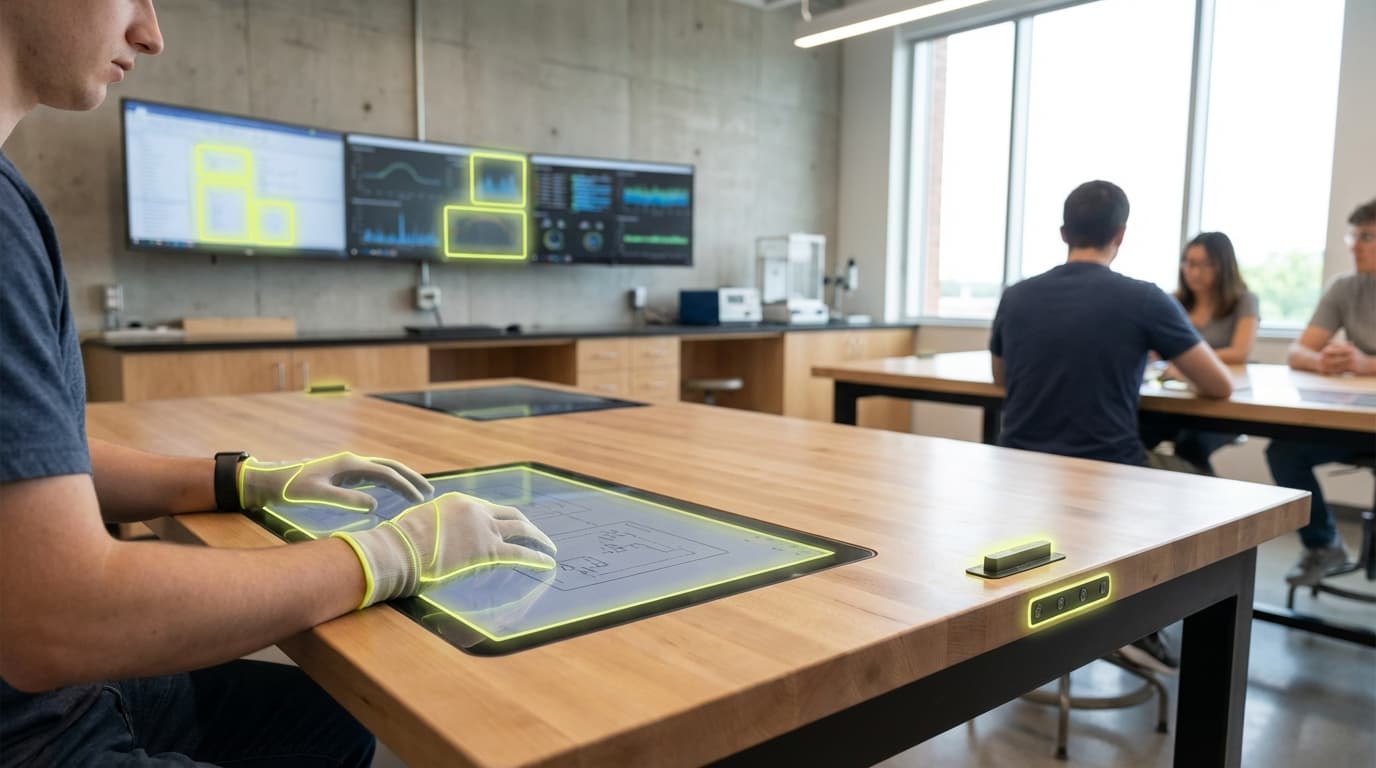
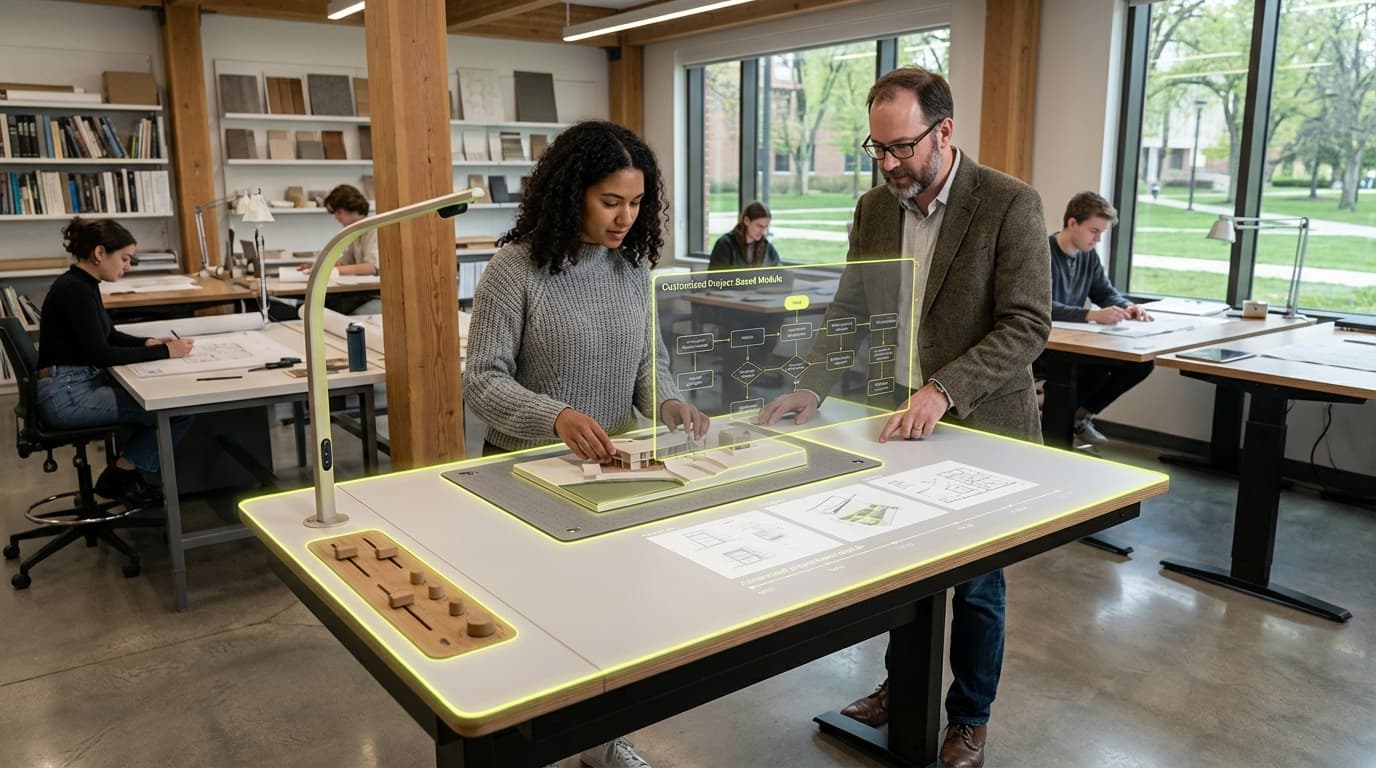
Desktop fabrication systems designed for safe classroom use in STEM learning

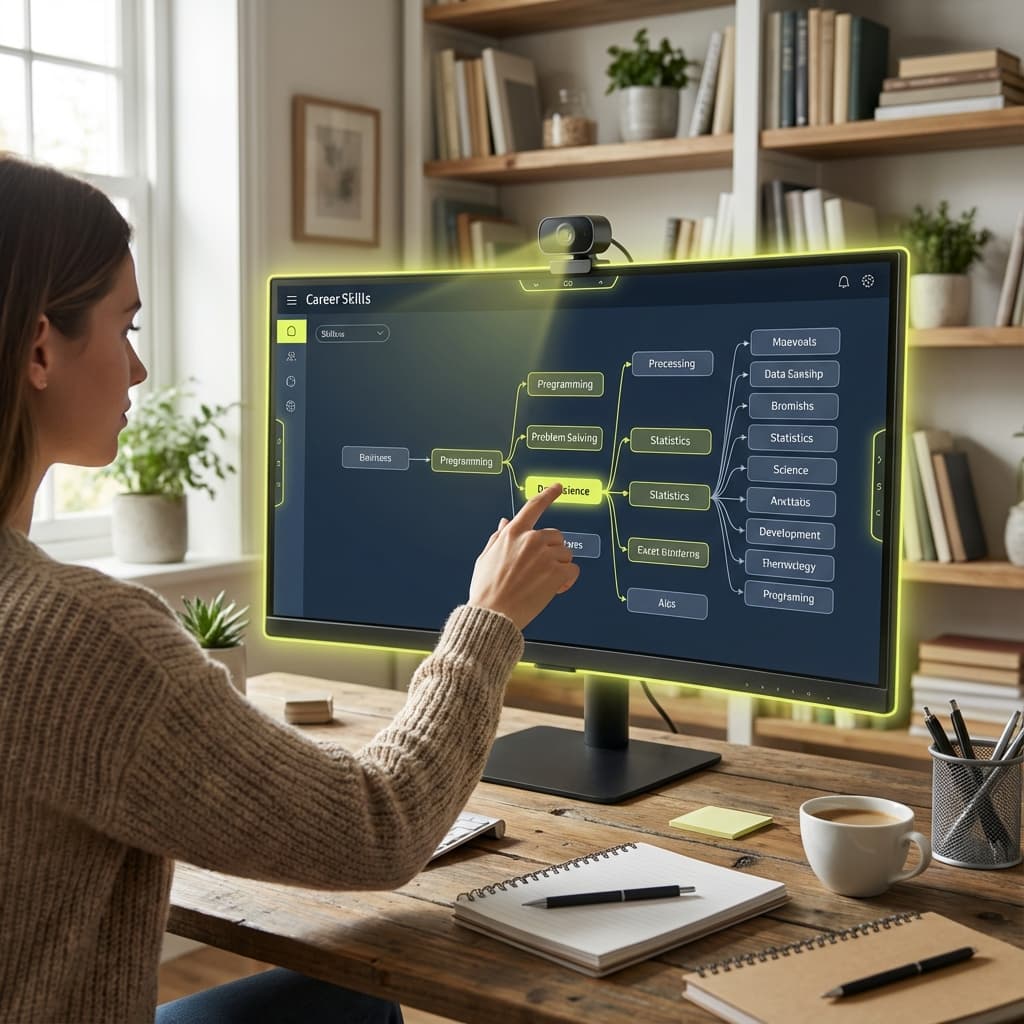
Personalized career and learning recommendations based on skills, interests, and labor market data

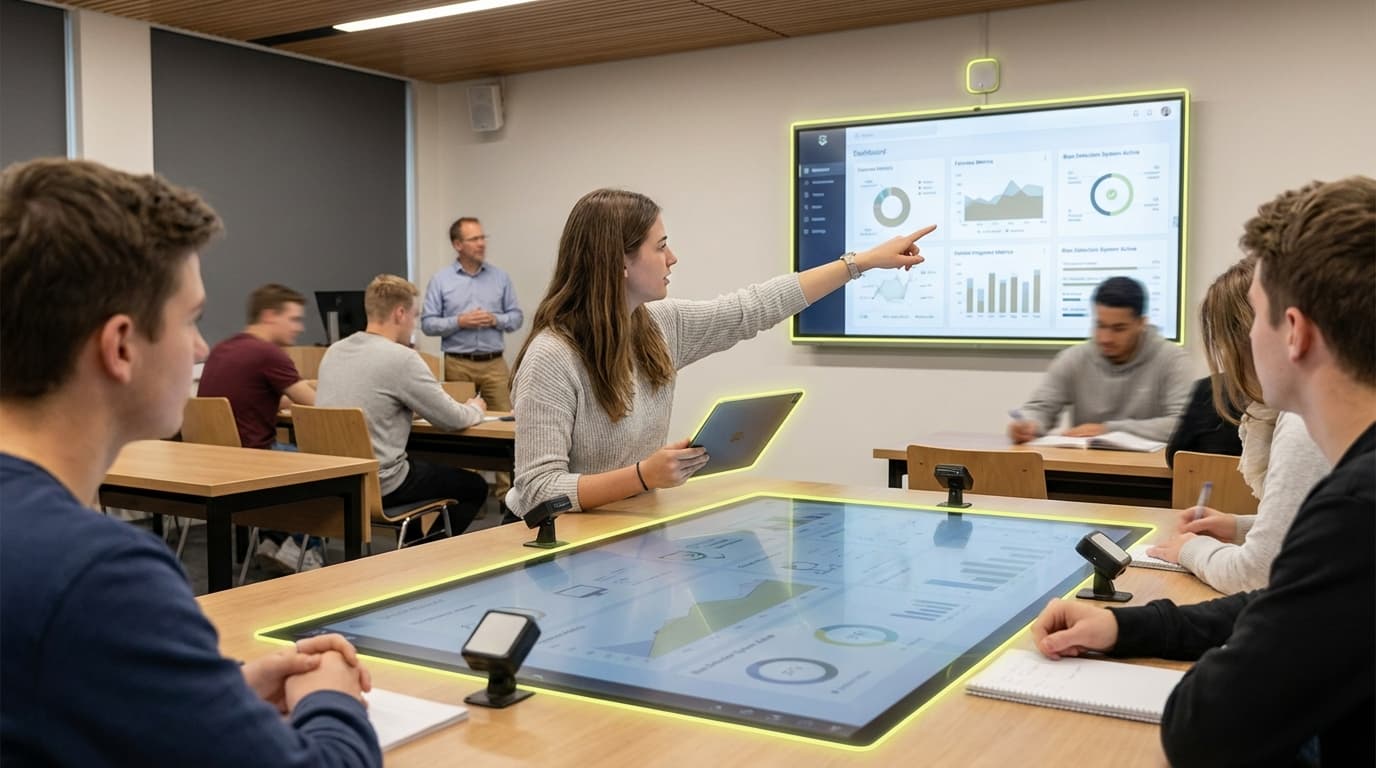
Frameworks to detect and prevent bias in AI-powered learning systems and assessments

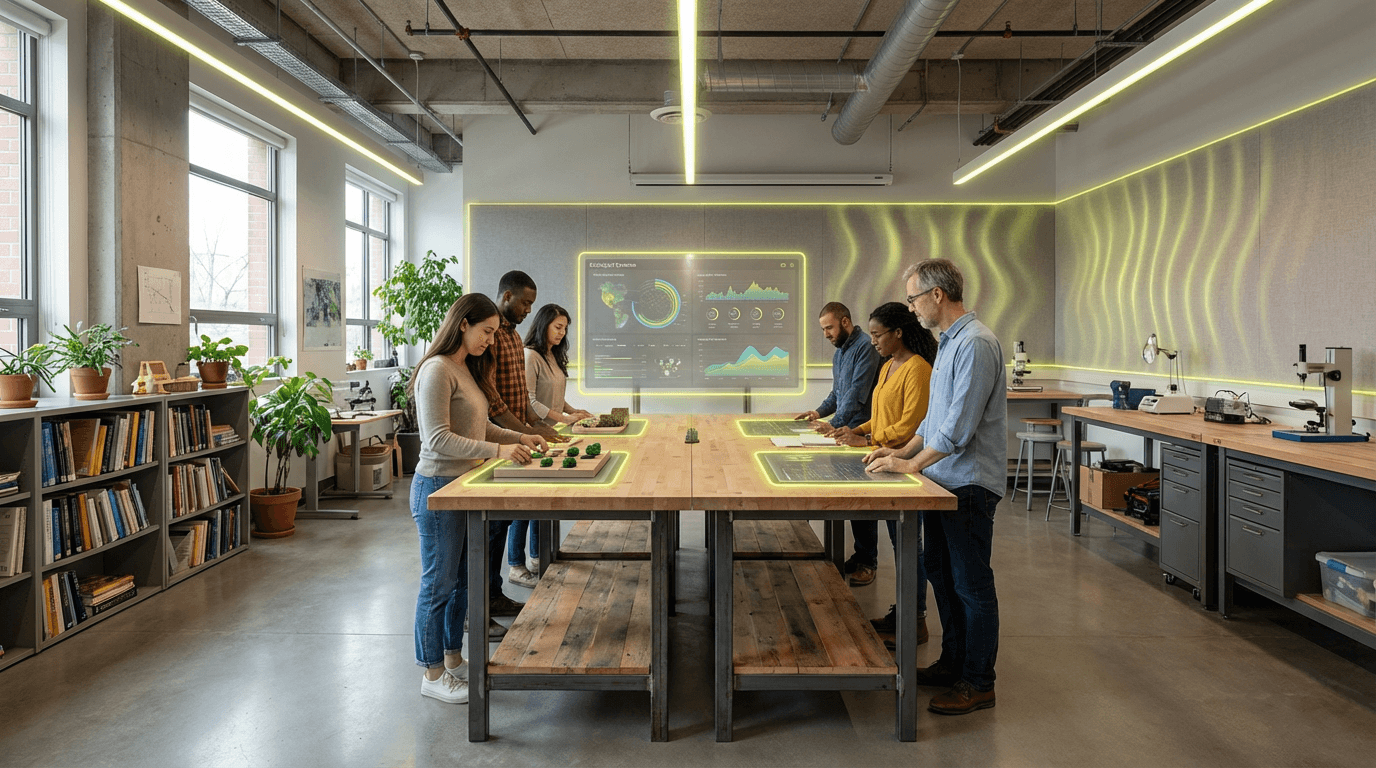
Physical spaces that adjust lighting, sound, and content to optimize learning conditions

Measures learner competence through behavioral data instead of formal exams

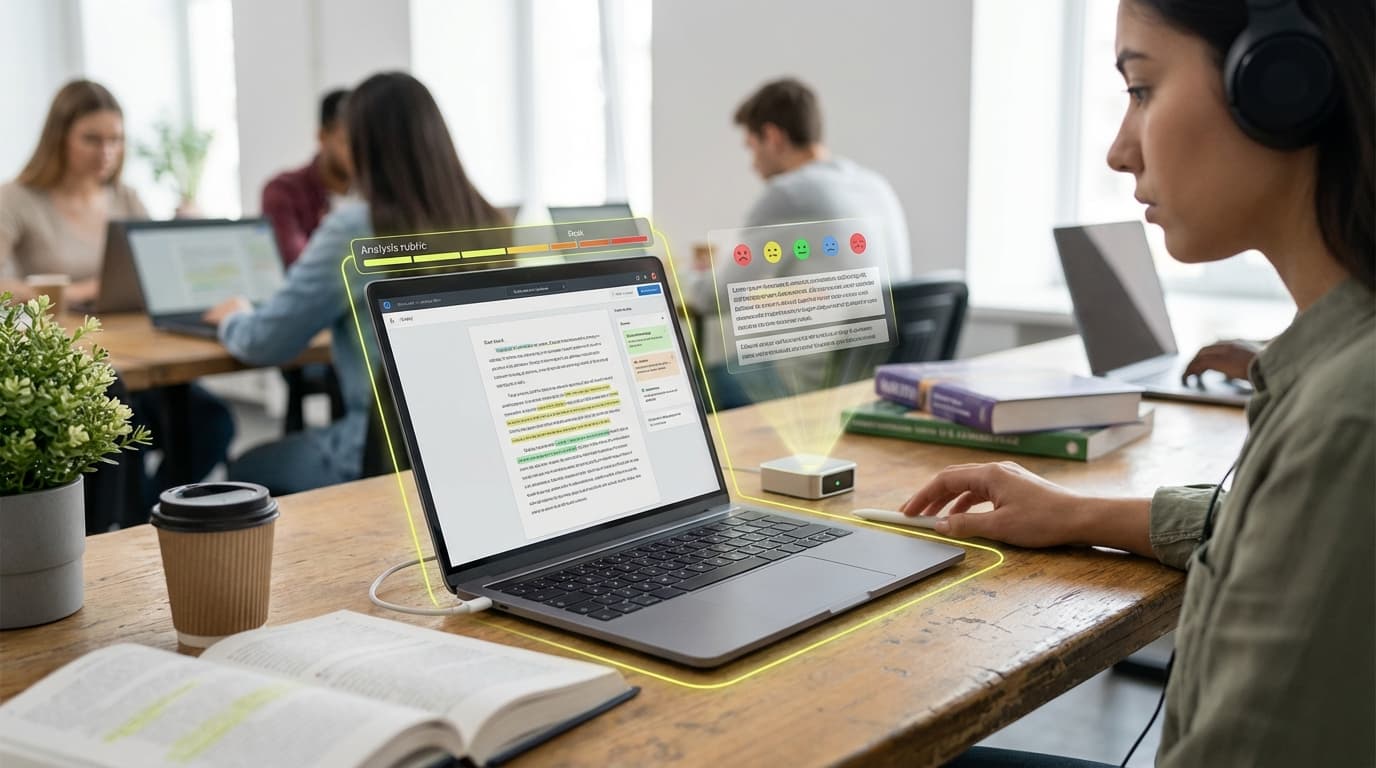
AI systems that grade essays and written work using natural language processing and rubrics

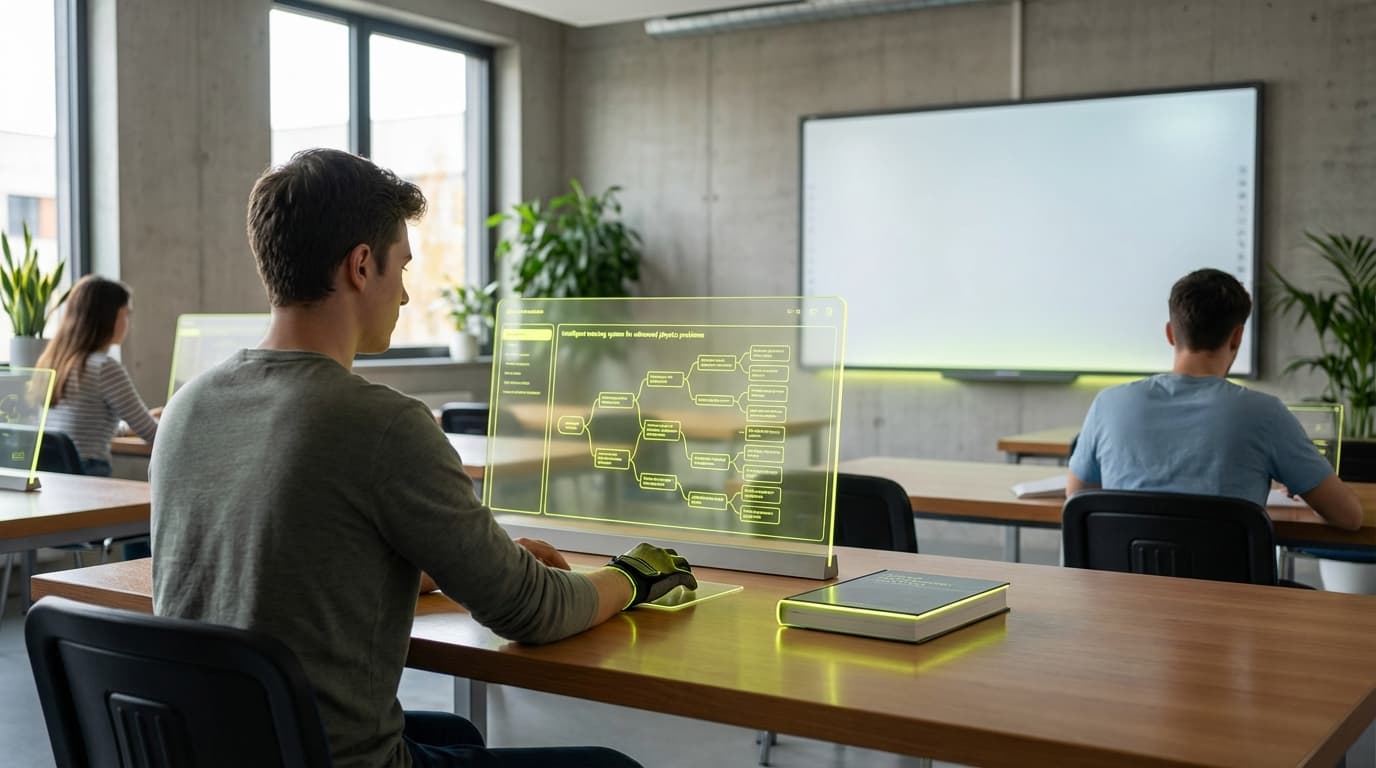
AI systems that guide learners through Socratic questioning, adaptive scaffolding, and personalized instruction

Ethical and legal protections for neural data and cognitive processes in learning technologies

Structured exercises and feedback systems that strengthen reasoning, memory, attention, and problem-solving skills

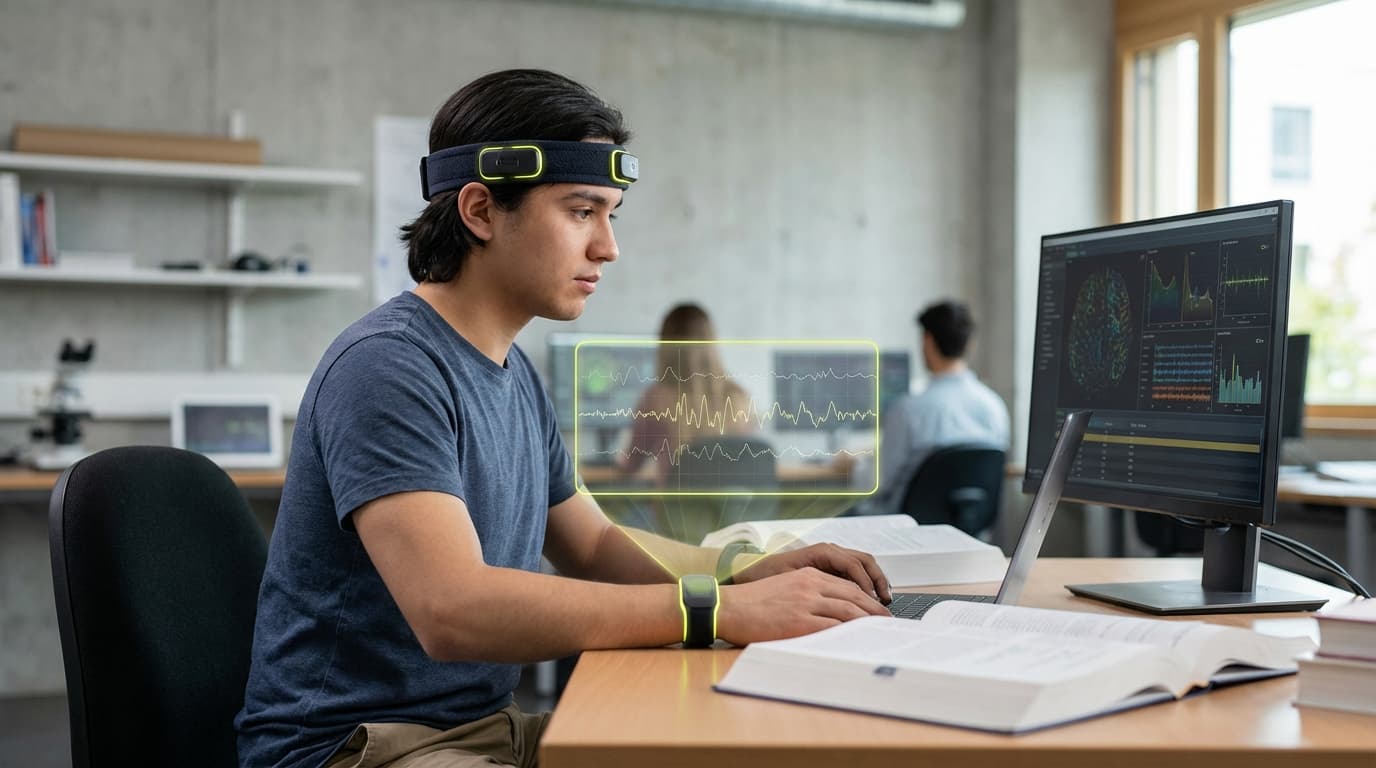
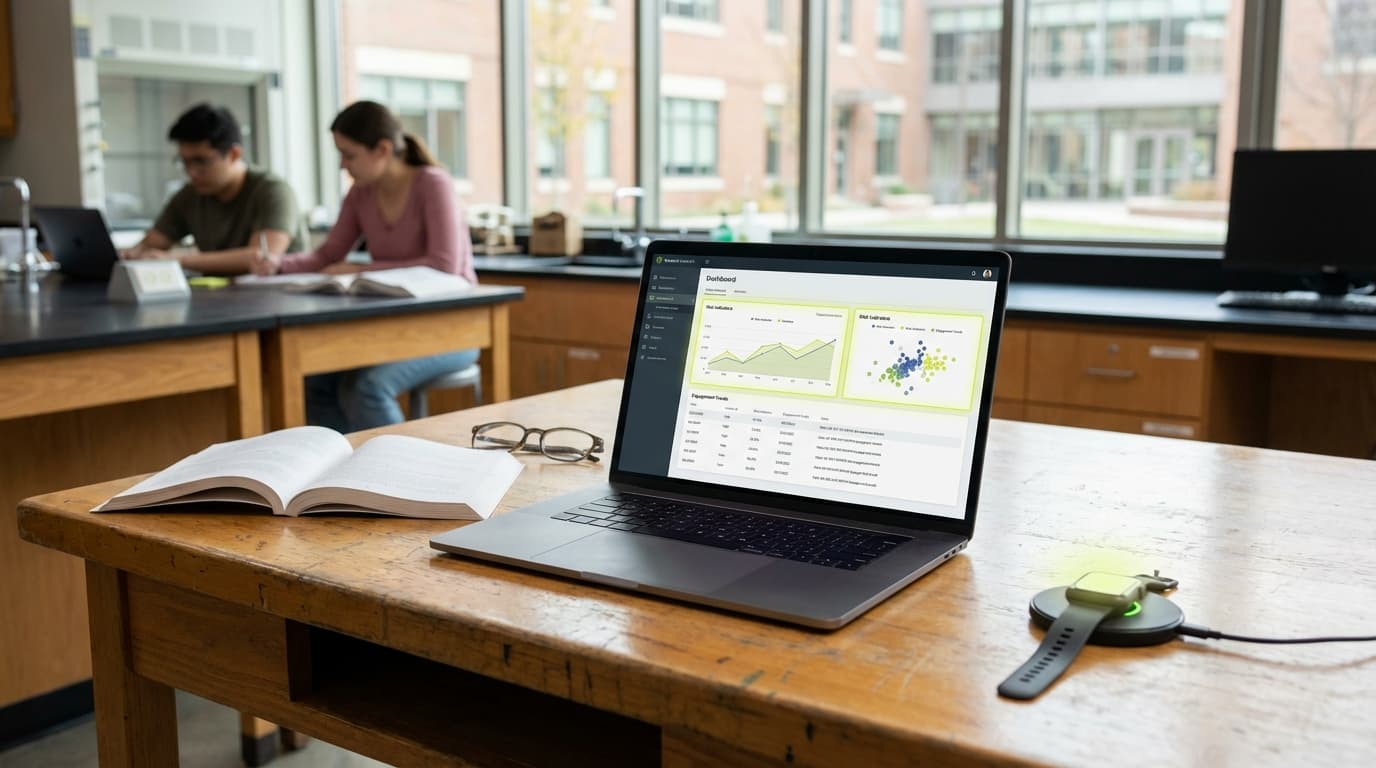
Wearables that monitor attention, cognitive load, and emotional state during learning

Cloud-based IDEs enabling real-time pair programming and group coding projects

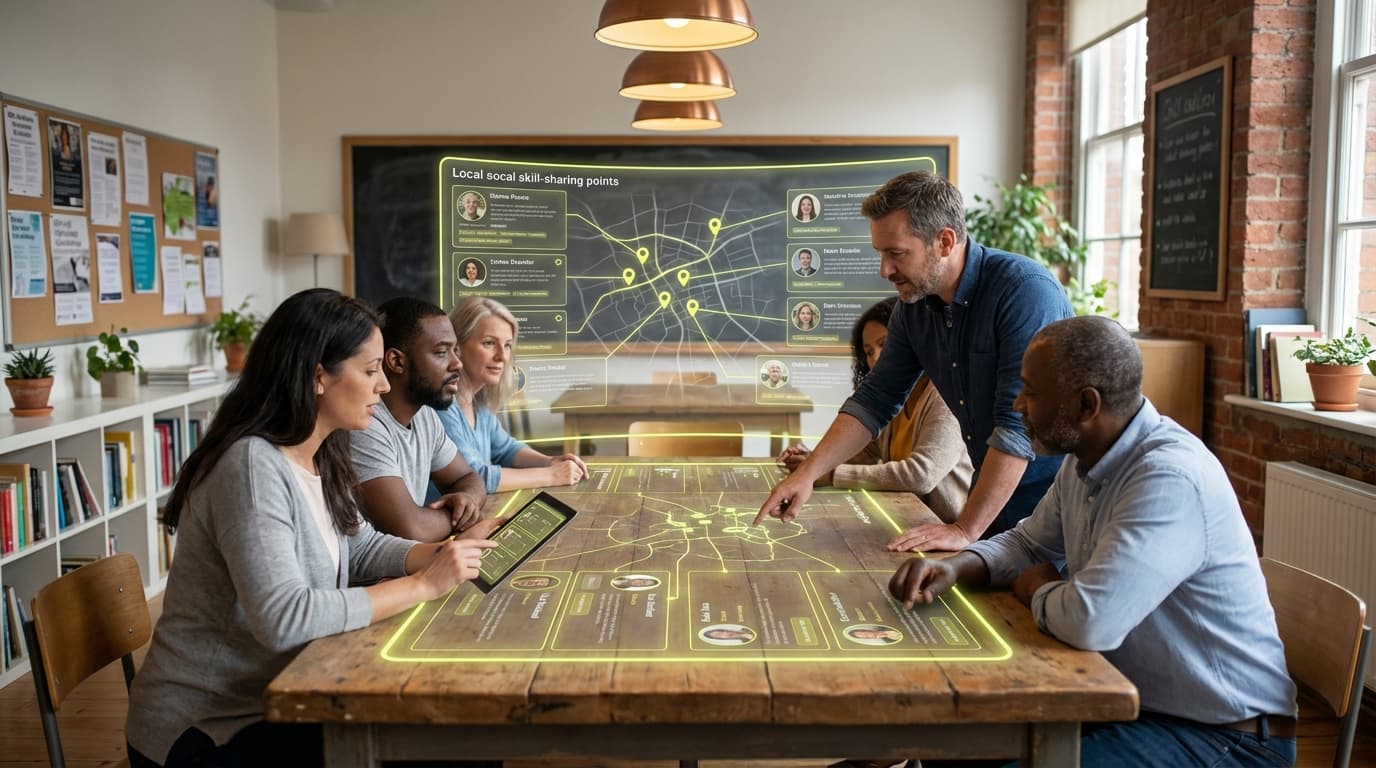
Platforms connecting learners with peers, mentors, and local experts for relationship-driven education

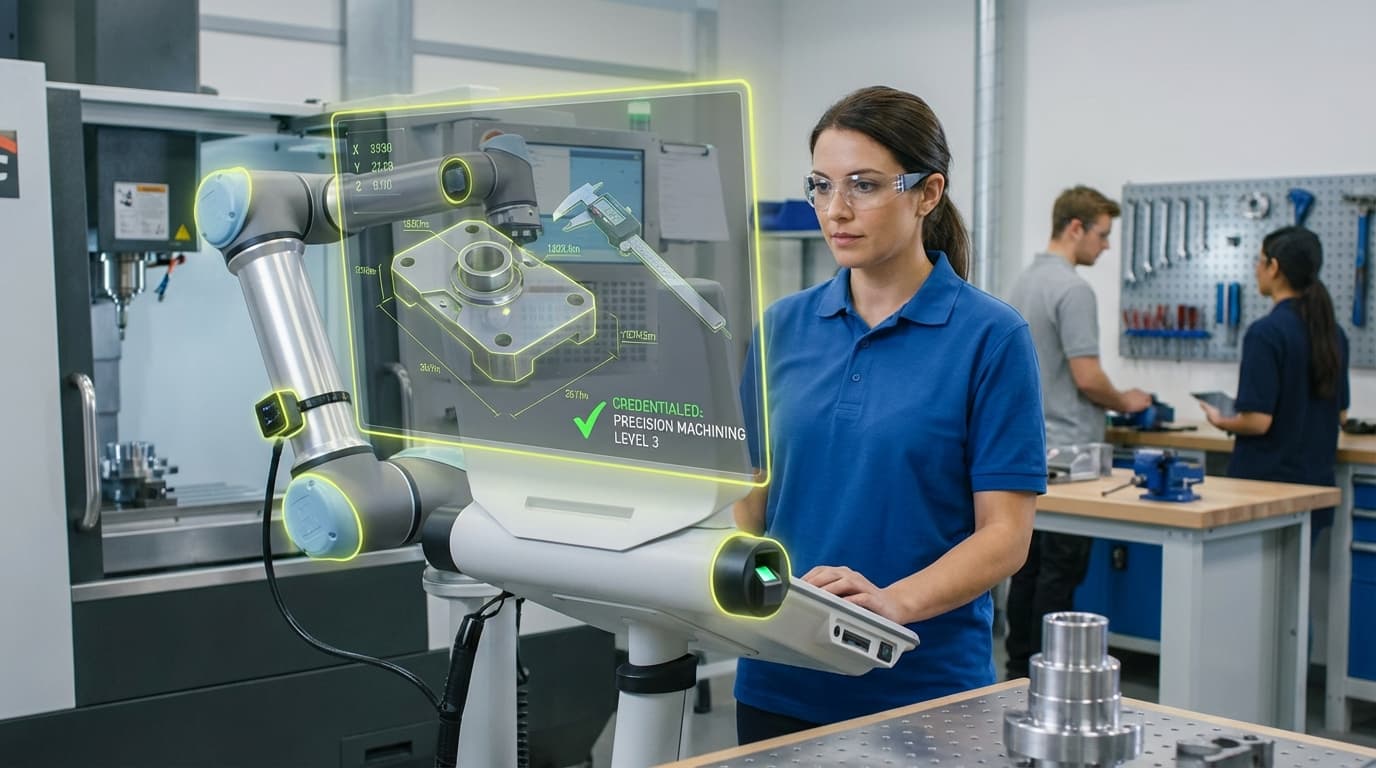
Validating skills acquired through simulations, VR training, and virtual learning environments

Overhead cameras that display physical objects and documents in real-time for classroom instruction

Predictive analytics that flag students at risk of dropout, failure, or burnout for early intervention

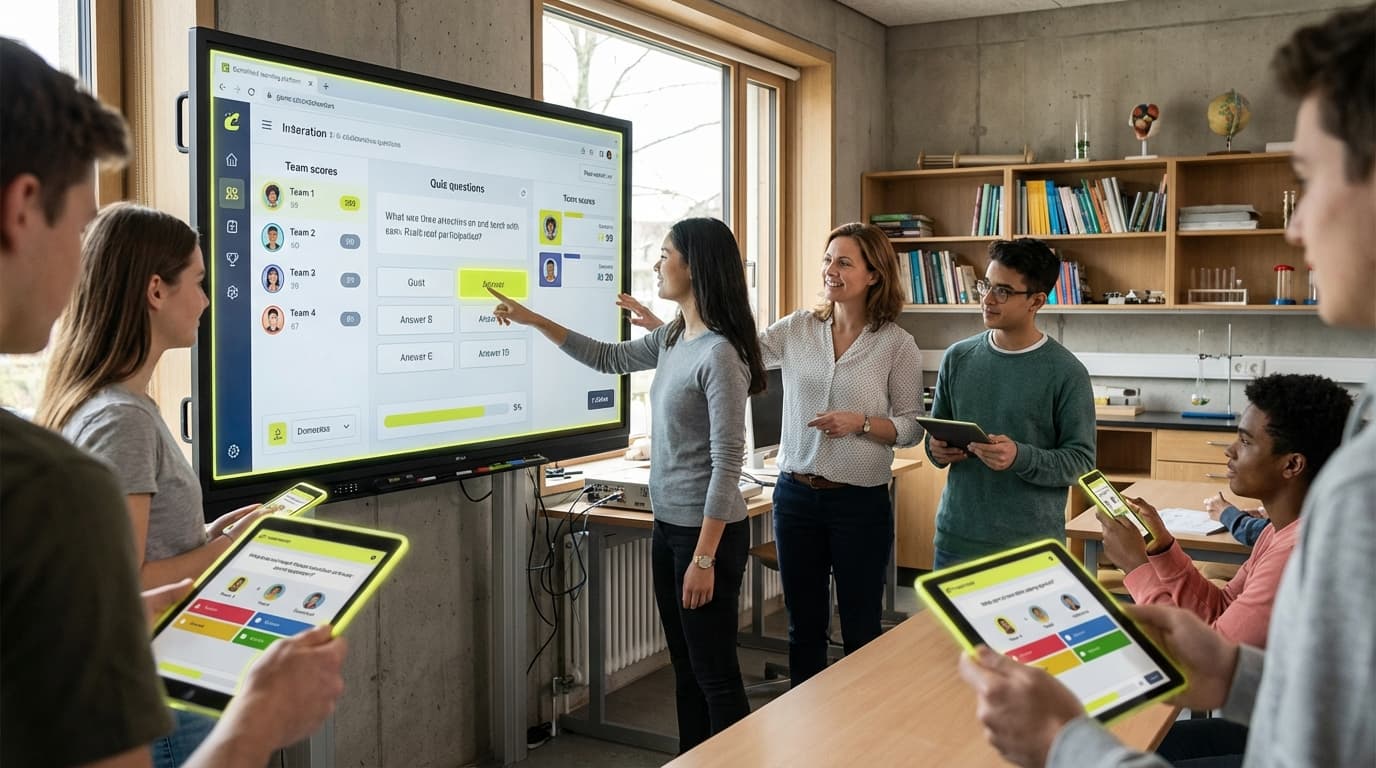
Educational platforms using game mechanics like points, badges, and leaderboards to boost student engagement

AI platforms that generate personalized lesson plans, exercises, and learning modules for students

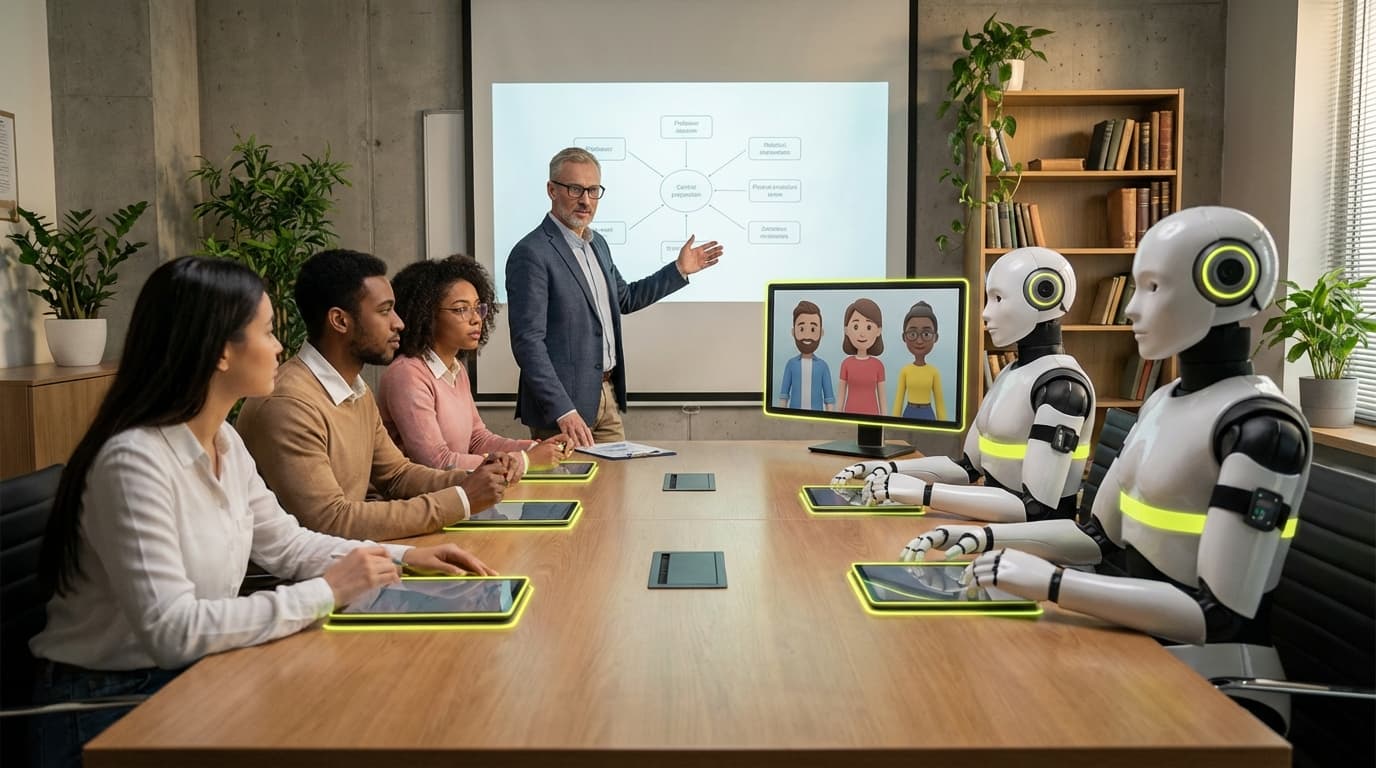
Rules and norms for AI-powered virtual peers in educational settings

Force-feedback tools that teach motor skills through tactile simulation and muscle memory training

Balancing AI tutoring with human mentorship to preserve educator roles and student agency

Examining how unequal access to cognitive enhancement tools may deepen educational divides

AI-powered platforms that adapt instruction to each learner's knowledge gaps and pace

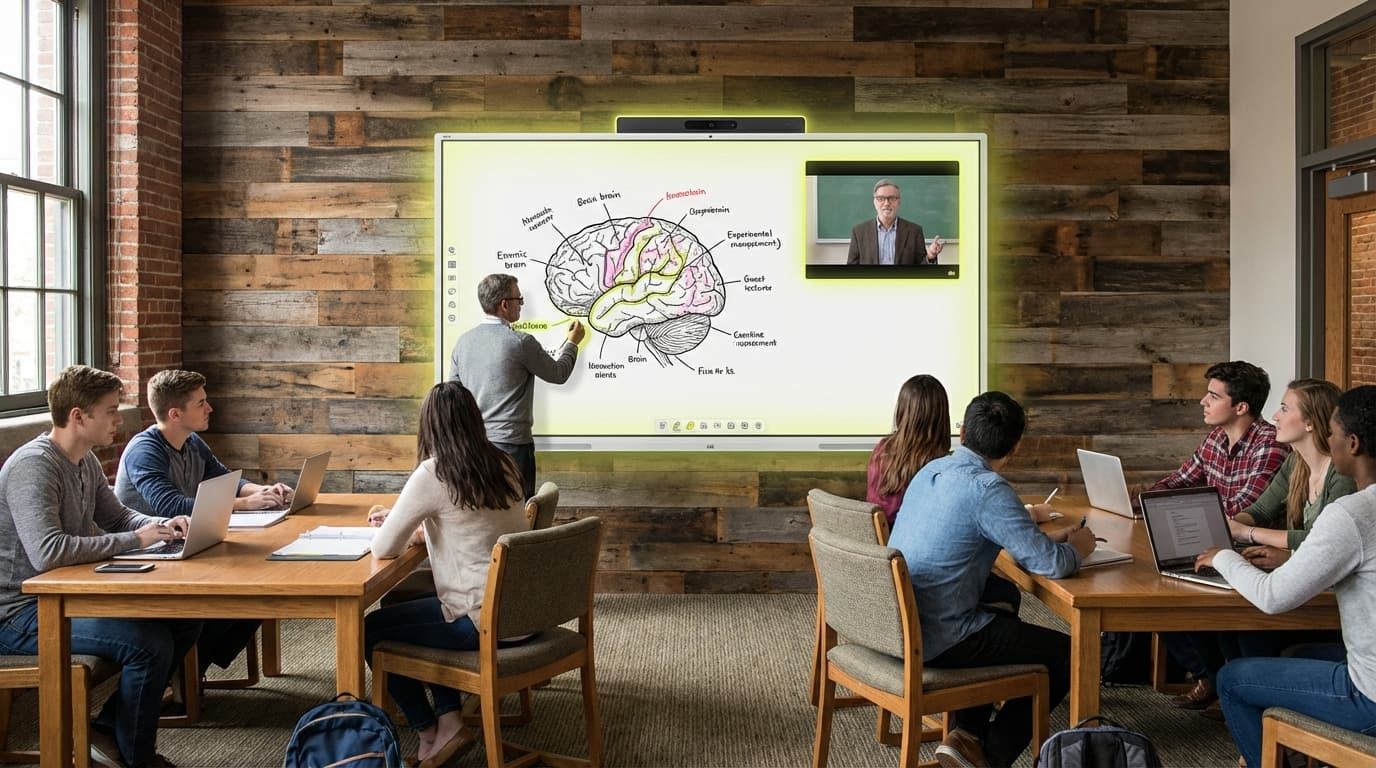
Large touch displays combining traditional whiteboards with digital collaboration tools

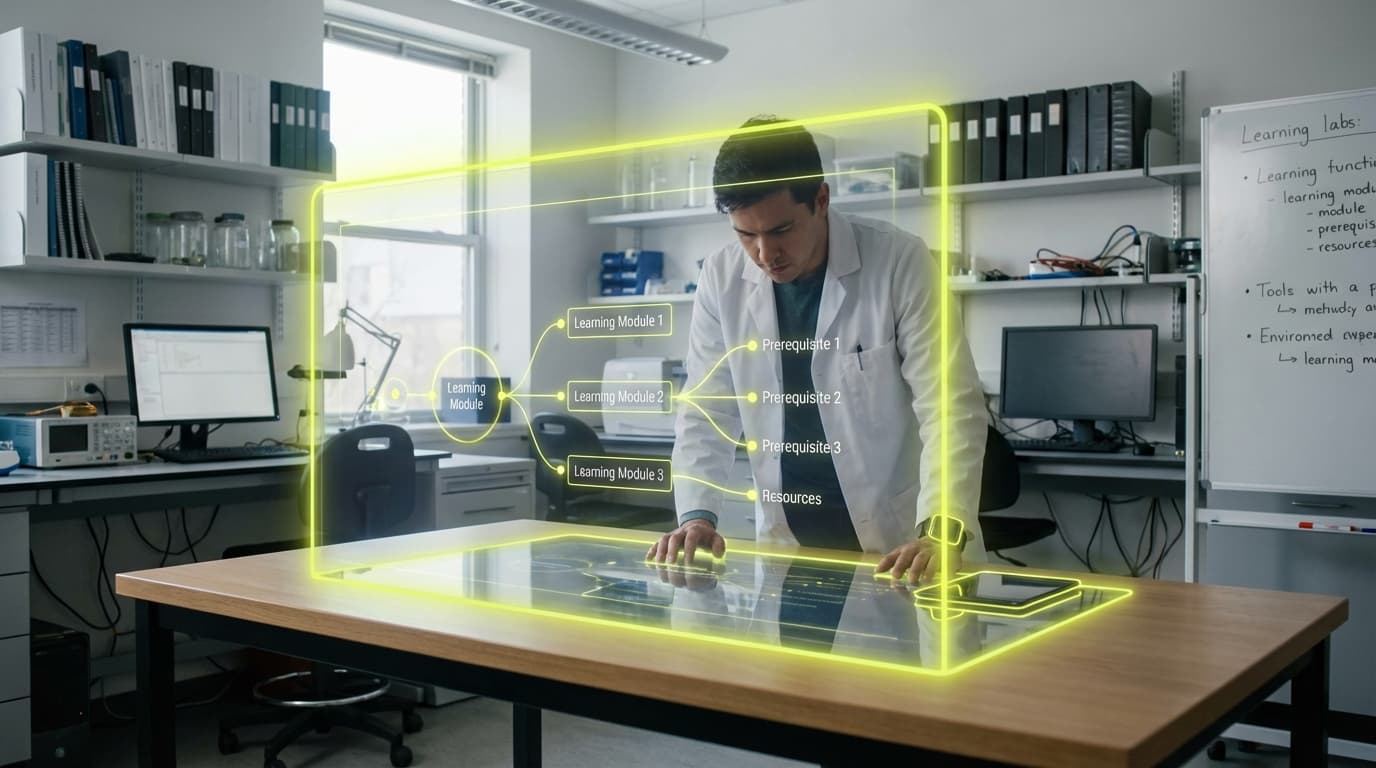
AI-powered graphs mapping learning concepts, prerequisites, and resource alignment across curricula

Research on how AI tutors affect teacher roles, workload, job security, and institutional power

Mobile platforms using spaced repetition, speech recognition, and AI to teach languages

Shared governance frameworks that give learners control over their educational data and its use

Software platforms managing course delivery, assignments, grades, and student progress tracking

Personal data ecosystems tracking education, skills, and cognitive development across a lifetime

Rugged devices delivering AI-powered education in areas without reliable internet access

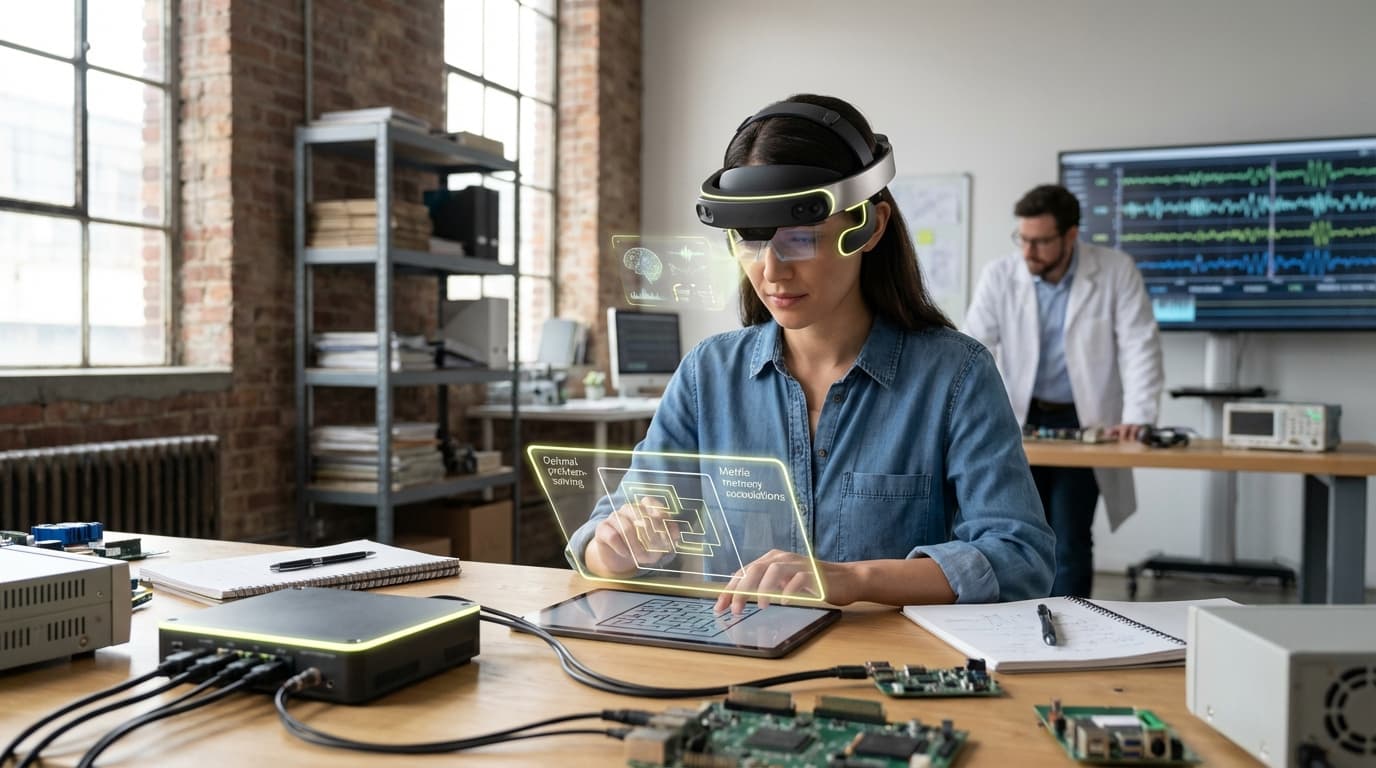
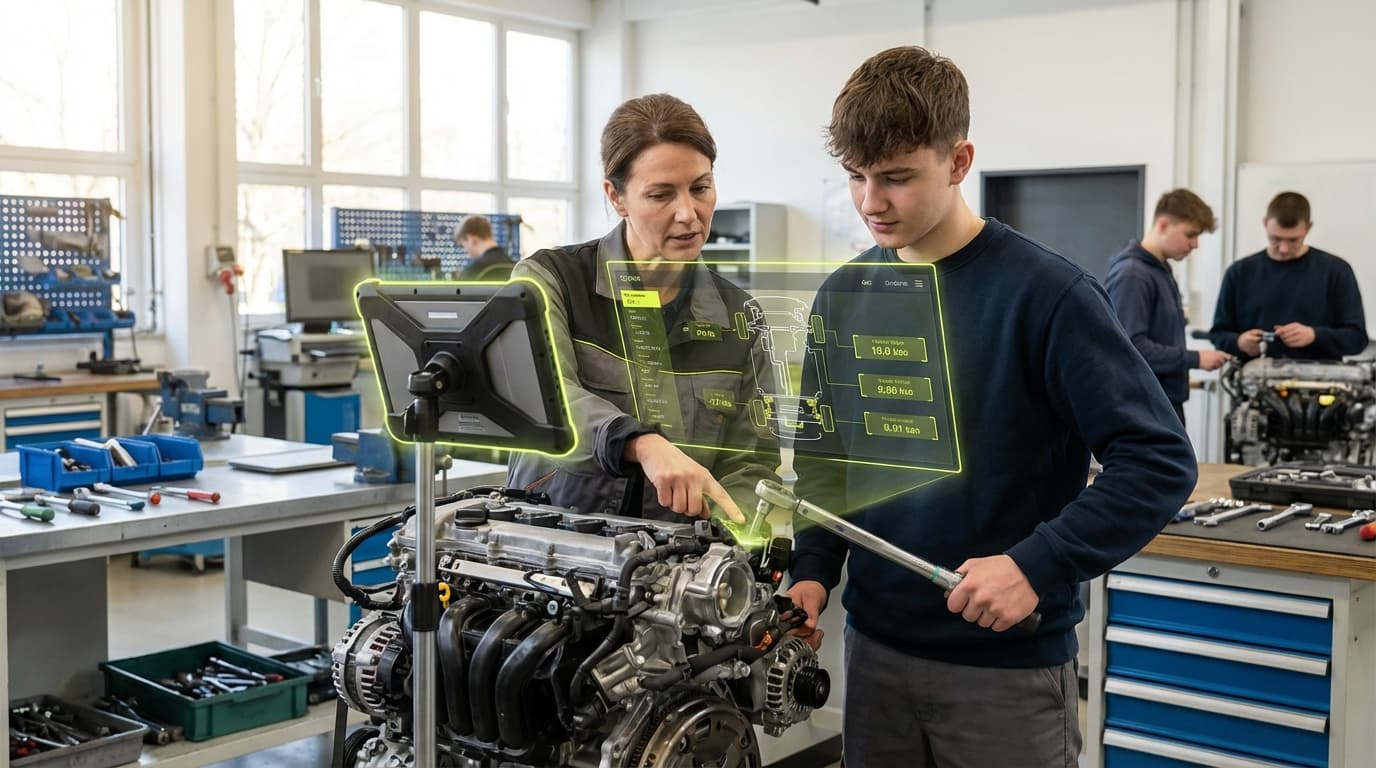
AR headsets with haptic feedback for hands-on skill training in physical spaces

Online course marketplaces offering university-level classes and certificates to millions globally

AI systems that create videos, diagrams, quizzes, and practice materials from a single learning objective

Learning platforms that adjust pacing, sensory input, and layout for neurodivergent learners

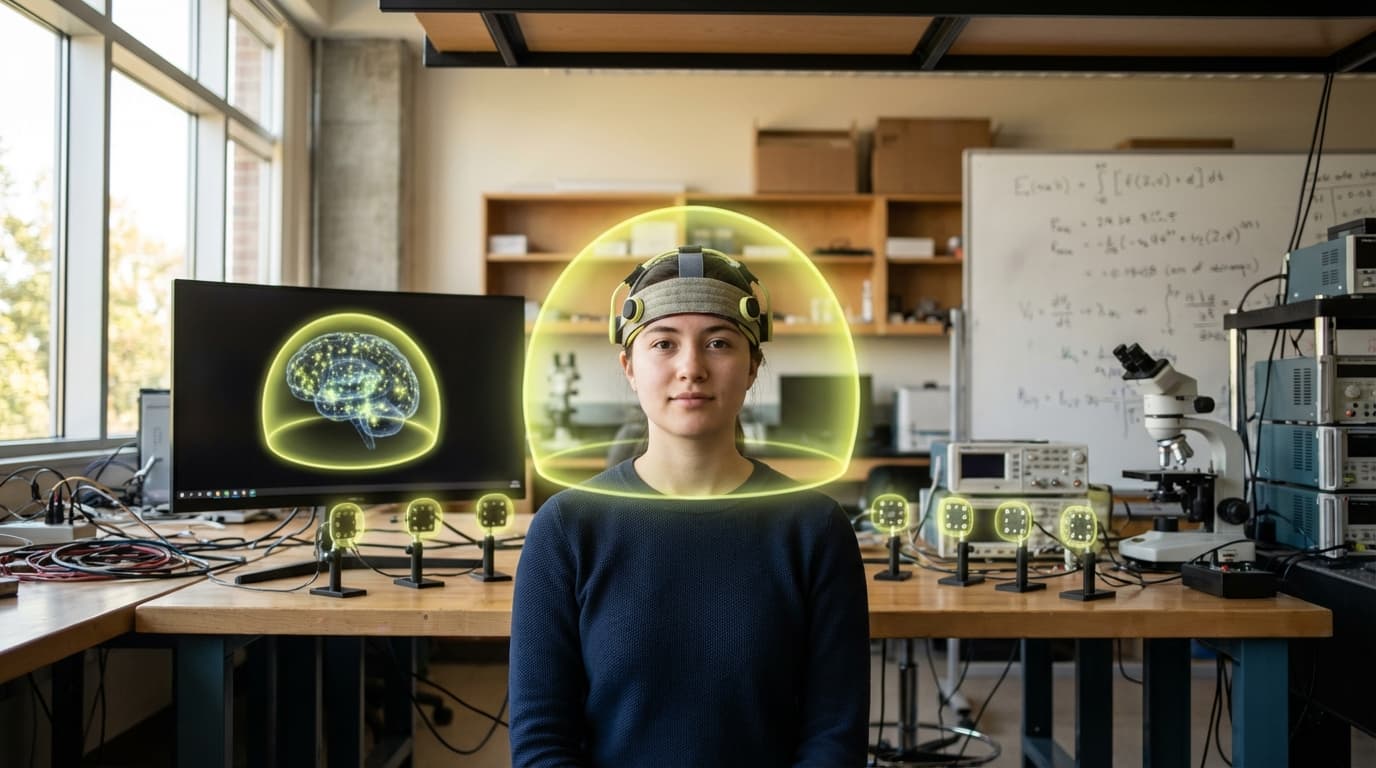
Wearable EEG devices that measure brain activity to train attention and focus during learning

Student-to-student feedback systems with rubrics and calibration for consistent peer review

AI systems that map individual learner knowledge, misconceptions, and learning patterns to personalize instruction

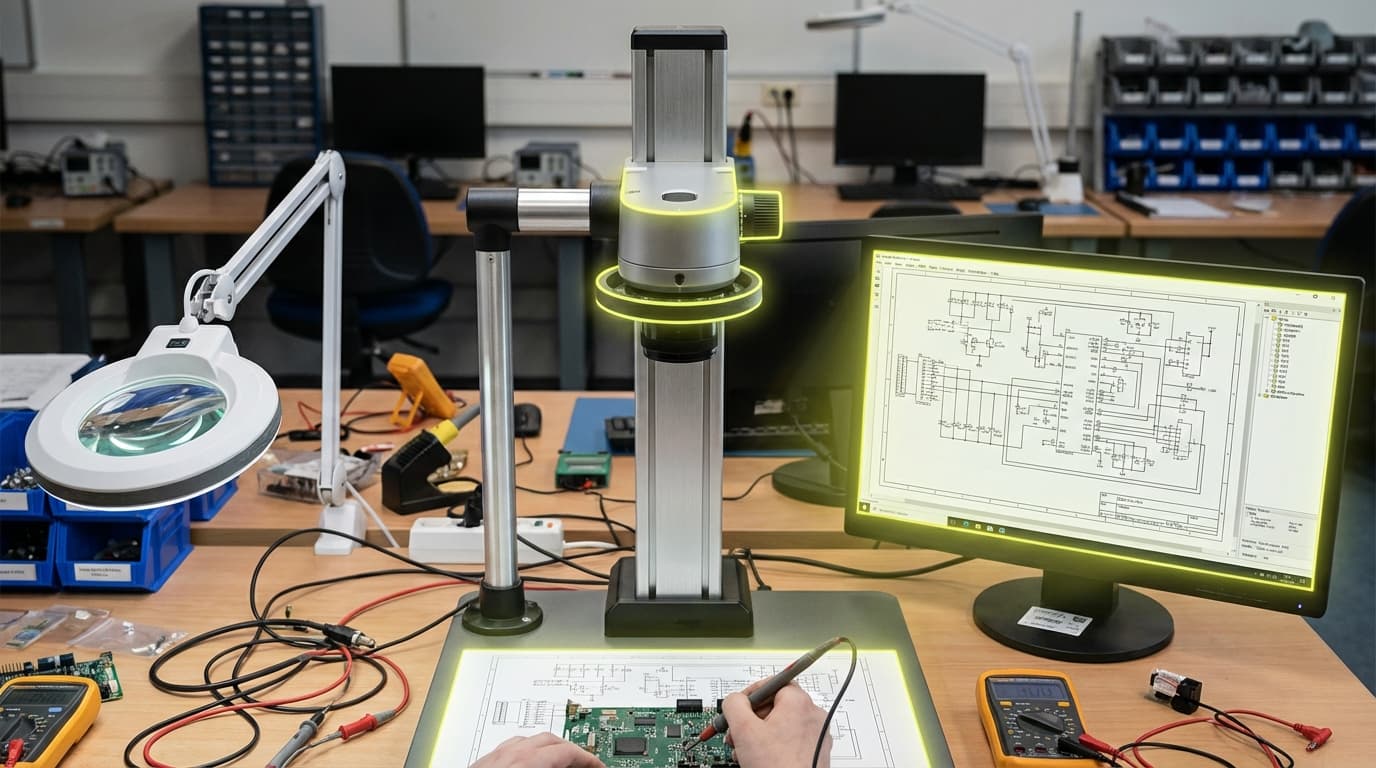
Compact lab kits with sensors, microscopes, and AR software for science education anywhere

AI-powered remote exam monitoring that detects cheating through webcam, audio, and screen analysis

Modular hardware and software platforms for hands-on coding and robotics education

No-code platforms for creating interactive learning simulations and branching scenarios

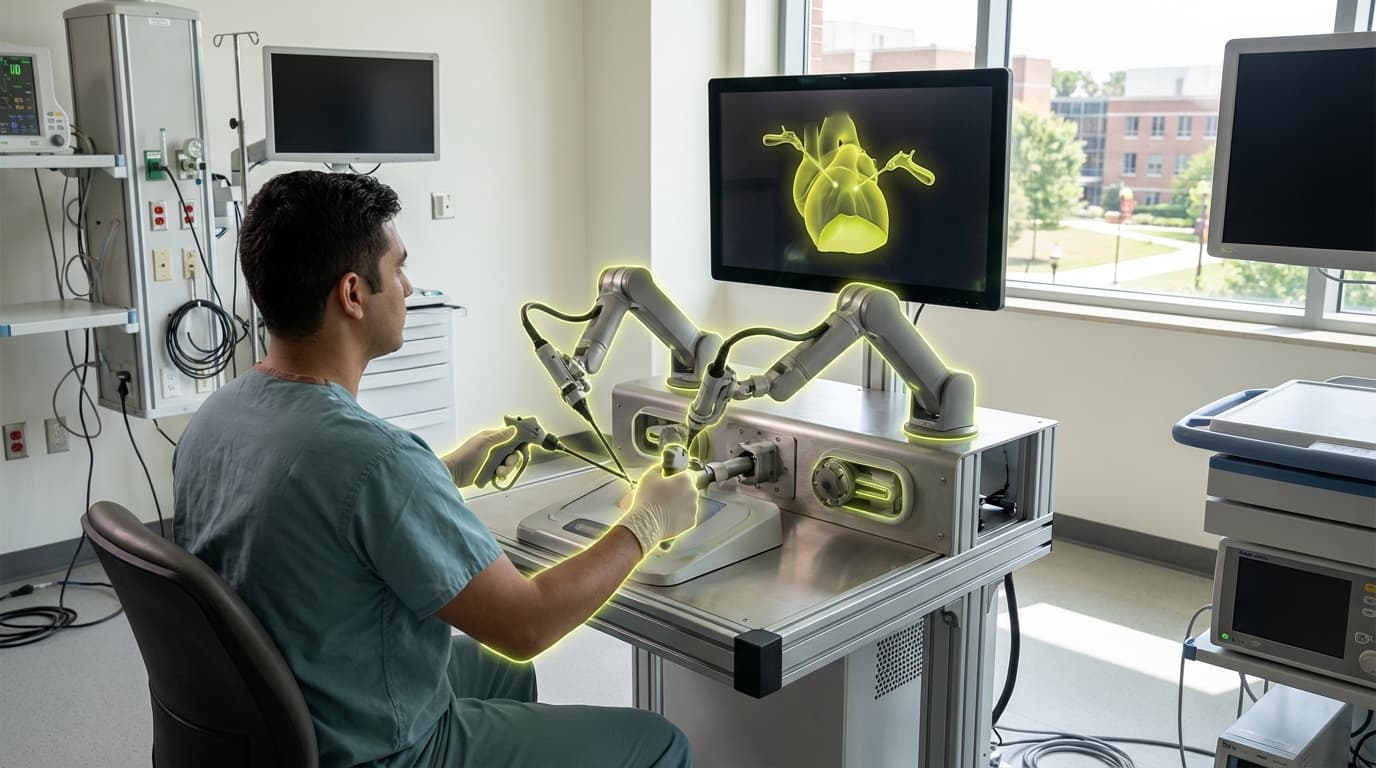
Realistic practice environments using mannequins, VR, and haptics for clinical skills training

Virtual environments for practicing complex skills before real-world application

Unified digital records that track and verify skills gained across education, work, and informal learning

Mobile platforms delivering structured lessons in self-awareness, empathy, and emotional regulation

AI-powered virtual classmates that collaborate, discuss, and learn alongside human students

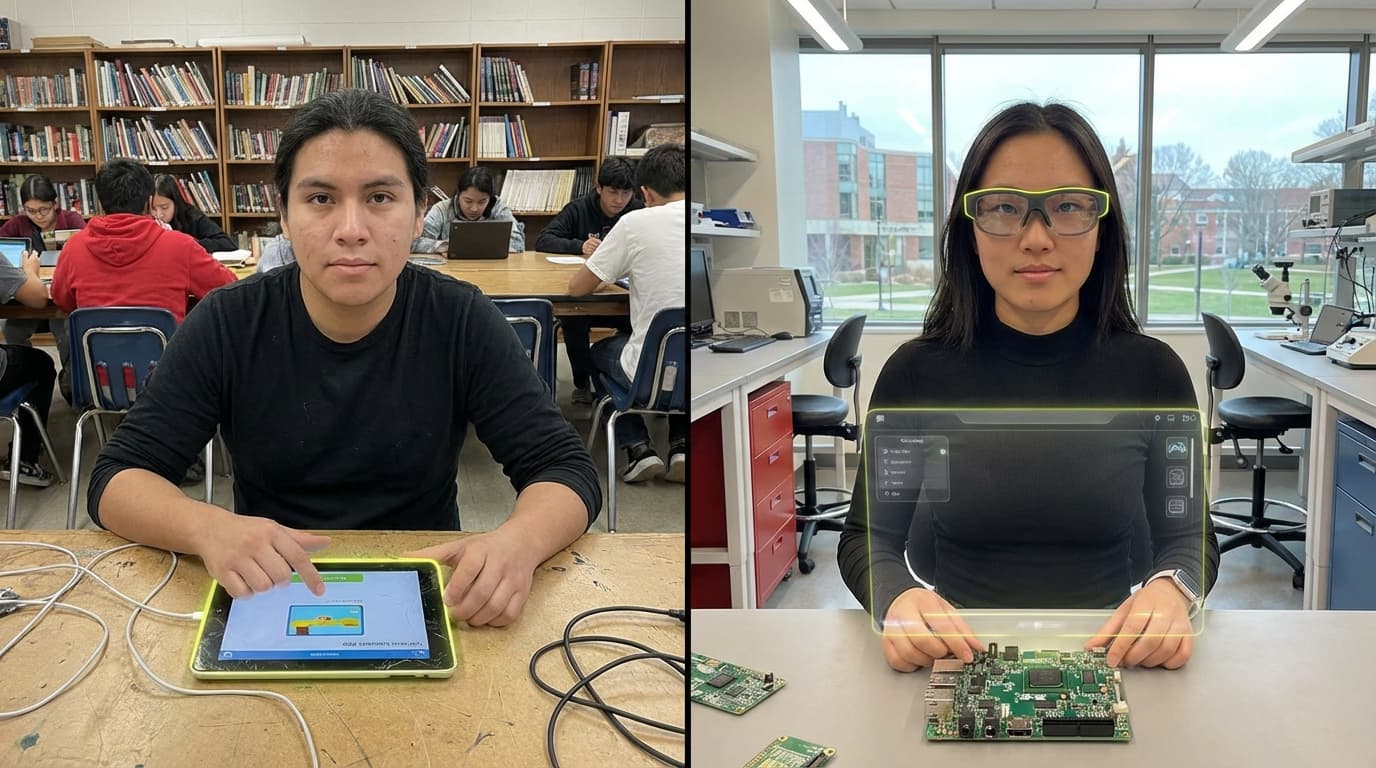
Durable tablets preloaded with interactive curriculum, replacing traditional textbooks

AI assistants that analyze classroom data to show teachers which students need support and when

AI-driven learning feeds that adapt to individual pace, mood, goals, and life context in real time

Immersive VR and 360° video experiences that transport students to distant learning destinations
Follow us for weekly foresight in your inbox.