Language Learning Apps
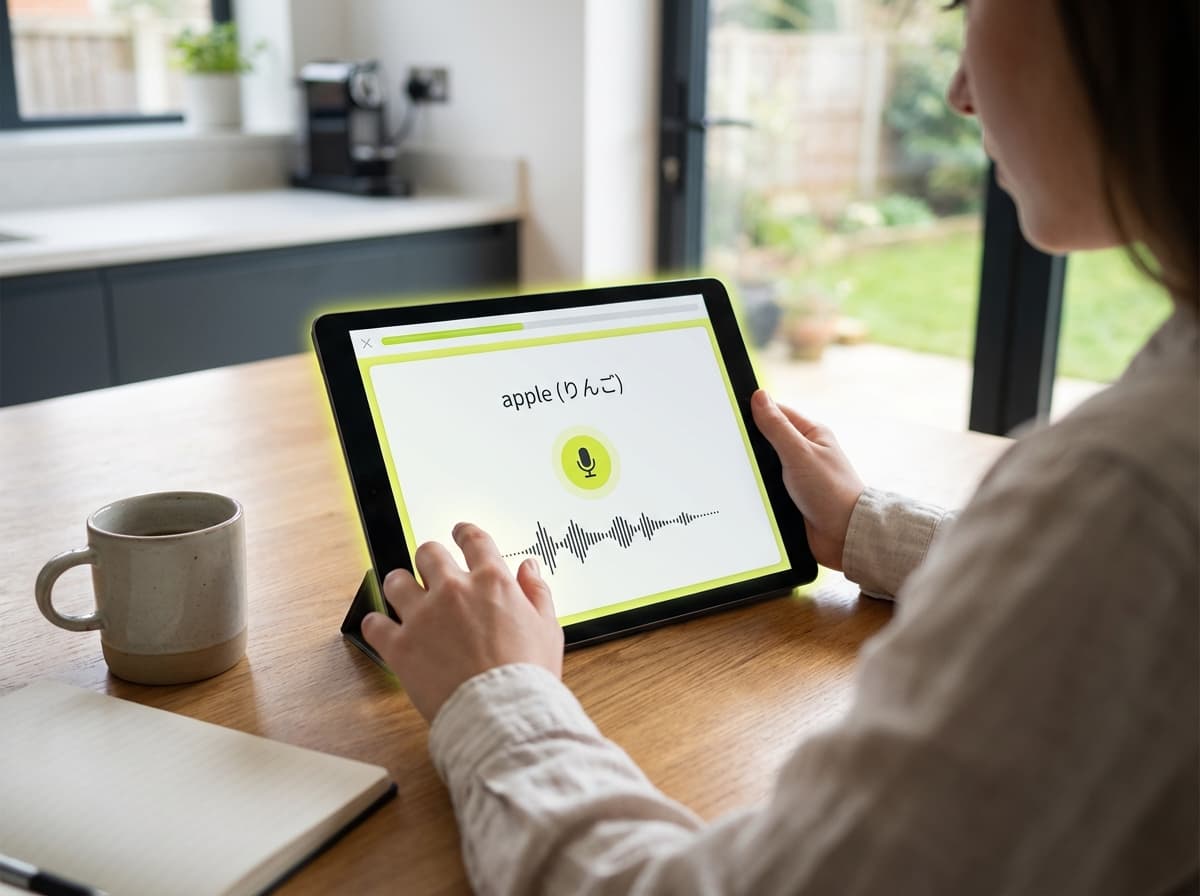
Language learning apps are mobile-first platforms that combine spaced repetition algorithms, speech recognition technology, gamification, and AI-powered conversational partners to deliver engaging, accessible language instruction. These apps, exemplified by platforms like Duolingo, Babbel, and Rosetta Stone, use scientifically-backed learning techniques like spaced repetition (reviewing material at increasing intervals) to optimize memory retention, real-time pronunciation scoring to provide immediate feedback on speaking, and gamified elements (points, streaks, levels) to maintain motivation. Advanced apps incorporate AI chat partners for conversational practice, adaptive algorithms that adjust difficulty based on performance, and comprehensive curricula covering vocabulary, grammar, reading, writing, and speaking skills, making daily language study accessible anywhere, anytime.
This innovation addresses the barriers to language learning, where traditional classroom instruction may be expensive, time-consuming, or inaccessible, and where maintaining motivation and consistent practice can be challenging. By providing engaging, mobile, and scientifically-designed learning experiences, these apps enable millions of people to learn languages independently. Companies like Duolingo, Babbel, and various language learning platforms have achieved massive scale, with hundreds of millions of users worldwide.
The technology is particularly significant for democratizing language learning, where mobile apps can provide affordable, accessible instruction to people who might not have access to traditional language classes. As AI capabilities improve and speech recognition becomes more sophisticated, language learning apps could become even more effective. However, ensuring pedagogical quality, maintaining learner motivation over time, providing opportunities for real-world practice, and addressing limitations in teaching complex grammar and cultural nuances remain challenges. The technology represents a major success in educational technology, with clear benefits for accessibility and engagement.
Related Organizations

Combines AI-powered courses with a social network for peer correction.

Uses spaced repetition and 'mems' (mnemonics) with immersive video content.

An AI-powered language tutor that engages users in open-ended conversations.

An AI-powered English pronunciation coach that listens to learners and provides instant feedback.

Adaptive language learning platform that uses big data to teach the most relevant vocabulary first.

Visual language learning app focusing on vocabulary through gamification.
A language exchange app connecting users with native speakers for chat and correction.
Personalized language learning for corporations using real-world content.

Global edtech platform delivering authentic language learning (primarily Chinese) for kids.
Supporting Evidence
Research this in Signals
Signals turns a topic into a sourced research record you can inspect and rerun. Your first scan is free, and this one starts with Language Learning Apps already loaded, so edit it or scan as is.