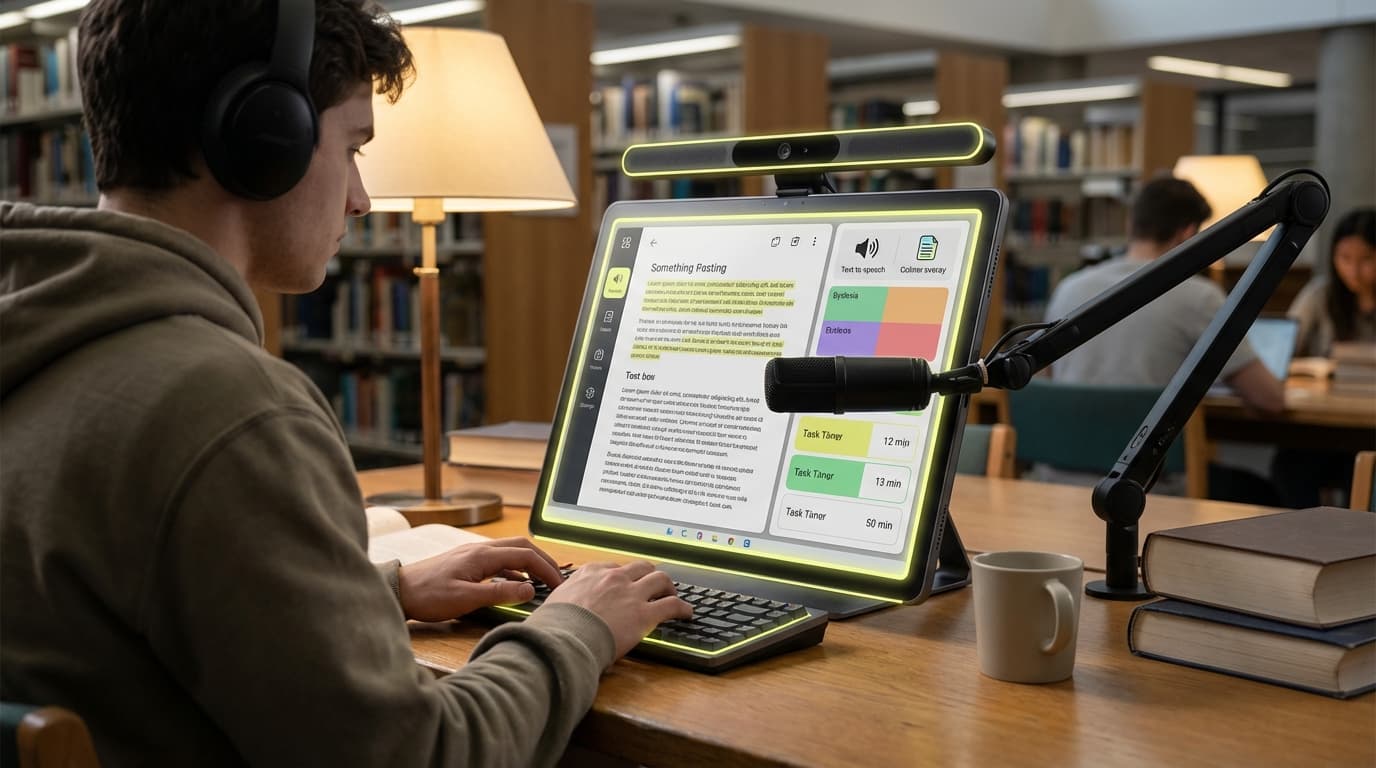
Neurodiversity-Adaptive Interfaces
Neurodiversity-adaptive interfaces are learning platforms and educational technologies that provide extensive customization options allowing users to adjust pacing, sensory load (visual, auditory, tactile stimuli), typography (fonts, sizes, spacing, colors), interaction patterns, content presentation, and interface design to match individual cognitive preferences and needs. These systems recognize that neurodivergent learners—including those with ADHD, dyslexia, autism, and other neurodevelopmental differences—may have different needs for information processing, attention management, sensory regulation, and learning styles. By providing flexible, customizable interfaces, these platforms can create learning environments that accommodate diverse cognitive styles, reduce barriers to learning, and enable neurodivergent learners to access and engage with educational content effectively.
This innovation addresses the accessibility gap in educational technology, where standard interfaces may create barriers for neurodivergent learners who have different cognitive processing needs. By providing customization options, these systems can make learning more accessible and effective for diverse learners. Educational technology companies, accessibility-focused platforms, and inclusive design advocates are developing these capabilities, with some systems already providing extensive customization options for neurodivergent learners.
The technology is particularly significant for creating inclusive learning environments, where adaptive interfaces can remove barriers and enable effective learning for neurodivergent students. As understanding of neurodiversity improves and customization capabilities expand, adaptive interfaces could become standard in educational technology. However, ensuring comprehensive customization options, providing guidance for effective customization, managing complexity, and ensuring that customization doesn't create additional barriers remain challenges. The technology represents an important direction for inclusive education, but requires continued development to achieve the flexibility and usability needed for diverse learners.
Related Organizations

Nonprofit research and development organization that created the Universal Design for Learning (UDL) framework.

Develops literacy and accessibility software like Read&Write and Equatio designed to assist individuals with dyslexia and other learning difficulties.
A browser extension that provides comprehensive accessibility customization (fonts, overlays, dyslexia support) for the web.

Provides a digital self-management system for people with autism and mental health difficulties, featuring personalized coping strategies.

Through Copilot and the 'Recall' feature in Windows, Microsoft is integrating persistent memory and agentic capabilities directly into the operating system.

Leverages Virtual Reality to teach social and life skills to individuals with Autism Spectrum Disorder (ASD).

Visual planning app designed for neurodiversity, specifically supporting executive function for ADHD and autism.
Operates Bookshare, the world's largest library of accessible ebooks for people with reading barriers.

Enterprise AI search platform that connects to internal apps to provide RAG-based answers.

Provides text-to-speech solutions for websites and education platforms to make content accessible.
Supporting Evidence
Research this in Signals
Signals turns a topic into a sourced research record you can inspect and rerun. Your first scan is free, and this one starts with Neurodiversity-Adaptive Interfaces already loaded, so edit it or scan as is.