Community-Based Learning Networks
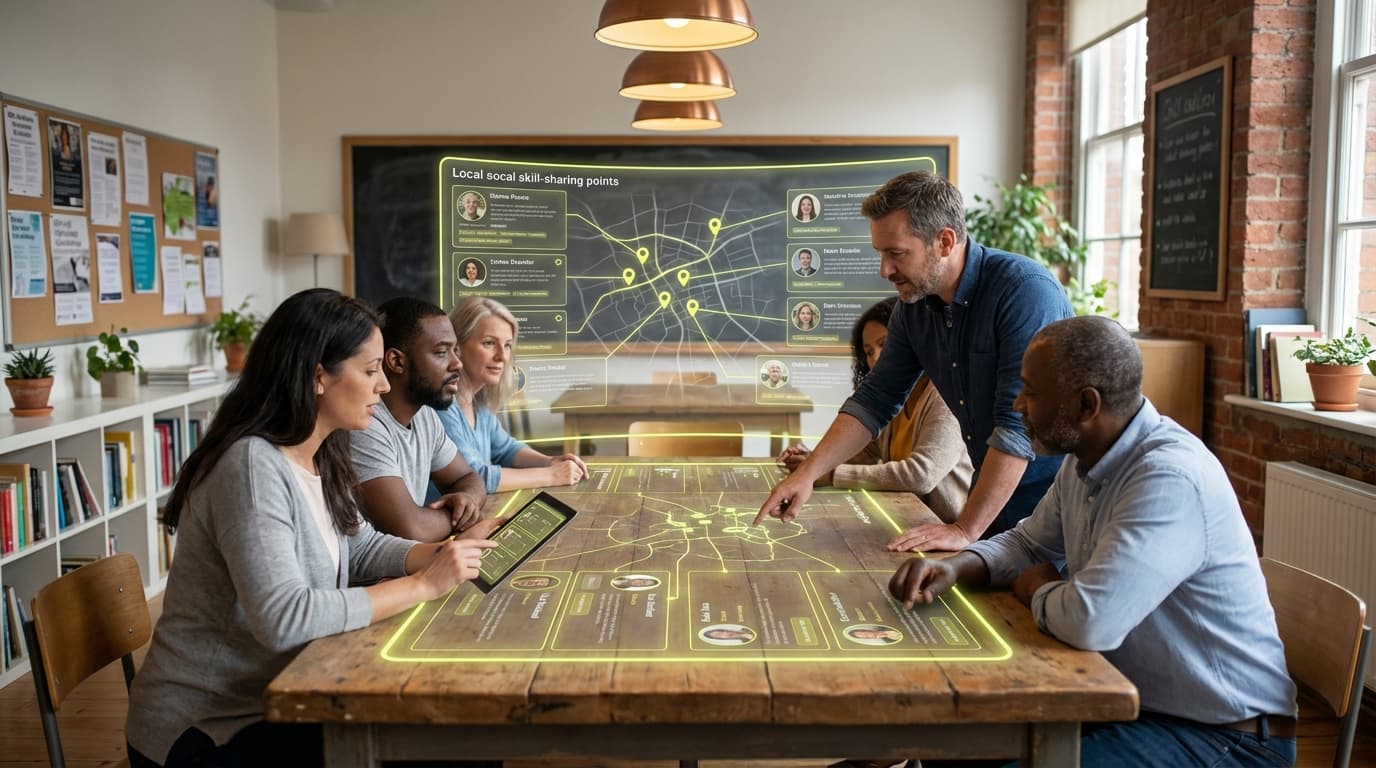
Community-Based Learning Networks represent a fundamental shift in how knowledge is shared and acquired, moving away from traditional hierarchical education models toward distributed, relationship-driven learning ecosystems. These platforms leverage sophisticated matching algorithms to connect learners with peers, mentors, and local experts who possess relevant knowledge, experience, or complementary learning goals. Unlike conventional online courses that rely on pre-packaged content, these networks treat human connection as the primary vehicle for knowledge transfer. The technical infrastructure typically combines profile analysis, skill mapping, and availability coordination to facilitate meaningful connections. Advanced systems employ natural language processing to understand learning objectives and expertise areas, while scheduling algorithms account for time zones, availability patterns, and preferred interaction modes. The platforms often incorporate reputation systems, feedback mechanisms, and progress tracking to maintain quality and accountability within the network, creating a self-regulating ecosystem where valuable contributors naturally rise to prominence.
The traditional education system faces persistent challenges in providing personalized guidance, maintaining learner engagement, and connecting theoretical knowledge with practical application. Conventional mentorship programs struggle with scalability, while massive online courses often suffer from high dropout rates due to lack of personal connection and accountability. Community-Based Learning Networks address these limitations by creating structured yet flexible frameworks for human-to-human learning at scale. They solve the discovery problem inherent in finding the right mentor or study partner, which historically relied on geographic proximity or institutional affiliation. By democratizing access to expertise, these platforms enable learners in underserved areas to connect with specialists worldwide, while simultaneously creating opportunities for experienced professionals to share knowledge and build teaching portfolios. The model also addresses the growing demand for continuous learning in rapidly evolving fields where formal credentials lag behind industry needs, allowing practitioners to learn directly from those currently working at the frontier of their disciplines.
Early implementations of these networks have emerged across various domains, from coding bootcamps that pair students with industry mentors to language learning platforms connecting native speakers with learners globally. Research in educational technology suggests that peer-supported learning environments can significantly improve retention rates and skill acquisition compared to self-directed study alone. Some platforms have begun integrating project-based collaboration features, enabling small groups to work together on real-world challenges under expert guidance. The integration of artificial intelligence serves primarily to optimize matching and reduce friction in connection-making, while the actual learning occurs through video calls, collaborative workspaces, and ongoing dialogue. As remote work normalizes and professional networks become increasingly digital, these learning networks are positioned to become essential infrastructure for lifelong learning. The trend aligns with broader movements toward skills-based hiring and alternative credentials, suggesting that community-validated expertise may complement or even rival traditional educational certifications in certain fields. The future trajectory points toward more sophisticated matching algorithms that can identify not just skill alignment but also learning style compatibility and motivational fit, creating learning relationships that are both effective and sustainable over time.
Related Organizations
Non-profit facilitating 'Learning Circles'—study groups for people who want to take online courses together in person.

Global community connecting designers and product managers with mentors for free sessions.

Fiveable
United States · Startup
Social learning platform for high school students, initially focused on AP exam prep.

Platform for cohort-based courses where learning happens through community interaction and active participation.

Marketplace for live online classes for kids, connecting learners with teachers and peers based on interest.

Career development platform for tech professionals focusing on peer cohorts and expert-led communities.

A learning experience platform that uses data analytics to suggest personalized learning pathways and skill development for employees.

Consultancy and lab focused on scaling the science of learning, often through networks and competitions.

Platform managing education benefits for companies, connecting employees to degree programs and bootcamps.
Supporting Evidence
Research this in Signals
Signals turns a topic into a sourced research record you can inspect and rerun. Your first scan is free, and this one starts with Community-Based Learning Networks already loaded, so edit it or scan as is.