Workplace Digital Twins for Roles
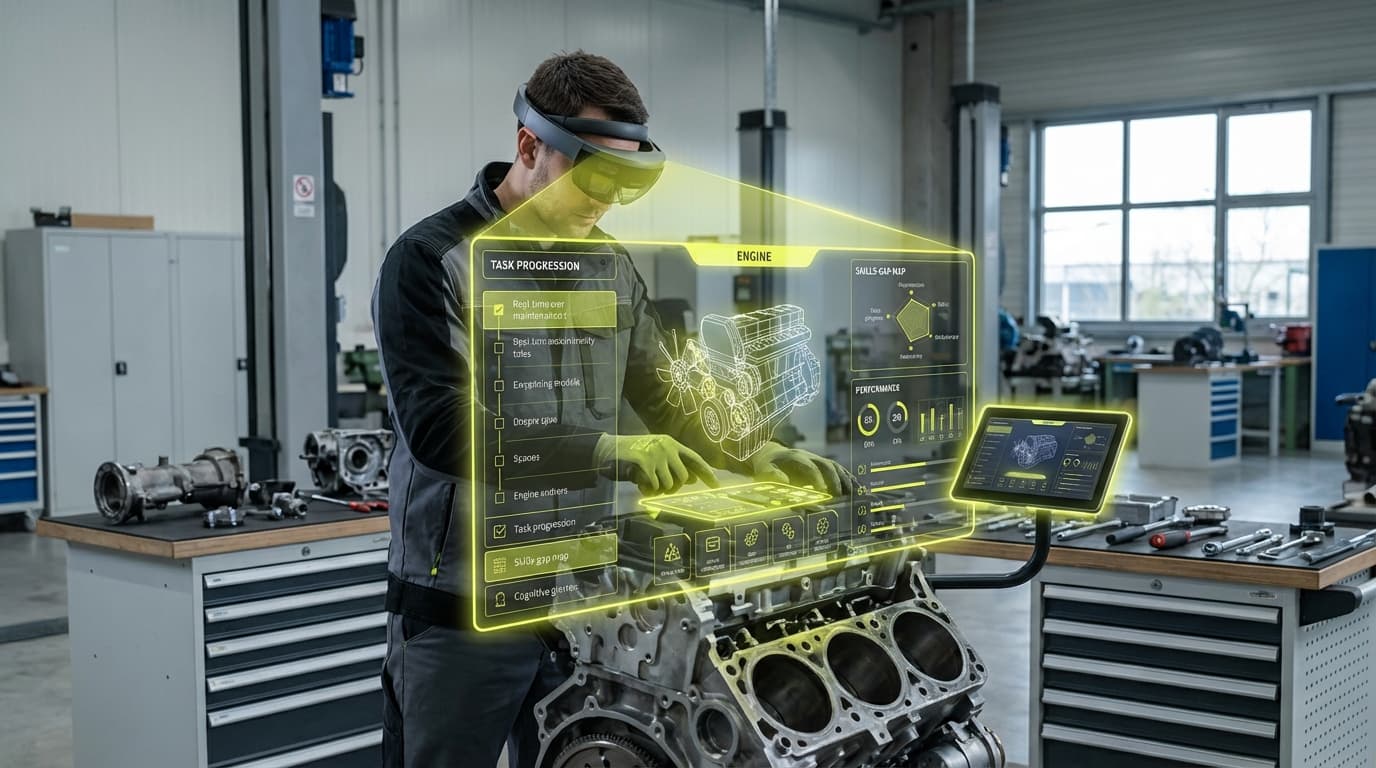
In the evolving landscape of workforce development, organizations face mounting challenges in keeping employee skills aligned with rapidly changing job requirements. Traditional competency frameworks and static job descriptions often fail to capture the dynamic nature of modern work, where roles continuously evolve in response to technological advances, market shifts, and organizational restructuring. Workplace digital twins for roles address this gap by creating dynamic, data-driven representations of positions within an organization. These virtual models function as comprehensive replicas of actual job roles, continuously updated to reflect the real-world tasks, competencies, tools, and performance metrics associated with each position. By aggregating data from multiple sources—including workflow systems, performance management platforms, learning management systems, and direct observation of work patterns—these digital twins construct detailed profiles that go far beyond conventional job descriptions. The technology employs machine learning algorithms to identify patterns in how work is actually performed, what skills are applied in practice, and which competencies correlate most strongly with successful outcomes.
The primary value of workplace digital twins lies in their ability to transform talent development from a reactive, generalized process into a proactive, personalized system. Organizations can use these models to identify skill gaps with unprecedented precision, comparing an individual employee's current capabilities against the comprehensive requirements of their role or a target position. This enables the automatic generation of customized upskilling pathways that address specific deficiencies while building on existing strengths. Furthermore, these digital twins facilitate career planning by allowing employees and managers to simulate potential career moves, understanding in advance what new competencies would be required and how current skills might transfer. This capability proves particularly valuable in large organizations where career paths may not be transparent and where lateral moves between departments could unlock hidden potential. The technology also supports more strategic workforce planning, enabling human resources teams to anticipate future skill needs as roles evolve and to design training programs that address emerging requirements before they become critical gaps.
Early implementations of workplace digital twins are appearing primarily in large enterprises with complex organizational structures and significant investments in learning and development infrastructure. Technology companies and professional services firms have begun piloting these systems to manage their rapidly evolving skill requirements, while some manufacturing organizations are exploring their application in technical roles where precision in competency mapping directly impacts operational safety and efficiency. The models prove especially valuable in industries experiencing digital transformation, where traditional roles are being redefined by automation and new technologies. As these systems mature, they are increasingly integrated with broader talent management platforms, creating ecosystems where learning recommendations, performance feedback, and career development opportunities are all informed by the same underlying role models. This convergence aligns with larger trends toward skills-based organizations, where hiring, development, and advancement decisions are driven more by demonstrated capabilities than by credentials or tenure. Looking forward, the continued refinement of these digital twins promises to make workforce development more responsive, equitable, and effective, ensuring that learning investments directly translate into organizational capabilities and individual career growth.
Related Organizations

A workforce intelligence platform acquired by Cornerstone that uses AI to map skills and labor market data.
An AI technology company that infers employee skills from digital footprints (emails, commits, tickets).

A talent intelligence platform that uses AI to match individuals with career paths, identifying skills gaps and suggesting upskilling opportunities.

An internal talent marketplace that uses AI to mentor employees on potential career moves and projects within their organization.
A talent intelligence platform designed to bridge the skills gap.

A leading provider of enterprise cloud applications for finance and human resources.

Provides a cloud computing platform to help companies manage digital workflows for enterprise operations.
International organization for public-private cooperation.
Supporting Evidence
Research this in Signals
Signals turns a topic into a sourced research record you can inspect and rerun. Your first scan is free, and this one starts with Workplace Digital Twins for Roles already loaded, so edit it or scan as is.