Assessment Without Tests
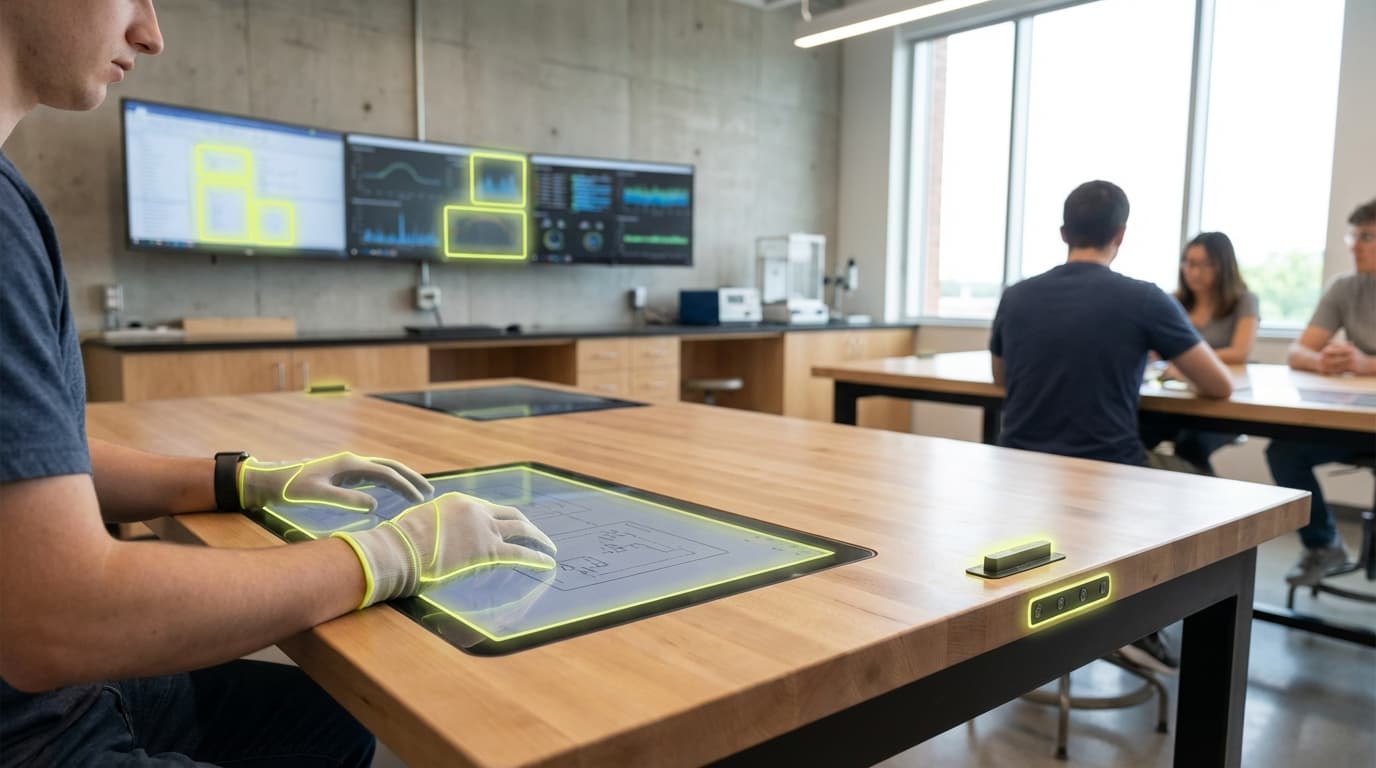
Assessment without tests uses stealth assessment and learning analytics to measure learner competence continuously through behavioral data—interaction patterns, response times, error patterns, voice cues, eye tracking, and other digital traces—rather than requiring formal, scheduled examinations. These systems use machine learning algorithms to analyze learning behaviors and infer knowledge states, skill levels, and misconceptions in real-time, providing ongoing, granular assessment that happens naturally during learning activities. By eliminating the need for high-stakes tests, these approaches can reduce test anxiety, provide more frequent and detailed feedback, and create more authentic assessments that measure learning in context rather than isolated test performance.
This innovation addresses the limitations of traditional testing, where high-stakes exams can cause anxiety, may not accurately reflect learning, and interrupt the learning flow. By providing continuous, unobtrusive assessment, these systems can track learning progress naturally and provide insights without the stress and disruption of formal tests. Research institutions and educational technology companies are exploring these capabilities, with some adaptive learning platforms already using behavioral data to infer knowledge states and adjust content accordingly.
The technology is particularly significant for creating more natural, less stressful assessment approaches that provide continuous feedback and support learning rather than interrupting it. As data collection improves and algorithms become more sophisticated, stealth assessment could become standard in educational systems. However, ensuring assessment accuracy, managing privacy concerns, avoiding over-surveillance, and validating that behavioral traces accurately reflect learning remain challenges. The technology represents an important evolution in educational assessment, but requires careful implementation to balance benefits with privacy and accuracy concerns.
Related Organizations

An adaptive K-8 math program that adjusts to students' actions in real-time.

Introduced 'Duolingo Max' featuring Roleplay and Explain My Answer, powered by GPT-4, where characters have distinct personalities.

A technology workforce development company that offers Skill IQ to measure proficiency.

A provider of K-12 education technology that uses AI (MATHia) to provide 1-on-1 personalized tutoring feedback.

Creator of ABCmouse and My Math Academy, utilizing a Personalized Mastery Learning System.

An AI-powered English pronunciation coach that listens to learners and provides instant feedback.

A learning experience platform that uses data analytics to suggest personalized learning pathways and skill development for employees.

The world's largest private nonprofit educational testing and assessment organization.

A leader in pre-K–12 education technology, known for Star Assessments and Accelerated Reader.

A nonprofit organization known for the ACT college readiness exam.
Supporting Evidence
Research this in Signals
Signals turns a topic into a sourced research record you can inspect and rerun. Your first scan is free, and this one starts with Assessment Without Tests already loaded, so edit it or scan as is.