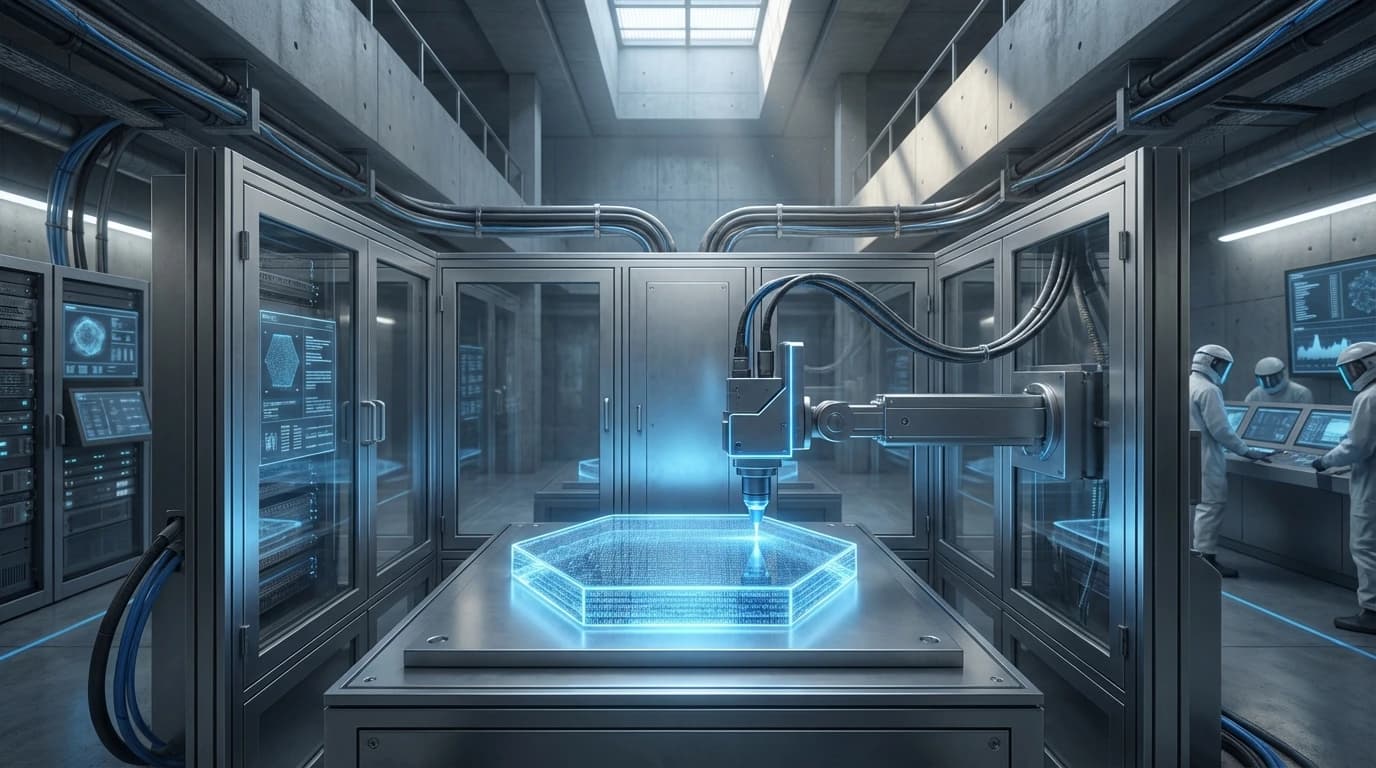
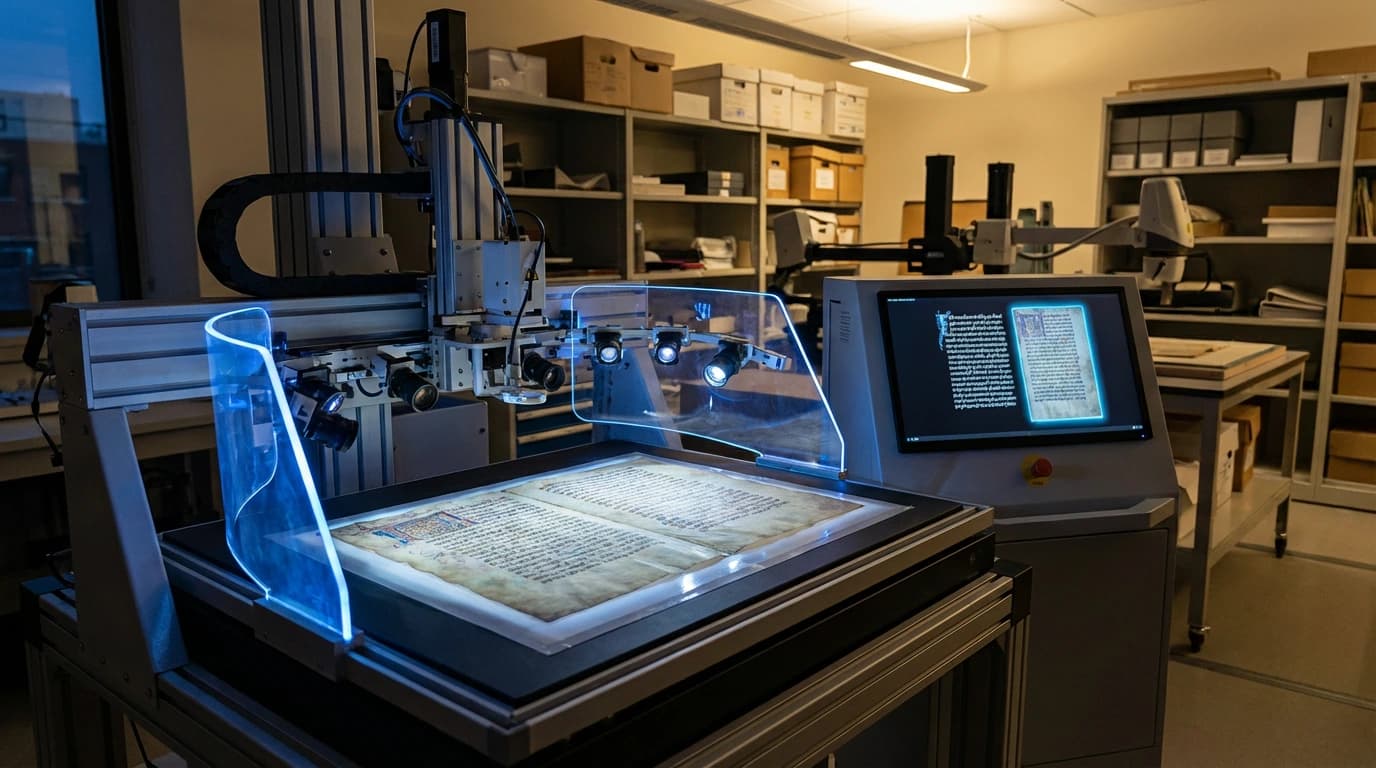
Encodes data in nanostructured glass for archival storage lasting millions of years
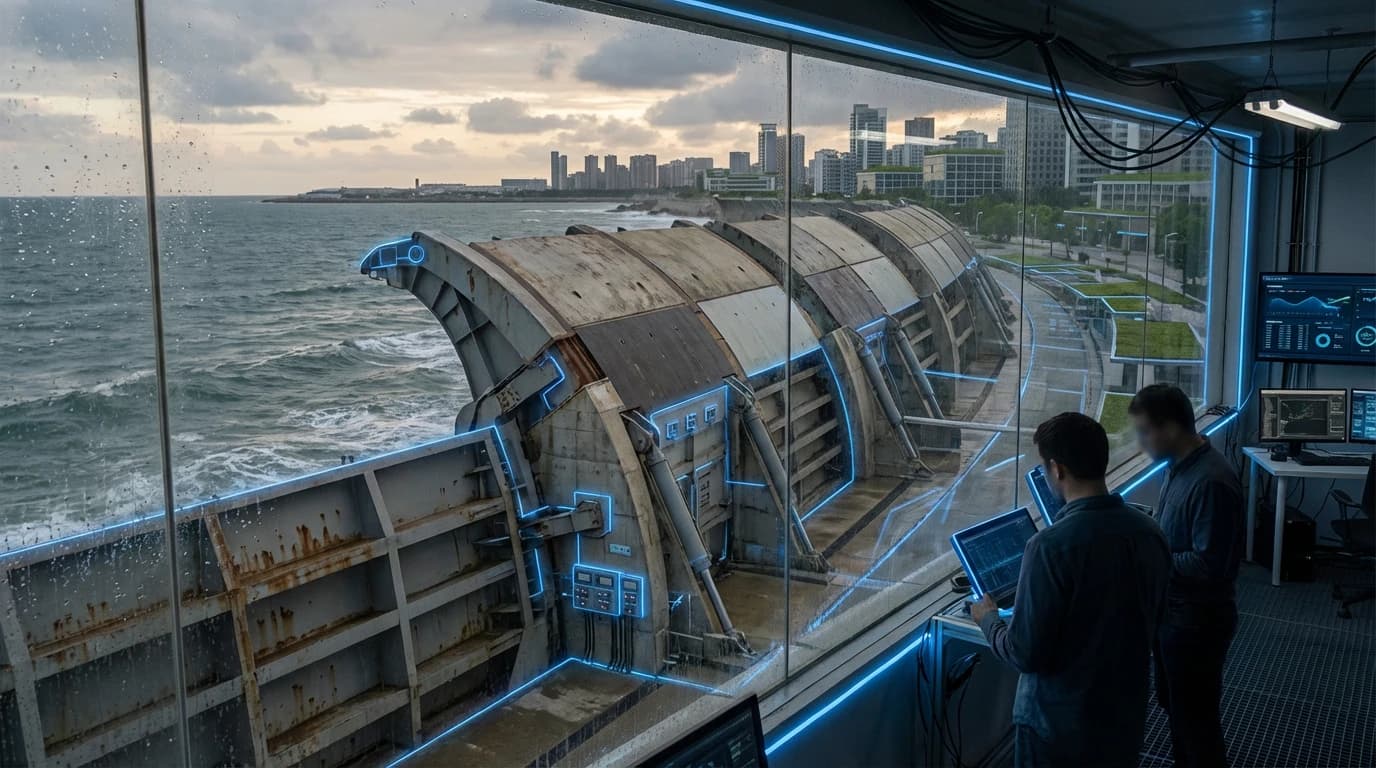
Reconfigurable flood barriers and nature-based defenses that adapt to changing sea levels and storms
Standardized frameworks for testing AI safety, reliability, and alignment at scale
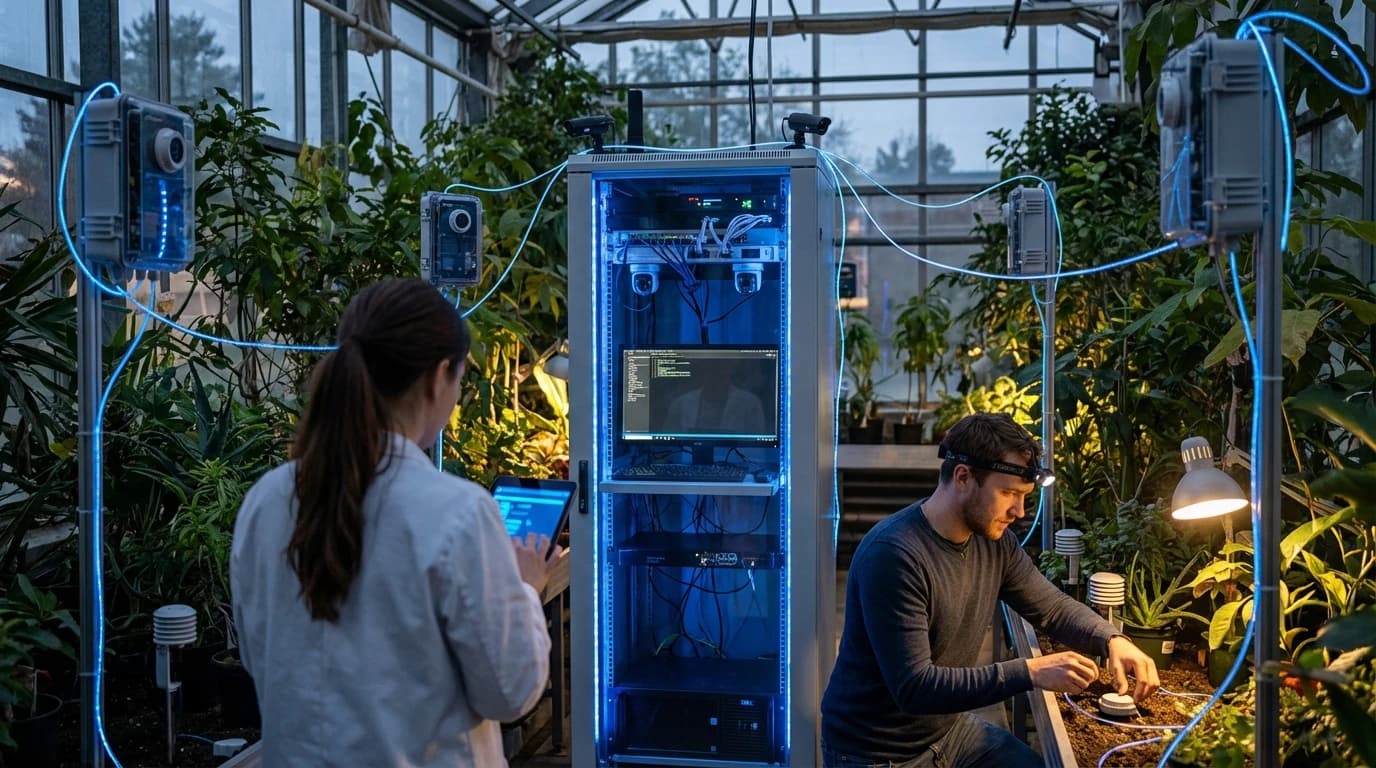
Automated ecosystem tracking using sensors, cameras, and AI to monitor species and habitat health
Self-regulating systems that extract CO2 from ambient air using AI and renewable energy
International agreements restricting lethal autonomous weapons without meaningful human control
Automated screening systems that detect dangerous DNA sequences and biological designs before synthesis
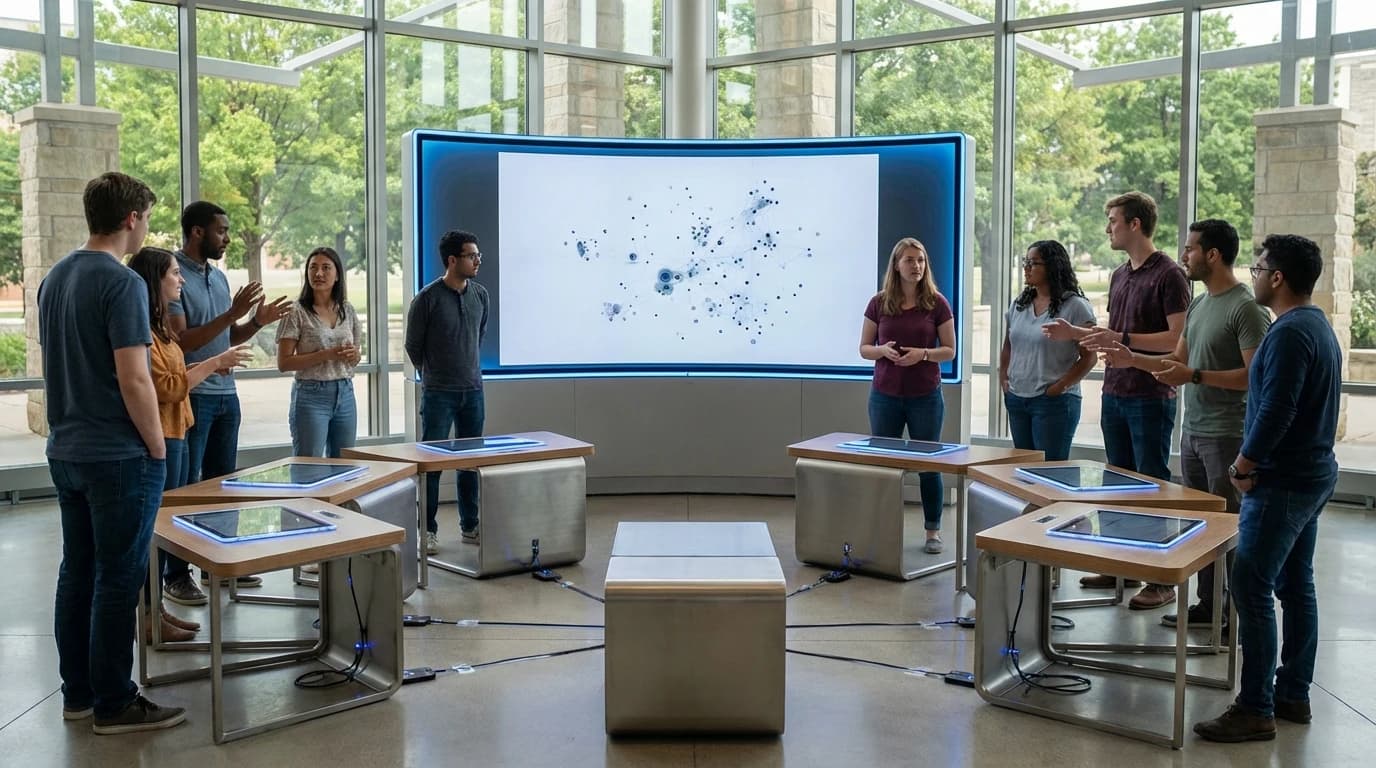
Random-selection digital assemblies that convene demographically representative citizens for complex policy decisions
Legal frameworks and policies for populations displaced by environmental change
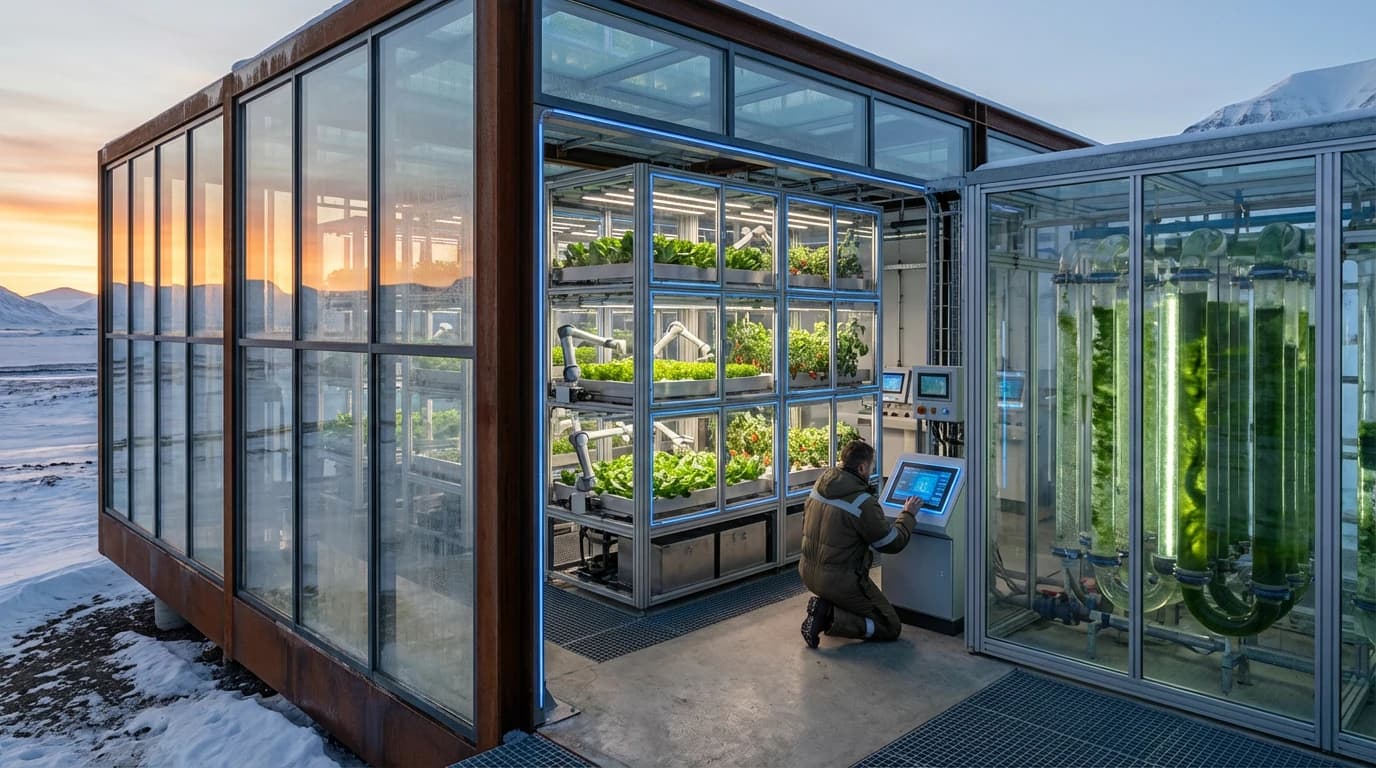
Controlled-environment agriculture combining vertical farms, greenhouses, and biotech for stable food production
Regenerative systems that recycle air, water, and waste for long-term habitation in isolated environments
Nuclear fusion reactors designed for commercial electricity generation without carbon emissions
Embedding ethical principles and safety constraints directly into AI systems during training
AI systems digitizing endangered languages, artifacts, and traditions before they disappear
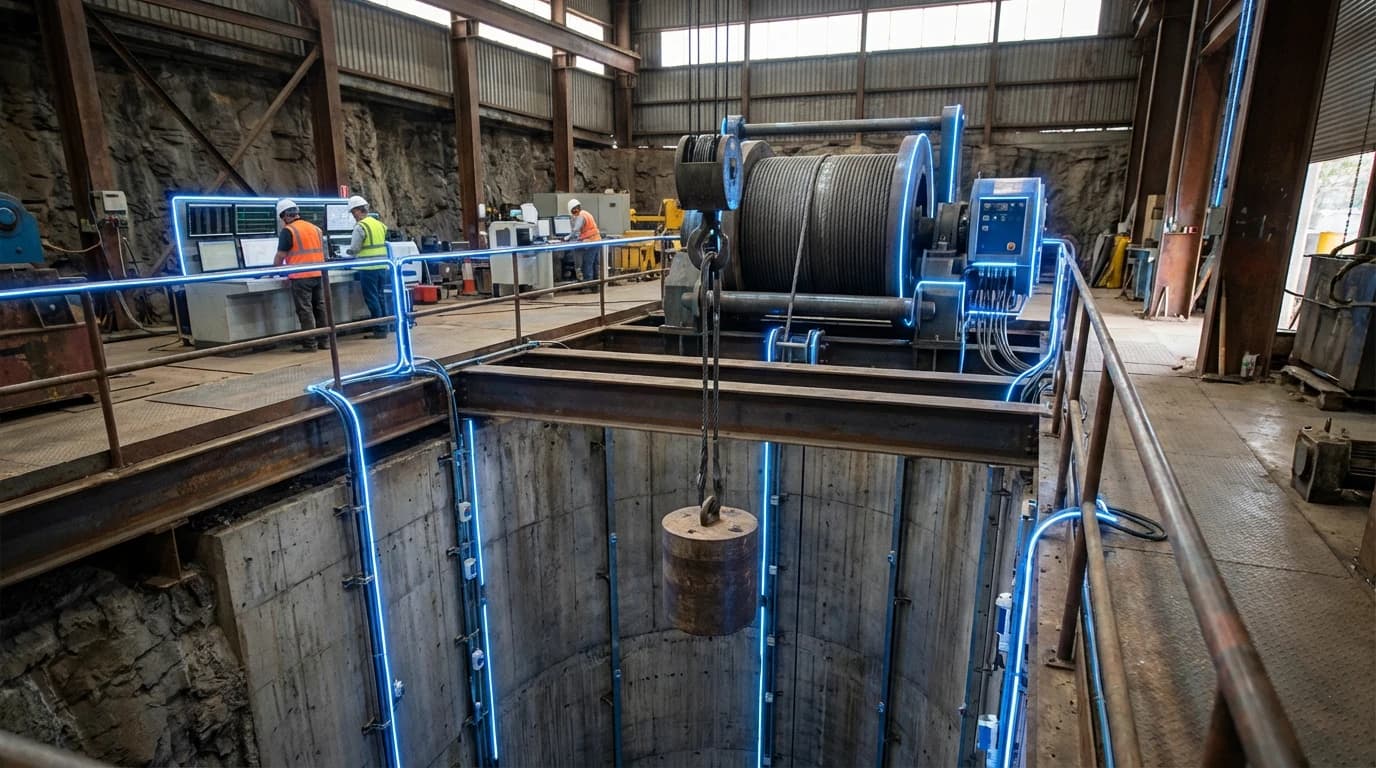
Stores grid energy by lifting heavy masses in deep vertical shafts using gravity
Collective stewardship frameworks for shared digital infrastructure and public resources
Peer-to-peer networks fragmenting and replicating knowledge across global nodes
Local power networks that disconnect and self-heal when the main grid fails
Integrated platforms modeling catastrophic threats to civilization through AI forecasting and systems analysis
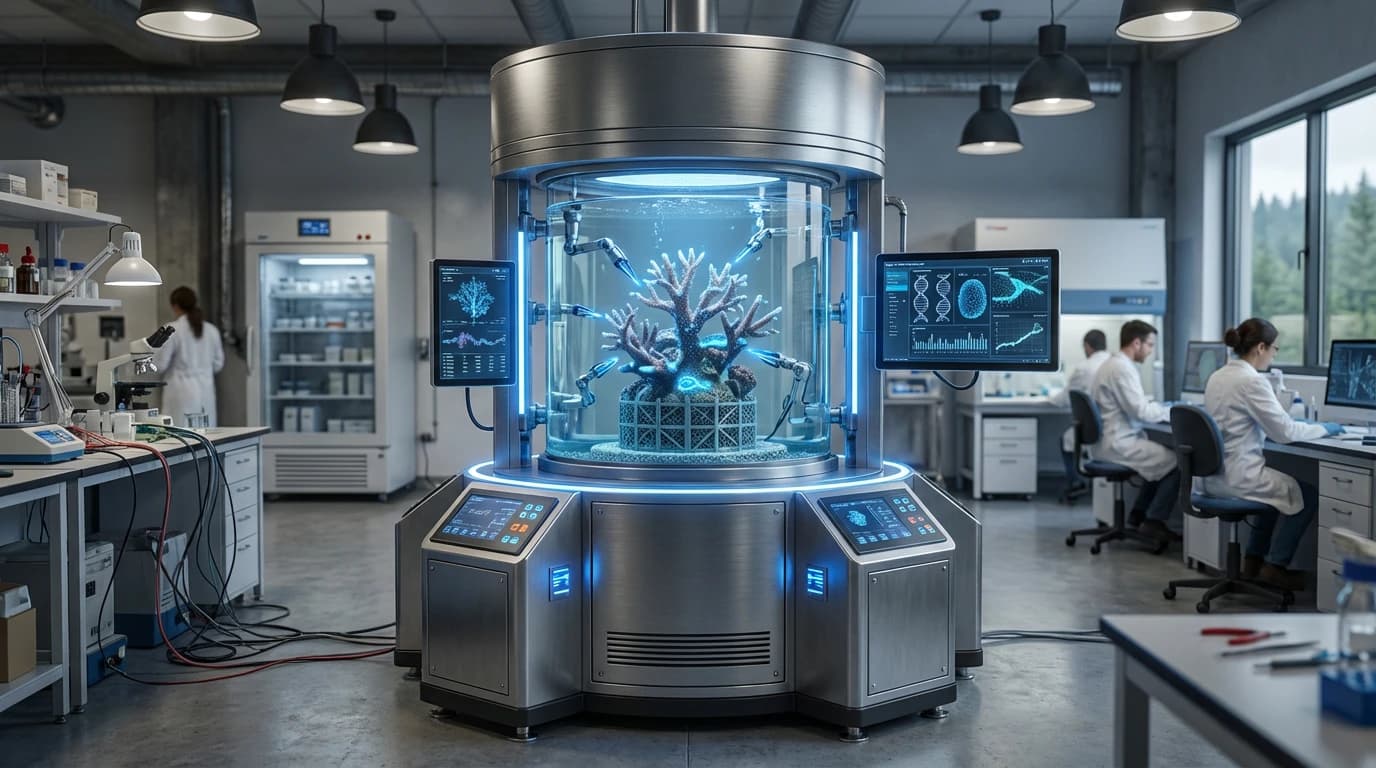
Reviving extinct species and restoring genetic diversity through cloning, gene editing, and synthetic biology
International frameworks for regulating climate intervention technologies and their deployment
International architecture for governing high-risk biological research and preventing misuse
International agreements designed to prevent and manage civilization-ending threats
Interoperable systems for cross-border disaster response and resource mobilization
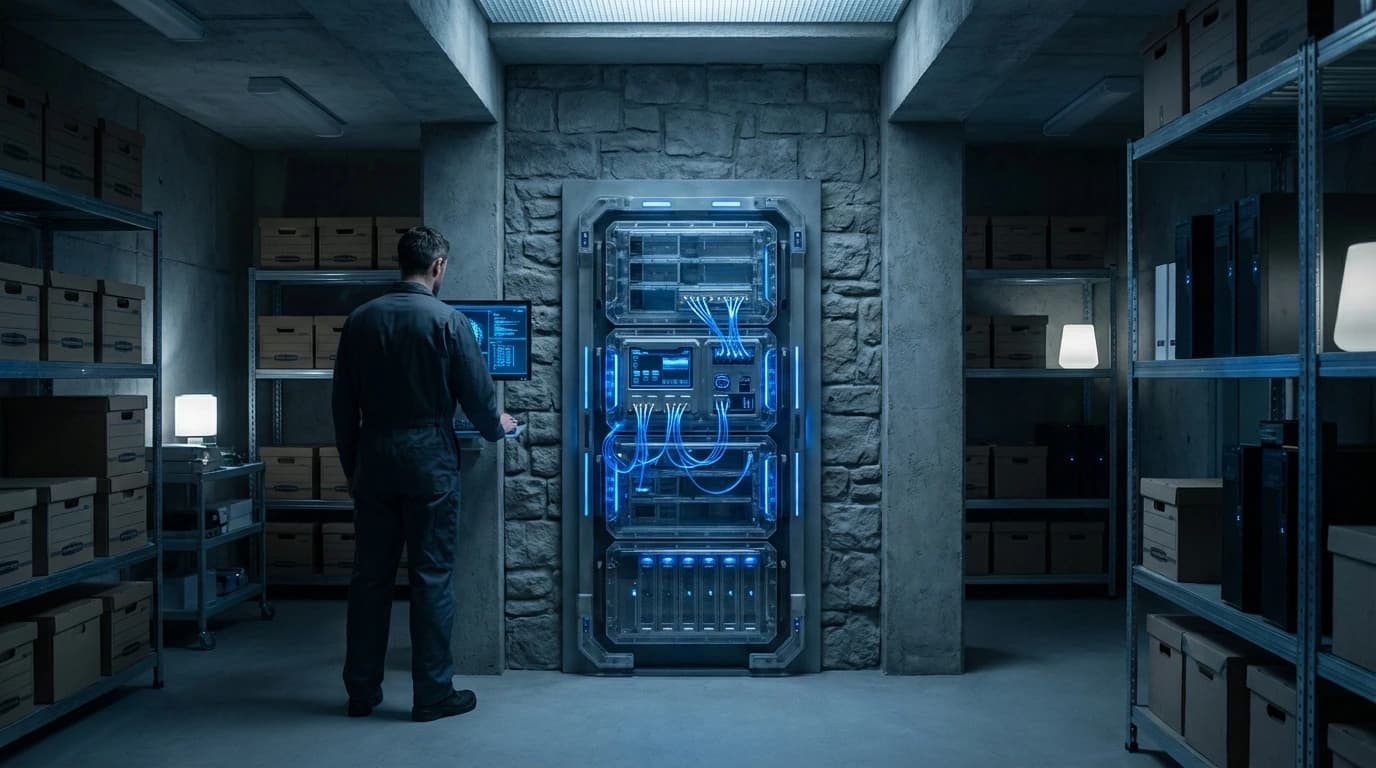
Self-sustaining underground facilities designed to preserve civilization through catastrophic events
Extracting water, oxygen, and building materials from the Moon, Mars, and asteroids
Legal and governance mechanisms that give future generations standing in today's policy decisions
Self-executing blockchain agreements that lock resources or decisions across generational timescales
Financial vehicles structured to fund projects with benefits spanning decades or centuries
Crisis coordination using SMS, USSD, and basic cellular networks when internet fails
Containerized freshwater systems that scale to local demand in water-scarce regions
Building materials grown from fungal networks as a low-carbon alternative to concrete and steel
Legal frameworks protecting mental privacy and cognitive liberty from neural data exploitation
Dispersing alkaline minerals in seawater to capture and store atmospheric CO₂
Self-sufficient floating platforms designed for long-term ocean habitation and research
AI detecting disease outbreaks from wastewater, hospital visits, and pharmacy data before they spread
Institutional frameworks that govern shared access to critical Earth system and environmental data
Spacecraft and directed-energy systems designed to deflect hazardous asteroids before impact
Virtual replicas of Earth's interconnected systems for climate forecasting and scenario planning
Distributed cryogenic vaults safeguarding Earth's genetic diversity across species and ecosystems
Encryption methods designed to resist attacks from quantum computers
Atom interferometry detecting gravitational variations for subsurface monitoring and hazard prediction
Farming practices that restore soil health, sequester carbon, and rebuild ecosystem function
Legal systems granting ecosystems enforceable rights to exist, flourish, and regenerate
Orbital solar arrays transmitting continuous energy to Earth via microwave or laser beams
Dispersing reflective aerosols in the stratosphere to reduce incoming solar radiation
Autonomous drone swarms that assess and repair critical infrastructure after disasters
Engineered organisms designed to accelerate ecological recovery in degraded environments
High-voltage DC lines that move renewable power across continents with minimal loss
Adaptable vaccine frameworks that can be rapidly reconfigured to target emerging infectious diseases
Tracking signals shaping the future of civilizational resilience — long-horizon systems, societal stability infrastructures, and planetary resilience mechanisms.
Follow us for weekly foresight in your inbox.