







Earth Engineering
This page is a narrower case of it.
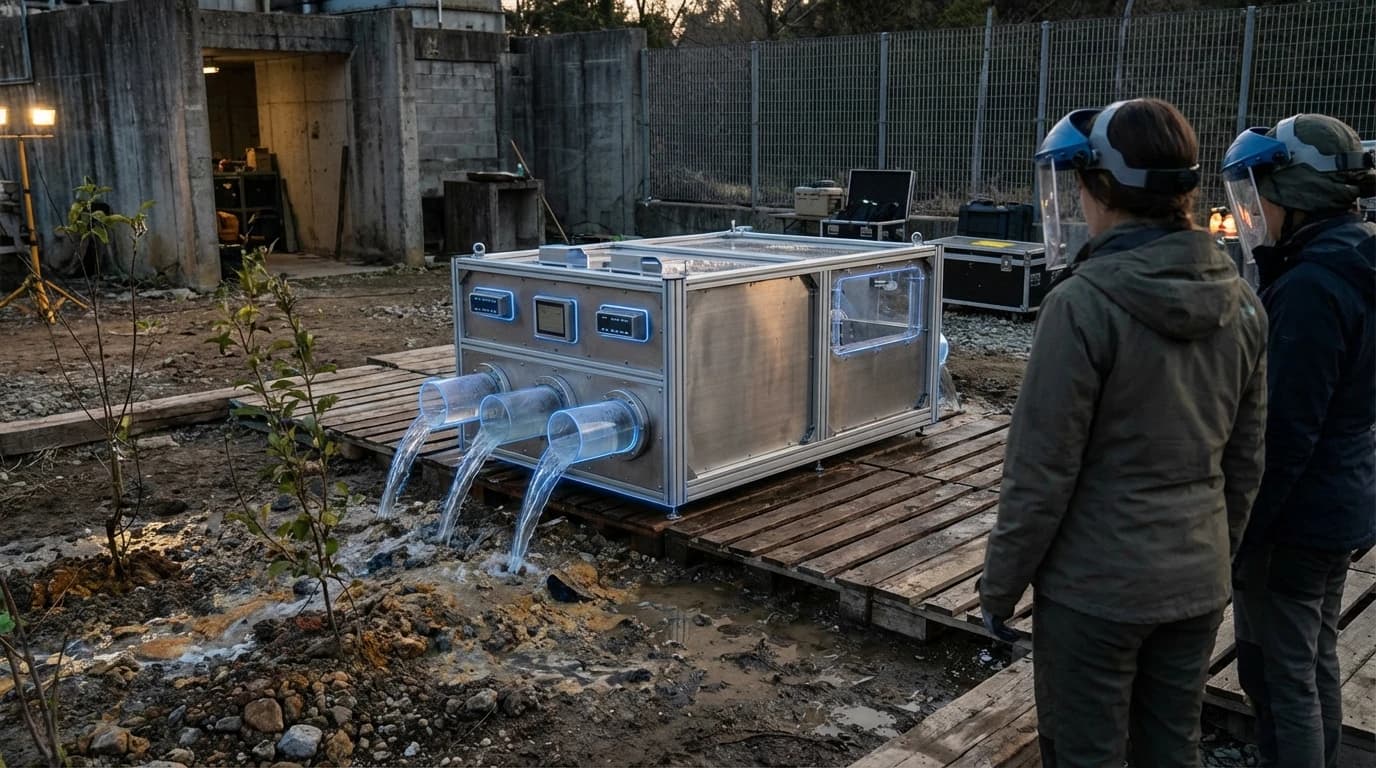
Synthetic ecosystem restoration represents a convergence of synthetic biology, ecological engineering, and environmental science to address the accelerating degradation of natural systems worldwide. At its foundation, this approach involves the deliberate design and deployment of genetically modified or entirely synthetic organisms—primarily microorganisms, algae, and plants—engineered to perform specific ecological functions that natural species cannot accomplish at the required speed or scale. These organisms are created using advanced genetic engineering techniques, including CRISPR gene editing, metabolic pathway redesign, and horizontal gene transfer, to express novel capabilities such as enhanced pollutant degradation, accelerated carbon sequestration, or improved nutrient cycling. The engineered organisms may incorporate genes from multiple species or entirely synthetic genetic circuits designed to respond to specific environmental triggers, ensuring they activate only under targeted conditions. This precision allows for the creation of biological tools that can break down persistent organic pollutants, remediate heavy metal contamination, restore nitrogen and phosphorus cycles in degraded agricultural lands, or establish pioneer vegetation in areas rendered barren by industrial activity or climate extremes.
The fundamental challenge this technology addresses is the inadequacy of natural recovery processes in the face of anthropogenic environmental damage occurring at unprecedented rates. Traditional ecological restoration methods—such as natural succession, manual reforestation, or passive bioremediation—often require decades or centuries to achieve meaningful results, timescales that are incompatible with the urgency of climate change and biodiversity loss. Synthetic ecosystem restoration offers the potential to compress these timelines dramatically, enabling the rehabilitation of contaminated industrial sites, the restoration of carbon-storing wetlands and forests, and the stabilization of soils in regions experiencing desertification. For industries facing stringent environmental regulations and remediation costs, these biological solutions present alternatives to expensive physical or chemical cleanup methods. Mining operations, for instance, could deploy engineered microbes to neutralize acid mine drainage or sequester heavy metals in situ, while agricultural sectors could introduce nitrogen-fixing bacteria designed to reduce dependency on synthetic fertilizers, thereby lowering both costs and greenhouse gas emissions associated with fertilizer production.
Current applications remain largely experimental, with pilot programs testing engineered microorganisms for oil spill remediation, plastic degradation in marine environments, and soil restoration in post-mining landscapes. Research institutions and environmental biotechnology firms are developing libraries of synthetic organisms tailored to specific pollutants and ecosystem types, though regulatory frameworks governing their release remain underdeveloped in most jurisdictions. Early deployments indicate that containment strategies—such as genetic kill switches that prevent engineered organisms from persisting beyond their intended function—are essential for managing ecological risks. As climate change intensifies pressure on natural systems and the costs of environmental degradation become economically untenable, synthetic ecosystem restoration is positioned to transition from controlled trials to broader implementation. This technology aligns with emerging paradigms in planetary stewardship that recognize the need for active intervention to maintain habitable conditions, representing a shift from preservation-focused conservation toward regenerative approaches that actively rebuild ecological resilience and functionality at landscape scales.
Conservation organization promoting the responsible use of biotechnologies (genetic rescue, de-extinction) to solve conservation challenges.
A de-extinction company working to restore the Woolly Mammoth to the Arctic to restore the steppe ecosystem.
A Ginkgo Bioworks spin-off dedicated to using engineered biology to degrade 'forever chemicals' (PFAS) and other pollutants.
A horizontal platform for cell programming that enables other companies to develop precision fermentation strains.
Synthetic biology company engineering microbes and algae to convert CO2 into feedstock for sustainable aviation fuel and other industrial chemicals.
Recycles carbon from industrial off-gases into sustainable fuels and chemicals using biological catalysts.

Novonesis
Denmark · Company
The merger of Novozymes and Chr. Hansen, a global biosolutions giant supplying enzymes and microbes for fermentation.
Builds a knowledge graph of global biodiversity to train AI models for protein design.
A biotechnology company that grows cement tiles using bacteria, eliminating the need for firing.
Published forecasts about this technology, graded against what happened in Hindsight.
Earth Engineering
This page is a narrower case of it.
Signals turns a topic into a sourced research record you can inspect and rerun. Your first scan is free, and this one starts with Synthetic Ecosystem Restoration already loaded, so edit it or scan as is.