








Gene resurrection
This page is a narrower case of it.
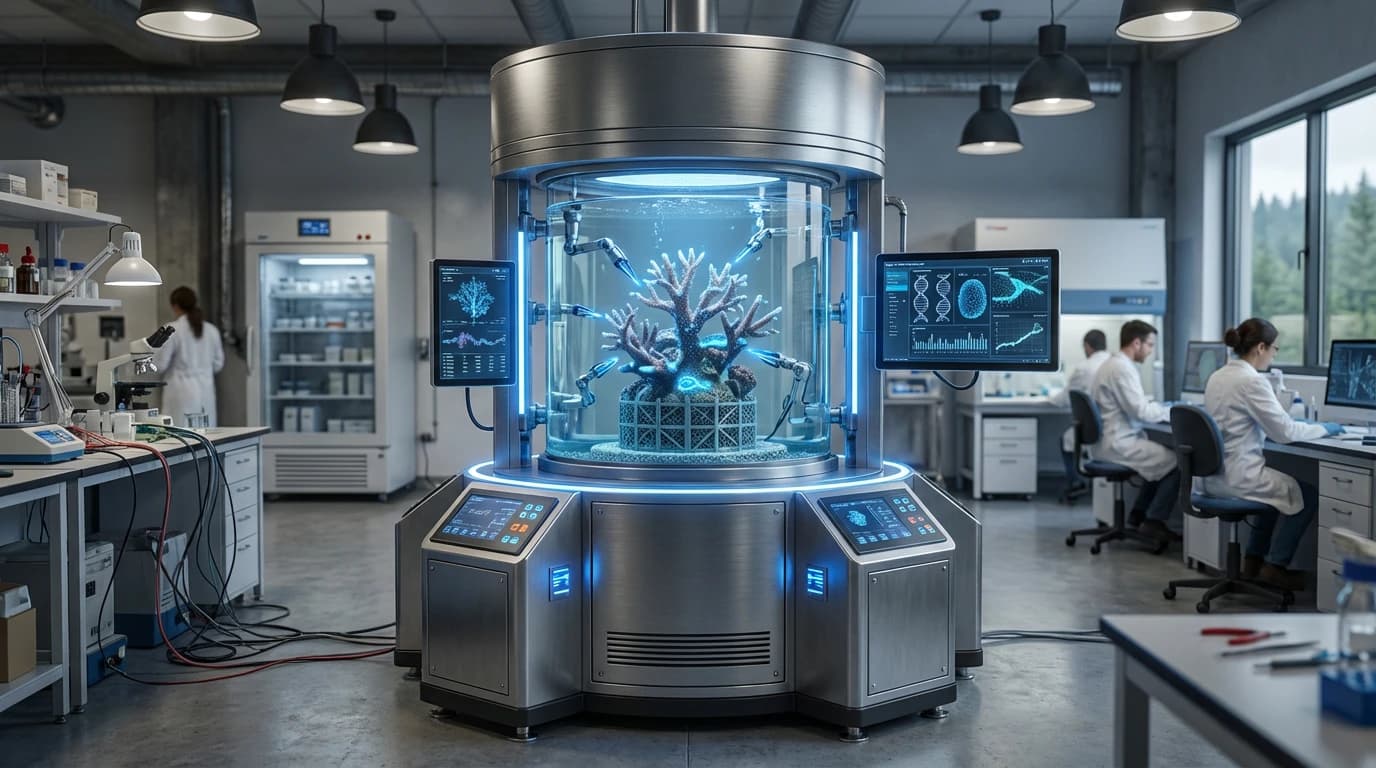
Genetic rescue and de-extinction represent a frontier in conservation biology where advanced biotechnological tools are deployed to address the accelerating loss of biodiversity. At the heart of these efforts lie three primary technical approaches: CRISPR gene editing, which allows scientists to modify the DNA of living organisms with unprecedented precision; somatic cell nuclear transfer (cloning), which can produce genetically identical organisms from preserved tissue samples; and synthetic genomics, which enables the reconstruction of entire genomes from fragmented ancient DNA sequences. The process typically begins with the recovery and sequencing of genetic material from extinct species preserved in museum specimens, permafrost, or amber. Researchers then use this genetic information either to edit the genomes of closely related living species—creating functional proxies that carry key traits of their extinct relatives—or to guide the development of embryos that can be gestated by surrogate host species. For endangered populations facing genetic bottlenecks, similar techniques allow scientists to reintroduce lost genetic variants, effectively broadening the gene pool and enhancing resilience against disease and environmental change.
The conservation challenges driving these interventions are profound and urgent. Ecosystems worldwide have been destabilised by the loss of keystone species—organisms whose presence is disproportionately important to ecosystem function. When these species disappear, cascading effects can trigger the collapse of entire ecological networks, from pollination systems to predator-prey relationships that regulate vegetation patterns. Traditional conservation methods, while valuable, often prove insufficient when species have already crossed critical population thresholds or when their genetic diversity has eroded to dangerous levels. Genetic rescue addresses this limitation by offering a pathway to restore not just population numbers but the genetic robustness necessary for long-term survival. De-extinction projects, meanwhile, propose an even more ambitious solution: the return of species that have already vanished, potentially restoring ecological functions that have been absent for decades or even millennia. These approaches also enable new conservation strategies, such as creating disease-resistant variants of threatened species or adapting populations to rapidly changing climates.
Several high-profile initiatives have moved from theoretical possibility to active research programs, though none have yet achieved full species resurrection. The woolly mammoth project, led by research teams working with Asian elephant genomes, aims to create cold-adapted elephants that could help restore Arctic grassland ecosystems and combat permafrost thaw. Efforts to revive the passenger pigeon focus on editing band-tailed pigeon DNA to recreate the ecological role this once-abundant bird played in North American forests. More immediately practical applications are already underway in genetic rescue programs for critically endangered species like the black-footed ferret and the northern white rhinoceros, where assisted reproductive technologies and genetic management are being deployed to prevent imminent extinction. As climate change accelerates and habitat loss continues, these biotechnological interventions represent a controversial but potentially transformative addition to the conservation toolkit, raising fundamental questions about humanity's relationship with nature and our responsibility to repair the ecological damage of the Anthropocene. The trajectory of this field will likely determine whether we can move beyond merely slowing biodiversity loss to actively reversing it, fundamentally reshaping conservation from a defensive holding action into a restorative practice.
A de-extinction company working to restore the Woolly Mammoth to the Arctic to restore the steppe ecosystem.
Conservation organization promoting the responsible use of biotechnologies (genetic rescue, de-extinction) to solve conservation challenges.
The Thylacine Integrated Genomic Restoration Research Lab focuses on the de-extinction of the Tasmanian Tiger.
Home to the 'Frozen Zoo', a repository of cell lines used for genetic rescue, including the successful cloning of Elizabeth Ann (ferret).
A biobanking charity dedicated to collecting and preserving the DNA and living cells of endangered animals.
Based at SUNY ESF, this project developed the transgenic 'Darling 58' American chestnut resistant to blight.
Commercial cloning company that provided the somatic cell nuclear transfer technology to clone the endangered Przewalski’s horse.
An initiative to breed back a bovine species resembling the extinct Aurochs to restore European ecosystems.
Published forecasts about this technology, graded against what happened in Hindsight.
Gene resurrection
This page is a narrower case of it.
Signals turns a topic into a sourced research record you can inspect and rerun. Your first scan is free, and this one starts with Genetic Rescue & De-Extinction already loaded, so edit it or scan as is.