




Neurorights Campaigns
Neuro-Rights Standards
Legal frameworks protecting mental privacy and cognitive liberty from neural data exploitation
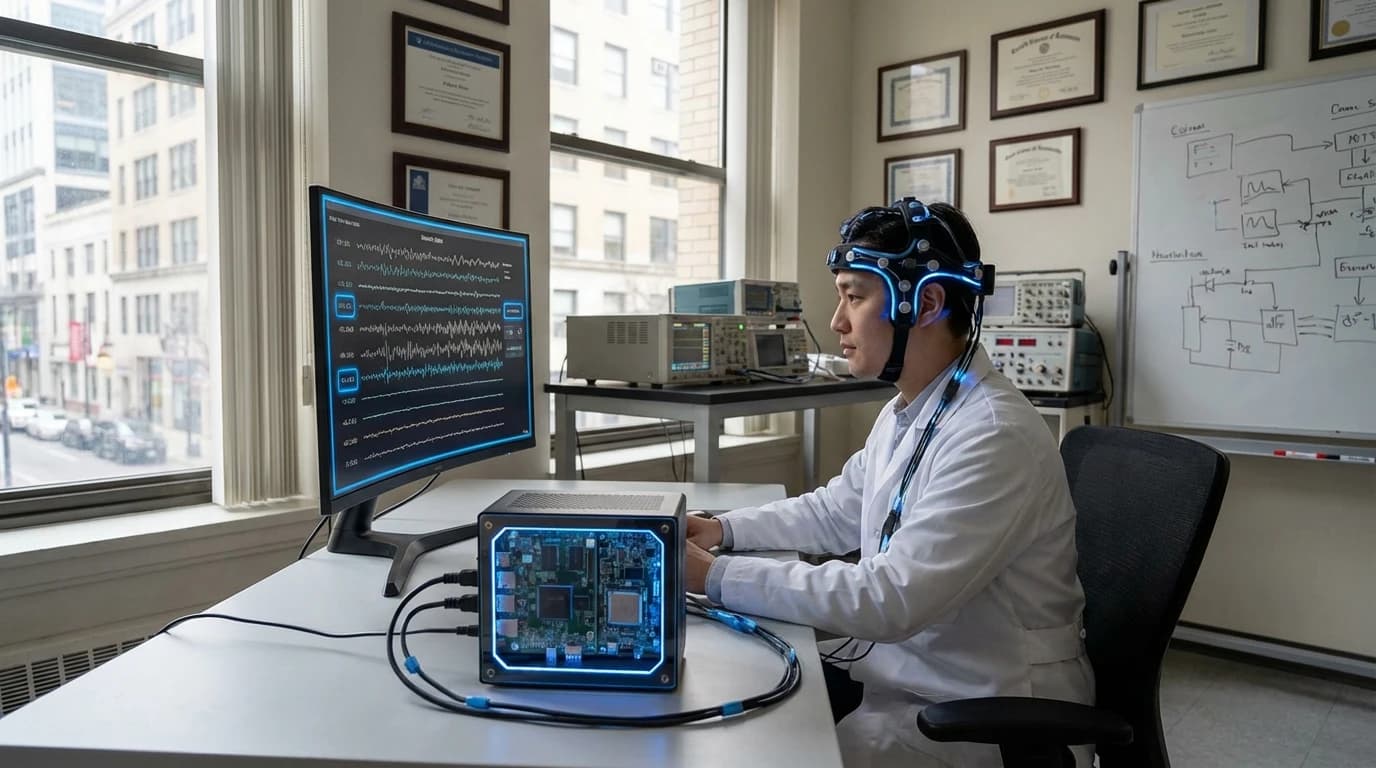
The rapid advancement of Brain-Computer Interfaces (BCIs) and neurotechnology has created an unprecedented challenge: the potential for direct access to human thoughts, emotions, and cognitive processes. Traditional privacy frameworks were designed for external data—communications, locations, financial transactions—but neural data represents something fundamentally different. It captures the electrical patterns of brain activity, which can potentially reveal not just what we choose to share, but our unspoken intentions, emotional states, subconscious biases, and even nascent thoughts before we're consciously aware of them. Neuro-rights standards emerge as a comprehensive response to this challenge, establishing both legal principles and technical requirements to protect what researchers increasingly call "cognitive liberty"—the right to mental self-determination and freedom from unwanted intrusion into one's neural processes. These frameworks typically encompass several core protections: mental privacy (preventing unauthorized access to neural data), mental integrity (protecting against manipulation or alteration of mental processes), psychological continuity (preserving personal identity), and cognitive liberty (ensuring freedom of thought). The technical mechanisms supporting these rights include mandatory end-to-end encryption of neural signals, strict data minimization protocols that limit collection to only essential information, and architectural requirements that keep raw neural data processing local to the device rather than transmitted to external servers.
The urgency of establishing these standards stems from the growing commercial and governmental interest in neurotechnology applications. Medical BCIs for treating paralysis or neurological conditions are expanding into consumer markets, with companies developing neural interfaces for gaming, productivity enhancement, and communication. Without robust protections, this technology could enable unprecedented forms of surveillance and manipulation—imagine employers monitoring workers' attention levels, advertisers detecting subconscious product preferences, or authoritarian regimes identifying dissent before it's even articulated. The challenge extends beyond privacy to questions of autonomy and human dignity: if neural data can be accessed, stored, and analysed by third parties, it fundamentally alters the relationship between individuals and institutions. Neuro-rights standards address these concerns by establishing clear boundaries around consent, requiring explicit opt-in for any neural data collection, and prohibiting certain uses entirely—such as using BCIs for lie detection in legal proceedings or employee screening. These frameworks also tackle the problem of data ownership, asserting that individuals maintain sovereignty over their neural information and can demand its deletion or transfer, similar to existing data protection regulations but with heightened protections given the intimate nature of brain data.
Several jurisdictions have begun implementing neuro-rights protections, with Chile becoming the first nation to enshrine neural rights in its constitution in 2021, followed by legislative efforts in Spain, Brazil, and various U.S. states. International organisations, including UNESCO and the OECD, have published guidelines recommending that nations adopt neuro-rights frameworks as neurotechnology becomes more widespread. Industry standards are also emerging, with some BCI manufacturers voluntarily adopting privacy-by-design principles and submitting to third-party audits of their neural data handling practices. Research institutions are developing technical standards for neural data anonymization and secure processing, though significant challenges remain—brain activity patterns can be as unique as fingerprints, making true anonymization difficult. As neurotechnology transitions from medical applications to consumer products and workplace tools, the establishment of robust neuro-rights standards becomes increasingly critical. These protections represent a proactive approach to technological governance, attempting to establish ethical boundaries before widespread adoption rather than responding to abuses after they occur. The trajectory suggests that neuro-rights will become a standard component of human rights frameworks globally, shaping how neurotechnology develops and ensuring that advances in brain science enhance rather than diminish human autonomy and dignity.
TRL
3/9Conceptual
Impact
4/5
Investment
3/5
Category
Ethics Security
Related Organizations
A human rights organization dedicated to establishing the legal and ethical protection of neural data.
Standards Body
A research initiative dedicated to developing human rights frameworks for neurotechnology.
Researcher
The UN agency responsible for the 'Recommendation on the Ethics of Artificial Intelligence'.
Standards Body
Produces 'Ethically Aligned Design' standards, addressing the legal and ethical implications of autonomous systems.
Standards Body
OECD
France · Government Agency
Adopted the 'Recommendation on Responsible Innovation in Neurotechnology' to guide governments and companies.
Standards Body

Council of Europe
France · Government Agency
Oversees the Oviedo Convention, the only international legally binding instrument prohibiting the use of genetic engineering on the human germline.
Standards Body
The UK's independent regulator for data rights, providing specific guidance on AI and data protection.
Standards Body
Danish institute researching the intersection of emerging tech and human rights, including biometric and neural data.
Researcher
What was expected
Published forecasts about this technology, graded against what happened in Hindsight.
Supporting Evidence
Evidence data is not available for this technology yet.
Research this in Signals
Scan Neuro-Rights Standards for yourself.
Signals turns a topic into a sourced research record you can inspect and rerun. Your first scan is free, and this one starts with Neuro-Rights Standards already loaded, so edit it or scan as is.