Global Biosecurity Commons
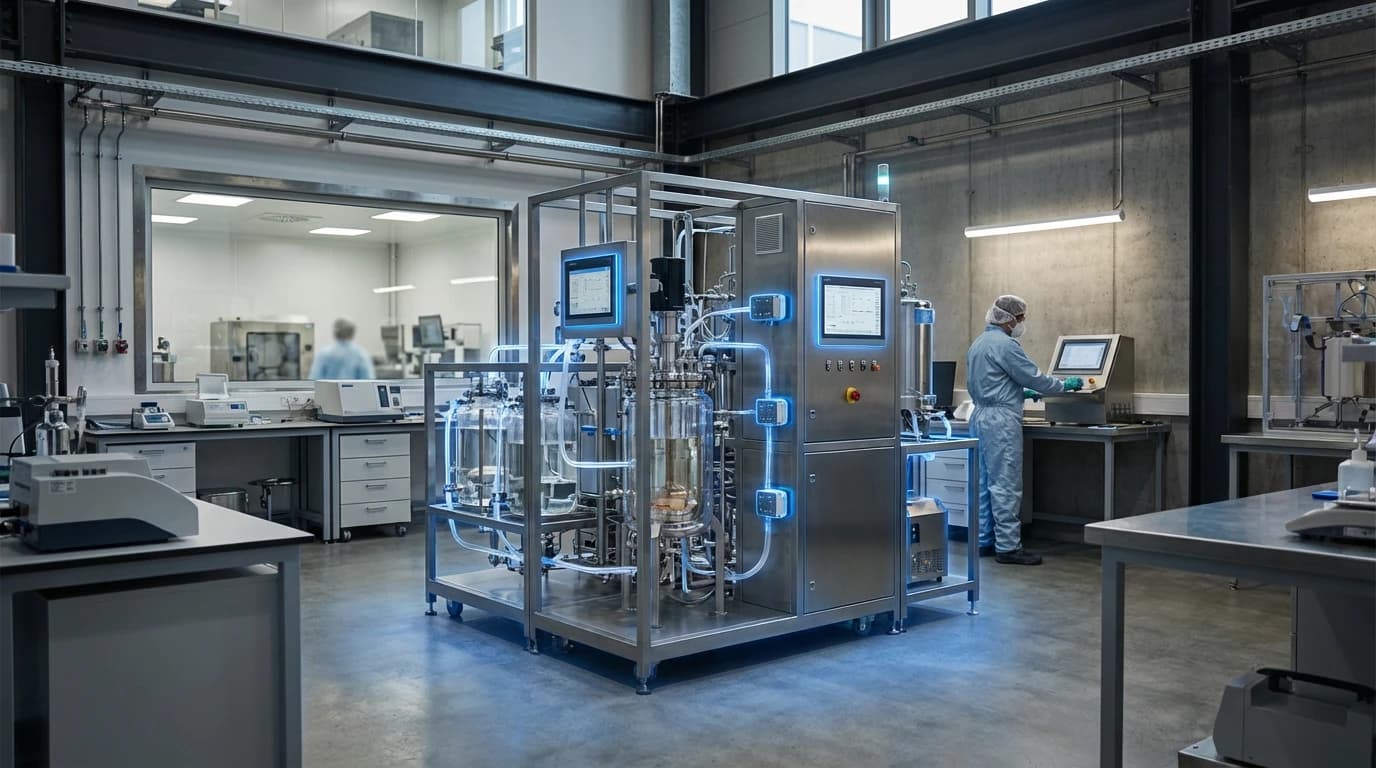
The Global Biosecurity Commons represents an emerging international architecture designed to address the growing challenges posed by advances in biotechnology and synthetic biology. As gene-editing tools become more accessible and DNA synthesis costs continue to decline, the potential for both accidental releases and deliberate misuse of biological agents has increased substantially. Traditional biosecurity approaches, which rely primarily on national-level regulations and bilateral agreements, struggle to keep pace with a field where knowledge and capabilities diffuse rapidly across borders. The Global Biosecurity Commons seeks to establish shared governance structures, standardised protocols, and interconnected infrastructure that enable coordinated oversight of high-consequence biological research and development. This includes harmonised laboratory safety standards, common frameworks for evaluating dual-use research, and mechanisms for screening DNA synthesis orders against databases of known pathogens and toxins.
The fundamental challenge this framework addresses is the profound asymmetry in biosafety capacity between nations and institutions. While well-resourced laboratories in developed countries may maintain rigorous containment protocols and screening systems, many facilities worldwide lack the technical expertise, equipment, or regulatory frameworks to adequately manage biological risks. This creates vulnerabilities that can affect the entire global community, as infectious agents respect no borders. The Global Biosecurity Commons aims to level this playing field by providing shared resources, technical assistance, and standardised protocols that raise the baseline of biosafety worldwide. It also tackles the coordination problem inherent in biological incident response, where delays in information sharing or lack of trust between nations can allow outbreaks to spread unchecked. By establishing pre-agreed communication channels, data-sharing protocols, and mutual assistance mechanisms, this commons infrastructure enables faster, more effective responses to emerging biological threats.
Early implementations of this concept can be seen in initiatives such as the International Gene Synthesis Consortium's screening protocols and the World Health Organization's efforts to strengthen laboratory networks in developing regions. Research institutions and biotechnology companies are increasingly recognising that shared biosecurity standards serve their collective interests by reducing systemic risks and maintaining public trust in the field. Looking forward, the maturation of this commons will likely involve the development of real-time pathogen surveillance networks, automated screening systems integrated into DNA synthesis workflows, and potentially binding international agreements on high-risk research oversight. As synthetic biology capabilities continue to advance and become more democratised, the need for robust, globally coordinated biosecurity infrastructure will only intensify, making the Global Biosecurity Commons an essential component of civilisational resilience in an age of powerful biological technologies.
Related Organizations

An independent organization dedicated to reducing emerging biological risks by building practical tools and verification systems for DNA synthesis screening.

A facility to enhance the rapid sharing of viruses and other pathogens between laboratories and partners globally.

Industry trade association comprising the world's leading gene synthesis companies to promote biosecurity.

A research group at MIT Media Lab developing evolutionary engineering and responsive science to ensure bio-technologies are open and safe.

A research organization focused on mitigating catastrophic biological risks through policy development and technical research.

A nonprofit analyzing systemic risks, with a specific institute (Nolan Center) dedicated to the future of biological risks and governance.

A horizontal platform for cell programming that enables other companies to develop precision fermentation strains.

A synthetic biology company that manufactures synthetic DNA based on a silicon platform.
Supporting Evidence
Research this in Signals
Signals turns a topic into a sourced research record you can inspect and rerun. Your first scan is free, and this one starts with Global Biosecurity Commons already loaded, so edit it or scan as is.