Cultural Heritage Preservation AI
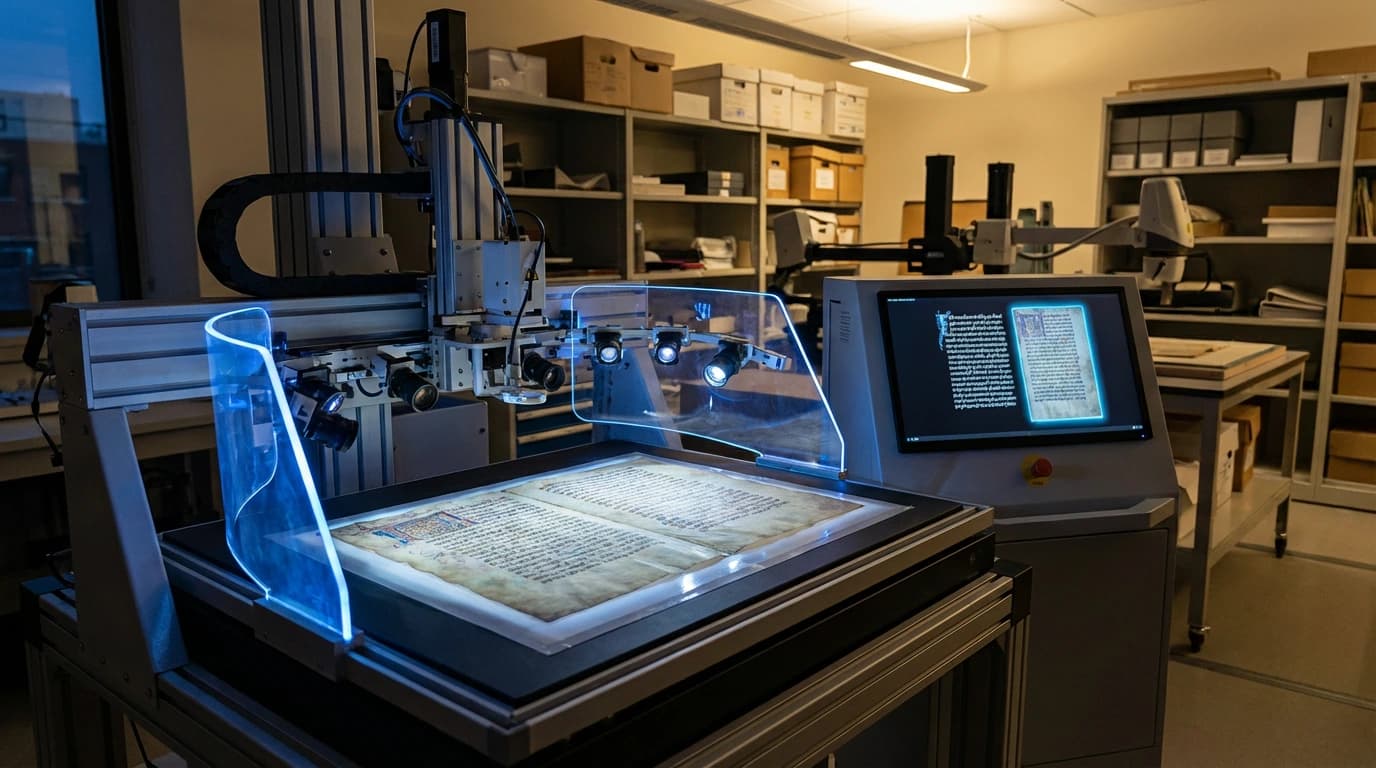
Cultural Heritage Preservation AI represents a sophisticated convergence of artificial intelligence, natural language processing, computer vision, and 3D scanning technologies designed to safeguard the world's most vulnerable cultural assets. These systems employ advanced machine learning algorithms to process and digitize endangered languages, oral traditions, physical artifacts, and traditional knowledge systems that face existential threats from climate displacement, armed conflict, rapid urbanization, and generational discontinuity. The technical architecture typically combines speech recognition models trained on low-resource languages, photogrammetry and LiDAR scanning for artifact reconstruction, and knowledge graph frameworks that capture the complex relationships between cultural practices, objects, and narratives. By creating high-fidelity digital twins of cultural materials—from ceremonial objects to pronunciation patterns in dying languages—these AI systems generate preservation records that can survive even when original communities are scattered or physical artifacts are destroyed.
The urgency driving adoption of these technologies stems from the accelerating pace of cultural loss worldwide. Research suggests that approximately one language disappears every two weeks, taking with it irreplaceable knowledge about medicinal practices, ecological relationships, and unique worldviews. Traditional preservation methods, which rely on manual documentation by anthropologists and archivists, cannot scale to meet the magnitude of this crisis. Cultural Heritage Preservation AI addresses this gap by automating labor-intensive processes such as transcription, translation, and cataloging, while simultaneously making these materials searchable and accessible in ways that physical archives never could. For indigenous communities facing displacement due to rising sea levels or desertification, these systems offer a means to maintain connection with ancestral knowledge even when physical return becomes impossible. Museums and cultural institutions are increasingly deploying these tools to democratize access to collections, allowing diaspora communities to engage with their heritage remotely and enabling educational applications that bring historical contexts to life.
Early deployments indicate promising pathways for both emergency response and long-term stewardship. Several pilot programs have focused on documenting languages spoken by fewer than a thousand people, creating interactive learning platforms that younger generations can use to reclaim linguistic heritage. In conflict zones, rapid-deployment scanning teams have digitized archaeological sites and museum collections before their destruction, preserving three-dimensional records that inform future reconstruction efforts. The technology also supports living cultures by creating augmented reality experiences that overlay traditional stories onto contemporary landscapes, helping urban indigenous youth understand their connection to ancestral territories. As climate migration intensifies and urbanization continues to reshape traditional societies, Cultural Heritage Preservation AI will likely become essential infrastructure for maintaining cultural continuity. The convergence of this technology with virtual reality platforms and decentralized storage systems points toward a future where cultural knowledge exists in resilient, distributed networks—ensuring that even in the face of catastrophic loss, the wisdom, artistry, and identity of human communities endure for generations yet unborn.
Related Organizations

French startup specializing in the digitization of endangered cultural heritage sites using drones and 3D photogrammetry.

A nonprofit dedicated to digitally recording, archiving, and sharing the world's most significant cultural heritage sites.

Platform providing virtual tours of museums, heritage sites, and landmarks using Street View technology.
Organization dedicated to the digital preservation of art and artifacts, developing custom high-res scanners.

Developers of the Gemini family of models, which are trained from the start to be multimodal across text, images, video, and audio.

World's largest museum complex, actively digitizing collections for virtual tours.

Developers of Unreal Engine 5, which features Lumen, a fully dynamic global illumination and reflection system designed for next-gen consoles and PC.

Hosts the 'Internet Arcade' and massive collections of abandonware, utilizing browser-based emulation (Emularity) to keep software accessible.

The UN agency responsible for the 'Recommendation on the Ethics of Artificial Intelligence'.
Supporting Evidence
Research this in Signals
Signals turns a topic into a sourced research record you can inspect and rerun. Your first scan is free, and this one starts with Cultural Heritage Preservation AI already loaded, so edit it or scan as is.