Tracking signals shaping the future of entertainment and streaming — content-production systems, distribution technologies, interaction formats, and streaming ecosystems.
Technologies
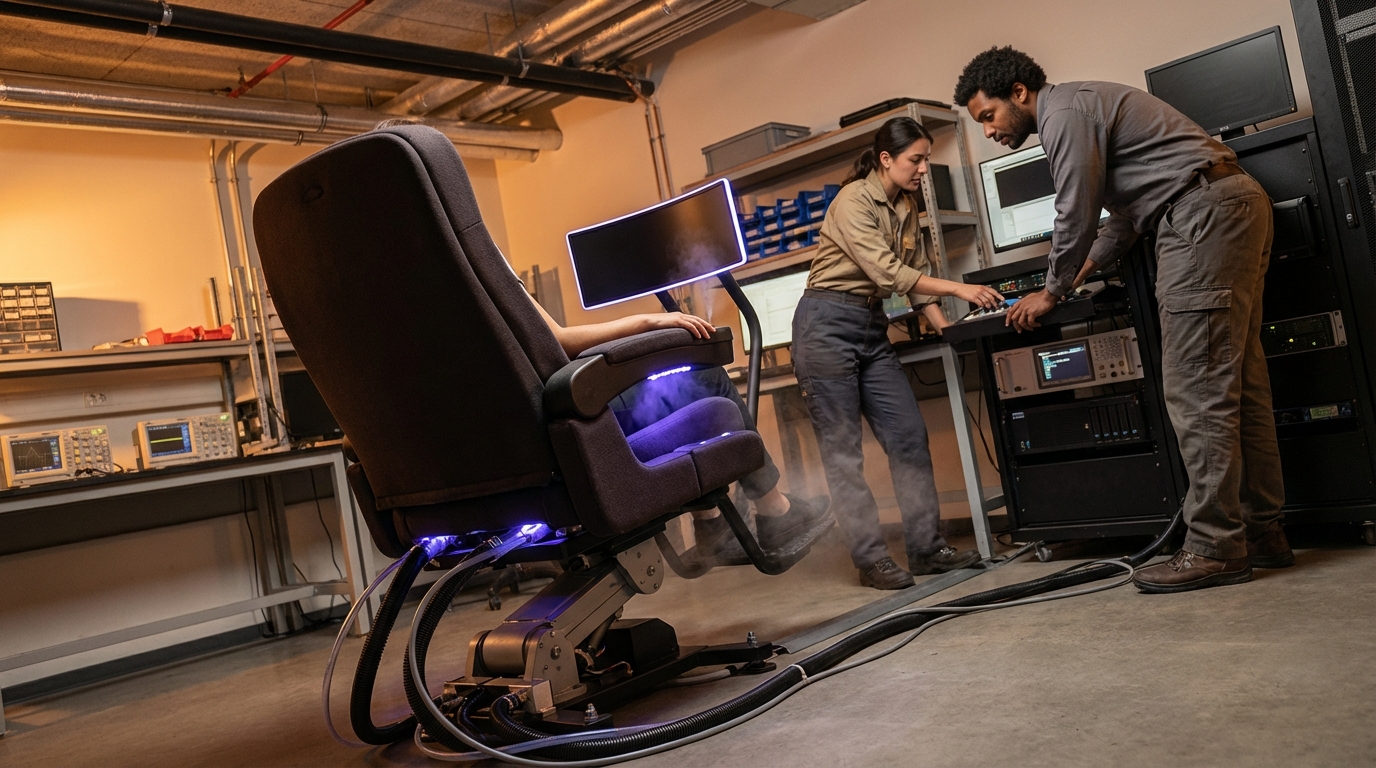
Cinema with synchronized motion seats, scent, mist, and environmental effects
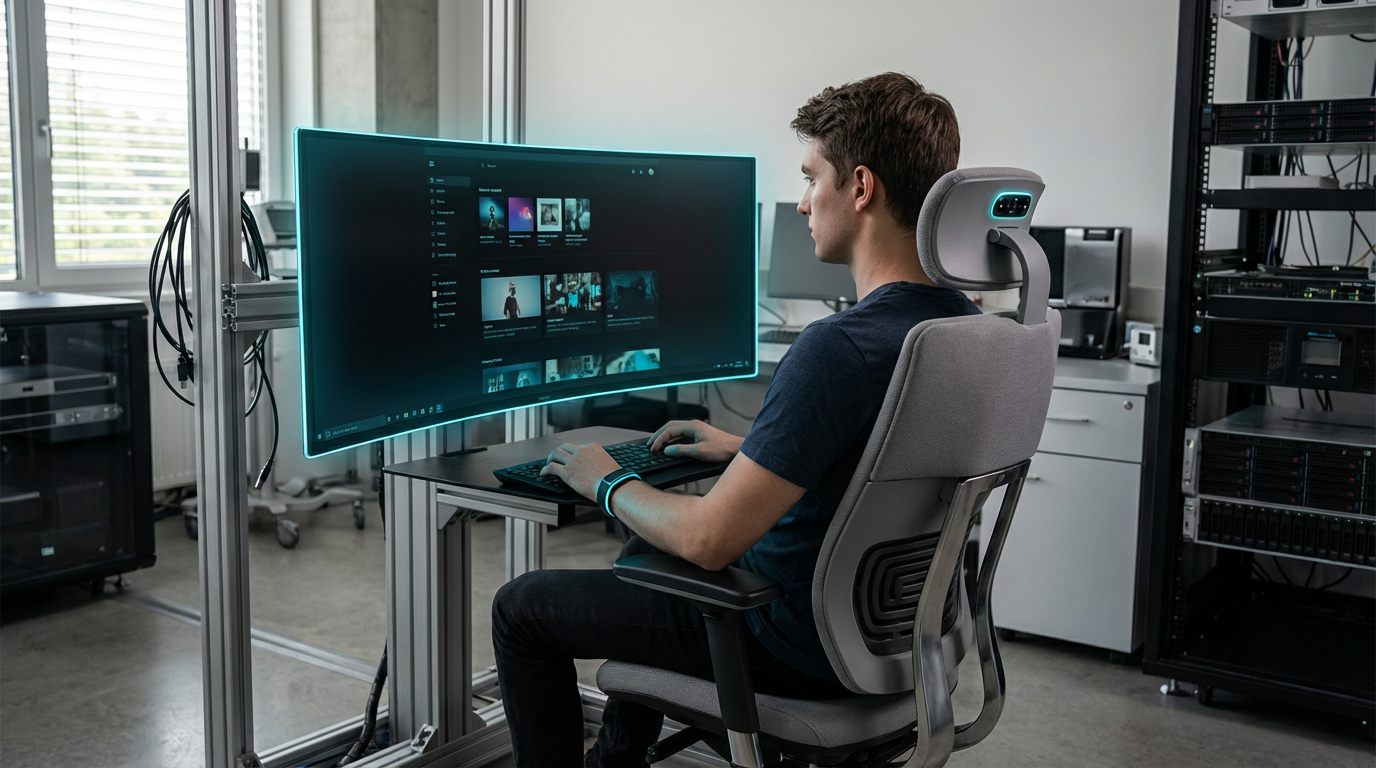
AI that adjusts streaming content in real-time using biometric and behavioral feedback

AI-driven systems that analyze and filter streaming content based on real-time context and viewer age
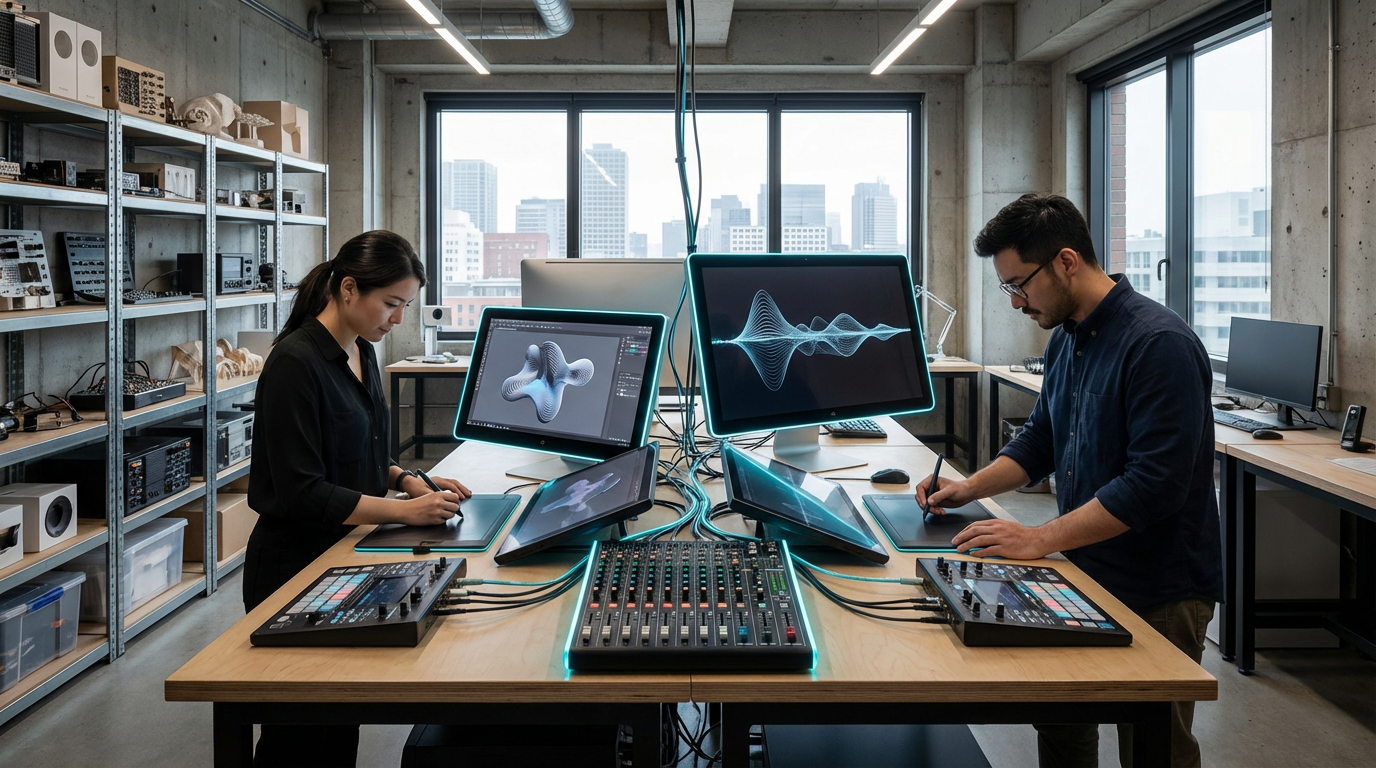
Collaborative platforms where human creators and AI systems work together to produce content
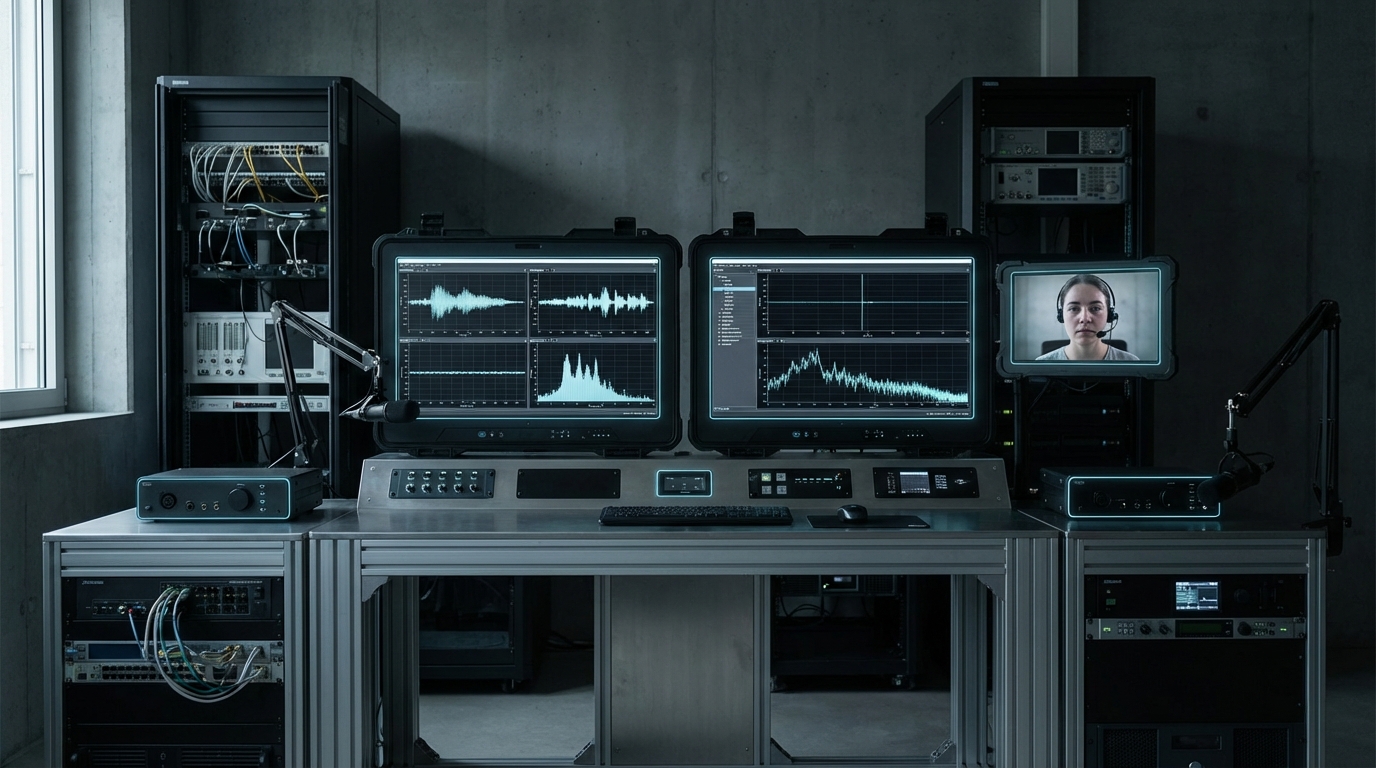
Neural translation, voice cloning, and lip-sync automation for multilingual content distribution
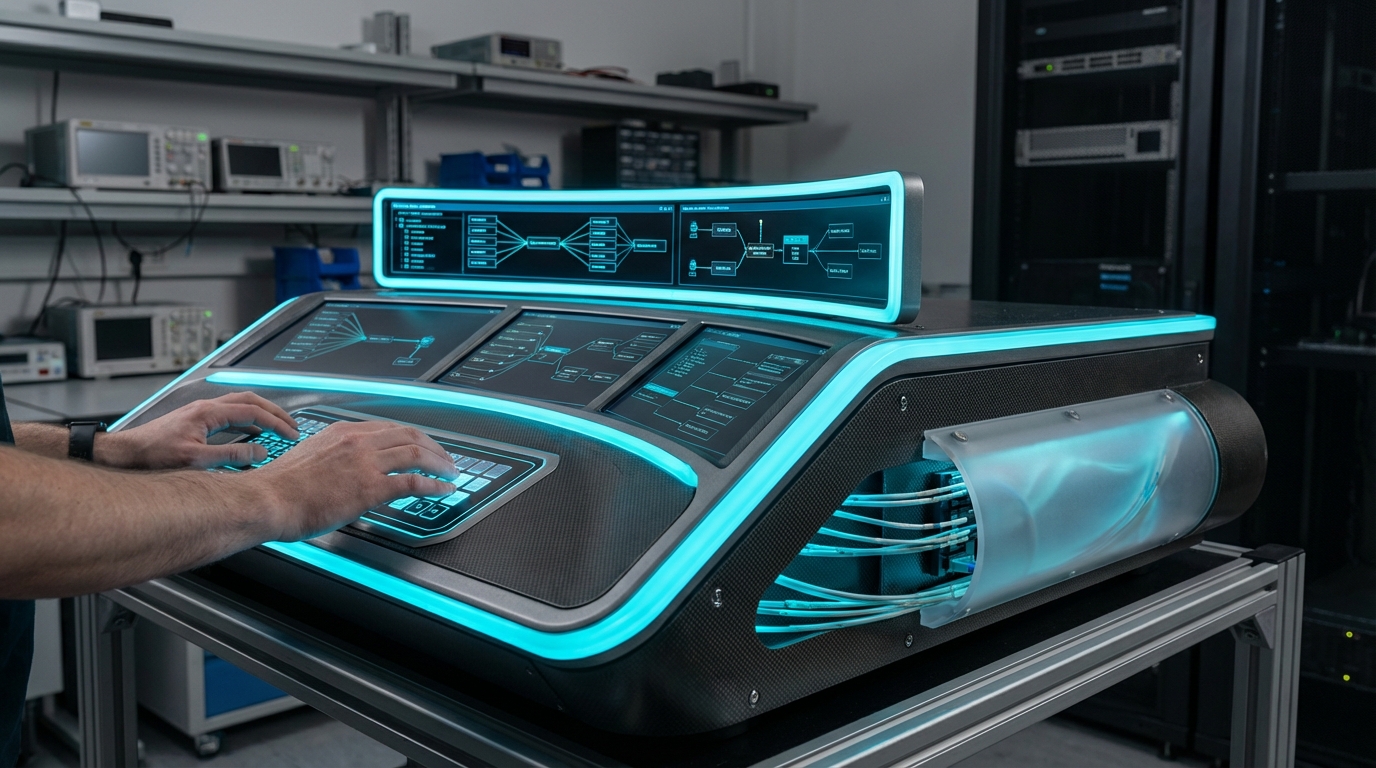
Methods to inspect and verify how streaming platforms decide what content to recommend

Systems that monitor viewing habits and moderate content exposure to protect user attention and emotional health

Distributed ledgers that track content ownership, licensing, and automate royalty payments

Direct neural control of games and media through brain signal detection
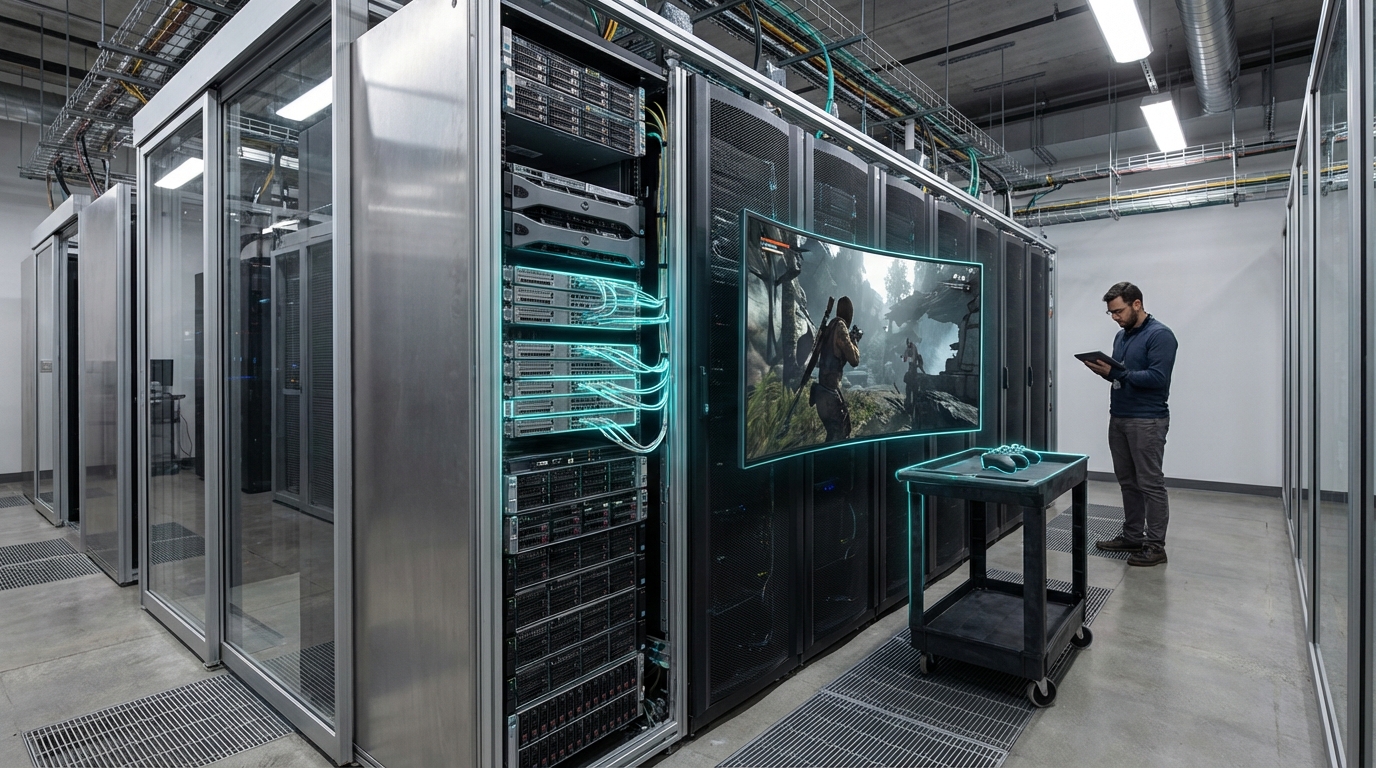
Running games and apps on remote servers, streamed to any device with minimal lag
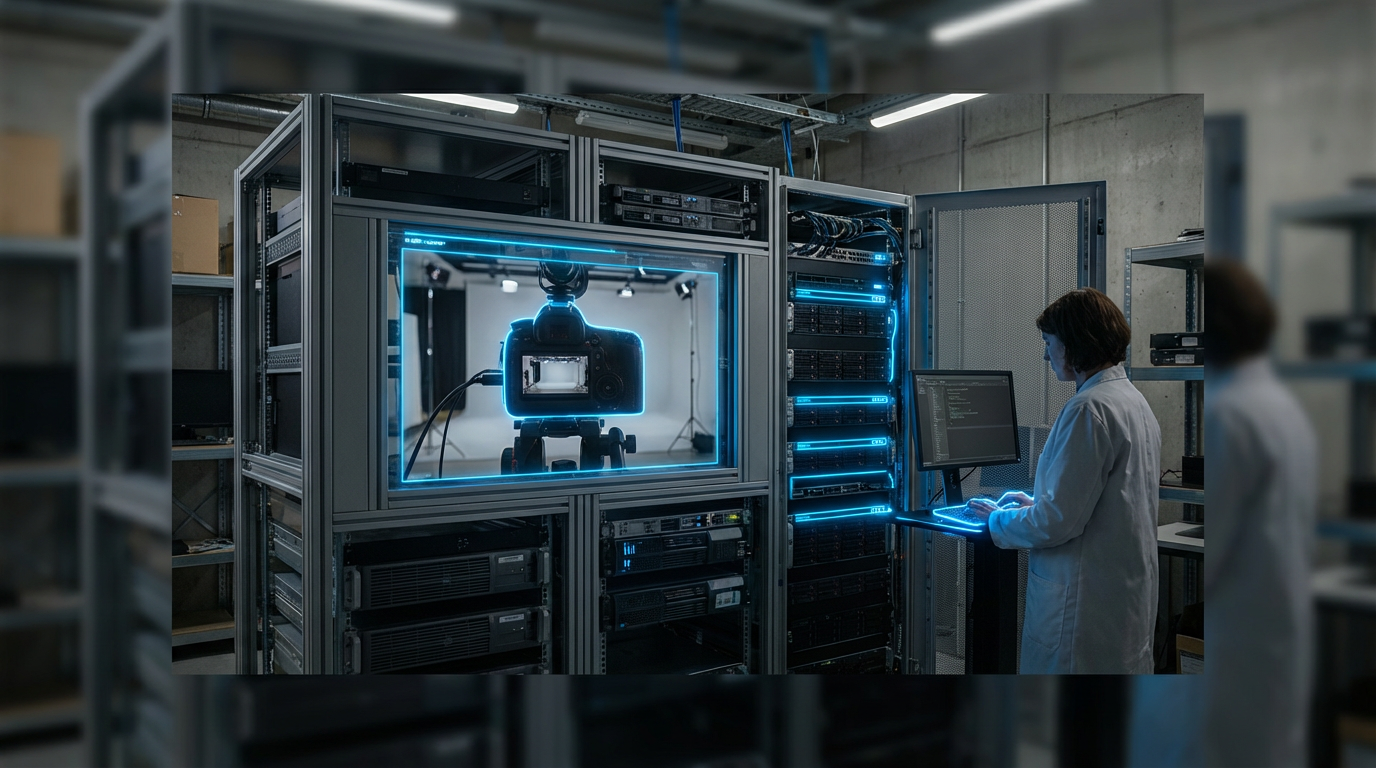
Cryptographic metadata that tracks digital media from creation through every edit
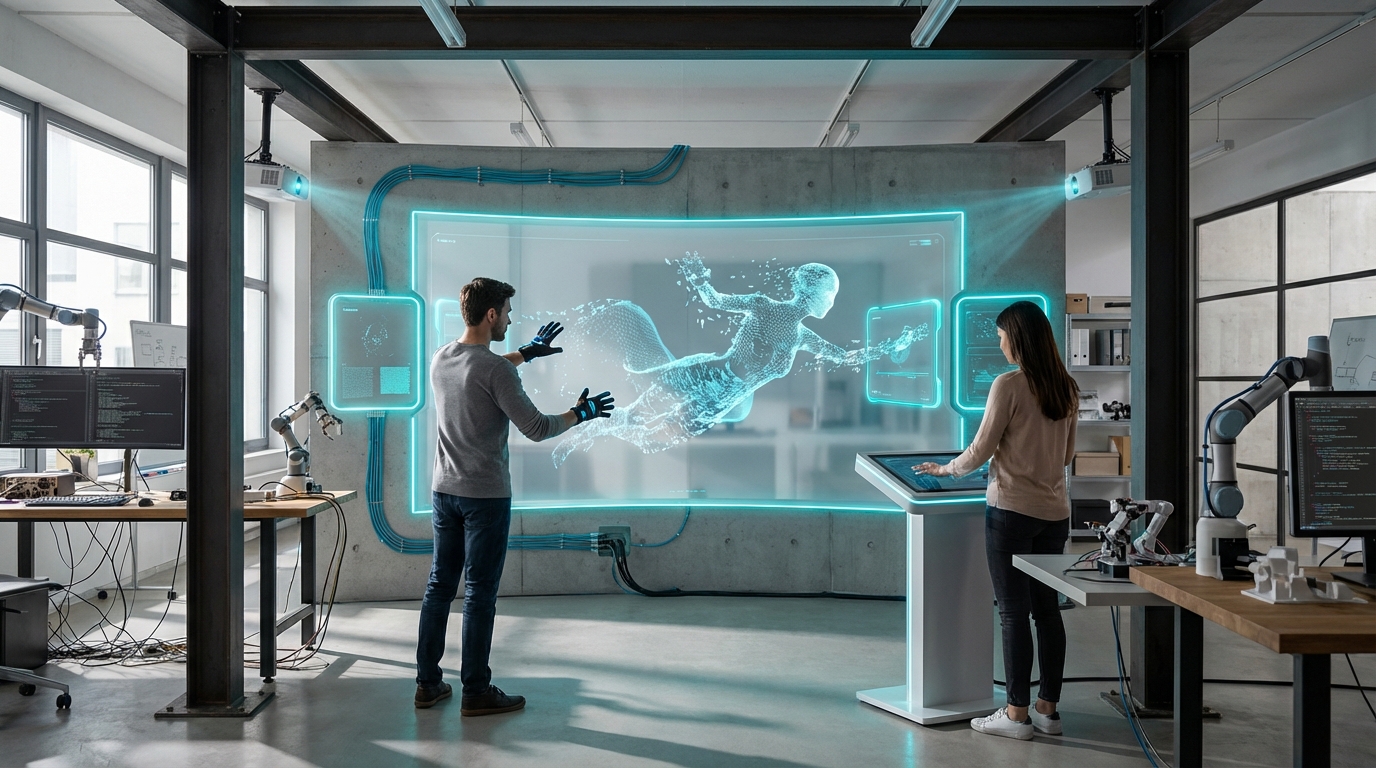
Unified digital identities and avatars that persist across multiple platforms and services
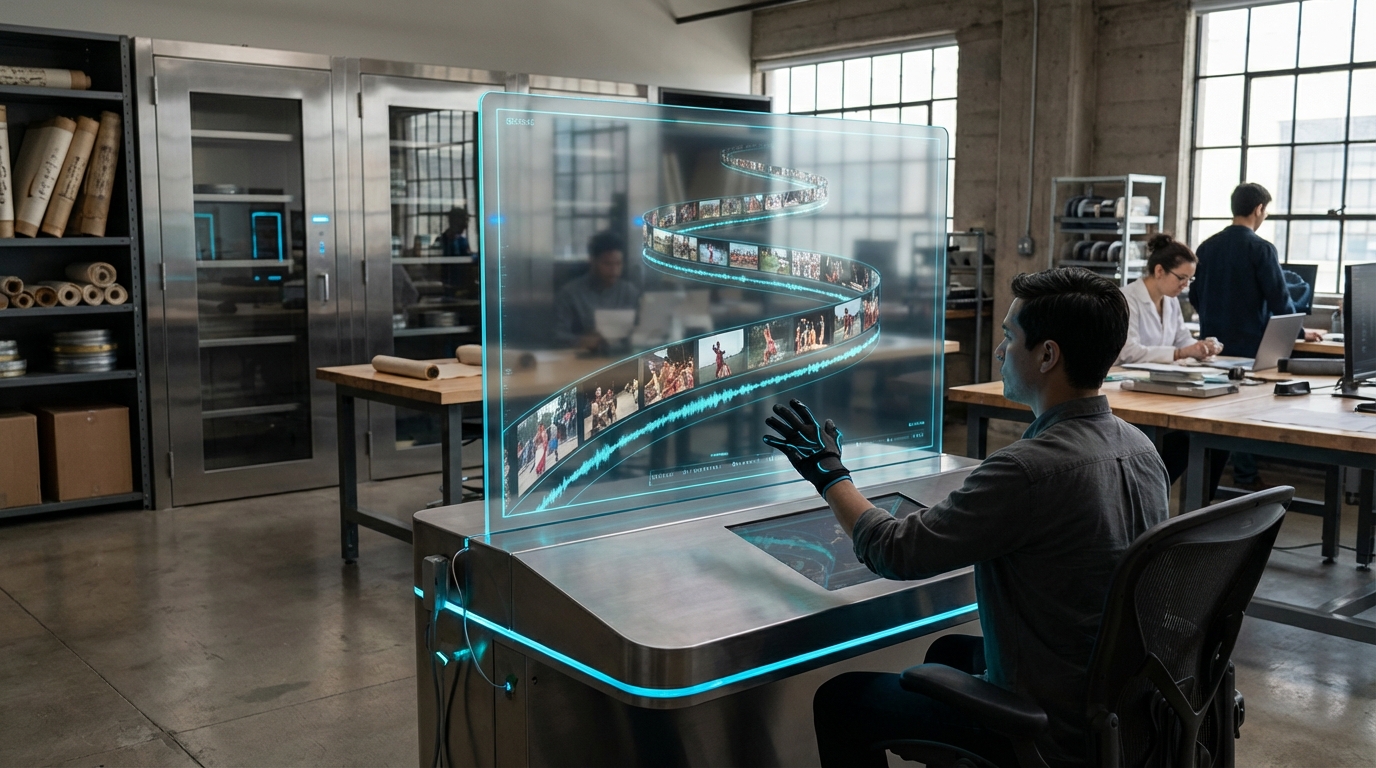
Digital repositories protecting endangered media, oral histories, and indigenous storytelling traditions

Peer-to-peer networks that distribute video content without centralized servers
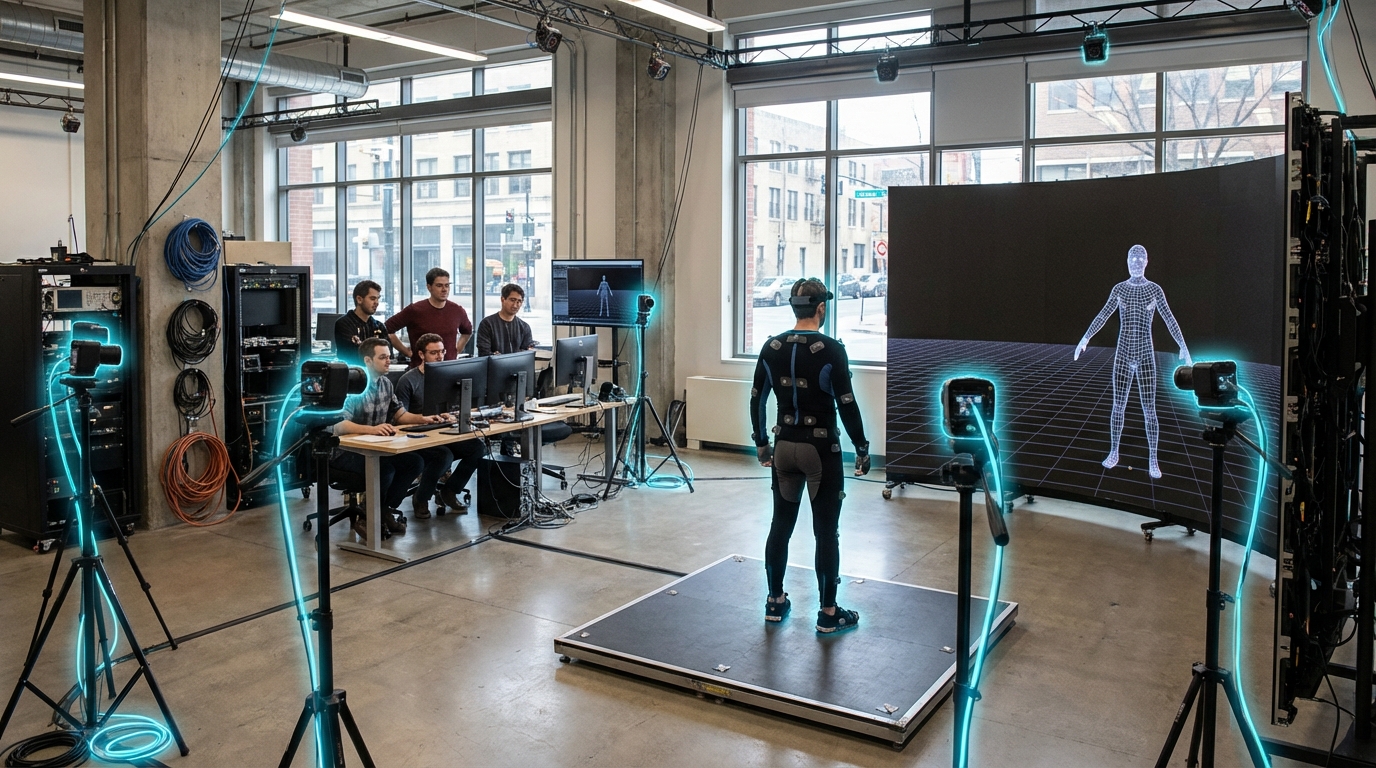
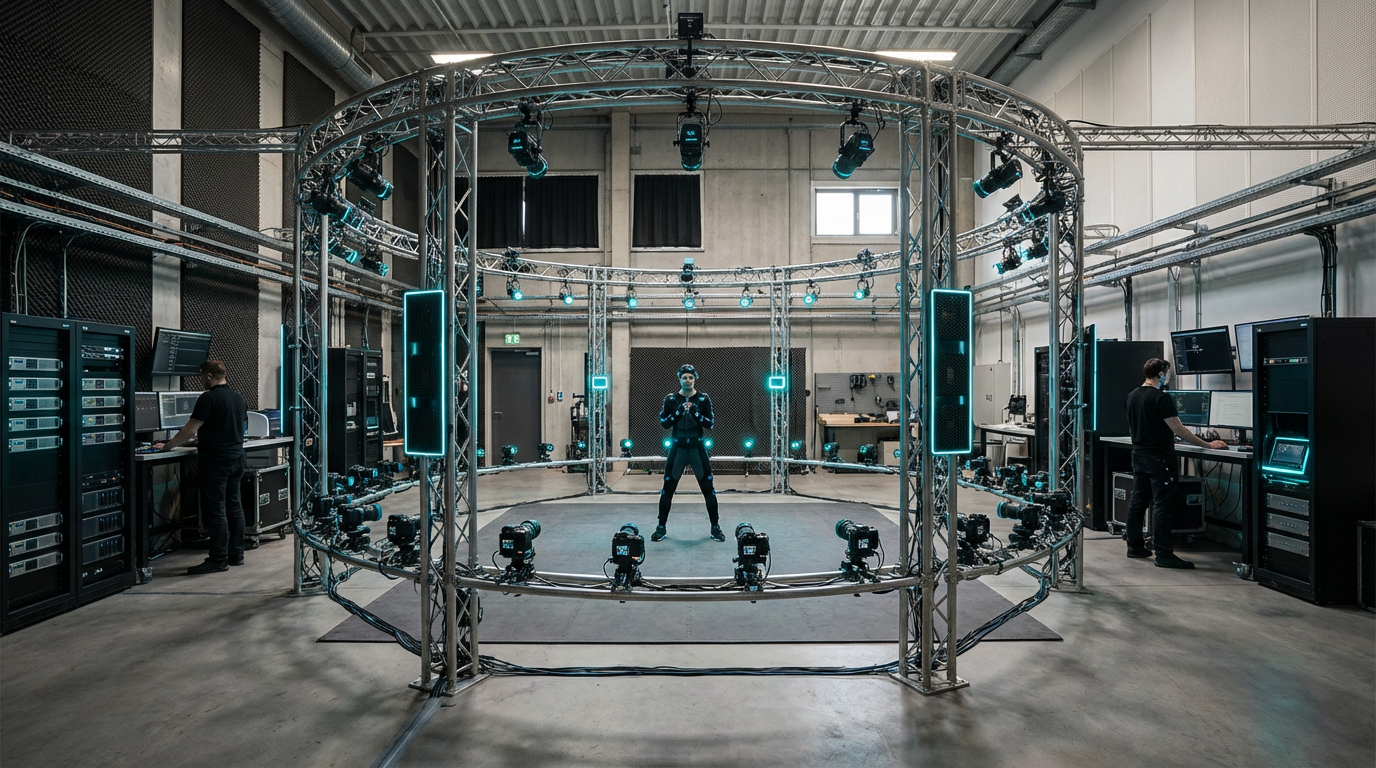
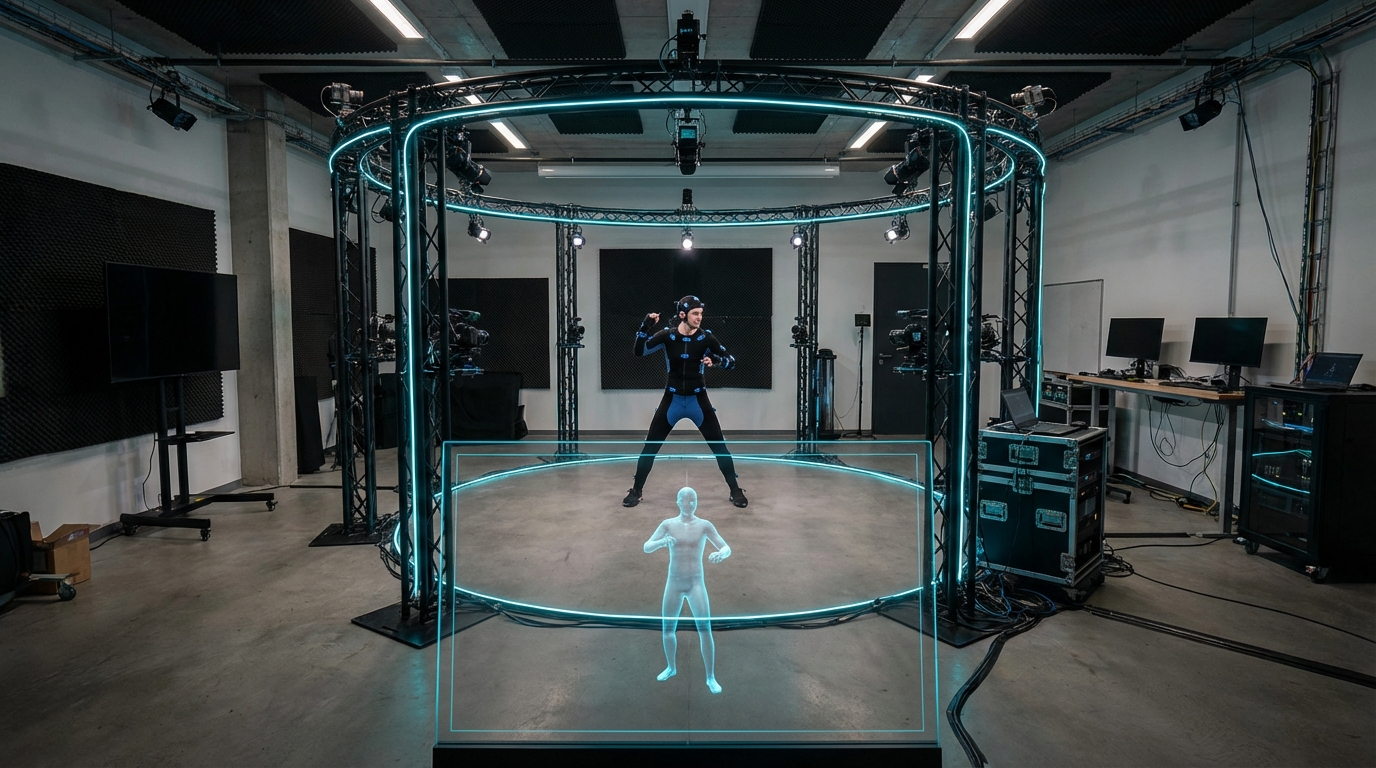
Real-time pipelines creating photorealistic virtual actors from motion capture and AI
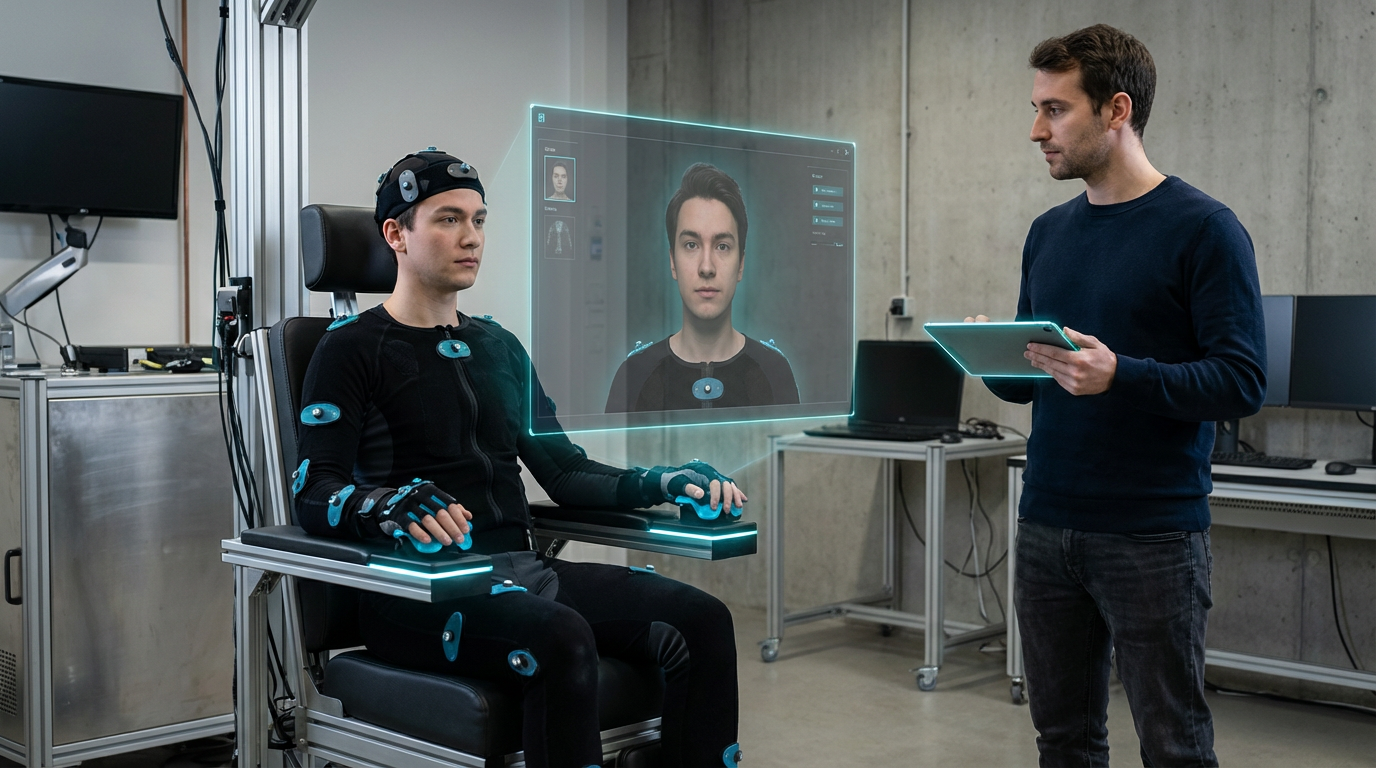
Legal frameworks protecting individuals' control over AI-generated replicas of their appearance and voice

Distributed servers at network edge that process and deliver streaming content closer to viewers
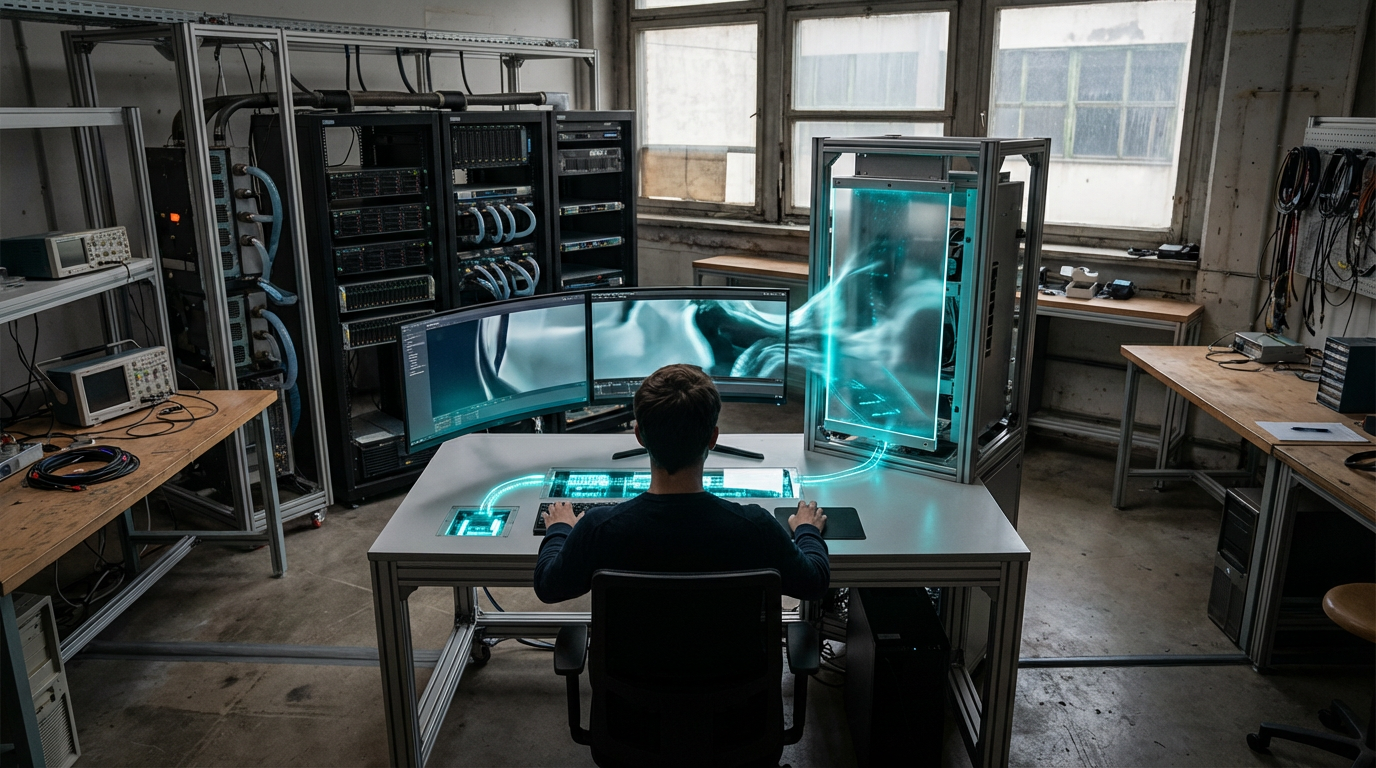
AI systems that generate video content from text descriptions using deep learning

Payment systems designed to reduce fees and barriers for creators in developing regions

Platforms that distribute region-specific stories globally using AI translation and cultural adaptation
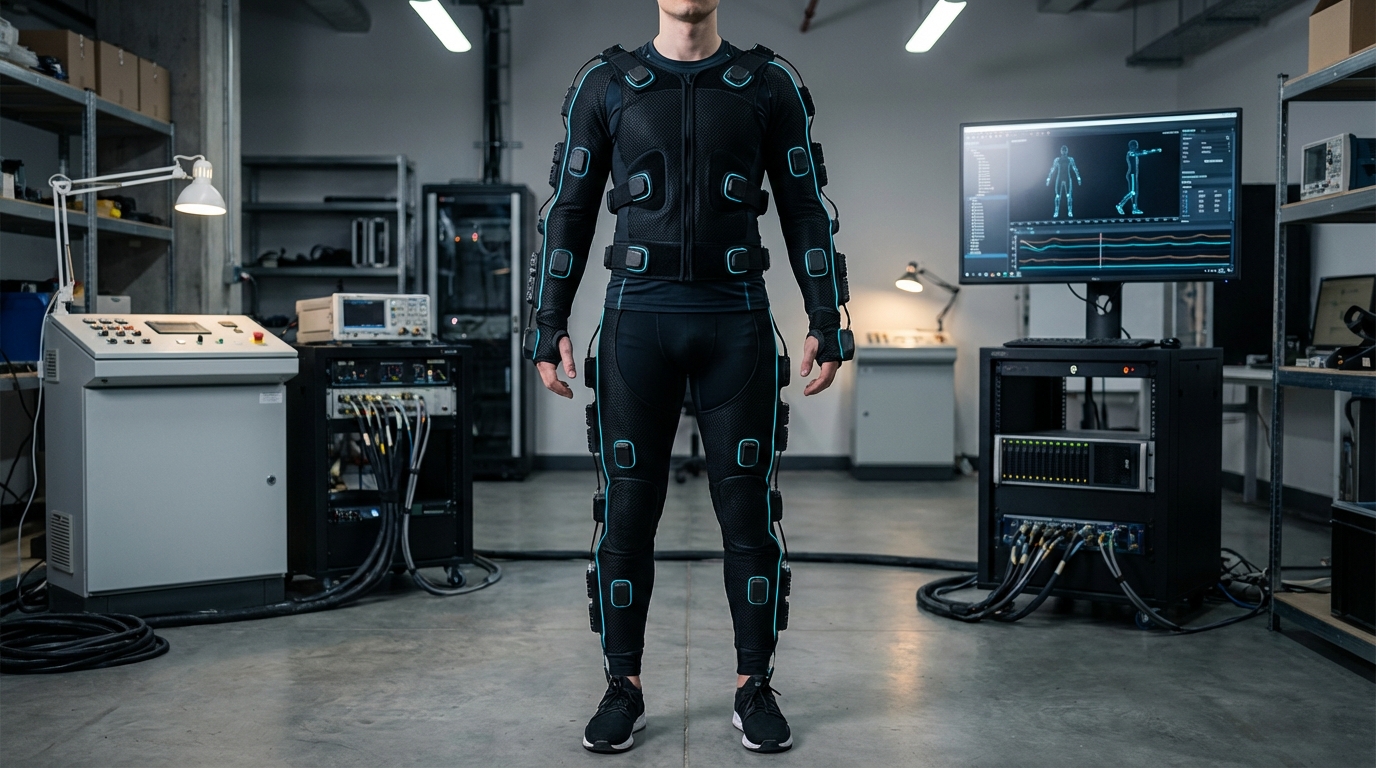
Wearable systems that translate digital experiences into full-body physical sensations
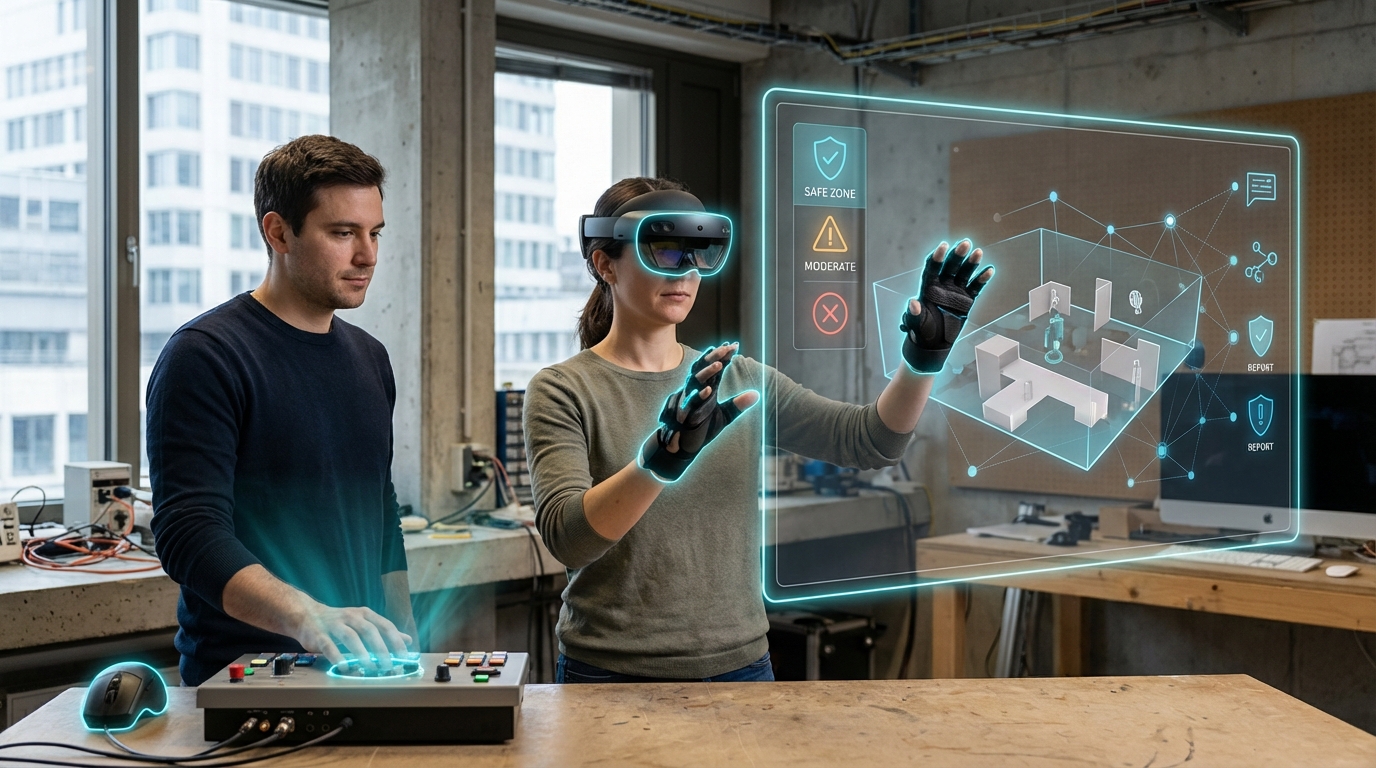
Safety controls and moderation tools designed for shared virtual and augmented reality environments
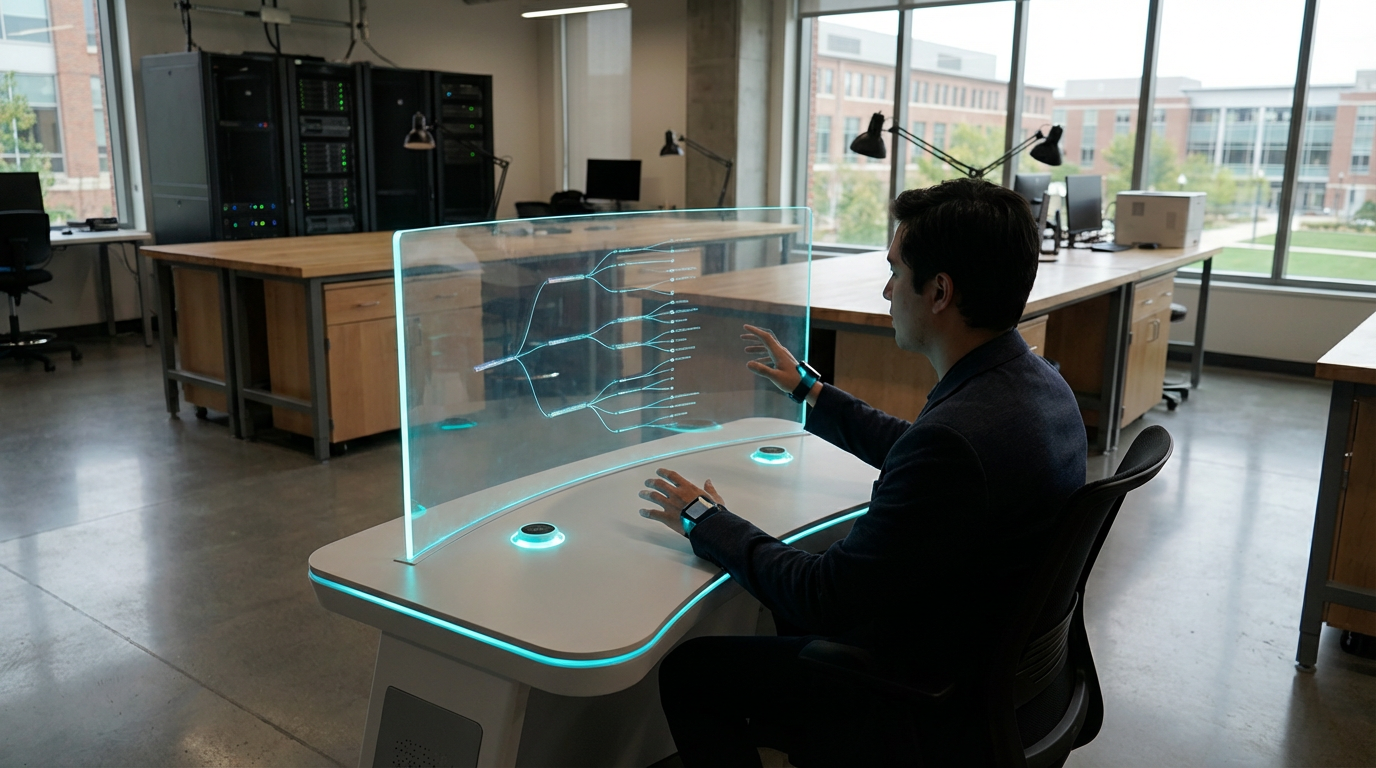
AI systems that generate and adapt storylines in real-time based on user choices and interactions
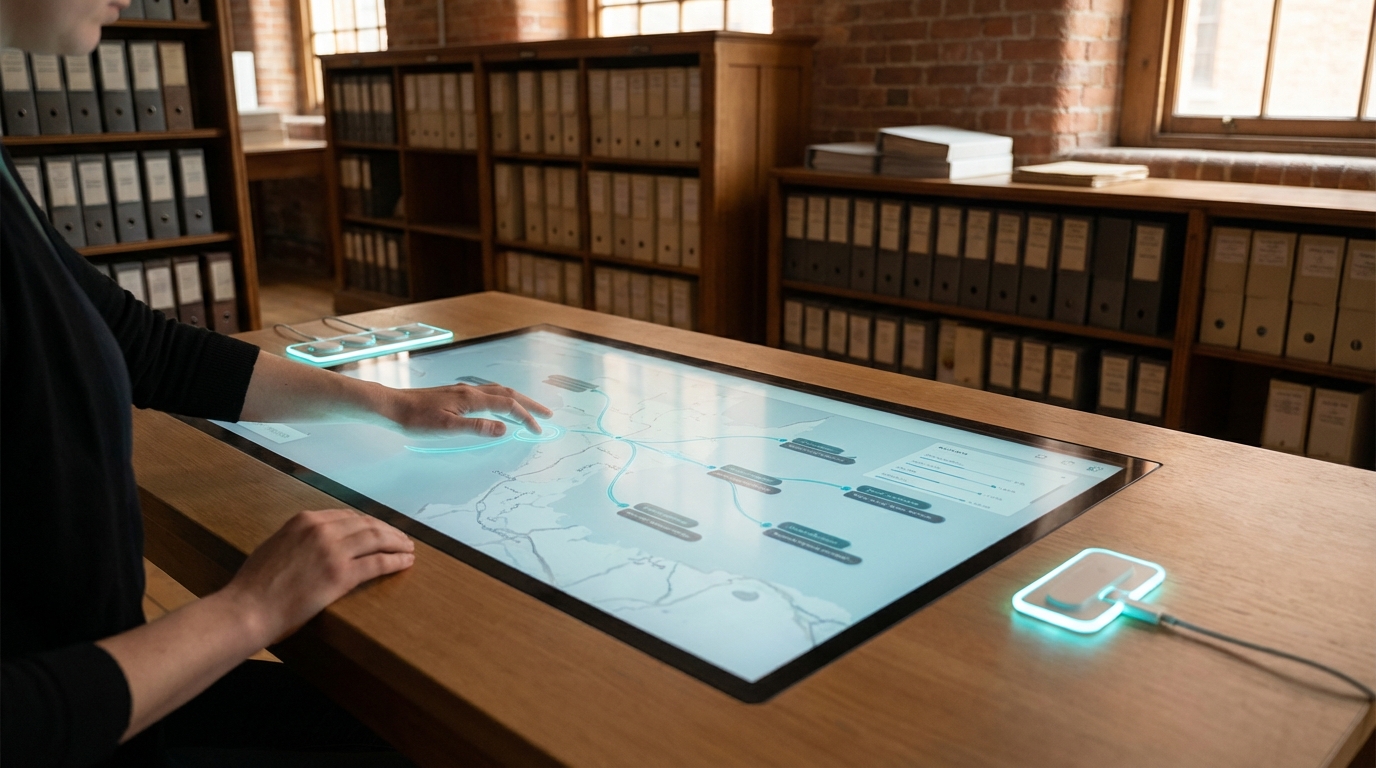
Non-fiction storytelling platforms with branching narratives and interactive data layers
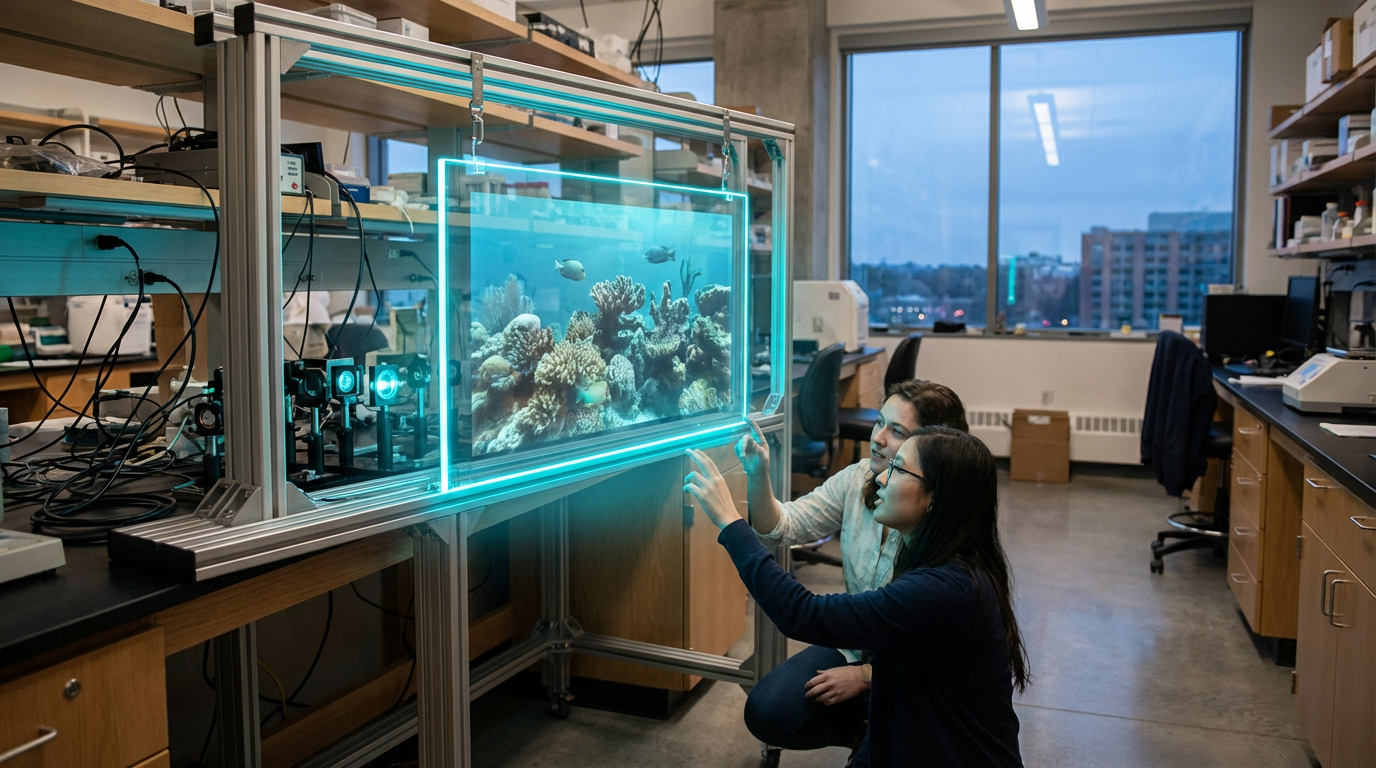
Glasses-free 3D displays that recreate how light naturally travels from objects in space
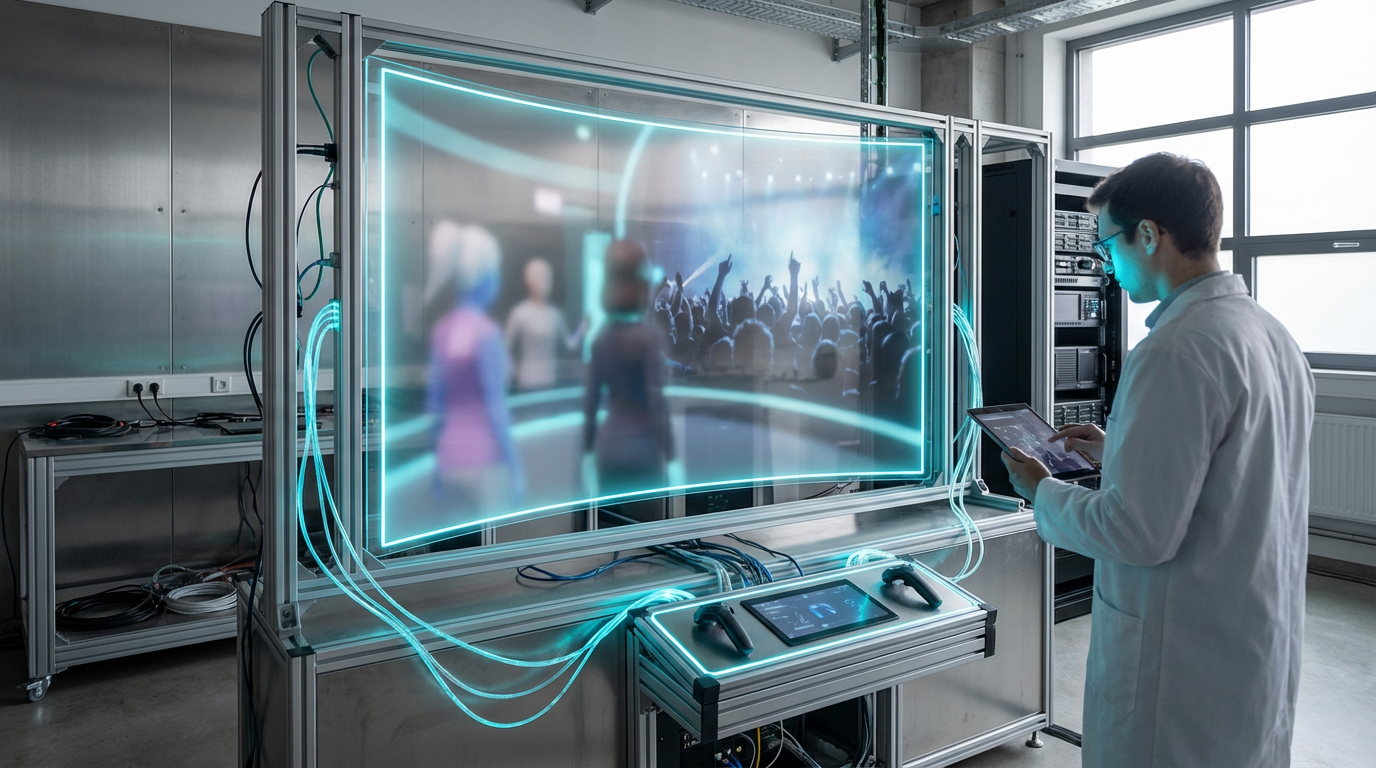
Interactive 3D concerts and gatherings where participants attend as avatars in shared virtual spaces
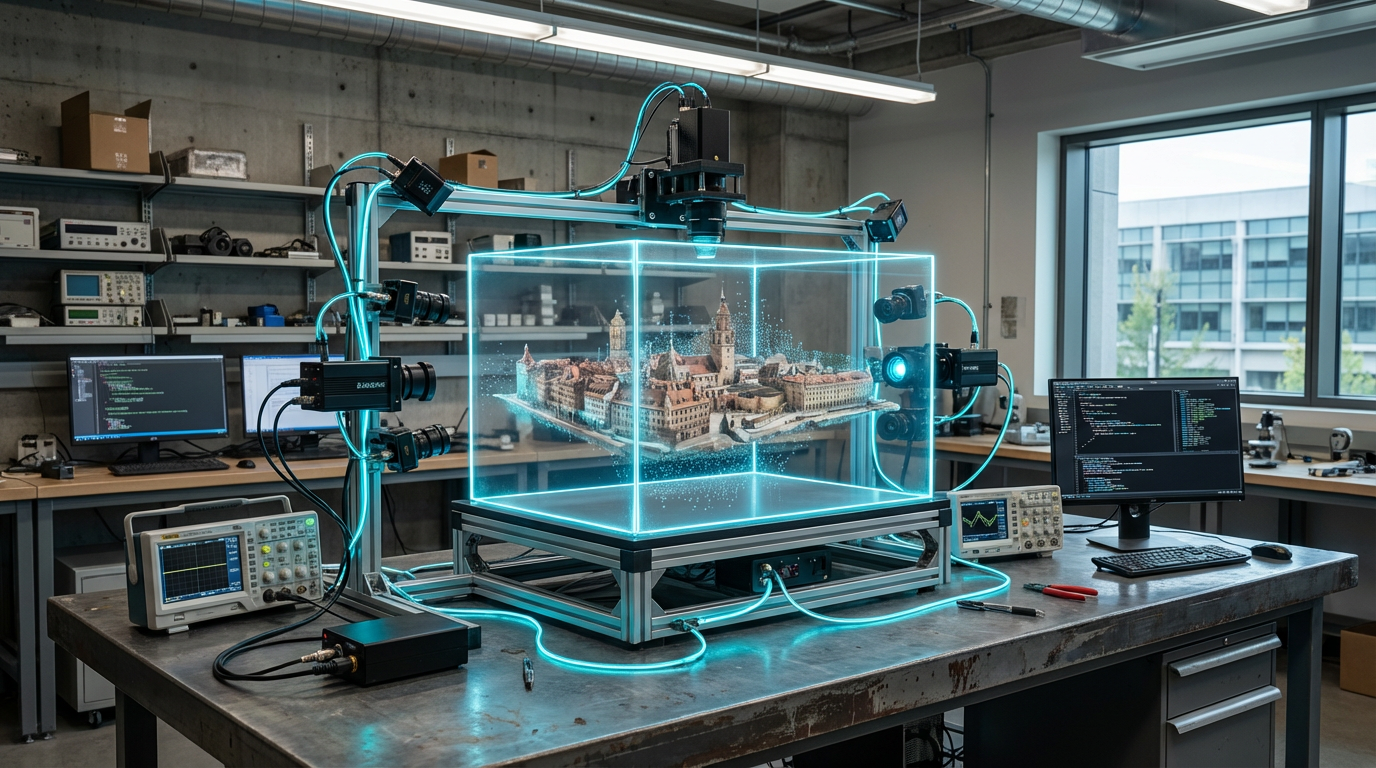
Neural networks that reconstruct photorealistic 3D scenes from 2D photos
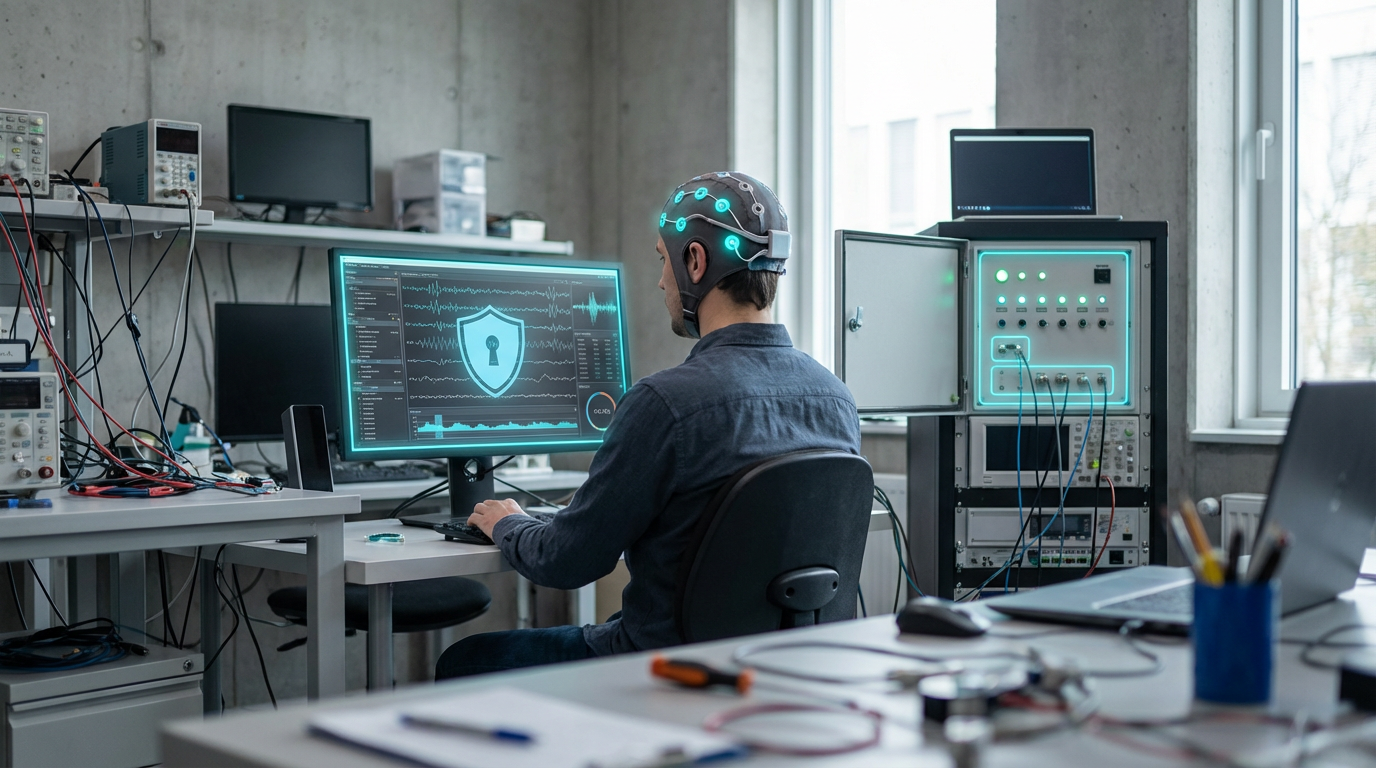
Legal and technical frameworks safeguarding neural data from brain-computer interfaces
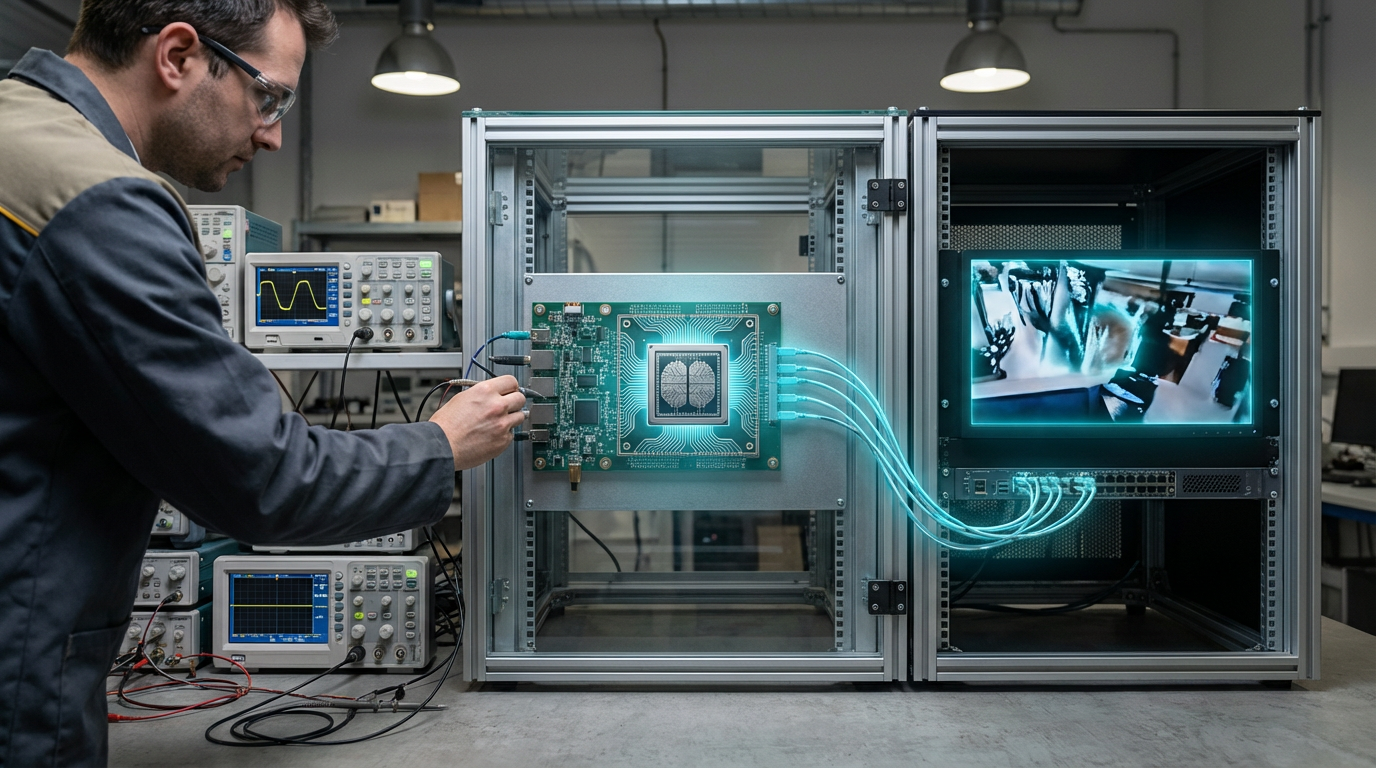
Brain-inspired chips that process video and audio with neural efficiency on streaming devices
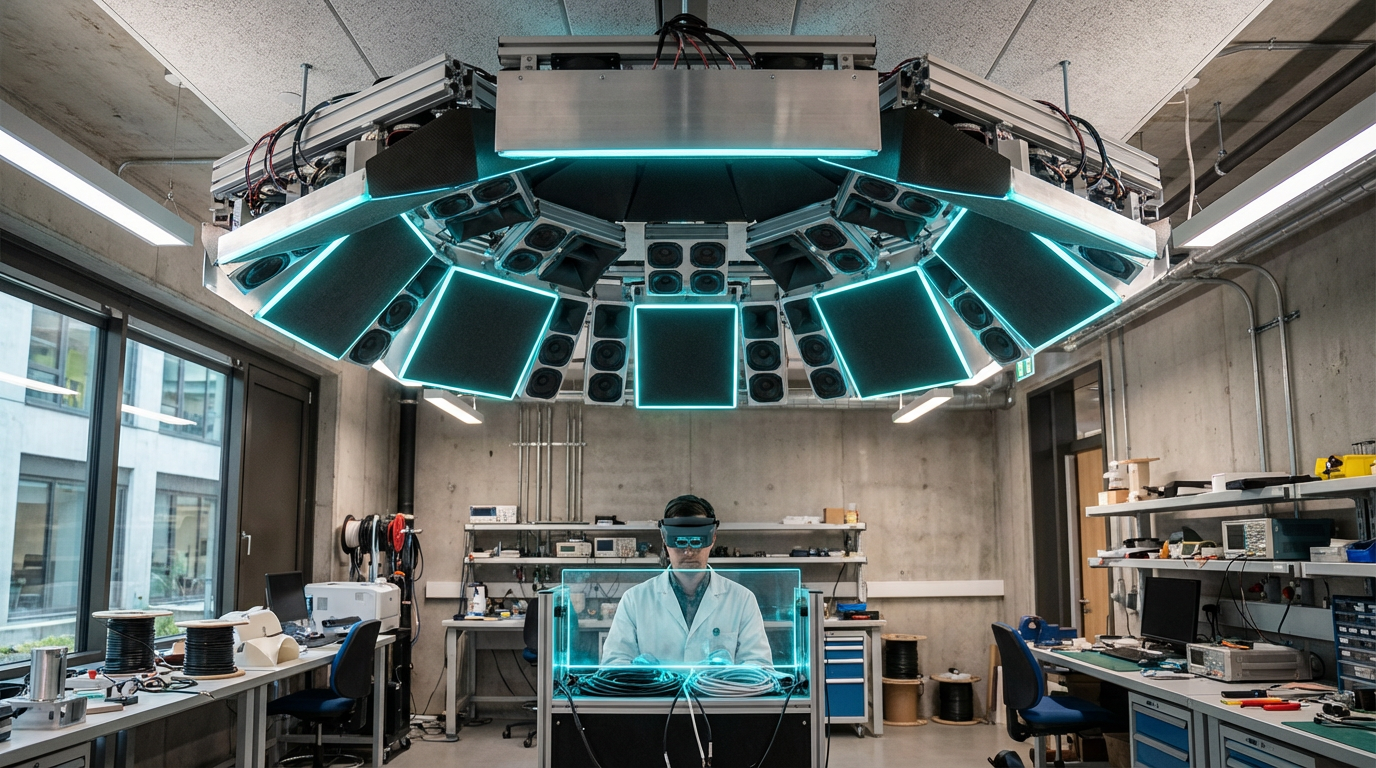
Speaker arrays that beam distinct 3D audio zones to individual listeners in shared spaces
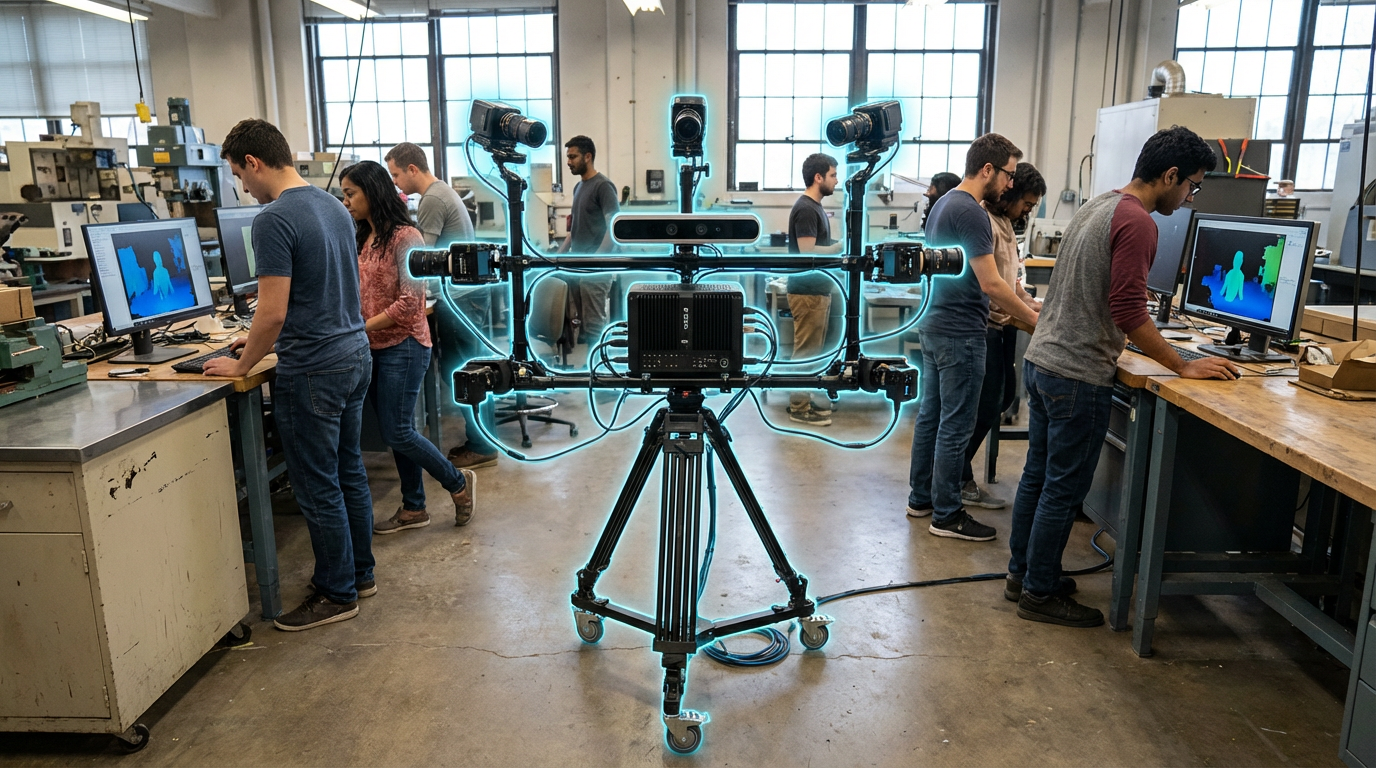
Mobile camera arrays that capture subjects as navigable 3D models from multiple angles

Algorithms that auto-generate terrain, vegetation, and architecture for virtual worlds

Recommendation algorithms designed for fairness, transparency, and diverse content discovery
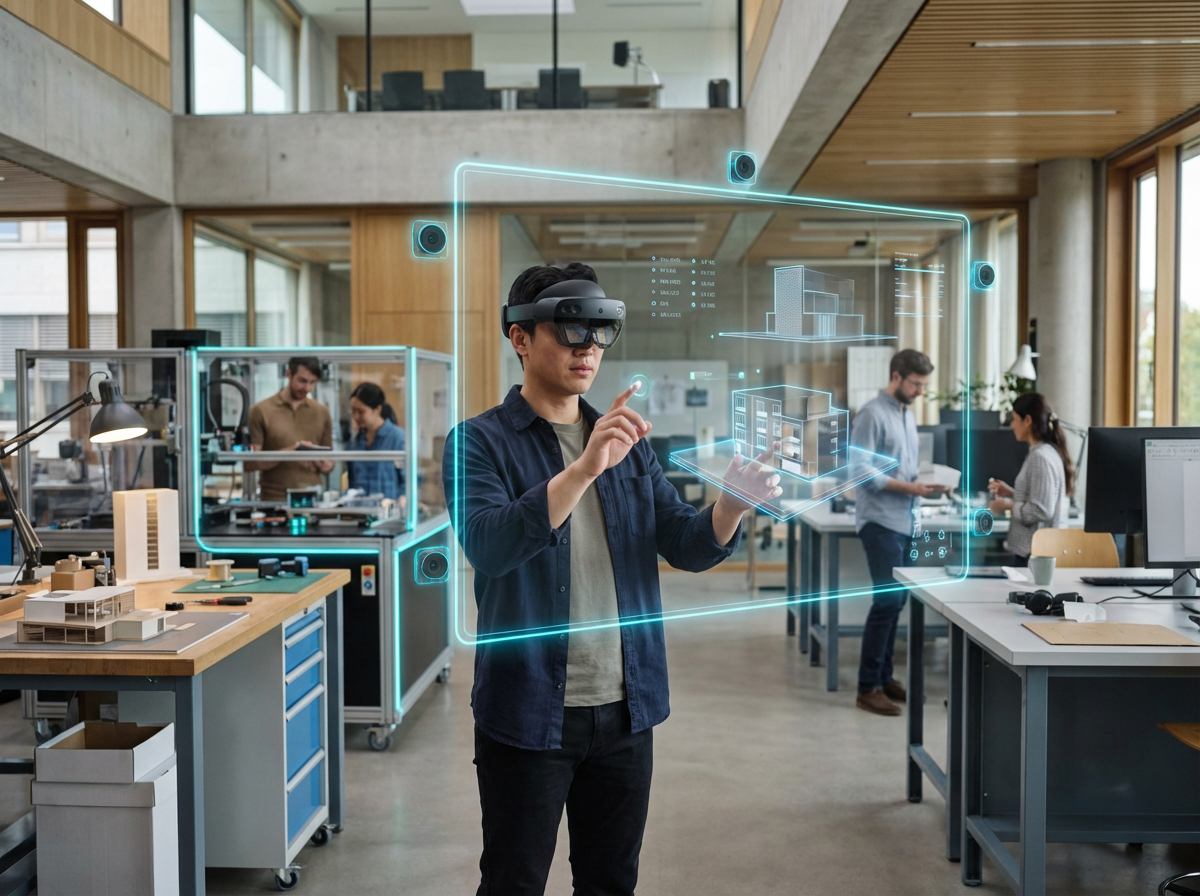
Mixed reality headsets that blend digital content with real-world environments for immersive storytelling

Energy-efficient data centers and networks designed to reduce streaming's carbon footprint
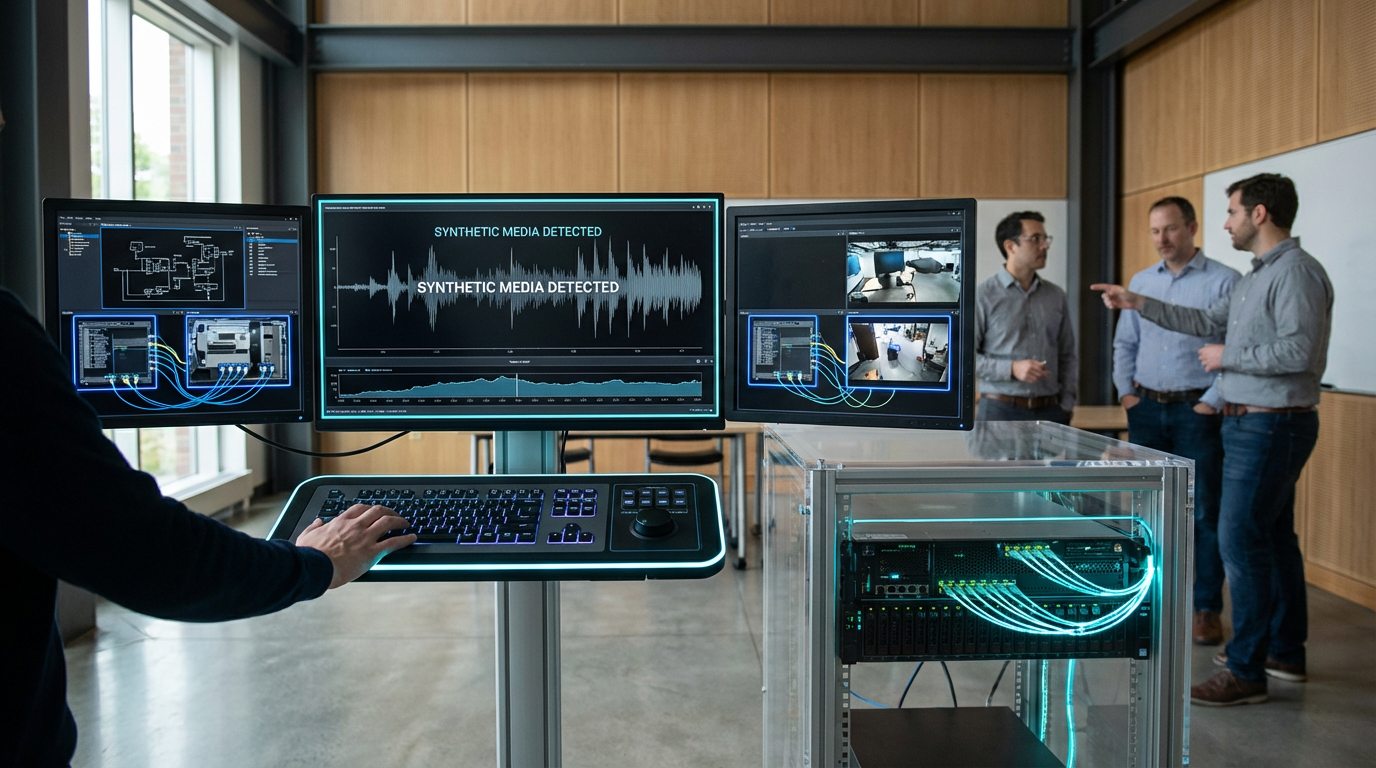
Machine learning systems that identify AI-generated or manipulated video, audio, and images
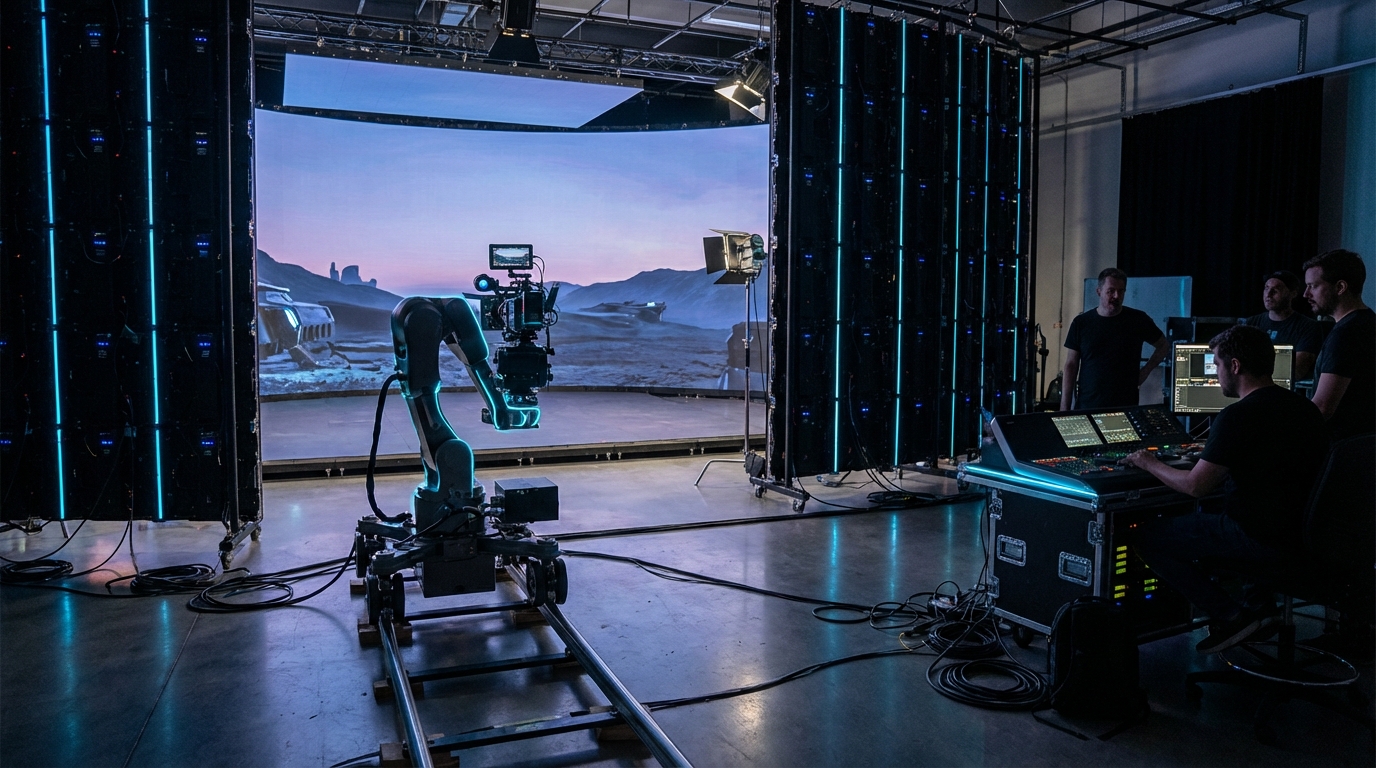
Real-time filmmaking combining LED walls, game engines, and in-camera VFX
Turn this hub into a team session
Interested in our work?
Newsletter
Follow us for weekly foresight in your inbox.