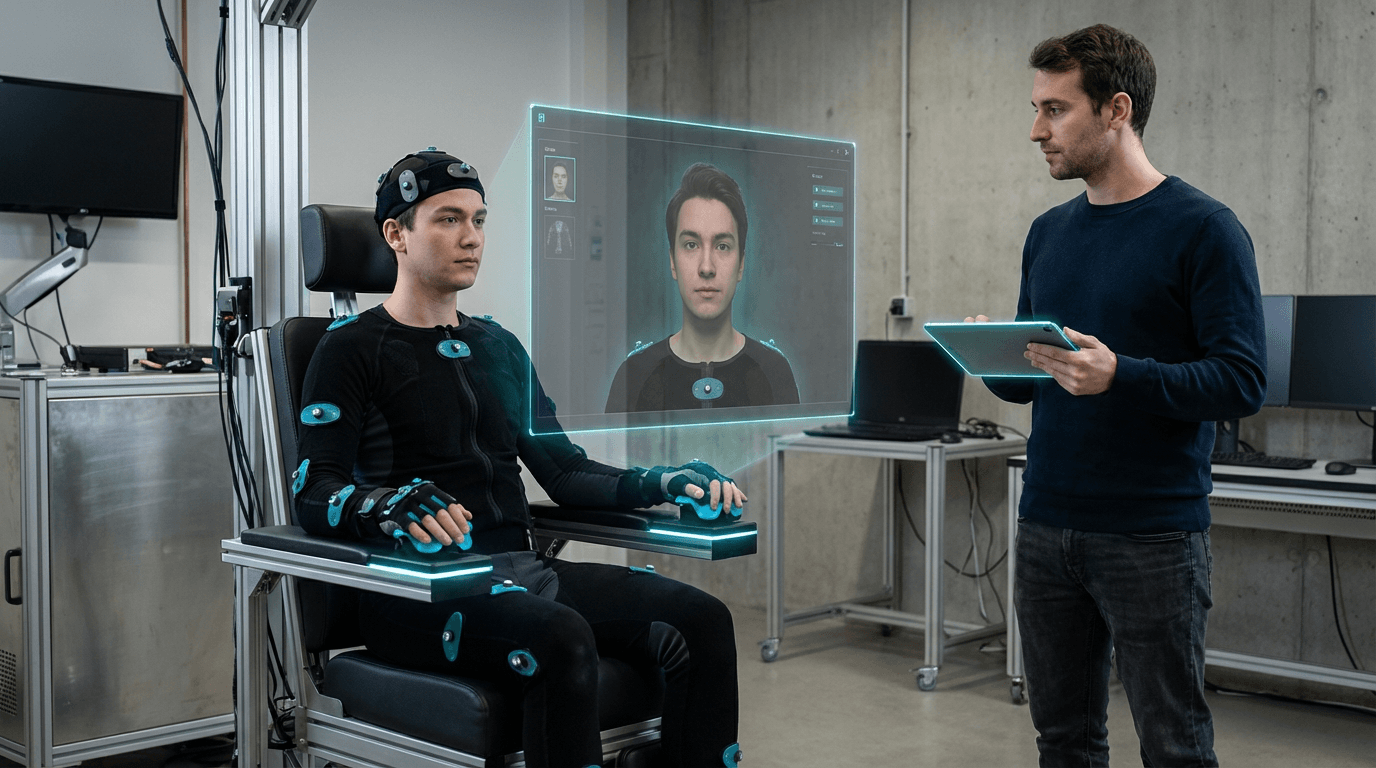
Digital Likeness Rights
Digital likeness rights represent a rapidly evolving legal framework designed to protect individuals' control over digital representations of their physical appearance, voice, mannerisms, and performance characteristics. As artificial intelligence and computer-generated imagery technologies advance, the ability to create convincing digital replicas of real people has become increasingly accessible and sophisticated. These technologies can capture and reproduce not just static images but dynamic performances, vocal patterns, and distinctive physical traits with remarkable fidelity. The core mechanism involves establishing legal ownership over these digital assets, similar to traditional intellectual property rights, but specifically tailored to address the unique challenges posed by AI-generated content and deepfake technologies. This framework extends beyond simple image rights to encompass the full spectrum of an individual's digital persona, including their voice signature, movement patterns, and even their characteristic expressions or gestures.
The entertainment and streaming industry faces unprecedented challenges as production studios seek to leverage digital replication technologies for cost savings, scheduling flexibility, and creative possibilities. Traditional contracts and rights agreements were never designed to address scenarios where an actor's performance could be captured once and then infinitely reproduced, modified, or inserted into entirely new contexts without their ongoing participation. This creates significant concerns around fair compensation, as a single performance capture session could theoretically generate content across multiple productions for years or even decades. Digital likeness rights frameworks address these challenges by establishing clear boundaries around consent, usage parameters, and compensation structures. They prevent unauthorized exploitation of performers' digital representations while still allowing for legitimate creative applications when properly negotiated. Industry analysts note that these protections are becoming essential as streaming platforms and content creators increasingly explore AI-assisted production methods that could otherwise circumvent traditional performance agreements.
Early implementations of digital likeness protections have emerged through updated union contracts and individual negotiations between high-profile performers and major studios. Some jurisdictions have begun introducing legislation specifically addressing posthumous digital likeness rights, recognizing that the value and vulnerability of these assets extends beyond an individual's lifetime. Concrete applications include contractual clauses that specify exactly how captured performances may be used, limitations on the contexts in which digital replicas can appear, and ongoing royalty structures that ensure performers benefit from extended use of their digital likenesses. Research suggests that as generative AI tools become more prevalent in content production, comprehensive digital likeness rights frameworks will become standard across the entertainment industry. This technology connects to broader trends around data ownership, algorithmic transparency, and the ethical boundaries of AI-generated content, positioning digital likeness rights as a critical component of future entertainment industry practices and a potential model for protecting individual identity rights in an increasingly digital world.
Related Organizations
SAG-AFTRA
United States · Nonprofit
Labor union representing actors, announcers, broadcast journalists, dancers, DJs, news writers, news editors, program hosts, puppeteers, recording artists, singers, stunt performers, voiceover artists and other media professionals.

Leading developer of hyper-realistic generative AI avatars and de-aging technology for film and entertainment.

Provides voice cloning technology that allows one person to speak with the voice of another (voice-to-voice conversion).



A film lab developing 'TrueSync' technology to visually translate films by altering lip movements to match dubbed audio.

Creates 'Hypermodels'—digital identities for A-list talent that can be monetized across games, films, and metaverse environments.
An AI video generation platform allowing the creation of custom avatars for learning and development (L&D) content.

Leading entertainment and sports agency.

Creates autonomously animated 'Digital People' with simulated nervous systems.
Supporting Evidence
Research this in Signals
Signals turns a topic into a sourced research record you can inspect and rerun. Your first scan is free, and this one starts with Digital Likeness Rights already loaded, so edit it or scan as is.