Immersive Safety Layers
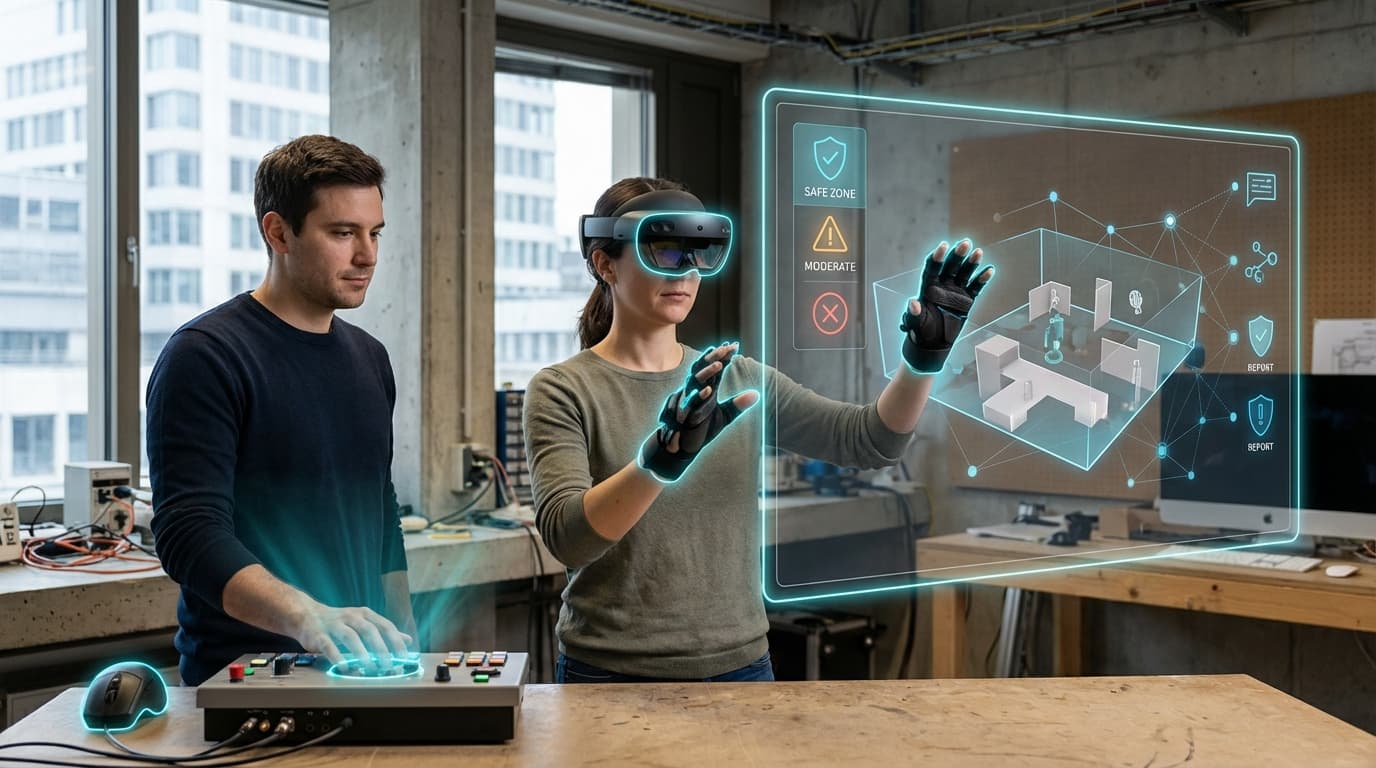
As virtual and augmented reality platforms evolve into shared social spaces, they introduce unique challenges around user safety that traditional two-dimensional interfaces never confronted. Immersive Safety Layers represent a comprehensive framework of technical controls and policy mechanisms designed specifically for extended reality (XR) environments, where users occupy the same virtual space with full-body avatars and spatial audio. These systems combine multiple protective technologies: personal boundary enforcement that prevents unwanted proximity between avatars, selective blocking and muting tools that allow users to remove specific individuals from their experience without disrupting the broader session, geofencing capabilities that restrict access to designated virtual zones, session recording features that capture evidence of violations, and real-time moderation systems powered by both human moderators and automated detection algorithms. Unlike conventional content moderation that primarily addresses text and images, these layers must account for spatial harassment, gesture-based abuse, voice toxicity, and the psychological intensity of embodied presence in three-dimensional environments.
The entertainment and streaming industries face mounting pressure to address safety concerns that have historically limited mainstream adoption of social XR experiences. Early virtual worlds and metaverse platforms have documented persistent issues with harassment, unwanted contact, and abusive behavior that feel more visceral and traumatic in immersive contexts than in traditional online spaces. These problems have proven particularly acute in live virtual events, social viewing parties, and persistent virtual venues where users gather for concerts, sports broadcasts, or communal entertainment experiences. Immersive Safety Layers address these challenges by providing users with granular control over their virtual environment and social interactions, while simultaneously giving platform operators the tools to enforce community standards at scale. This technology enables new business models around safe social entertainment experiences, allowing platforms to attract broader audiences—including demographics that might otherwise avoid XR spaces due to safety concerns—and helping content creators host large-scale virtual events without the reputational and legal risks associated with unmoderated spaces.
Major XR platforms and social entertainment applications have begun implementing various components of these safety frameworks, though comprehensive integration remains an evolving challenge. Industry observers note growing investment in trust and safety infrastructure specifically designed for spatial computing environments, with research suggesting that effective safety tools correlate strongly with user retention and session duration in social XR applications. Current deployments range from basic personal space bubbles and mute functions to sophisticated systems that analyze spatial behavior patterns and voice tone to identify potential harassment before it escalates. The technology is particularly relevant as streaming platforms explore synchronized co-watching experiences in virtual theaters and as live entertainment venues experiment with hybrid physical-virtual events. Looking forward, the development of interoperable safety standards across different XR platforms represents a critical frontier, as users increasingly expect consistent protection regardless of which virtual space they inhabit. The maturation of these safety layers will likely prove essential to the broader adoption of immersive entertainment experiences, transforming XR from niche technology into mainstream social infrastructure.
Related Organizations

A global non-profit dedicated to providing privacy and safety standards for the immersive ecosystem (VR/AR).

Creators of ToxMod, a voice-native content moderation tool that uses AI to detect toxicity in real-time voice chat.

Massive gaming platform with a persistent avatar identity system across millions of user-created experiences.

Provides contextual AI solutions to detect toxicity and harassment in user-generated content across text and voice.
Spirit AI
United Kingdom · Company
Develops 'Ally', a tool for detecting and intervening in online harassment and toxicity.

An AI-powered content moderation platform that handles text, image, and video analysis for online communities.

A coalition of gaming companies working to reduce toxicity and encourage healthy player interactions.

Develops anti-bullying and predator protection software for children's gaming.

Creators of the Unity Engine and the ML-Agents toolkit, which allows researchers to train intelligent agents within game environments.

Provides 'Utopia AI Moderator', a language-agnostic tool for moderating text and images in gaming and social platforms.
Supporting Evidence
Research this in Signals
Signals turns a topic into a sourced research record you can inspect and rerun. Your first scan is free, and this one starts with Immersive Safety Layers already loaded, so edit it or scan as is.