AI Localization & Dubbing Engines
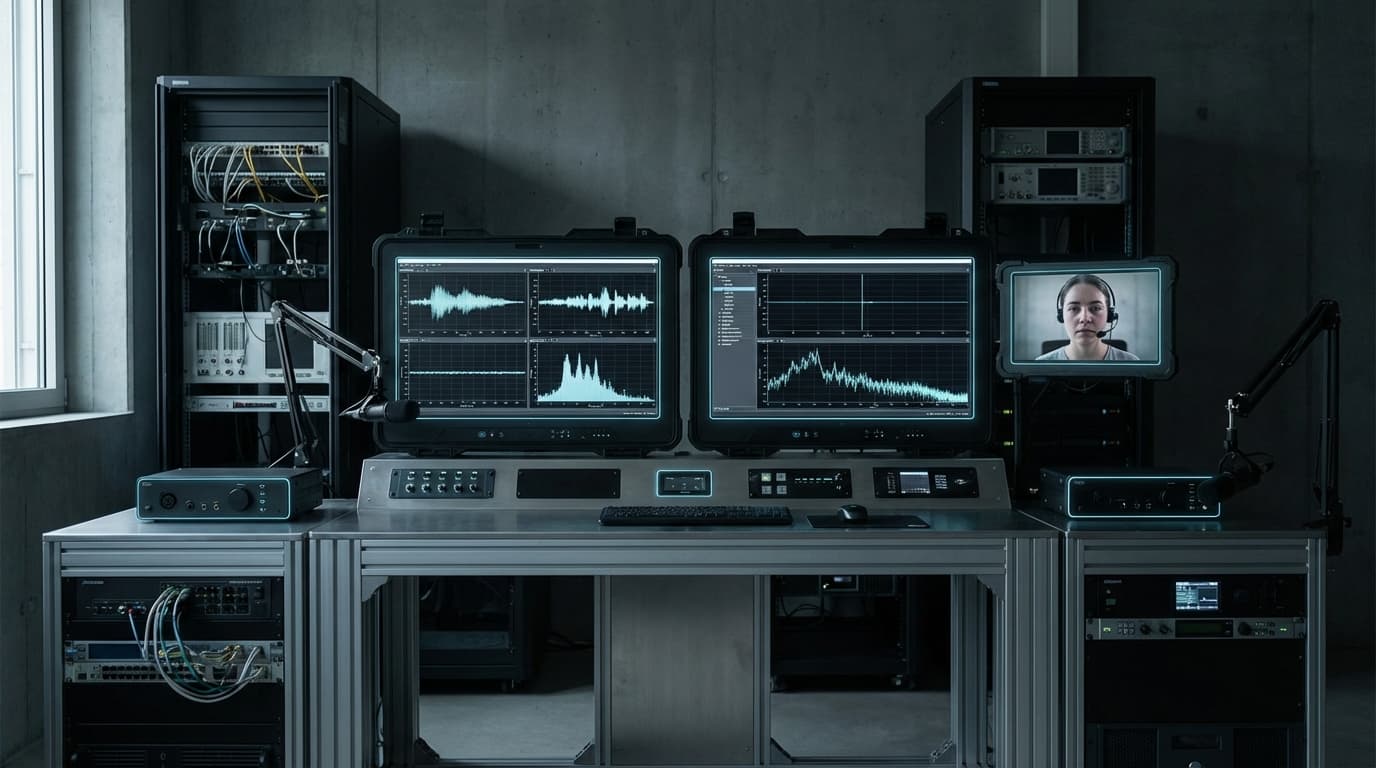
AI localization and dubbing engines represent a convergence of natural language processing, voice synthesis, and computer vision technologies designed to overcome the traditional bottlenecks of international content distribution. These systems employ neural machine translation models to convert dialogue while preserving cultural nuances and idiomatic expressions, then use voice cloning algorithms trained on hours of speech data to generate synthetic performances that match the tonal qualities, emotional range, and distinctive characteristics of original actors. The most sophisticated implementations incorporate lip-sync adjustment through deep learning models that analyze facial movements frame-by-frame, subtly modifying mouth shapes and timing to align with translated dialogue. This technical orchestration happens through cloud-based pipelines that can process entire feature films or episodic content in days rather than the months required by traditional dubbing workflows, which depend on casting voice actors, booking studio time, and manual synchronization across dozens of language markets.
The entertainment industry has long grappled with the tension between speed-to-market and localization quality, particularly as streaming platforms compete for global audiences and theatrical releases seek day-and-date international launches. Traditional dubbing processes create significant delays and cost barriers that often result in staggered release windows, giving piracy a foothold and diminishing cultural momentum around new releases. These AI-driven systems address this challenge by dramatically compressing production timelines and reducing per-language costs, enabling studios and platforms to launch content simultaneously across markets that might otherwise receive delayed or subtitled-only versions. The technology also solves the persistent problem of maintaining performance authenticity across languages—early AI dubbing attempts often produced uncanny or emotionally flat results, but recent advances in prosody modeling and contextual voice generation have narrowed the gap between synthetic and human performances to the point where many viewers cannot reliably distinguish between them.
Major streaming platforms have begun integrating these capabilities into their content pipelines, with some services now offering AI-dubbed versions in languages that would have been economically unfeasible under traditional production models. Independent filmmakers and smaller studios are particularly positioned to benefit, as the technology democratizes access to global markets previously dominated by productions with substantial localization budgets. Industry analysts note that the technology is evolving beyond simple translation toward cultural adaptation, with emerging systems capable of adjusting humor, references, and even visual elements to resonate with specific regional audiences. As these engines continue to improve in naturalness and cultural sensitivity, they are likely to reshape not only distribution strategies but also how content creators conceptualize their audiences—shifting from a primary market with secondary territories toward truly global-first production approaches where multilingual accessibility is built into the creative process from inception rather than added in post-production.
Related Organizations

A film lab developing 'TrueSync' technology to visually translate films by altering lip movements to match dubbed audio.

Provides AI-based dubbing for entertainment content, retaining the original actor's voice characteristics.

One of the world's largest media localization service providers, actively investing in and deploying AI dubbing technologies.

Papercup
United Kingdom · Startup
AI dubbing service that automates video translation with expressive synthetic voices.


A tool for automated video localization, offering voice cloning and lip-sync features.

Provides voice cloning technology that allows one person to speak with the voice of another (voice-to-voice conversion).

Provides AI-powered machine translation specifically optimized for colloquial media and entertainment content (subtitles and dubbing).

A long-standing language technology company offering neural machine translation and automatic dubbing solutions for media.

An AI dubbing platform focused on the Indian market, supporting numerous regional languages.
Supporting Evidence
Research this in Signals
Signals turns a topic into a sourced research record you can inspect and rerun. Your first scan is free, and this one starts with AI Localization & Dubbing Engines already loaded, so edit it or scan as is.