Interactive Documentary Platforms
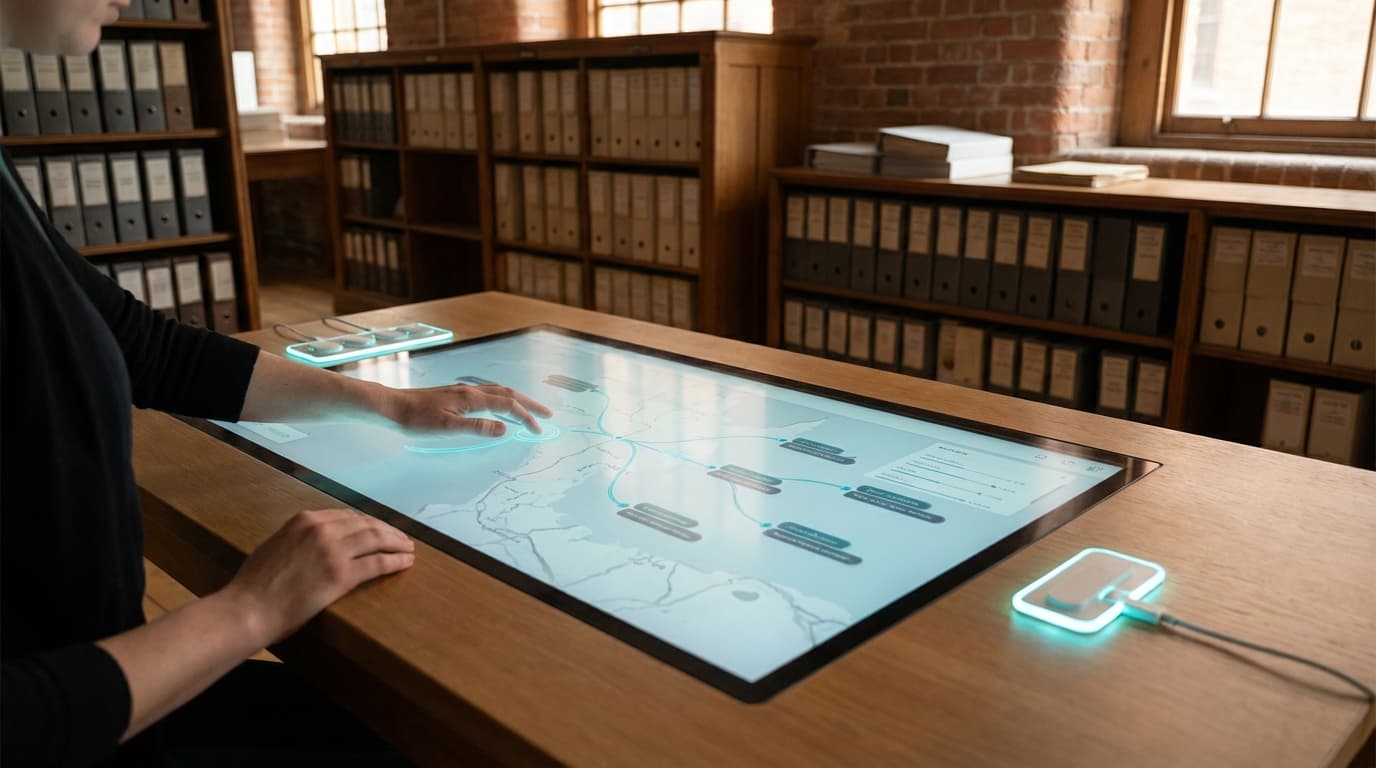
Interactive documentary platforms represent a fundamental shift in non-fiction storytelling, moving beyond the linear constraints of traditional documentary filmmaking to create dynamic, viewer-responsive narratives. These platforms combine documentary footage, archival materials, and journalistic content with interactive technologies that allow audiences to navigate through stories according to their interests and questions. The technical foundation typically includes branching narrative structures, where viewer choices determine which segments of content are presented next, alongside data visualization layers that can be toggled on or off to provide statistical context, geographic information, or temporal connections. Some implementations incorporate real-time data feeds, allowing documentaries to update with current information, while others use spatial audio, 360-degree video, or augmented reality elements to create more immersive experiences. The platforms often employ content management systems specifically designed to handle the complex relationships between video segments, metadata, and user pathways, ensuring that each viewer's journey through the material remains coherent while offering genuine agency in exploration.
The traditional documentary format, while powerful, has long faced limitations in addressing the diverse interests and knowledge levels of its audience. A single linear narrative must make choices about depth, perspective, and pacing that inevitably serve some viewers better than others. Interactive documentary platforms address this challenge by allowing audiences to pursue their own lines of inquiry within a curated information space. For journalism, this creates opportunities to present complex investigative stories with multiple entry points and varying levels of detail—a casual viewer might follow the main narrative thread, while someone with specific expertise or interest can dive into supporting data, source documents, or alternative perspectives. In educational contexts, these platforms enable students to explore historical events, scientific phenomena, or social issues at their own pace, revisiting sections as needed and following connections that resonate with their learning style. This approach also helps combat the passive consumption that can limit engagement with important non-fiction content, transforming viewers into active participants who must make decisions and construct meaning from the materials provided.
Early implementations of interactive documentaries emerged in the 2010s, with news organizations and independent filmmakers experimenting with web-based platforms that allowed non-linear exploration of stories. These projects demonstrated both the potential and the production challenges of the format, as creating branching narratives requires significantly more content and careful structural planning than traditional documentaries. Current platforms range from simple choose-your-own-path structures to sophisticated systems that adapt content based on user behavior and preferences. Museums and cultural institutions have begun adopting these technologies for digital exhibitions, allowing remote audiences to explore collections and narratives in ways that mirror the self-directed experience of physical visits. Streaming services are also exploring interactive non-fiction formats, though adoption has been more cautious than in the fiction realm, partly due to the additional production costs and the need to maintain journalistic integrity while offering choice. As production tools become more accessible and audiences grow more comfortable with interactive media, these platforms are likely to become an increasingly important complement to traditional documentary filmmaking, particularly for stories involving complex systems, multiple perspectives, or large datasets that benefit from exploratory engagement rather than passive viewing.
Related Organizations
Public film producer and distributor known globally as a pioneer in interactive web documentaries and digital storytelling studios.

A research center at MIT dedicated to the future of documentary storytelling and emerging technologies.
A European public service channel that funds and distributes highly experimental interactive web documentaries and games.

IDFA DocLab
Netherlands · Nonprofit
The new media program of the International Documentary Film Festival Amsterdam, showcasing and commissioning interactive non-fiction.

A no-code platform designed specifically for creating branching narrative videos and interactive films.

An editing and publishing application dedicated to interactive storytelling, developed by Honkytonk Films.

A digital production studio famous for producing award-winning web documentaries like 'Do Not Track'.

An interactive video technology company that enables choice-driven entertainment and commercial content.

A production studio devoted to exploring new forms of storytelling, including interactive documentaries and motion comics.

The technical research arm of the BBC, developing tools like 'StoryKit' for object-based media and interactive narratives.
Supporting Evidence
Research this in Signals
Signals turns a topic into a sourced research record you can inspect and rerun. Your first scan is free, and this one starts with Interactive Documentary Platforms already loaded, so edit it or scan as is.