Content Authenticity Standards
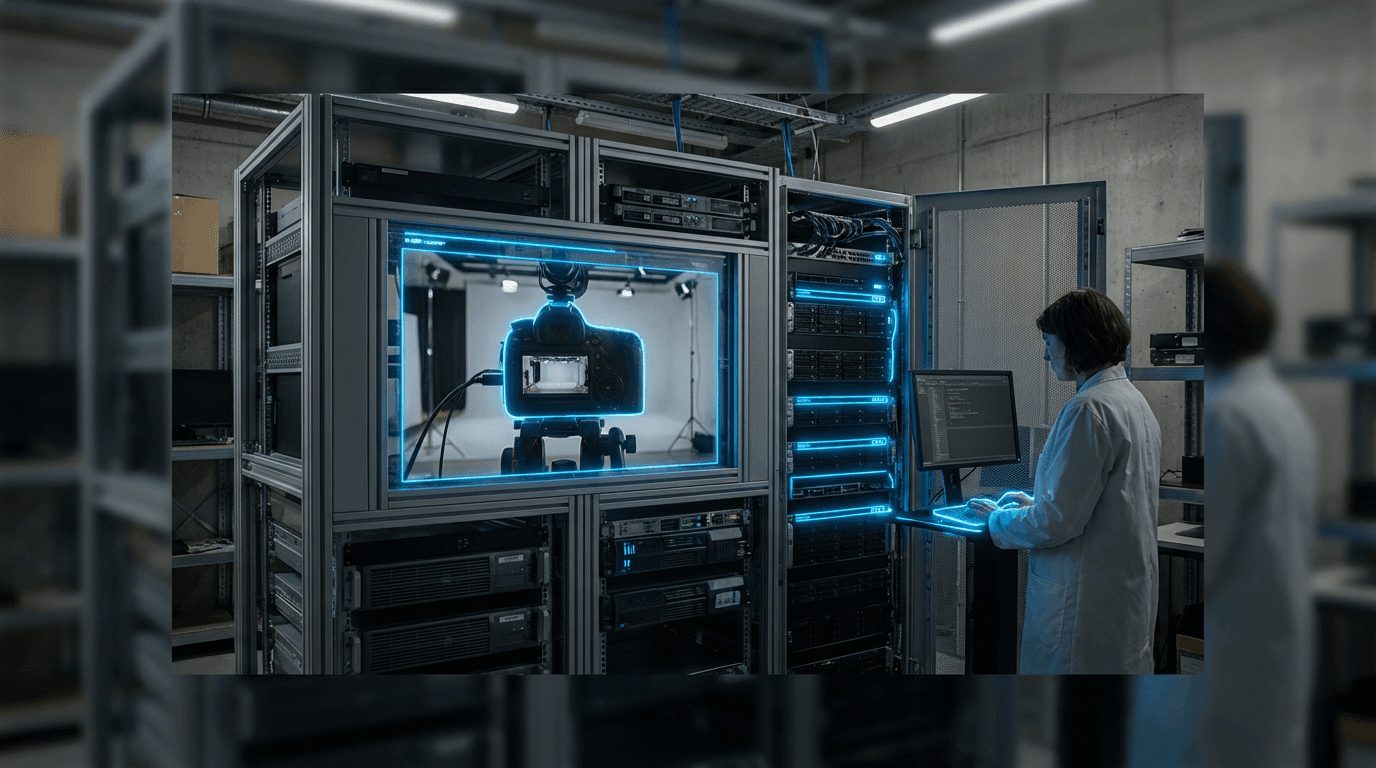
In an era where artificial intelligence can generate photorealistic images, convincing videos, and authentic-sounding audio in seconds, distinguishing genuine content from synthetic media has become a critical challenge for the entertainment and streaming industry. Content Authenticity Standards represent a technical framework that embeds verifiable metadata into digital media files at the moment of creation, establishing a cryptographic chain of custody that tracks every modification throughout the content's lifecycle. These systems typically employ a combination of digital signatures, hash functions, and blockchain-like ledgers to create tamper-evident records. The Coalition for Content Provenance and Authenticity (C2PA), for instance, has developed specifications that allow cameras, editing software, and distribution platforms to attach and verify authenticity credentials. When a piece of media is created—whether by a professional camera, smartphone, or AI generation tool—the standard embeds information about the device, software, timestamp, and creator identity directly into the file's metadata. Each subsequent edit or transformation adds a new layer to this provenance record, creating an auditable trail that reveals whether content has been manipulated and by what means.
For streaming platforms and entertainment companies, the proliferation of deepfakes and synthetic media poses existential threats to trust and brand integrity. A single viral deepfake featuring a celebrity or public figure can damage reputations, spread misinformation, and erode audience confidence in legitimate content. Content Authenticity Standards address these challenges by providing platforms with the technical infrastructure to automatically flag unverified or manipulated media, enabling more informed content moderation decisions. This capability becomes particularly valuable as generative AI tools democratize content creation, making it increasingly difficult for human reviewers to distinguish professional productions from sophisticated fakes. Beyond combating malicious deepfakes, these standards also protect intellectual property by establishing clear ownership records and documenting authorized versus unauthorized modifications. For content creators and rights holders, this creates new mechanisms to prove originality and track how their work is used across the digital ecosystem.
Major technology companies and camera manufacturers have begun implementing C2PA standards in their products, with some professional cameras now embedding authenticity credentials by default. News organizations and stock media platforms are piloting verification systems that display provenance information alongside published content, allowing audiences to see whether an image came directly from a camera or has been edited. Social media platforms are exploring integration of these standards into their upload pipelines, potentially adding verification badges to authenticated content. As regulatory pressure mounts around synthetic media disclosure—with several jurisdictions considering mandatory labeling requirements for AI-generated content—these technical standards are likely to become foundational infrastructure for the digital media ecosystem. The trajectory points toward a future where content authenticity becomes as fundamental to digital media as encryption is to secure communications, reshaping how audiences evaluate trustworthiness and how platforms manage the delicate balance between creative freedom and information integrity.
Related Organizations

An open technical standard body addressing the prevalence of misleading information online through content provenance.

Software giant and founder of the Content Authenticity Initiative (CAI).

Focuses on image provenance and authentication, helping verify that media has not been altered (the inverse of detection).

The technical research arm of the BBC, developing tools like 'StoryKit' for object-based media and interactive narratives.

Provider of digital watermarking and identification technologies.


A mobile app that captures photos with cryptographic proof of authenticity on the blockchain.

Develops silicon spin qubits using advanced 300mm wafer manufacturing processes.

Taiwan · Startup
A blockchain-based network for tracing digital media provenance and copyright.
Supporting Evidence
Research this in Signals
Signals turns a topic into a sourced research record you can inspect and rerun. Your first scan is free, and this one starts with Content Authenticity Standards already loaded, so edit it or scan as is.