Neuromorphic Media Chips
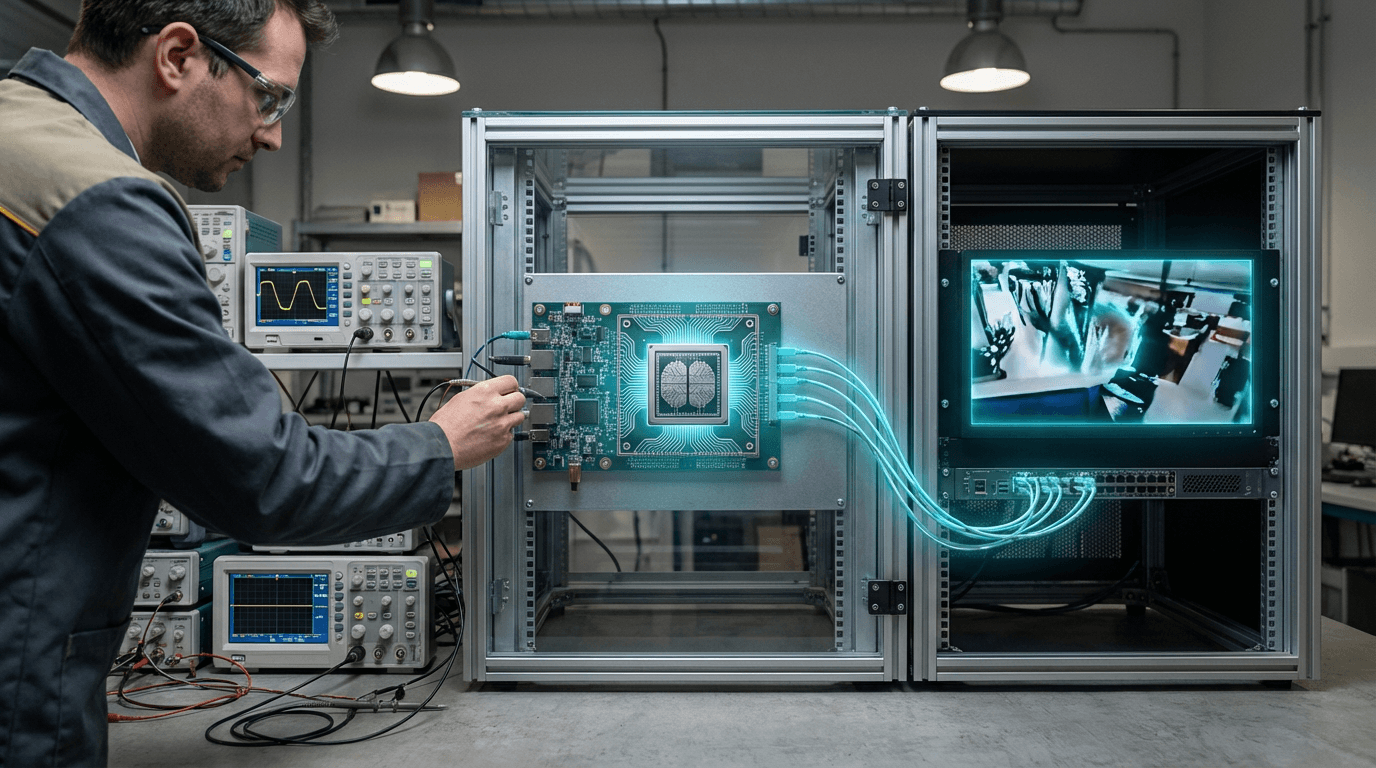
Neuromorphic media chips represent a fundamental departure from traditional computing architectures by mimicking the structure and function of biological neural networks. Unlike conventional processors that execute instructions sequentially, these specialized chips employ networks of artificial neurons and synapses that process information in parallel, much like the human brain. This brain-inspired design enables them to perform pattern recognition, sensory processing, and adaptive learning tasks with remarkable efficiency. The chips typically utilize event-driven computation, where individual neurons fire only when stimulated by specific inputs, rather than continuously consuming power through clock-driven operations. This asynchronous processing model, combined with in-memory computing that collocates data storage and processing, allows neuromorphic chips to achieve orders of magnitude improvement in energy efficiency compared to traditional graphics processing units or central processing units running equivalent AI workloads.
The entertainment and streaming industry faces mounting challenges around personalization at scale, real-time content adaptation, and the growing privacy concerns associated with cloud-based AI processing. Neuromorphic chips address these issues by enabling sophisticated AI inference directly on consumer devices—whether smartphones, smart TVs, streaming boxes, or augmented reality headsets—without requiring constant connectivity to remote servers. This on-device processing capability solves the latency problem inherent in cloud-based systems, allowing for instantaneous content recommendations, real-time video enhancement, and adaptive streaming quality adjustments that respond immediately to viewing conditions. Furthermore, by keeping user data and viewing patterns local to the device, these chips enable privacy-preserving personalization that doesn't require transmitting sensitive behavioral information to external servers. This addresses growing regulatory pressures around data protection while still delivering the intelligent, customized experiences that modern audiences expect.
Early implementations of neuromorphic chips have begun appearing in consumer electronics, with research suggesting significant potential for transforming how streaming platforms deliver content. Prototype systems have demonstrated the ability to perform real-time video upscaling, dynamic range optimization, and audio enhancement while consuming a fraction of the power required by conventional AI accelerators. Industry analysts note particular promise in mobile streaming scenarios, where battery life constraints make energy-efficient AI processing especially valuable. These chips could enable features like intelligent scene detection that automatically adjusts display settings, predictive content buffering based on learned viewing patterns, and even on-device generation of personalized highlight reels or content summaries. As streaming services increasingly compete on user experience rather than content libraries alone, the ability to deliver sophisticated, responsive, and privacy-conscious personalization through neuromorphic processing may become a key differentiator. The technology aligns with broader industry trends toward edge computing and federated learning, positioning it as a foundational element in the next generation of intelligent entertainment systems.
Related Organizations

Pioneer in event-based vision sensors and associated neuromorphic processing algorithms.

Developer of the Akida neuromorphic processor IP and chips.

Develops stacked event-based vision sensors with integrated logic layers.
Develops ultra-low-power mixed-signal neuromorphic processors and sensors for edge AI applications.

Long-standing leader in neuro-symbolic AI, combining neural networks with logical reasoning for enterprise applications.

Swiss company specializing in Dynamic Vision Sensors (DVS) and neuromorphic software for robotics.

Develops silicon spin qubits using advanced 300mm wafer manufacturing processes.

Creates ultra-low power intelligence for sensors using spiking neural processor architecture.

Developing 'Natural Intelligence' for machines by reverse-engineering insect brains to create autonomous decision-making software.
Supporting Evidence
Research this in Signals
Signals turns a topic into a sourced research record you can inspect and rerun. Your first scan is free, and this one starts with Neuromorphic Media Chips already loaded, so edit it or scan as is.