Volumetric Video Streaming
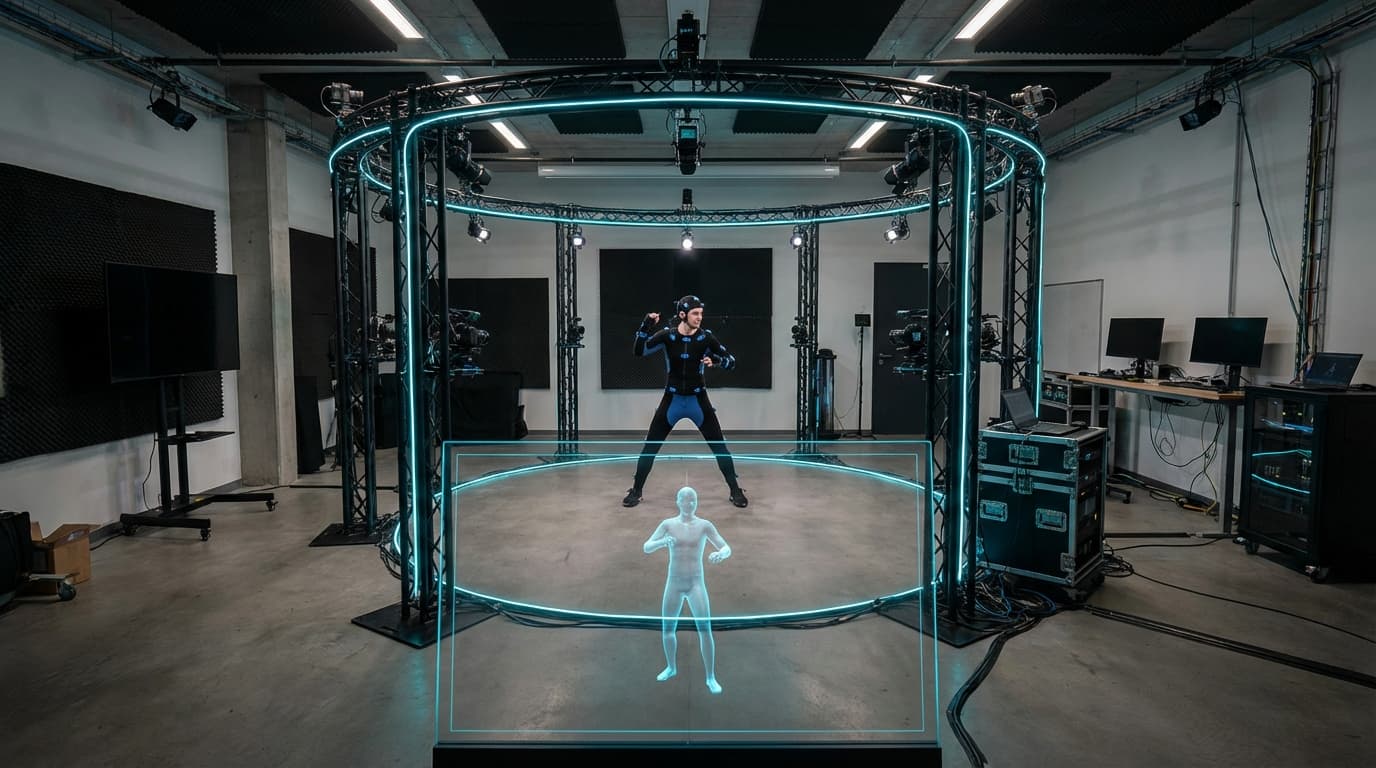
Volumetric video streaming represents a fundamental shift from traditional flat video capture to true three-dimensional content delivery. Unlike conventional streaming that records a scene from fixed camera perspectives, this technology captures the complete spatial geometry and appearance of subjects—whether performers, athletes, or objects—creating a full 3D representation that can be viewed from any angle. The process typically involves arrays of synchronized cameras positioned around a capture volume, often numbering dozens or even hundreds, which simultaneously record depth and color information. Advanced computer vision algorithms then process these multiple viewpoints to construct detailed 3D models, often called volumetric meshes or point clouds, that preserve the subject's movement, texture, and spatial presence. These models are compressed and transmitted over networks using specialized codecs designed to handle the substantially larger data requirements compared to traditional video, which can range from tens to hundreds of megabits per second depending on quality and compression efficiency.
The entertainment and streaming industries face a persistent challenge: how to deliver increasingly immersive experiences that meet audience expectations shaped by interactive media and gaming. Traditional broadcast formats, even in 4K or 8K resolution, remain fundamentally passive, offering viewers no agency over their perspective. Volumetric video streaming addresses this limitation by enabling unprecedented viewer freedom and presence. For live sports, this means audiences can choose to watch from the goalkeeper's perspective, follow a specific player throughout a match, or view replays from optimal angles that traditional camera operators might miss. Concert venues and theatrical productions gain the ability to reach global audiences while offering front-row experiences or backstage perspectives impossible with conventional streaming. This technology also solves critical problems in remote collaboration and virtual events, where participants can be captured and represented as realistic 3D presences rather than flat video windows, creating more natural and engaging interactions.
Early commercial deployments have emerged primarily in professional sports broadcasting, where major leagues have begun experimenting with volumetric capture systems in select venues. These installations typically involve dedicated capture studios or arena sections equipped with the necessary camera arrays and processing infrastructure. The technology has also found applications in entertainment production, where performers can be captured volumetrically for integration into virtual reality experiences, augmented reality applications, and next-generation streaming platforms. As 5G networks expand and edge computing capabilities improve, the feasibility of real-time volumetric streaming continues to increase, though current implementations often involve some degree of processing delay or quality trade-offs. The convergence of volumetric video with spatial computing platforms and immersive displays suggests a future where audiences don't simply watch content but inhabit it, choosing their vantage points and exploring performances as active participants rather than passive observers. This trajectory aligns with broader industry movements toward interactive, personalized media experiences that blur the boundaries between physical and digital entertainment.
Related Organizations

Creators of HoloSuite, a post-production and streaming platform for volumetric video, enabling adaptive streaming of 3D data.

Develops technology to capture and stream 3D volumetric video of live events into virtual worlds in real-time.

Manufactures the HOLOSYS volumetric capture system used by studios worldwide for high-fidelity 3D video.

A leading volumetric production studio that has produced high-profile volumetric experiences for fashion and music.

A premier volumetric capture stage in Los Angeles, utilizing Microsoft Mixed Reality Capture technology.

Provides a software platform for the capture, rendering, and streaming of volumetric video.

Through Copilot and the 'Recall' feature in Windows, Microsoft is integrating persistent memory and agentic capabilities directly into the operating system.

Mantis Vision
Israel · Company
Develops volumetric capture technologies and 3D scanning hardware for live streaming applications.

AI-powered software that enables volumetric capture using standard smartphones rather than expensive studio rigs.

Multinational corporation specializing in optical, imaging, and industrial products.
Supporting Evidence
Research this in Signals
Signals turns a topic into a sourced research record you can inspect and rerun. Your first scan is free, and this one starts with Volumetric Video Streaming already loaded, so edit it or scan as is.