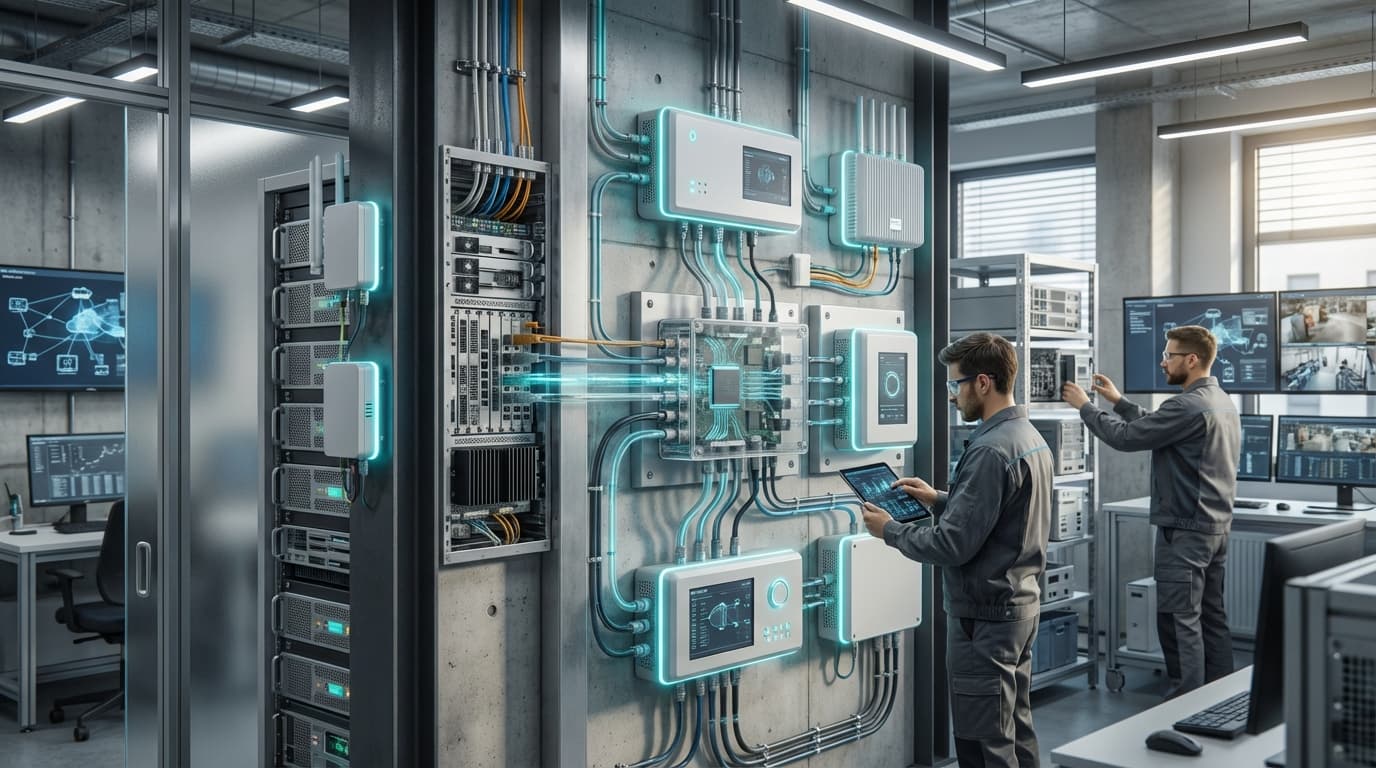
Edge Computing Infrastructure
Edge computing infrastructure represents a fundamental shift in how streaming content is processed and delivered, moving computational resources from centralized data centers to distributed nodes positioned physically closer to end-users. This architecture leverages 5G and emerging 6G network capabilities to create processing points at the network edge—typically at cellular base stations, internet exchange points, or regional micro-data centers. By deploying specialized servers equipped with graphics processing units, video encoders, and caching systems at these strategic locations, the infrastructure can handle compute-intensive tasks like video transcoding, adaptive bitrate streaming adjustments, and content rendering within milliseconds rather than the hundreds of milliseconds typical of cloud-based processing. The technical foundation relies on network function virtualization and software-defined networking principles, allowing operators to dynamically allocate processing resources based on real-time demand patterns and user proximity.
The streaming and entertainment industry faces persistent challenges in delivering high-quality, interactive experiences while managing bandwidth costs and infrastructure limitations. Traditional content delivery networks, while effective for pre-recorded media, struggle with the latency requirements of emerging formats like cloud gaming, live sports with multiple camera angles, virtual reality concerts, and interactive streaming experiences where viewer choices affect content in real-time. Edge computing infrastructure addresses these limitations by reducing the physical distance data must travel, thereby minimizing latency to levels that enable genuinely responsive interactions—often below 20 milliseconds. This proximity also allows for more efficient bandwidth utilization, as popular content can be cached locally and personalized streams can be generated without repeatedly traversing congested backbone networks. For content providers, this translates into the ability to offer premium experiences that were previously technically unfeasible, while simultaneously reducing the costs associated with backhaul data transmission and centralized processing capacity.
Telecommunications operators and streaming platforms have begun deploying edge computing infrastructure in major metropolitan areas, with early implementations supporting cloud gaming services, augmented reality applications, and enhanced live streaming capabilities. These deployments demonstrate particular value in high-density venues like stadiums and concert halls, where thousands of users simultaneously demand low-latency access to multiple video feeds and interactive features. The infrastructure also enables new content formats such as volumetric video streaming and real-time collaborative viewing experiences where geographically dispersed audiences can interact with minimal delay. As 5G networks mature and 6G development progresses, industry analysts note that edge computing infrastructure will become increasingly critical to supporting the bandwidth and latency requirements of next-generation entertainment formats. This evolution aligns with broader trends toward distributed computing architectures and represents a necessary foundation for the immersive, interactive streaming experiences that define the future of digital entertainment.
Related Organizations

Global CDN and cloud provider expanding into edge computing via Linode acquisition and Gecko initiative.

A web infrastructure and security company that has already enabled PQC support for a significant portion of the internet.

European standards organization that launched the Industry Specification Group on Reconfigurable Intelligent Surfaces (ISG RIS).

Edge cloud platform known for Compute@Edge, allowing logic execution closer to the user.

Cloud computing giant offering Amazon Braket.

Developing foundation models for robotics (Project GR00T) and vision-language models like VILA.

Builds the Kinetic Grid, a platform of micro-modular data centers located at the wireless edge.

Operates 5G Labs which actively research and fund volumetric streaming projects to demonstrate 5G bandwidth capabilities.


Enterprise technology platform providing low-latency edge computing solutions via its fiber network.

Multinational telecommunications, information technology, and consumer electronics company.

American Tower
United States · Company
Global owner and operator of wireless and broadcast communications infrastructure.
Supporting Evidence
Research this in Signals
Signals turns a topic into a sourced research record you can inspect and rerun. Your first scan is free, and this one starts with Edge Computing Infrastructure already loaded, so edit it or scan as is.