Frameworks to identify and mitigate unfairness in verification models.
Credentials enabling selective disclosure and unlinkable presentations.
Continuous authentication via keystroke dynamics, gait, and interaction patterns.
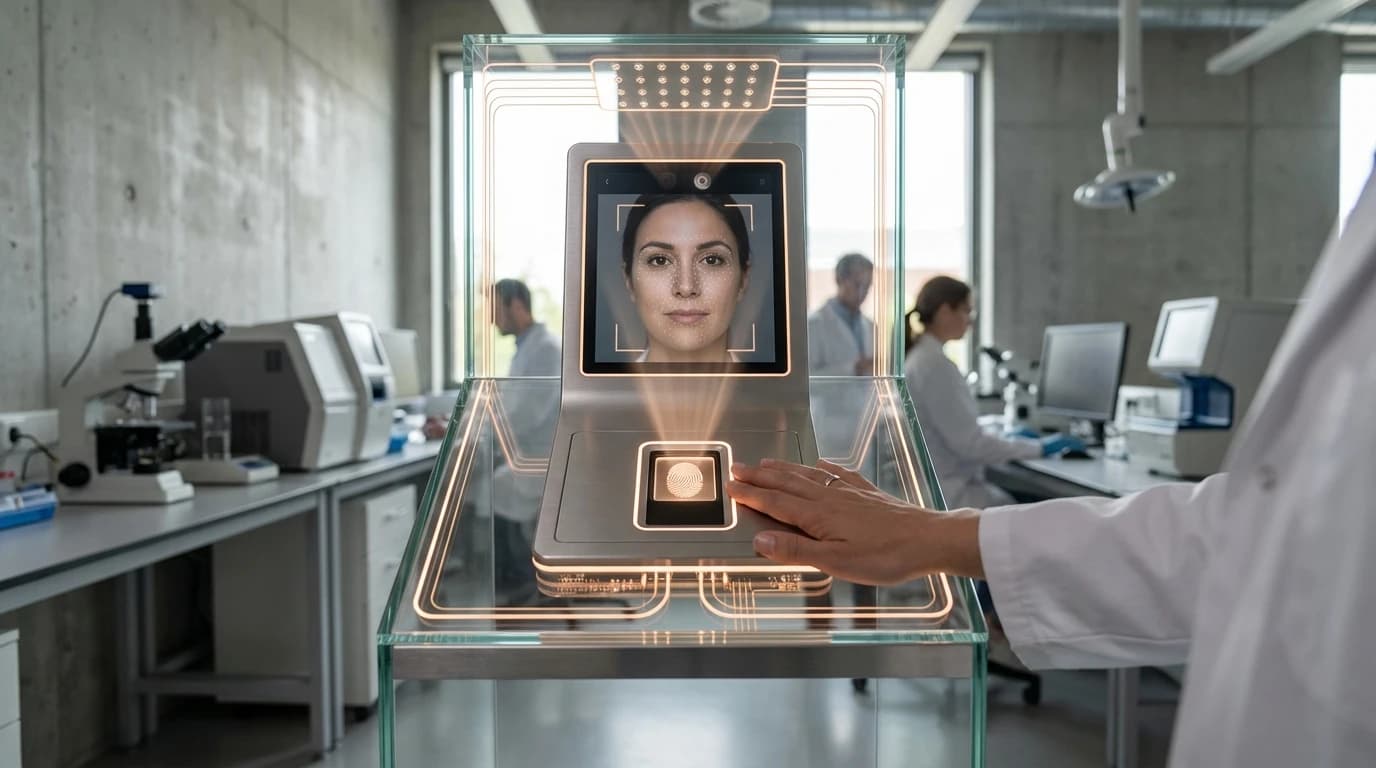
Hardware sensors with anti-spoofing capabilities for fingerprint, face, and iris authentication.
Defense systems protecting against information manipulation and influence operations.
Systems ensuring compliant, auditable user consent for data collection and sharing.
Real-time identity verification using behavioral and contextual signals.
Interoperable electronic identity systems spanning countries and regions.
Controlled environments for privacy-preserving data collaboration and matching.
User-controlled, cryptographically verifiable identifiers.
AI systems analyzing media to identify synthetic or manipulated content.
Mathematical guarantees that limit information leakage from aggregated data.
Secure identity binding for digital replicas of physical assets.
Platforms that combine signals and providers into unified identity proofing flows.
Collaborative machine learning training without centralizing sensitive data.
Hardware authenticators providing phishing-resistant passwordless login.
Computation on encrypted data yielding encrypted results.
High-assurance appliances for centralized key management and signing.
Signatures allowing validation of computations on signed data without decryption.
Real-time detection and mitigation of identity-based attacks and compromises.
Identity and credential management for autonomous AI agents and IoT.
ISO 18013-5 compliant mobile driver's licenses and national ID credentials.
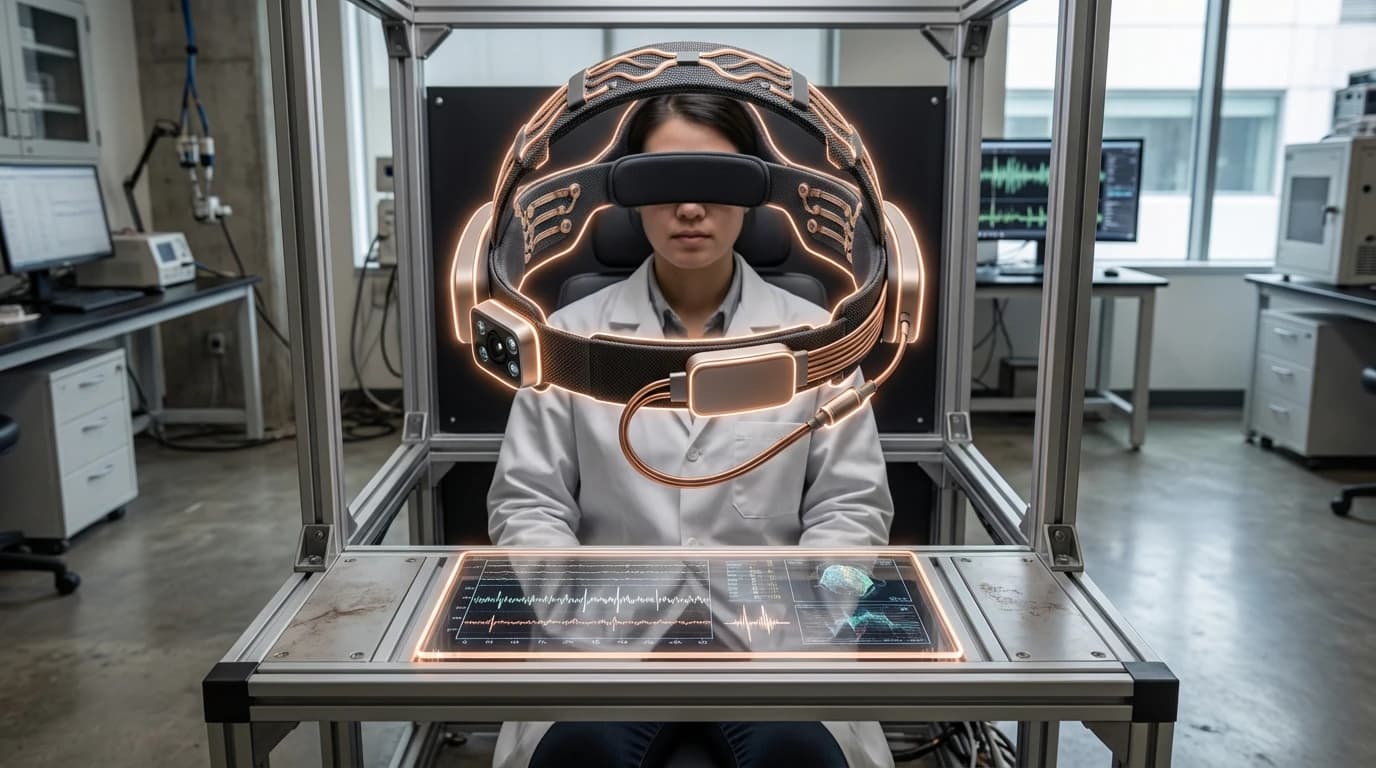
Brain-Computer Interfaces for authentication via unique neural signatures.
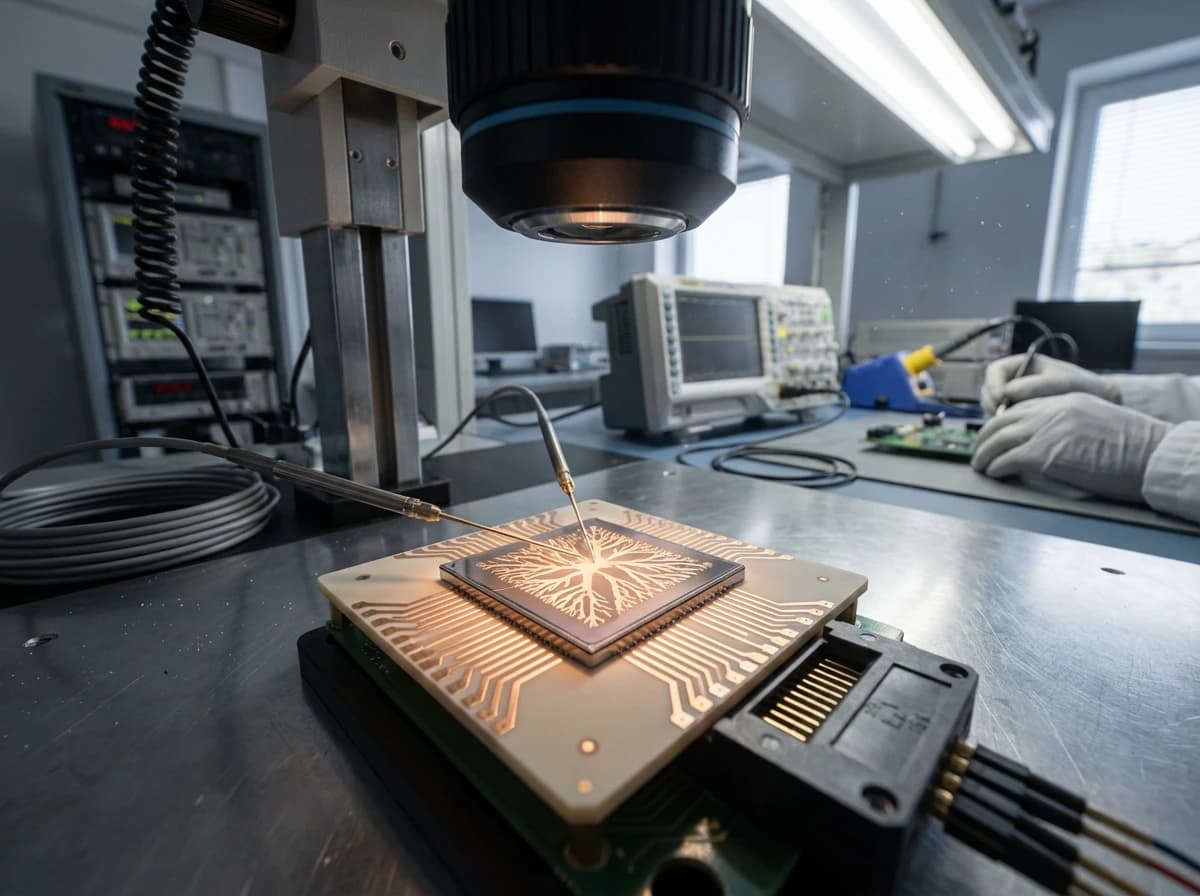
Hardware fingerprints derived from semiconductor manufacturing variations.
Cryptographic algorithms secure against quantum computer attacks.
Secure multi-party matching of identity records without data exposure.
Cryptographic mechanisms to distinguish unique humans from AI agents.
Cryptographic trust chains and public audit logs for certificate issuance.
Physics-based secure communication channels for unhackable key exchange.
Hardware generating true randomness using quantum mechanical phenomena.
Tamper-resistant chips for storing credentials and identity secrets.
Joint computation on private inputs without revealing them.
Applications enabling user control over digital identity and credentials.
End-to-end traceability of assets and documents to secure origin and integrity.
AI systems identifying fabricated identities combining real and fake data.
Secure areas in processors guaranteeing code and data protection.
Discrete cryptographic chips anchoring device identity and secure boot.
Digitally signed attestations that can be selectively disclosed and verified.
Blockchain-based trust registries governing credential issuers and schemas.
Public-key authentication replacing passwords with phishing-resistant login.
Cryptographic protocols proving knowledge without revealing underlying data.