Neuro-Identity Interfaces
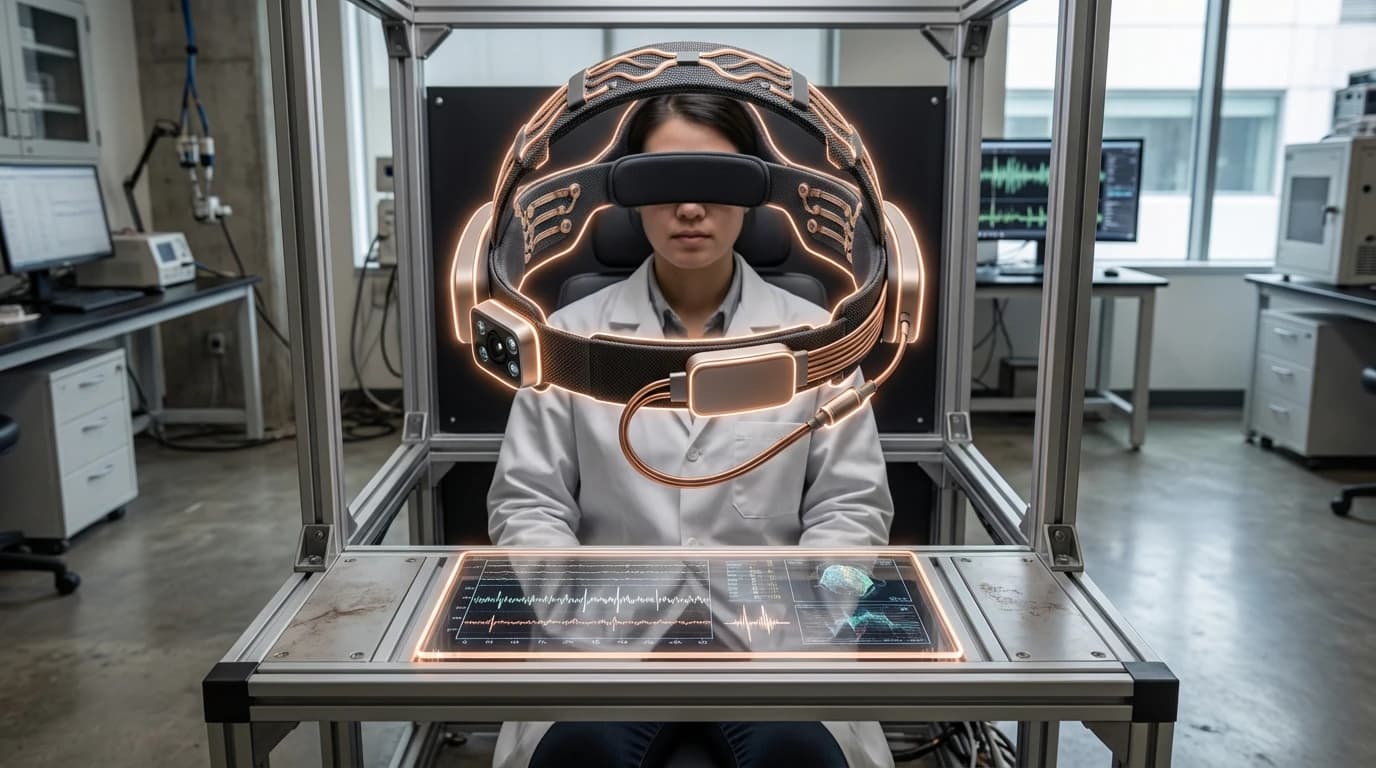
Neuro-Identity Interfaces represent an emerging frontier in biometric authentication that harnesses the unique electrical patterns of individual brain activity for identity verification. Unlike traditional biometrics such as fingerprints or facial recognition, these systems capture neural signatures through Brain-Computer Interfaces (BCIs), which record electrical signals generated by the brain's neural networks. The technology operates primarily through two approaches: non-invasive electroencephalography (EEG), which measures electrical activity through scalp-mounted sensors, and more advanced intracortical methods that capture signals directly from neural tissue. Each person's brain produces distinctive patterns when processing specific stimuli—whether visual cues, cognitive tasks, or even imagined movements—creating a biometric signature that is inherently difficult to forge or steal. The underlying principle relies on the fact that neural response patterns are shaped by individual neuroanatomy, personal experiences, and cognitive processing styles, making them as unique as fingerprints but far more dynamic and context-dependent.
The primary challenge this technology addresses is the vulnerability of conventional authentication methods to theft, coercion, and replication. Passwords can be stolen, fingerprints can be lifted, and even iris scans can potentially be spoofed with sophisticated techniques. Neuro-Identity Interfaces offer a fundamentally different security paradigm because neural signatures cannot be easily extracted without the user's active participation, and they change subtly over time, making replay attacks ineffective. This creates particular value in high-security environments where the stakes of unauthorised access are severe—such as military installations, financial trading systems, or sensitive research facilities. Beyond physical security, this technology also addresses the growing concern of protecting neural data itself. As BCIs become more prevalent in medical, consumer, and professional applications, the ability to verify that neural data truly originates from a specific individual becomes critical for maintaining data integrity and preventing neural identity fraud. The technology enables new models of consent and control over one's own cognitive information, potentially establishing legal frameworks for "neural data rights" that parallel existing privacy protections.
While widespread commercial deployment remains in early stages, research institutions and defence organisations have begun piloting neuro-identity systems in controlled environments. Early implementations suggest that authentication accuracy improves with repeated use as systems learn individual neural patterns, though challenges remain around the bulkiness of current EEG hardware and the need for calibration periods. The technology aligns with broader trends toward passwordless authentication and zero-trust security architectures, where continuous verification replaces single-point access control. As BCI hardware becomes more compact and affordable—driven by applications in gaming, accessibility, and medical monitoring—the infrastructure for neuro-identity authentication will naturally expand. Looking forward, this technology may evolve beyond simple authentication to enable graduated access levels based on cognitive state, ensuring that users are alert and unimpaired when accessing critical systems. The convergence of neurotechnology with identity verification represents not just a technical advancement but a philosophical shift in how we conceive of personal identity in digital spaces, raising important questions about the boundaries between biological privacy and security imperatives.
Related Organizations

Home to key research on 'Brainprint' technology, demonstrating 100% accuracy in identifying individuals via EEG responses to images.

Produces EEG headsets and the BCI-OS platform, allowing developers to build applications that respond to cognitive stress and facial expressions.

Manufacturer of biosensor chips (ThinkGear) and the MindWave headset, enabling low-cost consumer EEG.

Creators of the Muse headband, a consumer EEG device used for meditation and cognitive research.

Develops BCI-enabled headphones that detect focus and intent to control digital experiences.
Creates open-source brain-computer interface tools and the Galea headset (integrating with VR) for researching physiological responses.

Develops semi-dry and dry EEG wearable devices for human behavior research and neurotechnology applications.

Specializes in soft, dry-EEG electrodes for in-ear applications (hearables).
Produces dry electrode EEG systems based on technology licensed from Quantum Applied Science and Research (QUASAR).

Neuroanalytics company focusing on cognitive assessment.
Supporting Evidence
Research this in Signals
Signals turns a topic into a sourced research record you can inspect and rerun. Your first scan is free, and this one starts with Neuro-Identity Interfaces already loaded, so edit it or scan as is.