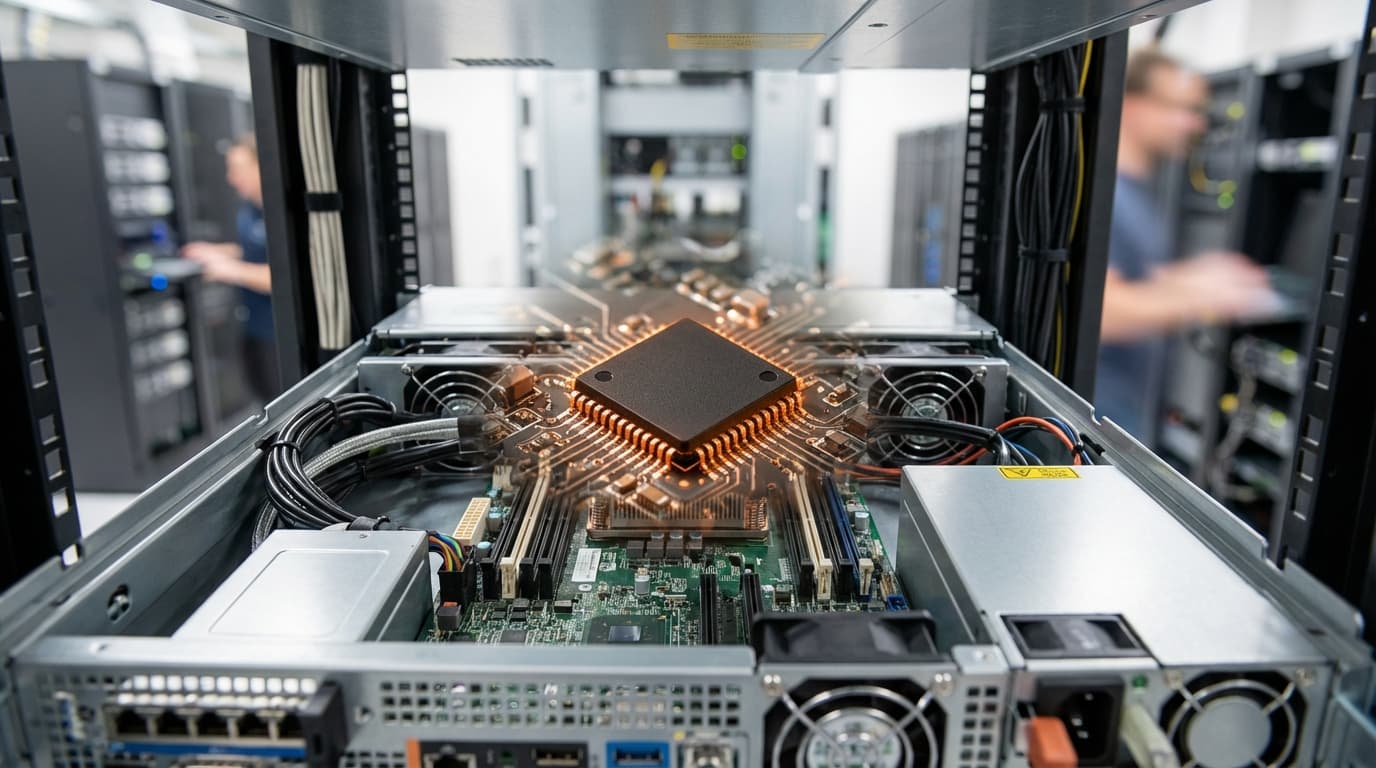
Trusted Platform Modules
Trusted Platform Modules (TPMs) are specialized microcontrollers embedded directly into computing devices to provide hardware-based security functions that software alone cannot guarantee. Unlike traditional security measures that rely on operating system protections or application-level encryption, TPMs create a hardware root of trust by generating and storing cryptographic keys in a tamper-resistant environment isolated from the main processor and memory. This physical separation ensures that even if an operating system is compromised, the fundamental cryptographic operations and key material remain protected. The chip performs critical security functions including secure boot verification, which checks that each component in the startup process has not been tampered with before allowing it to execute, and platform attestation, which provides cryptographic proof of a device's configuration and integrity state to remote parties. TPMs also incorporate a unique endorsement key burned into the hardware during manufacturing, establishing an immutable device identity that cannot be cloned or transferred.
In enterprise environments and critical infrastructure, the challenge of establishing trust in distributed computing systems has become increasingly acute. Organizations struggle to verify that devices connecting to their networks are genuine, uncompromised, and running authorized software configurations. TPMs address these challenges by providing a hardware-anchored chain of trust that begins at power-on and extends through the entire boot process and into runtime operations. This capability enables zero-trust security architectures where every device must continuously prove its integrity before accessing sensitive resources. The technology also solves the problem of secure credential storage, as TPMs can generate encryption keys that never leave the chip in unencrypted form, making them resistant to extraction even by sophisticated attackers with physical access. For cloud service providers and managed device fleets, TPMs enable remote attestation protocols that allow administrators to verify the security posture of thousands of endpoints without manual inspection.
TPMs have become standard components in modern laptops and enterprise servers, with major operating systems including Windows, Linux, and Chrome OS integrating TPM support for features like BitLocker encryption and secure credential storage. The technology is increasingly deployed in IoT devices and industrial control systems where establishing device authenticity is critical for operational security. Recent industry initiatives have expanded TPM capabilities to support firmware-based implementations in virtualized environments, allowing cloud workloads to benefit from similar hardware-backed security guarantees. As regulatory frameworks increasingly mandate hardware-based security controls for handling sensitive data, and as supply chain attacks targeting firmware and boot processes become more sophisticated, TPMs represent a foundational technology for establishing verifiable trust in computing platforms across industries.
Research this in Signals
Signals turns a topic into a sourced research record you can inspect and rerun. Your first scan is free, and this one starts with Trusted Platform Modules already loaded, so edit it or scan as is.