Data clean rooms and exchanges
This page is a narrower case of it.
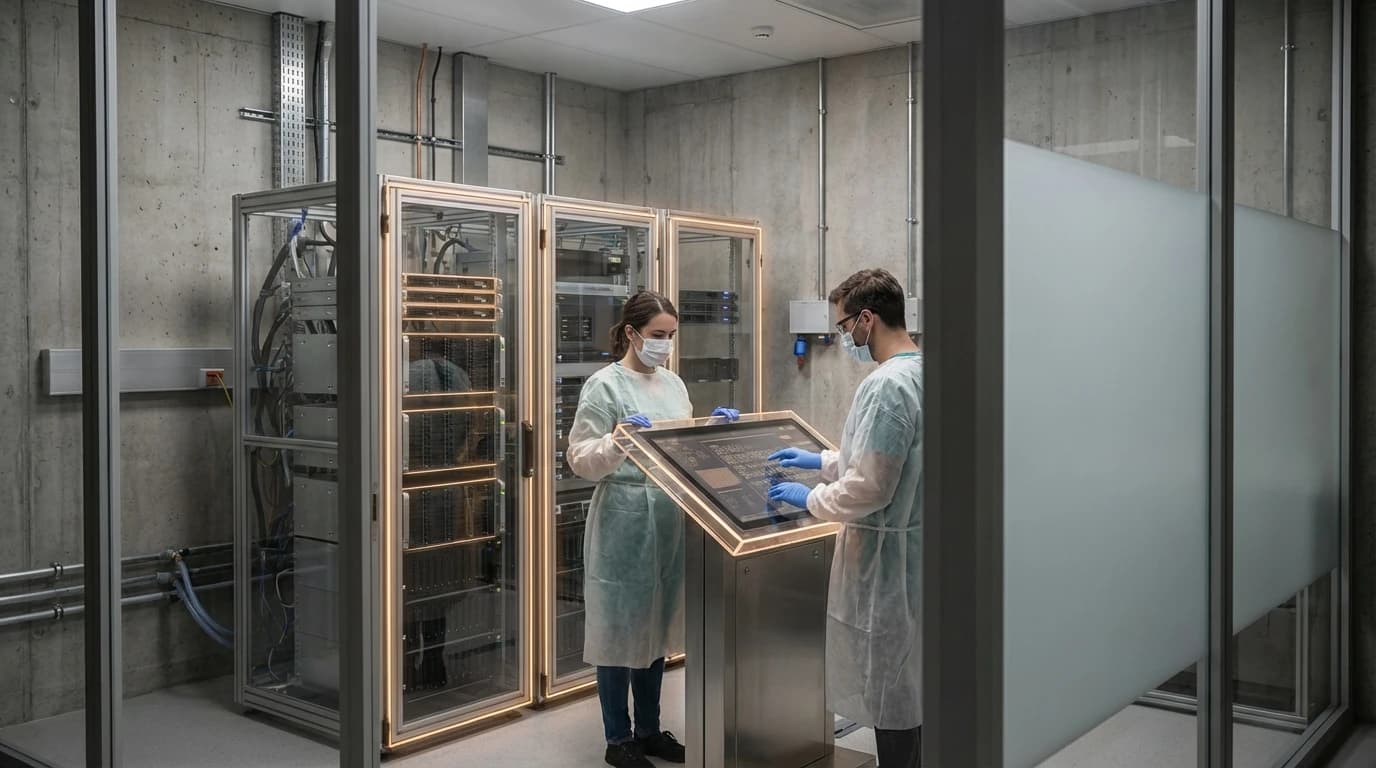
Data Clean Rooms represent a sophisticated approach to collaborative data analysis that addresses one of the most pressing challenges in the digital economy: how to derive insights from multiple datasets while maintaining strict privacy and security controls. At their core, these are secure computational environments where organizations can pool their data for joint analysis without exposing the underlying raw information to other participants. The technology operates through a combination of cryptographic techniques, access controls, and query restrictions that ensure data remains protected throughout the analytical process. When a company contributes data to a clean room, it never leaves their control in its raw form. Instead, the system employs methods such as differential privacy, secure multi-party computation, or federated learning to perform calculations on encrypted or anonymized data. The clean room enforces strict governance rules about what types of queries can be run, who can access results, and what level of aggregation is required before insights are released. This creates a neutral zone where competitive or sensitive data can be analyzed collectively while maintaining each participant's proprietary interests and compliance obligations.
The rise of Data Clean Rooms directly responds to the tension between the growing value of data collaboration and increasingly stringent privacy regulations like GDPR, CCPA, and sector-specific frameworks. Traditional data sharing arrangements often required one party to hand over complete datasets to another, creating significant legal exposure, competitive risks, and trust barriers. This limitation has prevented valuable collaborations in areas like fraud detection, where financial institutions could benefit enormously from pooling transaction patterns but cannot share customer data directly. Clean rooms solve this by enabling what industry analysts call "privacy-preserving collaboration"—allowing organizations to answer questions like "do our customer bases overlap?" or "what patterns indicate fraudulent behavior across our networks?" without revealing individual records. For advertisers and publishers, this technology has become particularly crucial as third-party cookies disappear, enabling them to measure campaign effectiveness and attribute conversions across platforms while respecting user privacy. The approach also unlocks new business models in healthcare research, supply chain optimization, and financial risk assessment, where regulatory constraints previously made multi-party data analysis nearly impossible.
Major technology providers and specialized vendors have begun offering Data Clean Room solutions, with early deployments indicating strong adoption in advertising technology, financial services, and healthcare sectors. Retailers are using clean rooms to collaborate with consumer goods manufacturers on joint marketing insights without exposing proprietary sales data. Financial institutions are forming fraud detection consortiums where transaction patterns can be analyzed collectively to identify emerging threats while keeping individual customer information confidential. In healthcare, research institutions are leveraging clean rooms to conduct multi-site clinical studies and epidemiological research that would be prohibitively complex under traditional data sharing agreements. As privacy regulations continue to evolve and organizations recognize that competitive advantage increasingly comes from collaborative intelligence rather than data hoarding, clean rooms are positioned to become standard infrastructure for the data economy. The technology represents a fundamental shift from data sharing to data collaboration, enabling organizations to extract collective value while maintaining individual control—a balance that will be essential as data-driven decision making becomes ubiquitous across industries.
Published forecasts about this technology, graded against what happened in Hindsight.
Data clean rooms and exchanges
This page is a narrower case of it.
Signals turns a topic into a sourced research record you can inspect and rerun. Your first scan is free, and this one starts with Data Clean Rooms already loaded, so edit it or scan as is.