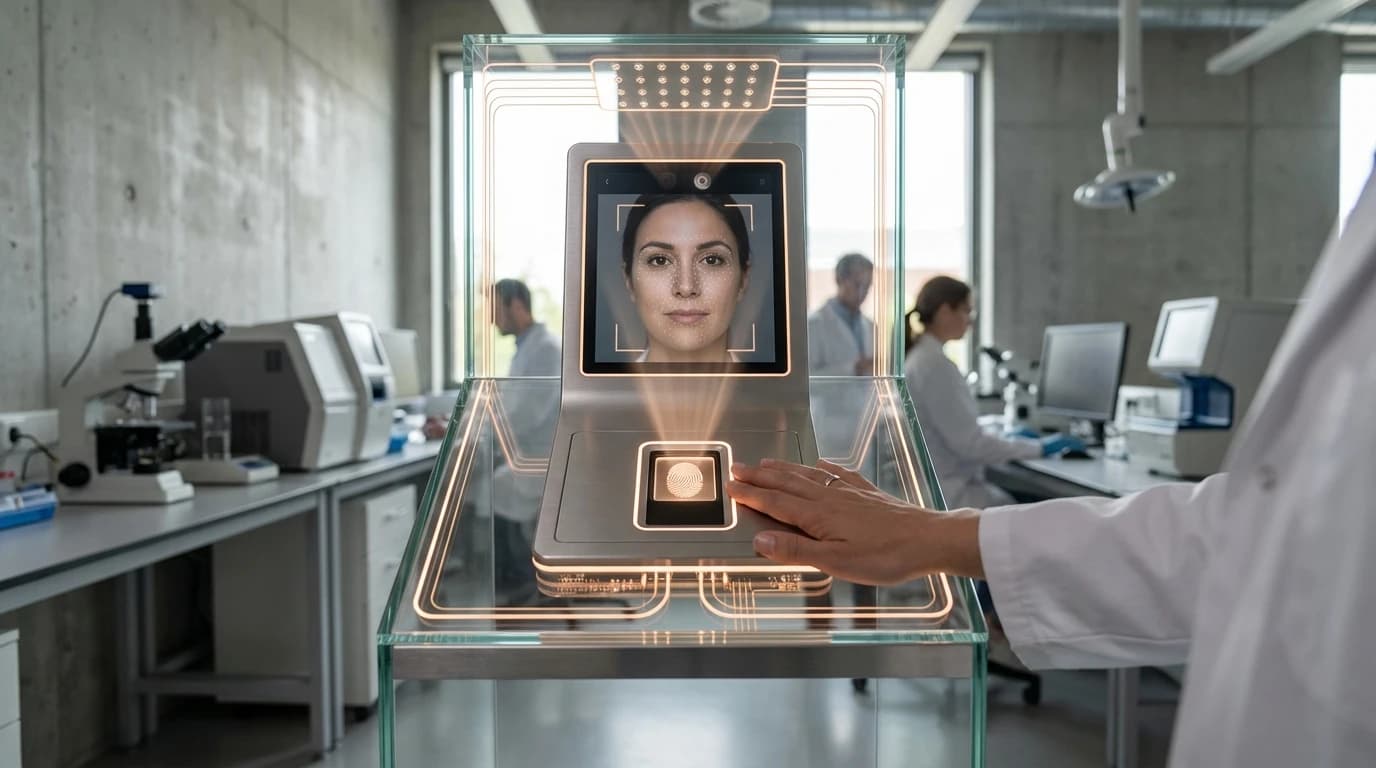
Biometric Sensors & Liveness Detection
Biometric authentication has become ubiquitous in modern security systems, yet its widespread adoption has exposed a critical vulnerability: presentation attacks, where fraudsters attempt to deceive sensors using photographs, silicone fingerprints, 3D-printed masks, or high-resolution video replays. Traditional biometric sensors, while effective at matching stored templates, often struggle to distinguish between genuine biological features and sophisticated spoofing attempts. This challenge has driven the development of advanced biometric sensors that integrate liveness detection capabilities directly into the hardware layer. These systems employ multiple sensing modalities simultaneously—combining visible light imaging with infrared thermography to detect body heat, multi-spectral analysis to verify skin subsurface characteristics, 3D depth mapping to confirm facial geometry, and even pulse oximetry to measure blood flow patterns. By fusing data from these diverse channels, modern biometric sensors can detect subtle indicators of life that are extraordinarily difficult to replicate artificially, such as the micro-movements of breathing, the thermal signature of living tissue, or the light absorption patterns of oxygenated blood beneath the skin.
The integration of liveness detection addresses fundamental security concerns that have limited biometric deployment in high-stakes environments. Financial institutions require absolute confidence that account access requests originate from legitimate customers rather than fraudsters wielding stolen biometric data or fabricated credentials. Border control agencies must prevent identity fraud while processing millions of travellers efficiently, necessitating sensors that can instantly verify authenticity without creating bottlenecks. Mobile device manufacturers face the challenge of balancing user convenience with robust security, particularly as smartphones increasingly serve as digital wallets and identity credentials. These advanced sensors solve the critical problem of passive versus active authentication—moving beyond simple template matching to actively verify the presence of a living subject. This capability enables organisations to deploy biometric systems with significantly reduced false acceptance rates, even against sophisticated attack vectors. The technology also addresses regulatory compliance requirements, as data protection frameworks increasingly mandate that biometric systems incorporate anti-spoofing measures to protect individuals from identity theft.
Commercial deployments of liveness-enabled biometric sensors have accelerated across multiple sectors, with banking institutions integrating facial recognition systems that combine visible and infrared imaging for mobile account access, while airport immigration systems increasingly rely on multi-modal verification that cross-references facial geometry with iris patterns and thermal signatures. Research in this domain continues to advance, with industry analysts noting particular progress in miniaturisation—enabling smartphone manufacturers to embed sophisticated multi-spectral sensors into consumer devices—and in algorithmic improvements that reduce verification times to milliseconds while maintaining security. The convergence of biometric authentication with broader digital identity frameworks suggests that liveness detection will become a foundational requirement rather than a premium feature. As synthetic media generation tools become more accessible and presentation attacks grow more sophisticated, the arms race between authentication systems and spoofing techniques will intensify, driving continued innovation in sensor fusion, machine learning-based anomaly detection, and behavioural biometrics that analyse patterns too complex for attackers to replicate convincingly.
Related Organizations

Provider of 3D face authentication software with a strong focus on liveness detection to prevent fraud and spoofing.

Develops and produces biometric systems (sensors, algorithms, software) for payments.

A provider of fingerprint sensors and human interface solutions, known for pioneering in-display fingerprint sensors.


Provides 'Genuine Presence Assurance' technology that verifies a user is real and present without storing sensitive biometric templates unnecessarily.

A developer of human interface (HMI) hardware and software, including touch, display, and biometrics.

Develops active thermal fingerprint sensors which offer high security and spoof resistance compared to capacitive sensors.

A supplier of biometric software for identity authentication, specializing in 'Match-on-Card' and 'Match-on-Chip' solutions to secure templates.

Provides the Digital Onboarding Toolkit (DOT) which includes on-device components for document and face verification.

Provides biometric software products and solutions, including Knomi for mobile biometric authentication.
Supporting Evidence
Research this in Signals
Signals turns a topic into a sourced research record you can inspect and rerun. Your first scan is free, and this one starts with Biometric Sensors & Liveness Detection already loaded, so edit it or scan as is.