Envisioning is an emerging technology research institute and advisory.

LinkedInInstagramGitHub

2011 — 2026

research
  • Reports
  • Newsletter
  • Methodology
  • Origins
  • Vocab
services
  • Research Sessions
  • Signals Workspace
  • Bespoke Projects
  • Use Cases
  • Signal Scanfree
  • Readinessfree
impact
  • ANBIMAFuture of Brazilian Capital Markets
  • IEEECharting the Energy Transition
  • Horizon 2045Future of Human and Planetary Security
  • WKOTechnology Scanning for Austria
audiences
  • Innovation
  • Strategy
  • Consultants
  • Foresight
  • Associations
  • Governments
resources
  • Pricing
  • Partners
  • How We Work
  • Data Visualization
  • Multi-Model Method
  • FAQ
  • Security & Privacy
about
  • Manifesto
  • Community
  • Events
  • Support
  • Contact
  • Login
ResearchServicesPricingPartnersAbout
  1. Home
  2. Research
  3. Cities
  4. Cloud-Connected Supply Chain

Cloud-Connected Supply Chain

Real-time supply chain coordination via cloud platforms connecting manufacturers to consumers
Back to CitiesView interactive version

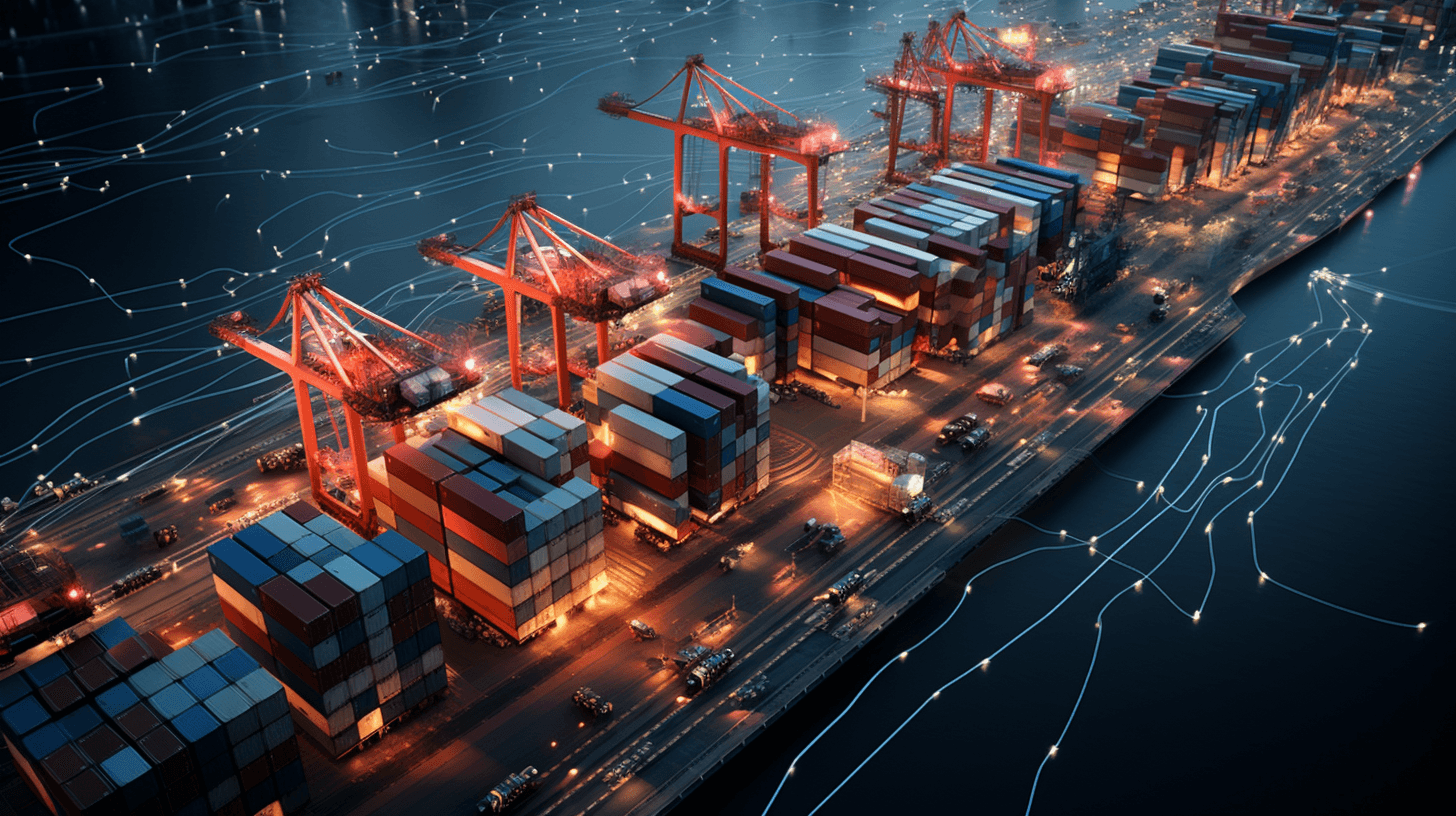
As urban populations swell and consumer demands rise, cities face mounting pressure to optimise their supply chains. Traditional supply chain models, often fragmented and inefficient, struggle to keep pace with the dynamic nature of modern urban logistics. These inefficiencies can lead to increased costs, delays, and even shortages of essential goods. Enter the cloud-connected supply chain, a solution that integrates advanced cloud computing technologies to revolutionise the way goods are managed and distributed in urban environments.

A cloud-connected supply chain leverages the power of cloud computing to create a unified, real-time network that connects all stakeholders involved in the supply chain process. This network includes manufacturers, suppliers, distributors, retailers, and customers. By utilising cloud-based platforms, these stakeholders can access and share information seamlessly, enhancing transparency and coordination. The technology employs data analytics, Internet of Things (IoT) devices, and machine learning algorithms to monitor and predict supply chain activities, ensuring optimal efficiency and responsiveness.

The core functionality of a cloud-connected supply chain lies in its ability to provide real-time visibility and data-driven decision-making. IoT sensors and devices collect data on inventory levels, transportation conditions, and demand fluctuations, transmitting this information to a centralised cloud platform. Advanced analytics then process this data, offering actionable insights to stakeholders. For instance, if a sudden spike in demand for a particular product is detected, the system can automatically adjust inventory levels and reroute shipments to prevent stockouts. This predictive capability reduces waste, lowers costs, and improves the overall resilience of the supply chain.

As urban centres grow, the need for efficient, responsive, and sustainable supply chains becomes critical. This technology not only enhances the reliability of goods delivery but also supports environmental sustainability by optimising routes and reducing unnecessary transportation. Furthermore, the increased transparency and coordination fostered by cloud-connected systems can mitigate the risks of disruptions, such as those caused by natural disasters or global pandemics, ensuring that urban populations have continuous access to essential goods and services.

Technology Readiness Level
8/9Ready for Implementation
Diffusion of Innovation
3/5Early Majority
Technology Life Cycle
2/4Growth
Category
Software

Related Organizations

Flexport logo
Flexport

United States · Company

95%

A digital-first freight forwarder that uses a cloud platform to manage global logistics and supply chain visibility.

Deployer
Project44 logo
Project44

United States · Company

95%

Provides an advanced visibility platform for shippers and logistics service providers, connecting data across the supply chain.

Developer
FourKites logo
FourKites

United States · Company

90%

Real-time supply chain visibility platform that uses predictive analytics to track shipments across modes.

Developer
Samsara logo
Samsara

United States · Company

90%

IoT platform for connected operations, using AI to predict vehicle maintenance needs and improve fleet safety.

Developer
Chain.io

United States · Startup

85%

Cloud-based integration platform specifically designed to connect supply chain software and stakeholders.

Developer
Kinaxis logo
Kinaxis

Canada · Company

85%

Supply chain planning software (RapidResponse) that provides concurrent planning via the cloud.

Developer
Shippeo logo
Shippeo

France · Company

85%

European leader in real-time transportation visibility, helping shippers track deliveries and predict ETAs.

Developer
WiseTech Global logo
WiseTech Global

Australia · Company

85%

Developer of CargoWise, a deeply integrated global logistics execution platform used by major freight forwarders.

Developer
Altana AI logo
Altana AI

United States · Startup

80%

Uses AI to build a shared source of truth for the global supply chain, mapping networks and compliance.

Developer
Manhattan Associates logo
Manhattan Associates

United States · Company

80%

Provides cloud-native supply chain commerce solutions, specifically Warehouse Management Systems (WMS).

Developer

Supporting Evidence

Paper

Digital transformation in supply chains: improving resilience and sustainability through AI, Blockchain, and IoT

Frontiers in Sustainability · Dec 5, 2025

This study explores how the integration of Artificial Intelligence (AI), Blockchain, and IoT facilitates digital transformation in global supply chains, addressing disruptions and environmental pressures to improve resilience and sustainability.

Support 95%Confidence 98%

Paper

Managing sustainable agricultural supply chains in smart cities with IoT and blockchain

Environment, Development and Sustainability · Feb 12, 2026

This study develops a blockchain and IoT-based framework for agricultural supply chains in smart cities, demonstrating a 35% faster transaction validation and 28% quicker data access while reducing food waste.

Support 92%Confidence 95%

Article

Creating a competitive supply chain advantage through connected communities

www2.deloitte.com

Key success factors that can drive the movement of goods in the postpandemic world.

Support 50%Confidence 80%

Article

How the cloud boosts supply chain innovation

accenture.com

Today, all eyes are on supply chain management. Supply chain leaders must figure out how to deal with changing demand and disruptions. COVID-19 taught us we can’t just optimize for the new normal. In fact, in new Accenture research on supply chain and the cloud, 53% of supply chain executives said the pandemic made them rethink their overall supply chain. That’s why companies are using the cloud to help them move beyond their current supply chains. Leading companies see the cloud not as a destination. They see it as a continuum of capabilities that can help them create powerful new operating models.

Support 50%Confidence 80%

Article

Building Smart Cities with AWS Cloud

aws.amazon.com

Cities are leveraging AWS Cloud to become more livable, sustainable, and accessible! Get the technology and the support you need to realize your vision!

Support 50%Confidence 80%

Article

Supply chain digital transformation: Look to the cloud

sap.com

In the past few years, businesses had been dealing with unpredictable trade policies, increasingly complex consumer preferences, shorter-than-ever product lifecycles and rollout times, and various other supply chain issues. To compete – and thrive – in this challenging landscape, many business leaders are taking a closer look at their current supply chain operations, with the urgent goal of making them more resilient, efficient, and cost-effective.

Support 50%Confidence 80%

Article

How can generative AI drive logistics transformation?

maersk.com

In the summer of 1997, the world witnessed a clash of wits like never before as Deep Blue, IBM's formidable chess-playing computer, went head-to-head with the grandmaster Garry Kasparov. It was a battle of brains and algorithms, where circuits and code challenged the strategic brilliance of one of the greatest chess minds. In an unexpected twist, Deep Blue emerged victorious, marking a historic moment, and firmly asserting the prowess of AI in strategic decision-making. By late 2010, as advancements in machine learning and AI technologies started gaining momentum, some companies began exploring ways to leverage AI for optimisation and efficiency in supply chain processes. But recent breakthroughs in the field hold the potential to fundamentally change supply chain operations.

Support 50%Confidence 80%

Connections

Software
Software
GovCloud

Secure cloud infrastructure built for government data storage, compliance, and inter-agency collaboration

Technology Readiness Level
9/9
Diffusion of Innovation
4/5
Technology Life Cycle
3/4
Software
Software
Autonomous Sustainability Monitoring

Real-time sensor networks and AI tracking air quality, energy use, and waste across cities

Technology Readiness Level
6/9
Diffusion of Innovation
2/5
Technology Life Cycle
1/4

Book a research session

Bring this signal into a focused decision sprint with analyst-led framing and synthesis.
Research Sessions