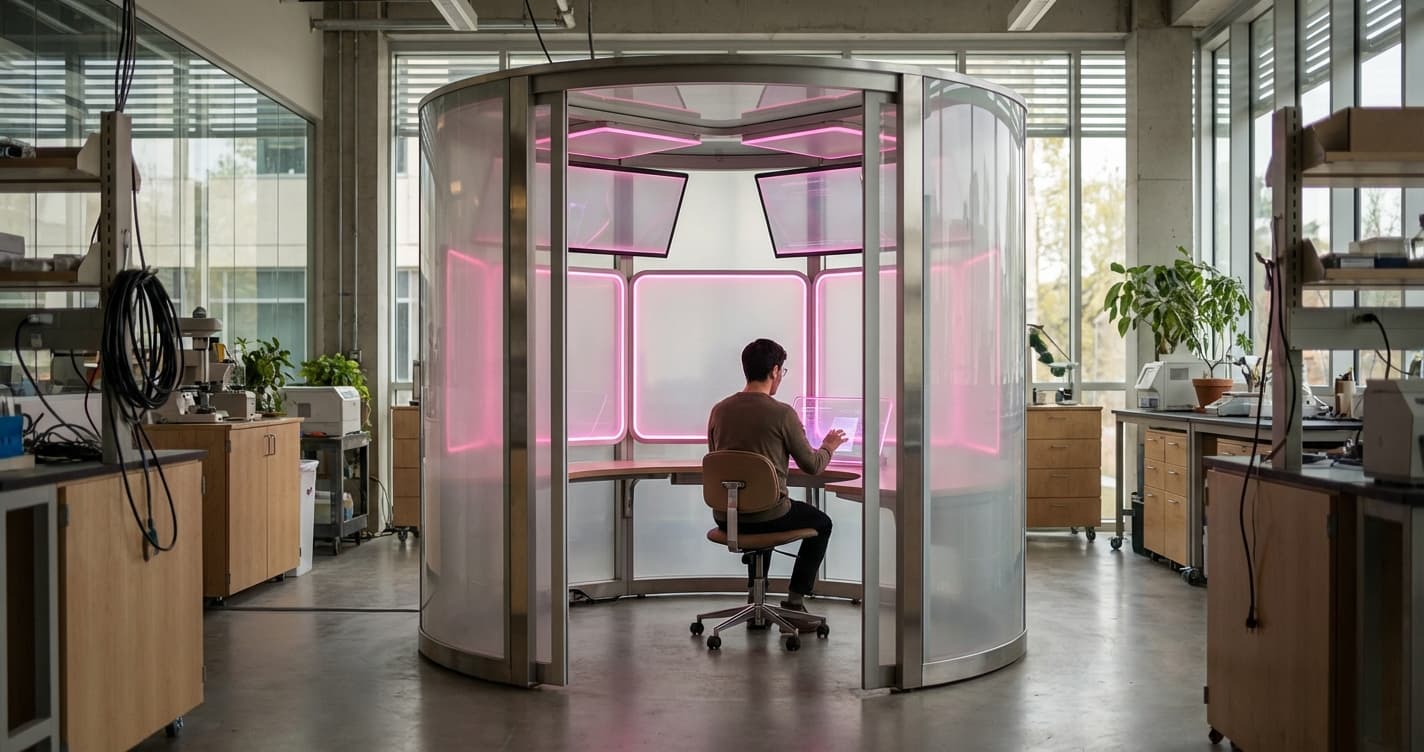
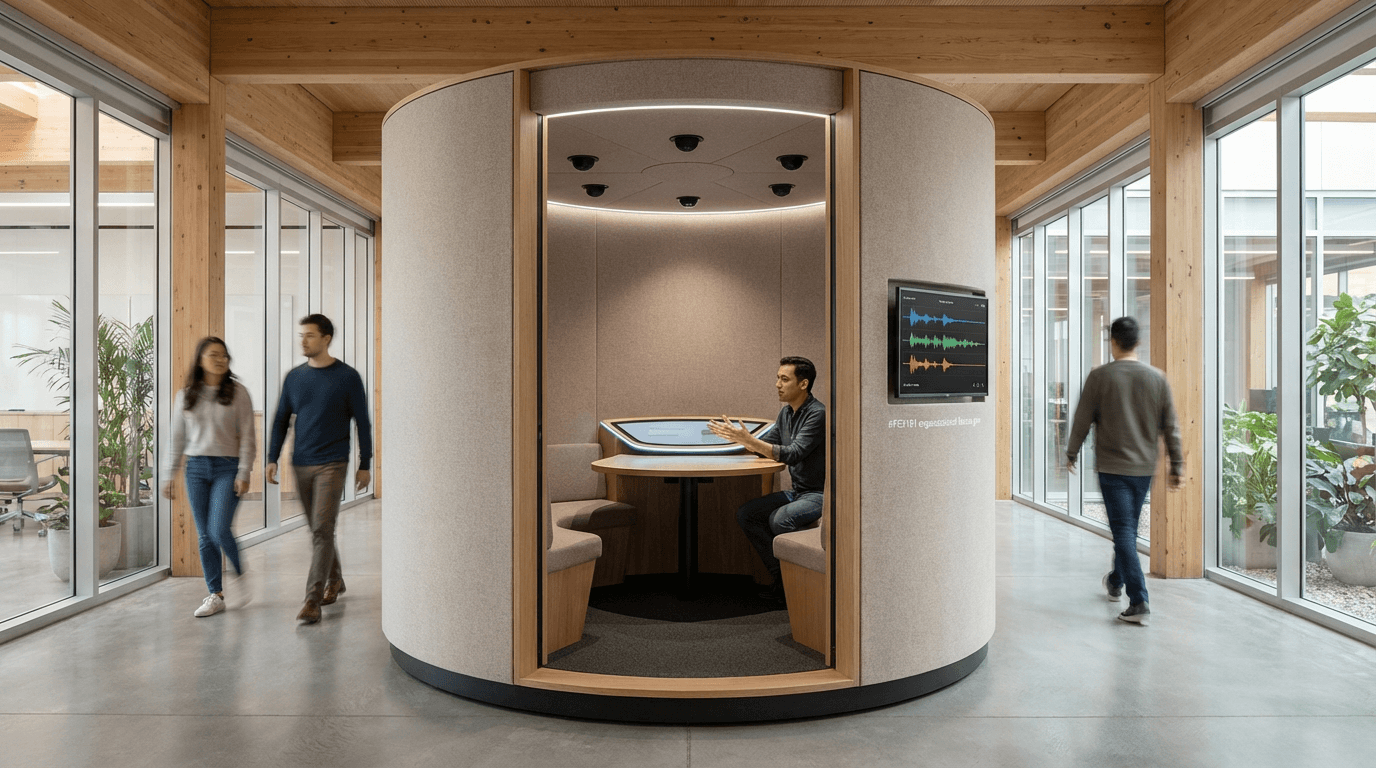
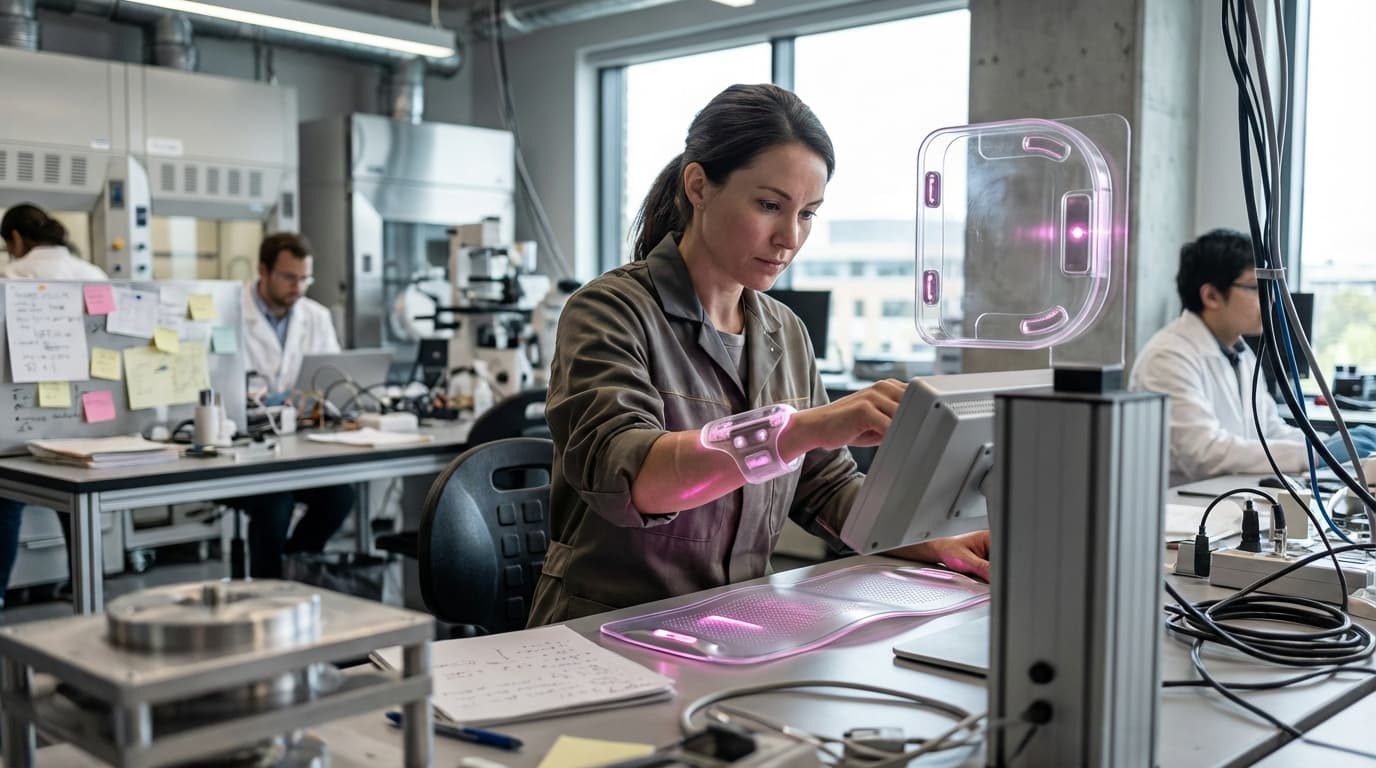
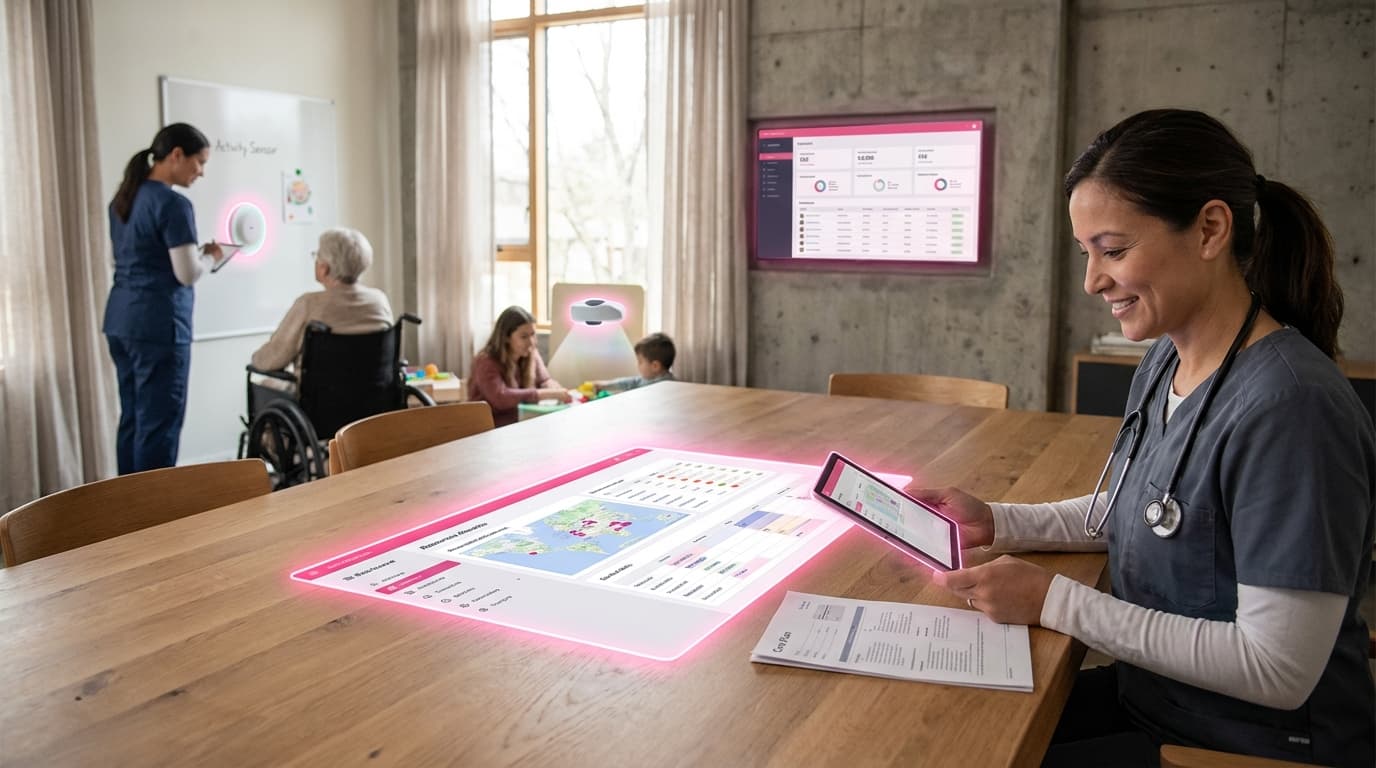
Smart micro-environments that reconfigure for different modes of work.
Dynamic compensation and reward systems tuned by organizational goals.
Autonomous AI agents that manage and execute complex business processes.
Tools for evaluating the societal and ethical risks of deployed AI systems.
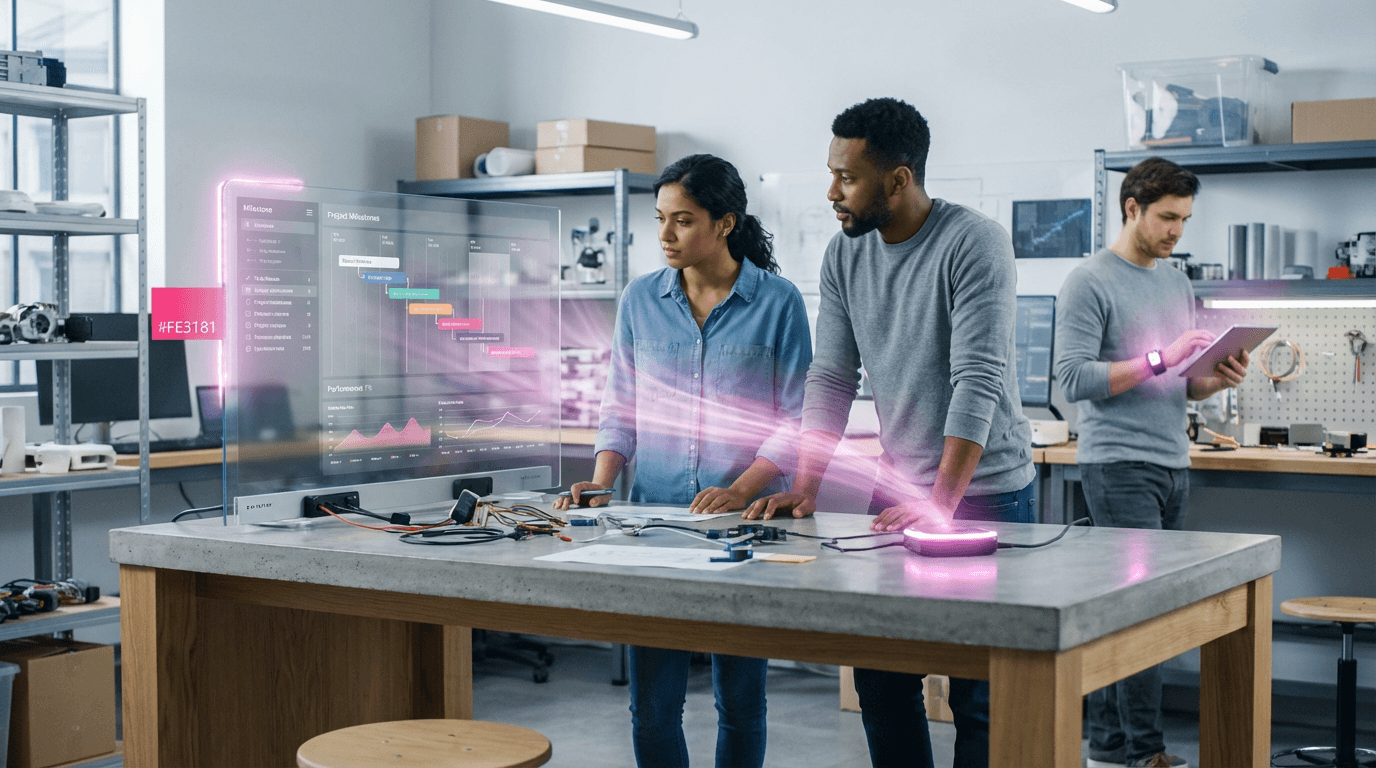
Platforms for automated task allocation and performance evaluation.
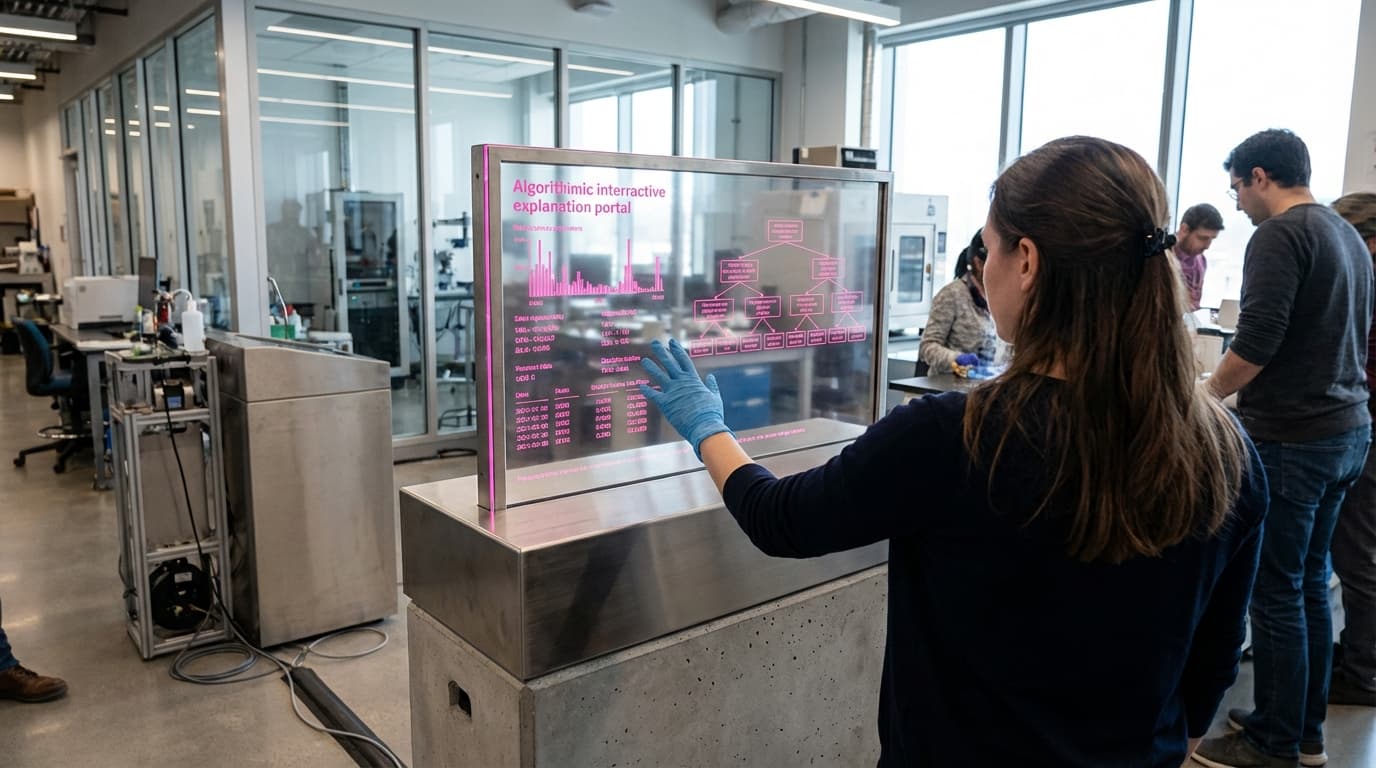
Interfaces that expose how workplace algorithms affect individual workers.
Peripheral devices providing non-intrusive awareness of team status.
Persistent audio spaces for non-linear voice collaboration.
Wearables and sensors for tracking workforce physiological wellbeing.
Digital infrastructure valuing and coordinating reproductive and care work.
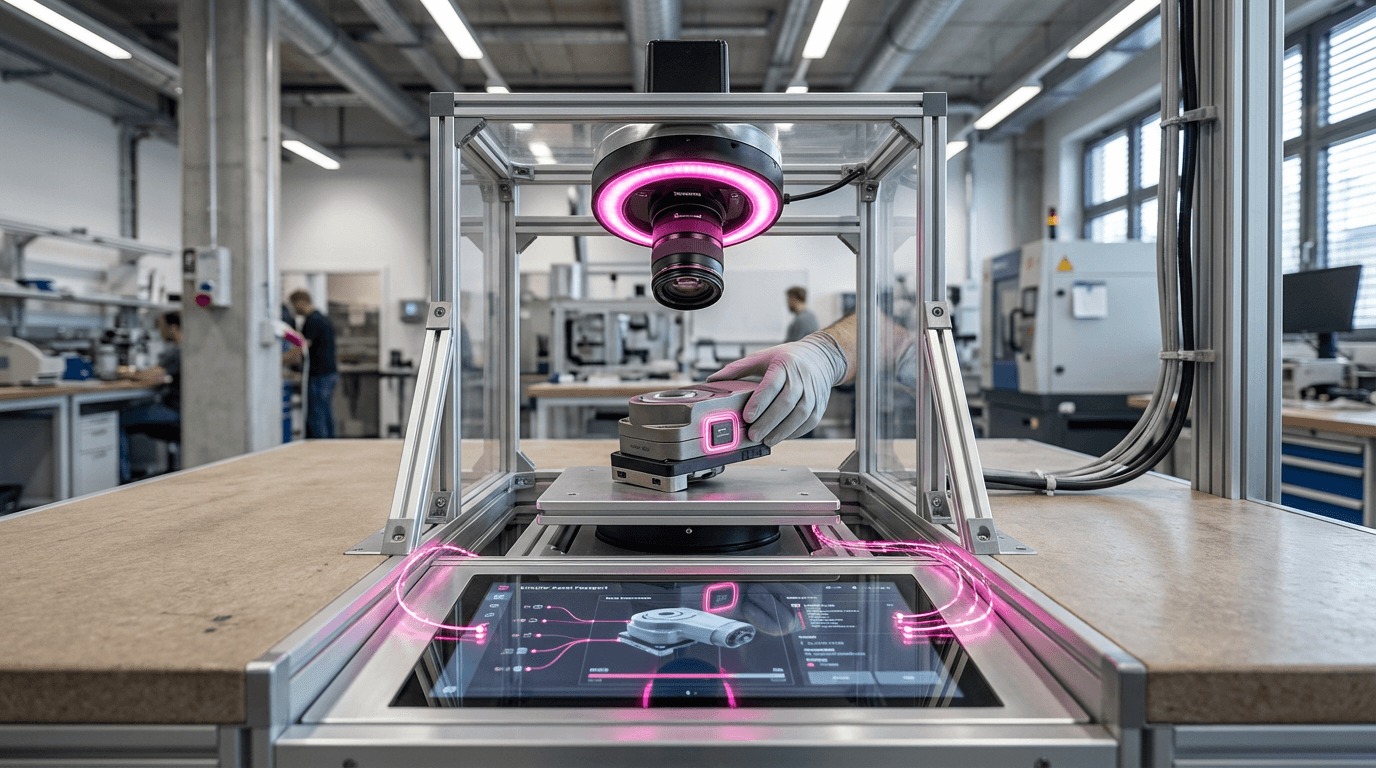
Digital identity systems for tracking the full lifecycle and provenance of organizational assets.
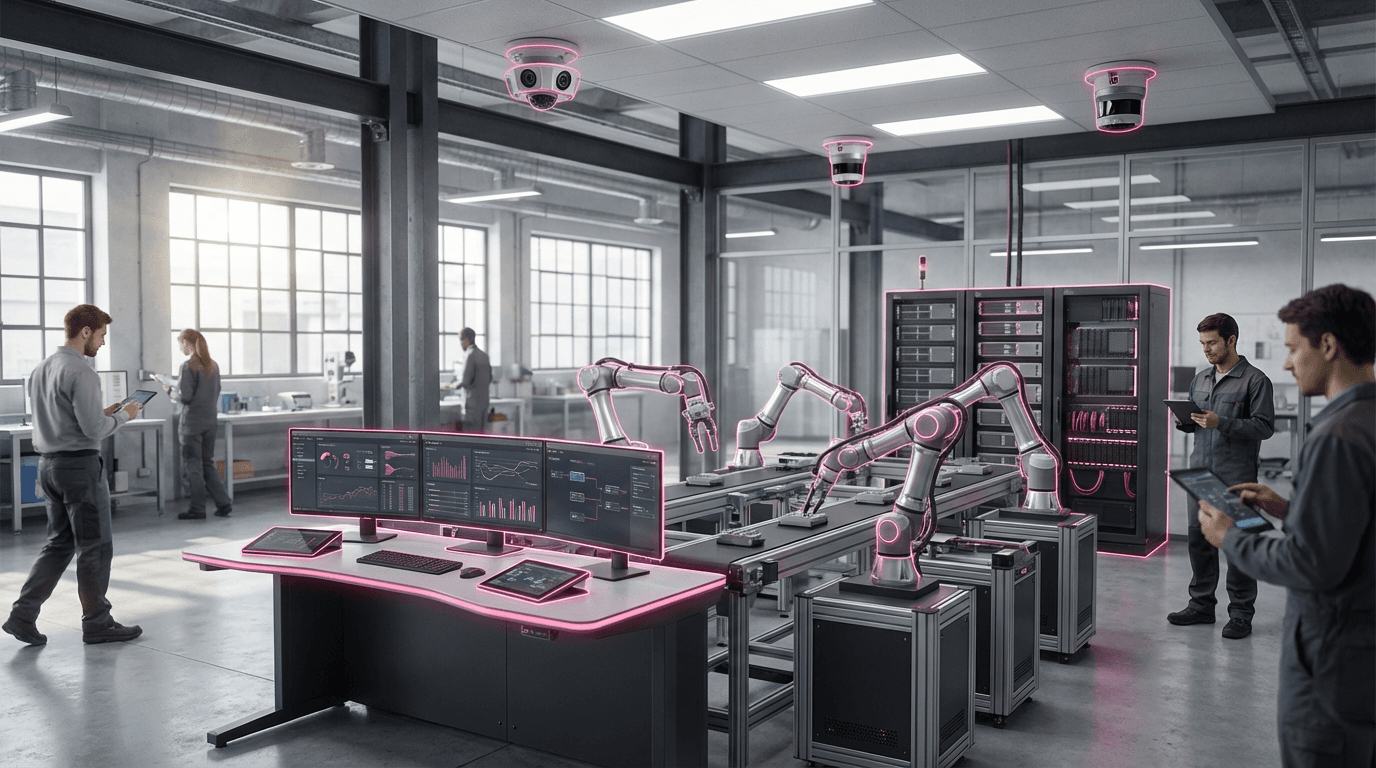
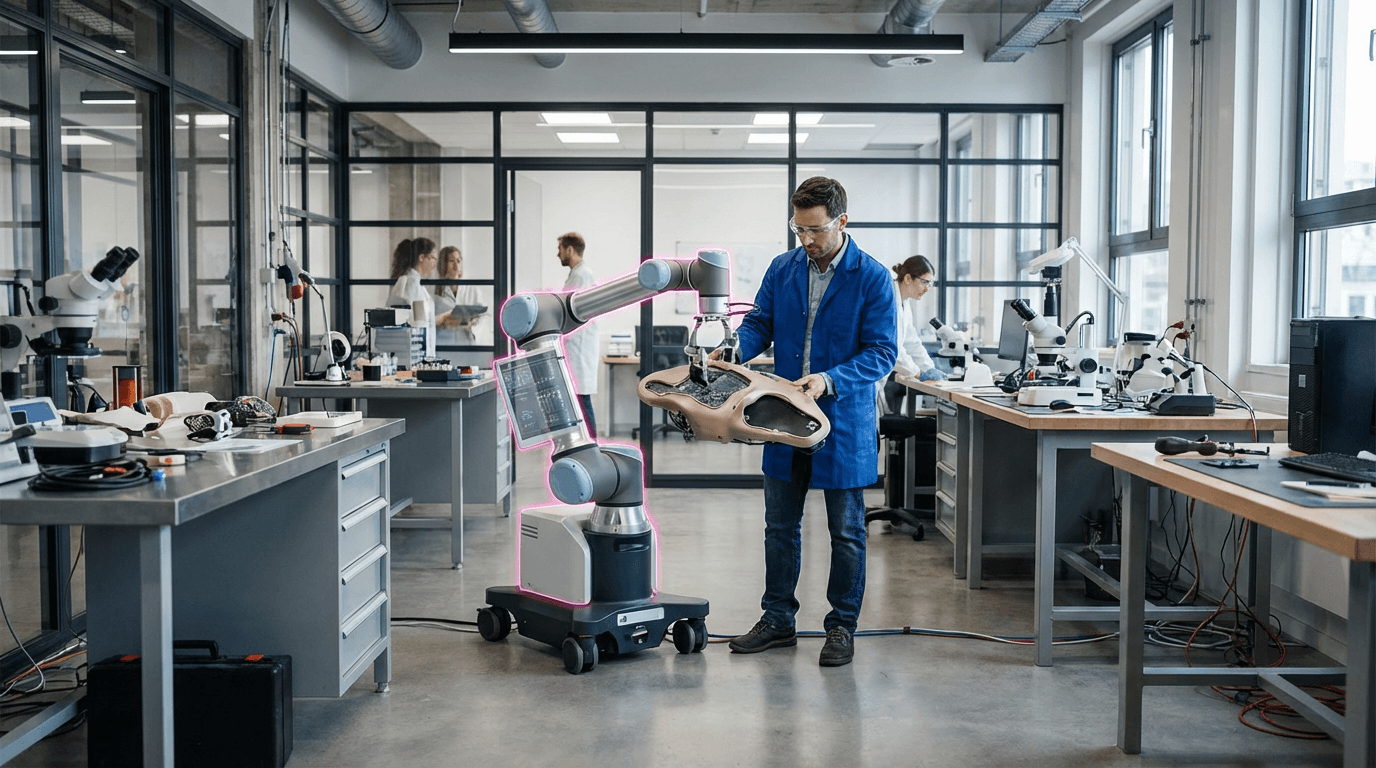
Adaptive robots working alongside humans in knowledge work settings.
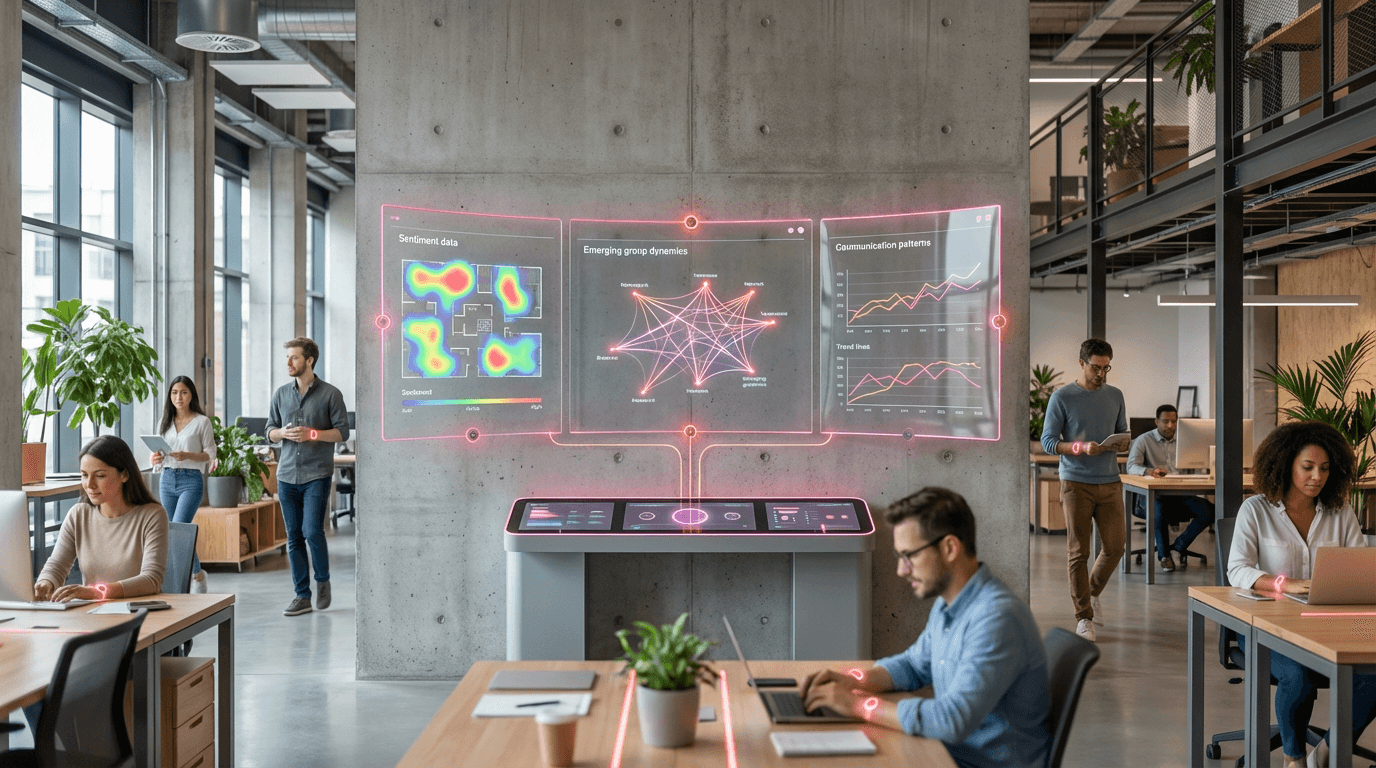
Real-time views into sentiment, norms, and emerging cultural fractures.
Blockchain-based protocols for decentralized decision-making and ownership.
Simulation models for predicting the impact of organizational changes.
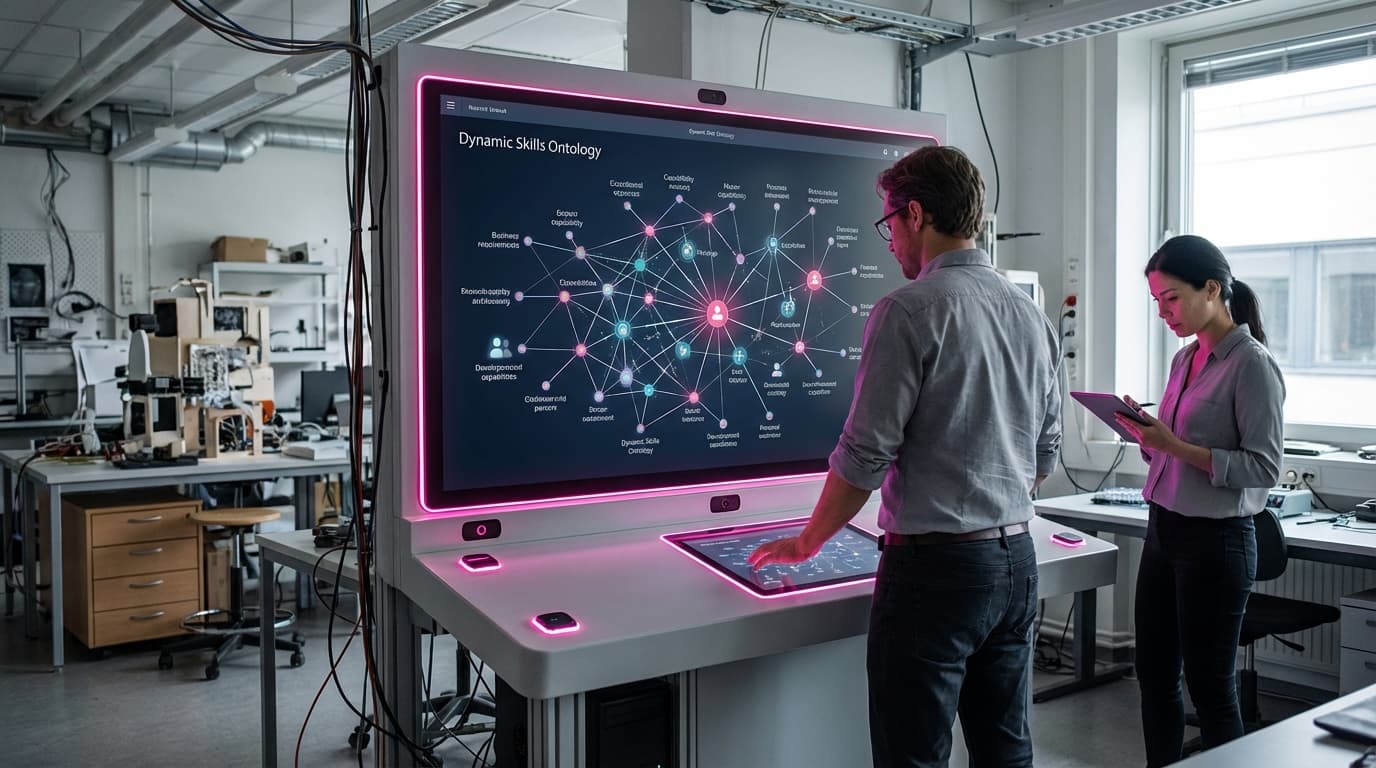
AI-driven systems that map and update the organization's collective capabilities.
Collaborative machine learning across organizations without sharing raw data.
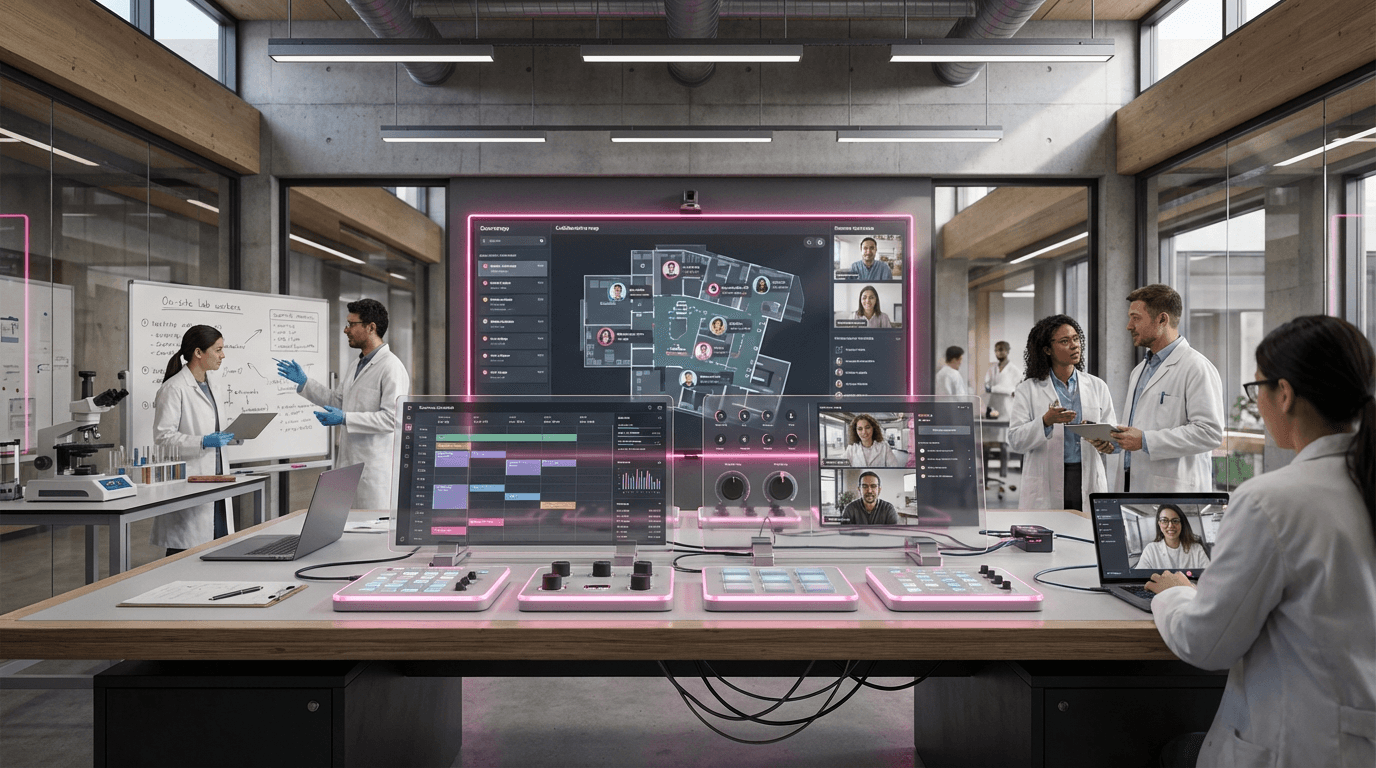
Scheduling and coordination engines designed for mixed remote and on-site work.
Organizational models based on long-term stewardship and kinship.
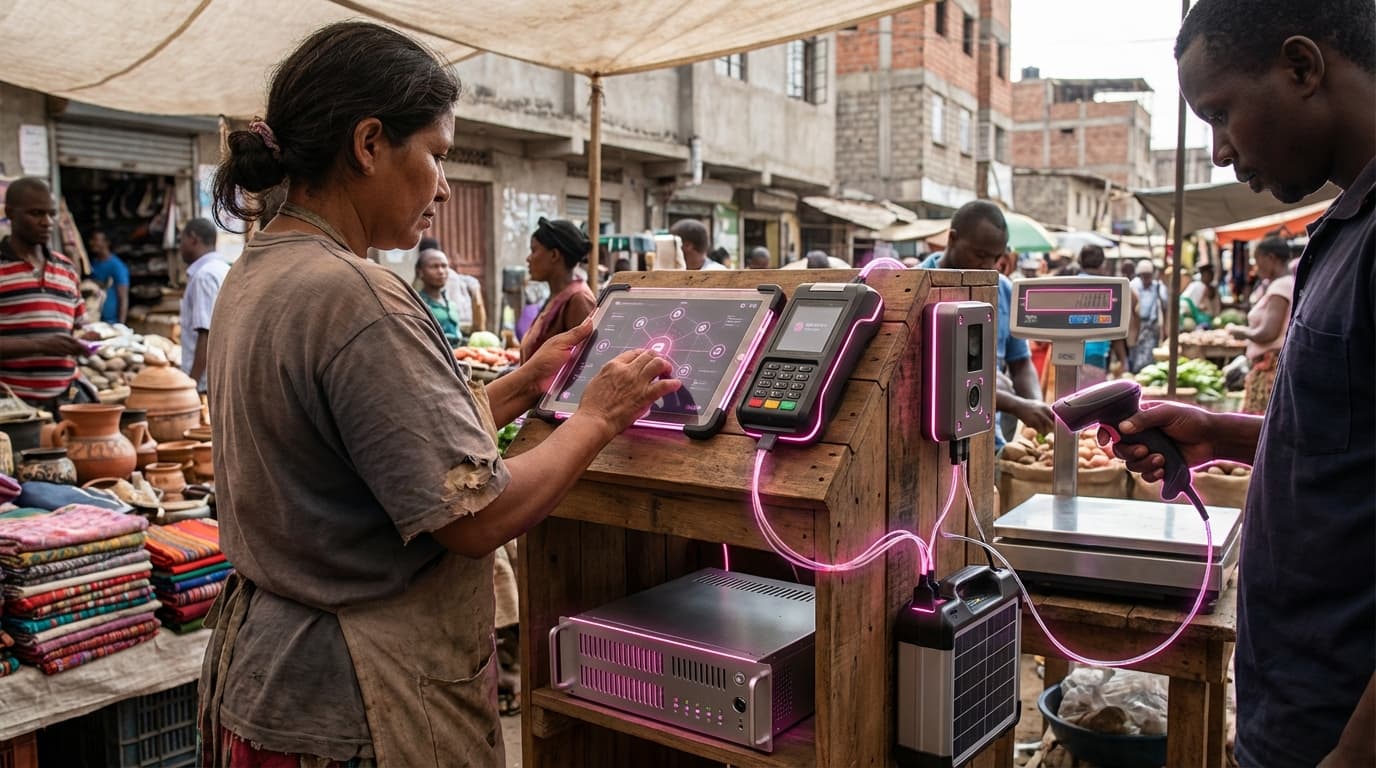
Digital tools empowering informal sector workers with formal-sector capabilities.
Gig-style platforms matching employees to projects across the enterprise.
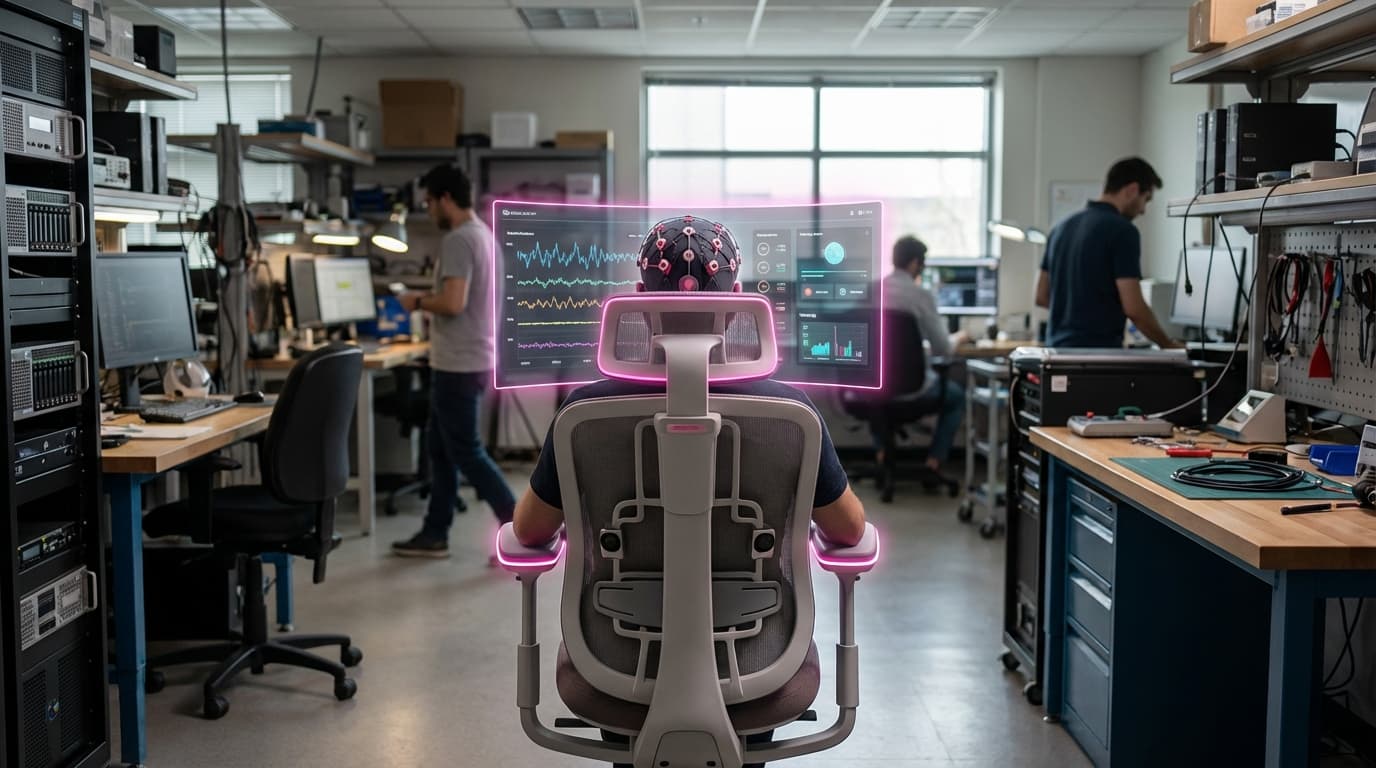
Immersive environments for accelerating skill acquisition via brain-state modulation.
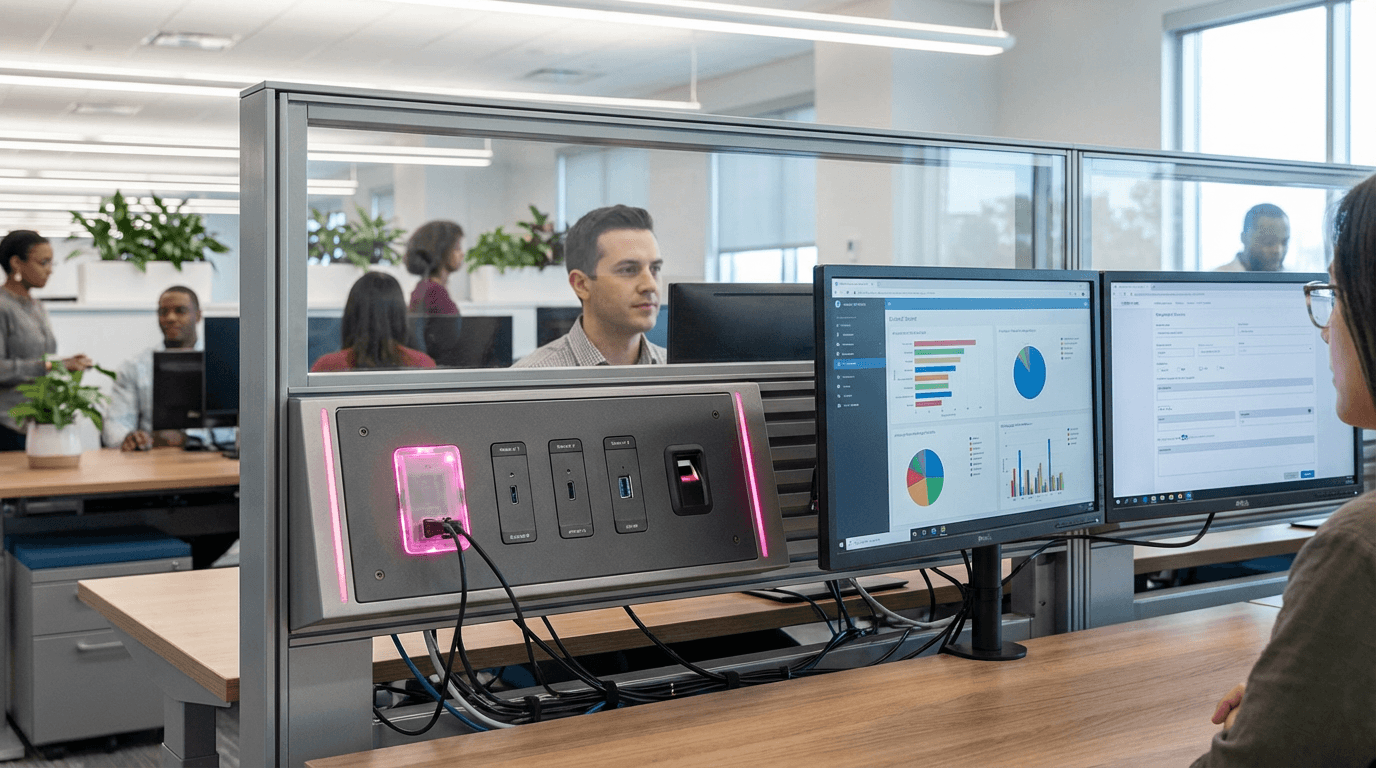
Technical and legal standards protecting mental privacy in the workplace.
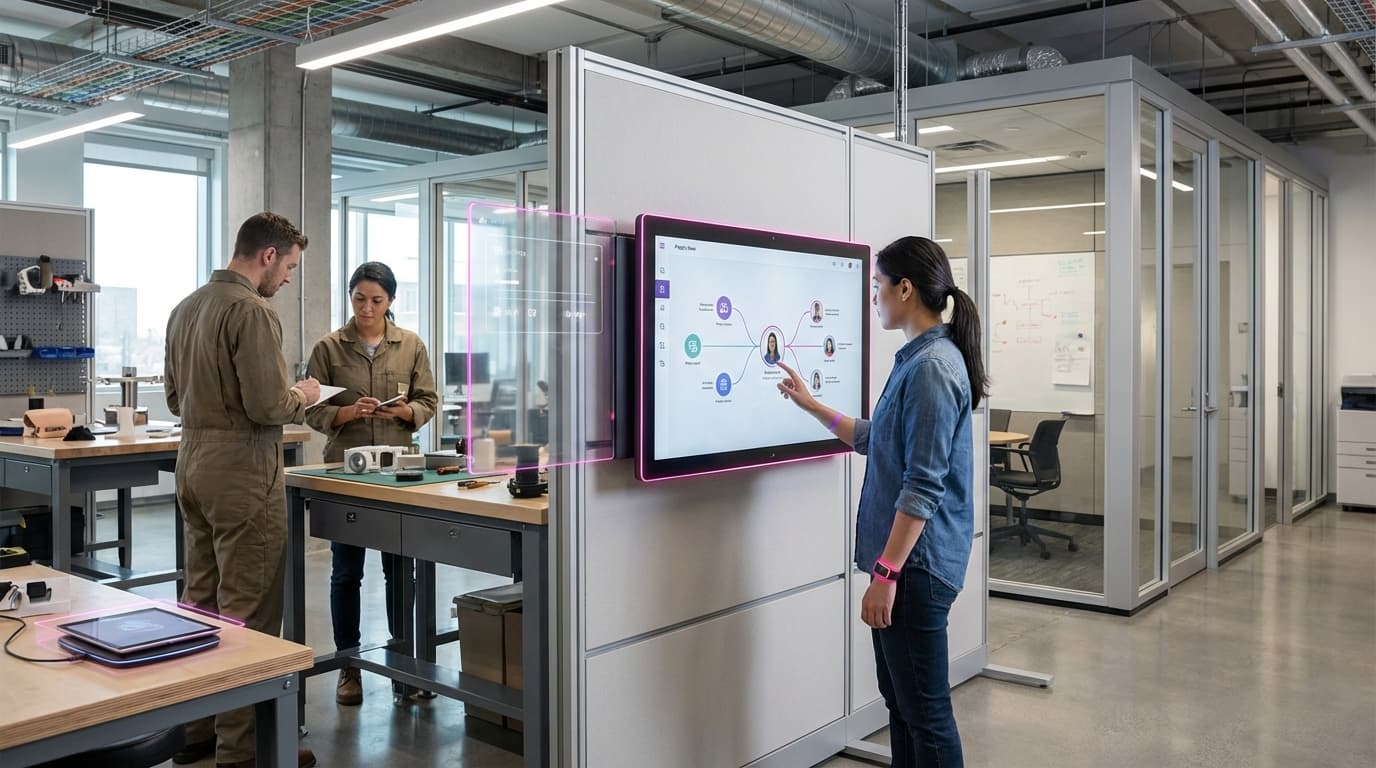
Software that reveals informal collaboration and influence networks.
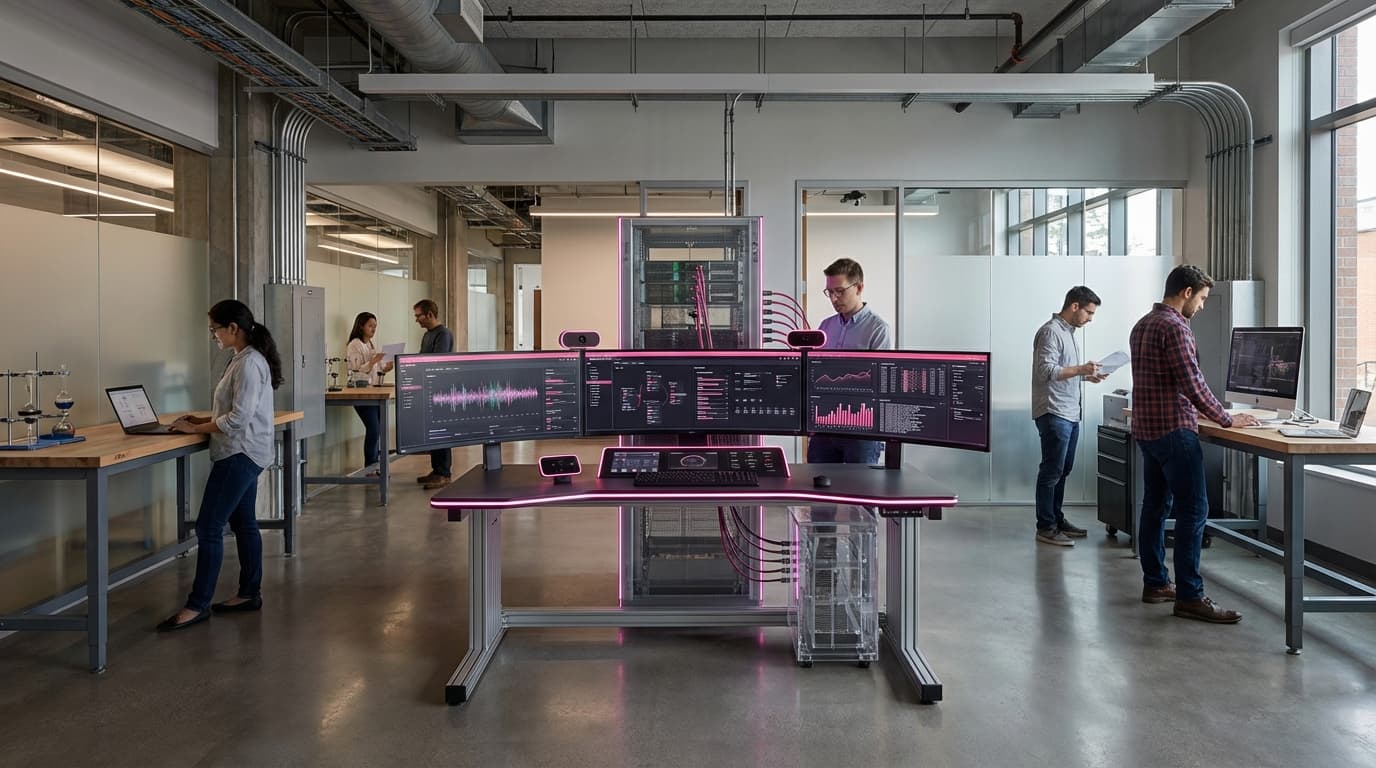
Dense sensor networks that map how space, time, and teams are actually used.
Executable organizational rules that can be audited, simulated, and enforced.
Analyzing workforce trends without exposing individual identities.
Dynamic ownership structures that automatically rebalance based on contribution.
Quantum computing systems solving intractable scheduling and resource allocation problems.
AI systems that bridge linguistic and cultural communication gaps in global teams.
Immersive 3D environments for remote collaboration and data visualization.
Fully autonomous legal entities managed by AI for specific business functions.
Tools that surface and connect unwritten institutional knowledge.
Mobile robots that embody remote workers in physical workplaces.
Collective governance structures for employee-generated data streams.