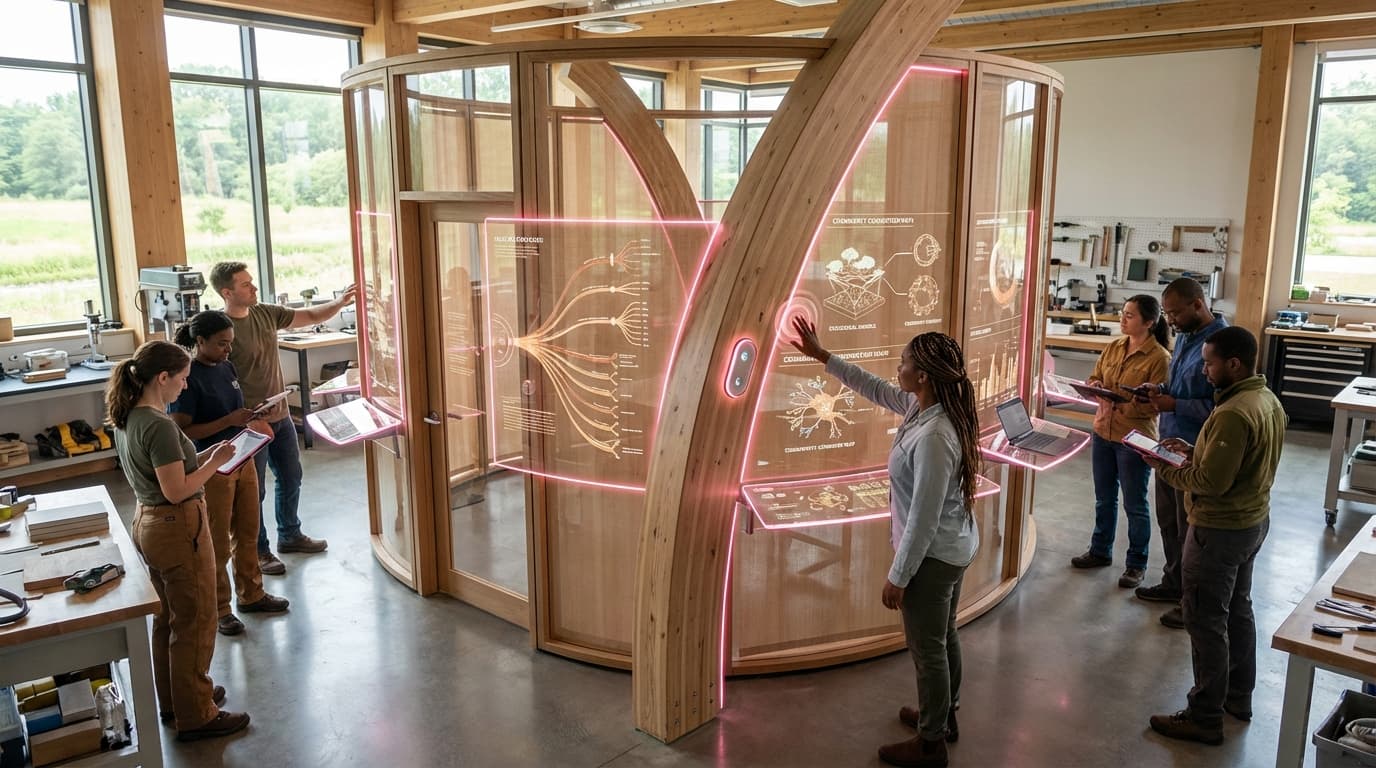
Indigenous Governance Frameworks
Indigenous governance frameworks represent a fundamental reimagining of organizational structure, drawing from knowledge systems that have sustained communities for thousands of years. Unlike conventional corporate hierarchies that prioritize quarterly returns and shareholder value, these frameworks are built on principles of long-term stewardship, kinship relationships, and collective responsibility. At their core, they operate through consensus-based decision-making processes that ensure all voices are heard and considered, particularly those representing future generations and non-human stakeholders. These systems typically incorporate council structures where elders, knowledge keepers, and community members deliberate on decisions through extended dialogue rather than simple majority voting. The governance mechanisms often include protocols for acknowledging relationships to land, water, and other living systems as active participants in organizational wellbeing rather than mere resources to be extracted. This approach fundamentally shifts the temporal horizon of decision-making from short-term profit cycles to multi-generational impacts, asking how choices today will affect communities seven generations forward.
The adoption of Indigenous governance frameworks addresses critical failures in conventional organizational models, particularly their tendency toward extractive relationships with both human communities and natural systems. Traditional corporate structures often struggle with sustainability challenges precisely because their governance mechanisms lack accountability to long-term consequences or broader ecological relationships. Indigenous frameworks offer proven alternatives that have maintained social cohesion and ecological balance across centuries of environmental change. For organizations focused on regenerative agriculture, community land trusts, cooperative enterprises, and social purpose businesses, these governance models provide practical tools for embedding values of reciprocity and stewardship into operational decision-making. They challenge the assumption that hierarchical command structures are the only viable organizational form, demonstrating that consensus-based, relationship-centered governance can effectively coordinate complex activities while maintaining accountability to broader community wellbeing. This represents a significant shift for sectors grappling with how to operationalize concepts like stakeholder capitalism or environmental, social, and governance criteria beyond superficial compliance measures.
While still emerging in mainstream organizational contexts, Indigenous governance frameworks are being formally adopted by a growing number of cooperatives, non-profits, and benefit corporations seeking alternatives to extractive business models. Community development organizations, particularly those working on land restoration and food sovereignty initiatives, have begun incorporating elements such as elder councils, consensus protocols, and multi-generational impact assessments into their governance structures. Some municipalities are exploring how Indigenous decision-making principles might inform participatory budgeting and community planning processes. The framework's emphasis on relationship-building and long-term thinking aligns with broader movements toward stakeholder governance and regenerative economics, suggesting potential for wider adoption as organizations confront climate change and social inequality challenges that demand fundamentally different approaches to collective decision-making. As conventional governance models increasingly demonstrate their limitations in addressing systemic crises, Indigenous frameworks offer time-tested wisdom for building organizations that can sustain both human communities and ecological systems across generations, pointing toward organizational futures rooted in reciprocity rather than extraction.
Related Organizations
Based at the University of Arizona, NNI is a leading research unit dedicated to indigenous nation-building and governance, providing data and frameworks for tribal sovereignty.
The investment arm of the Ngāi Tahu iwi (tribe), operating with a 'intergenerational' investment horizon designed to sustain the tribe for centuries, rather than quarterly returns.

An Alaska Native Corporation owned by Tlingit, Haida, and Tsimshian shareholders that has pivoted its entire business model to focus on ocean health and environmental stewardship, aligning corporate strategy with indigenous values.
An indigenous-owned digital agency that builds custom software and web experiences centered on indigenous data sovereignty and social impact.

Raven Indigenous Capital Partners
Canada · Company
An indigenous-led venture capital firm that uses a 'relationship-based' investment process rooted in indigenous culture, rejecting extractive VC models in favor of community reciprocity.
The Māori Data Sovereignty Network, advocating for Māori rights and interests in data to be protected.

A Māori business managing land and water assets with a 500-year intergenerational plan (Te Pae Tawhiti), focusing on whenua (land) and tangata (people) over short-term profit.

A nonprofit that assists Native American tribes in strengthening their economies through technical assistance and grants, focusing on reclaiming control over local assets and governance.

An indigenous government in Vancouver developing the Sen̓áḵw project, a massive real estate development governed entirely by the Nation's rules, bypassing city zoning to maximize community benefit.

An educational institution that trains indigenous leaders in building legal and administrative frameworks to support markets on indigenous lands.
Supporting Evidence
Research this in Signals
Signals turns a topic into a sourced research record you can inspect and rerun. Your first scan is free, and this one starts with Indigenous Governance Frameworks already loaded, so edit it or scan as is.