DAO Governance Stacks
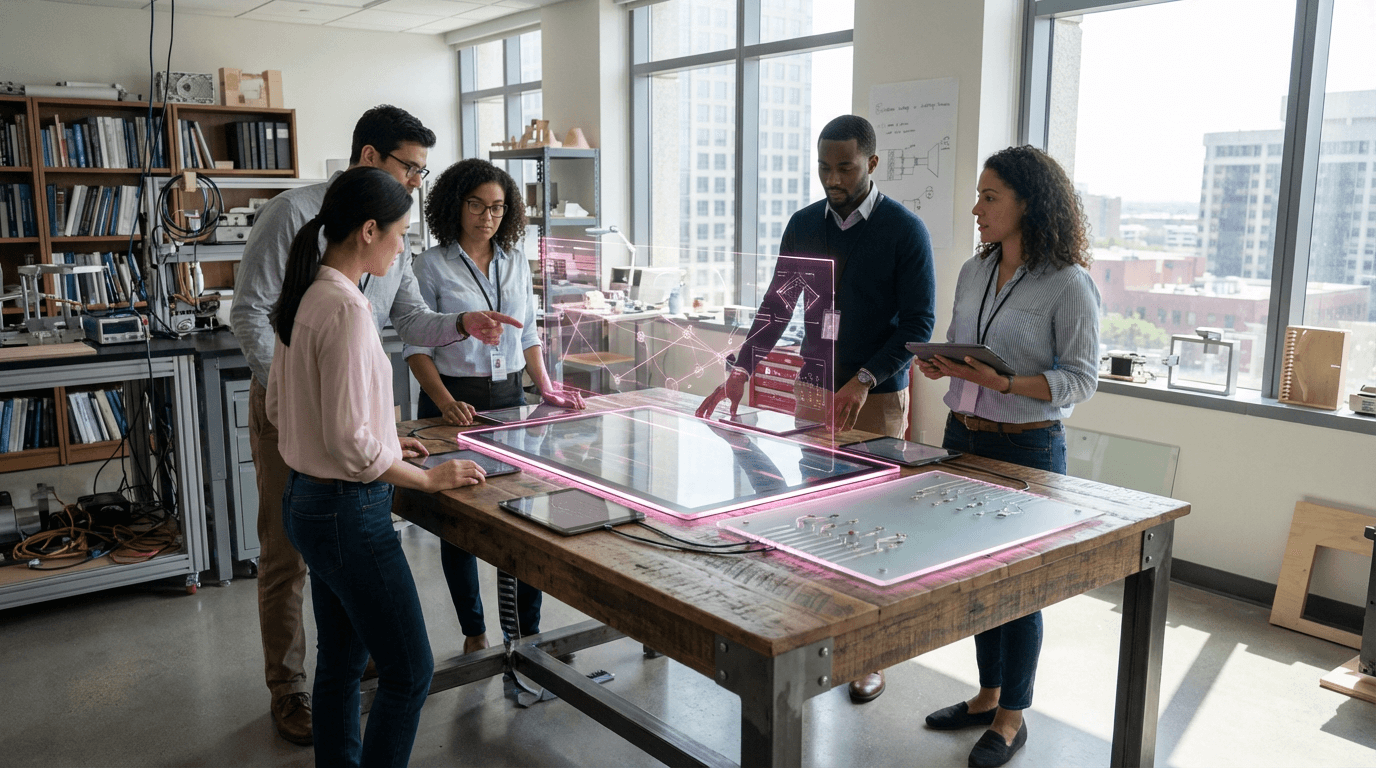
Decentralized Autonomous Organization (DAO) governance stacks represent a fundamental reimagining of organizational structure, replacing traditional hierarchical management with blockchain-based protocols that distribute decision-making authority across stakeholder networks. These software frameworks operate through smart contracts—self-executing code deployed on blockchain platforms like Ethereum—that automatically enforce organizational rules without requiring centralized oversight. The technical architecture typically includes token-based voting mechanisms, treasury management systems, proposal submission interfaces, and execution modules that translate approved decisions into on-chain actions. By encoding governance logic directly into immutable code, these stacks create organizations where power dynamics, resource allocation, and operational procedures are transparent, auditable, and resistant to unilateral manipulation. The underlying blockchain infrastructure ensures that all governance activities—from proposal submissions to vote tallies to fund disbursements—are permanently recorded and verifiable by any participant.
The organizational challenges addressed by DAO governance stacks are particularly acute in knowledge-intensive industries, distributed teams, and collaborative ventures where traditional corporate structures impose friction and gatekeeping. Conventional organizations struggle with opaque decision-making processes, concentrated power among executives or boards, and rigid equity structures that fail to reward ongoing contributions. These limitations become especially problematic in open-source development communities, investment collectives, and global talent networks where contributors may span jurisdictions and lack formal employment relationships. DAO governance stacks solve these problems by enabling permissionless participation—anyone can propose initiatives or contribute labor without requiring approval from centralized authorities—while maintaining accountability through transparent voting records and programmable compliance mechanisms. This architecture supports novel organizational models such as protocol-owned liquidity pools, contributor-owned platforms, and community-governed investment funds that would be legally complex or operationally infeasible under traditional corporate frameworks.
Early deployments indicate growing adoption across venture capital, open-source software development, and creative industries, with governance stacks managing treasuries ranging from thousands to billions of dollars in digital assets. Organizations using these frameworks have demonstrated the ability to coordinate globally distributed teams, allocate funding to community-prioritized initiatives, and execute complex multi-stakeholder agreements without traditional legal intermediaries. However, practical implementations reveal ongoing challenges around voter participation rates, governance attack vectors, and the tension between efficiency and decentralization. Industry observers note that successful DAO governance increasingly combines on-chain voting mechanisms with off-chain coordination tools, creating hybrid models that balance transparency with operational agility. As regulatory frameworks evolve to accommodate these novel organizational forms and technical standards mature, DAO governance stacks are positioned to enable more fluid, meritocratic organizational structures that align stakeholder incentives through programmable ownership and democratic decision-making processes.
Related Organizations

Provides tools to build and manage Decentralized Autonomous Organizations (DAOs) on the blockchain.

The most trusted decentralized custody protocol and collective asset management platform.
Standard-setting security firm for the blockchain industry.

A governance management platform providing portals for DAO members to participate in voting and delegation.
Design and technical studio working on interactive installations and motion graphics.
Commonwealth
United States · Company
An all-in-one platform for DAO discussion, voting, and governance management.
Developers of the Alchemy platform and Holographic Consensus for scalable DAO governance.
Supporting Evidence
Research this in Signals
Signals turns a topic into a sourced research record you can inspect and rerun. Your first scan is free, and this one starts with DAO Governance Stacks already loaded, so edit it or scan as is.