Ambient Presence Displays
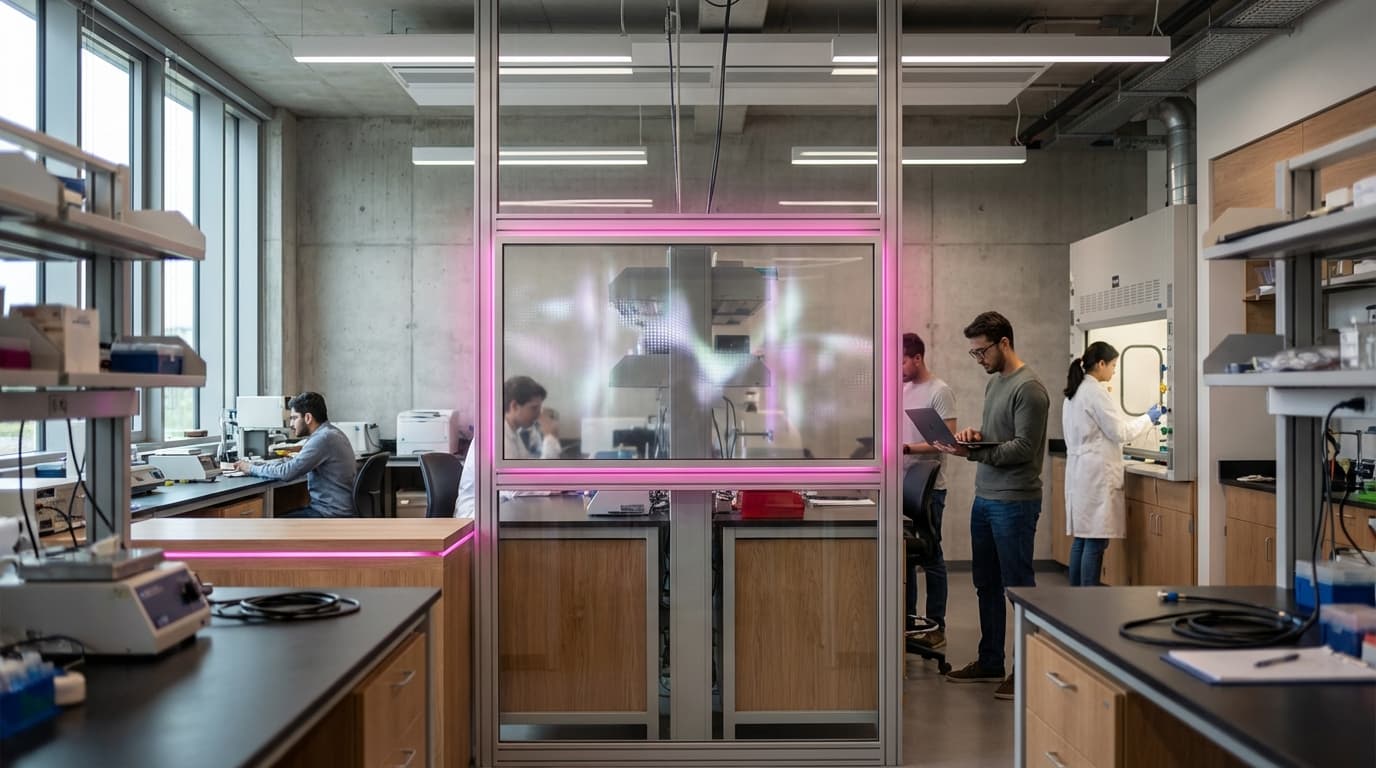
In traditional office environments, workers naturally develop an awareness of their colleagues' availability and engagement through subtle environmental cues—the sound of typing, the sight of someone deep in concentration, or the casual observation of movement around the workspace. Remote work has largely eliminated these ambient signals, forcing teams to rely on intrusive methods like constant video surveillance, frequent status check-ins, or disruptive instant messages to gauge availability. Ambient presence displays address this fundamental gap by translating the implicit awareness of physical co-location into abstract, peripheral signals suitable for distributed teams. These dedicated hardware devices use non-verbal communication channels—primarily light patterns, color shifts, and subtle haptic feedback—to convey information about remote colleagues' current states. Rather than displaying explicit details or live video feeds, the systems work through abstraction: a gentle pulsing light might indicate active work, a color shift could signal availability for conversation, or a brief vibration might notify of a colleague's transition between tasks. The technical architecture typically involves lightweight software agents that monitor activity patterns on team members' computers, then transmit simplified status information to physical devices positioned in each worker's peripheral vision.
The organizational challenges these systems address extend beyond simple availability tracking. Many distributed teams struggle with coordination overhead, where the mental burden of determining when and how to contact colleagues creates friction that reduces collaboration quality and frequency. Traditional status indicators in messaging platforms require active updating and conscious attention, often becoming stale or ignored. Video conferencing, while rich in information, demands focal attention and raises significant privacy concerns when used continuously. Ambient presence displays occupy a middle ground, providing just enough information to support natural coordination rhythms without requiring constant cognitive engagement or surrendering personal privacy. Research suggests that these peripheral awareness systems can reduce unnecessary interruptions while paradoxically increasing meaningful interactions, as team members develop better intuition about opportune moments for communication. For organizations managing hybrid or fully remote workforces, this technology offers a pathway to preserve some benefits of physical proximity while respecting the boundaries that make remote work sustainable.
Early commercial implementations of ambient presence displays have appeared primarily in technology companies and design studios, where distributed collaboration is both common and culturally valued. These deployments typically involve small teams experimenting with various form factors—from desk-mounted light orbs to ambient displays integrated into monitor stands or wall-mounted panels. Industry analysts note growing interest from enterprise software vendors in incorporating presence awareness into broader workplace platforms, though standalone hardware solutions continue to evolve independently. The technology connects to larger trends in human-centered workplace design, particularly the recognition that effective remote collaboration requires more than simply replicating in-person meetings through video. As organizations move beyond emergency remote work arrangements toward intentionally designed distributed models, ambient presence systems represent one approach to rebuilding the informal communication channels that support team cohesion and productivity. The future trajectory likely involves greater sophistication in translating complex work states into intuitive signals, integration with existing collaboration tools, and customization options that allow teams to develop their own presence languages suited to their specific coordination needs.
Related Organizations

Develops a suite of productivity tools including USB flags and Bluetooth indicators that display availability status.

Manufacturer of the 'Kuando Busylight', a physical presence indicator that syncs with UC platforms to show availability status.

Creators of the 'Blynclight', a status light that automatically syncs with Skype, Teams, and Zoom to reduce interruptions.

Provides case management software for funeral homes, including features for livestreaming services and collaborative family planning.

Builds immersive virtual offices with spatial audio to facilitate spontaneous conversations and team visibility.

A virtual office platform (formerly Teamflow) that enables presence through a spatial interface where movement equals hearing range.

A virtual office for remote teams that shows which apps colleagues are working in and allows for instant drop-in audio.

A metaverse-style workplace platform that emphasizes team presence and spontaneous interaction through avatars.
Supporting Evidence
Research this in Signals
Signals turns a topic into a sourced research record you can inspect and rerun. Your first scan is free, and this one starts with Ambient Presence Displays already loaded, so edit it or scan as is.