Hybrid Coordination Optimizers
The transition to hybrid work models has created unprecedented coordination challenges for organizations. Traditional scheduling tools were designed for either fully co-located or fully remote teams, leaving a gap when it comes to managing the complex interplay of in-office presence, remote collaboration, and individual productivity needs. Teams now struggle with questions that previous generations of workers rarely faced: Which days should the team be in the office together? How can meeting schedules accommodate colleagues across multiple time zones while preserving deep work time? When should synchronous collaboration occur, and when should teams rely on asynchronous communication? These challenges are compounded by the fact that different team members have varying preferences, constraints, and work styles, making one-size-fits-all policies ineffective and often counterproductive.
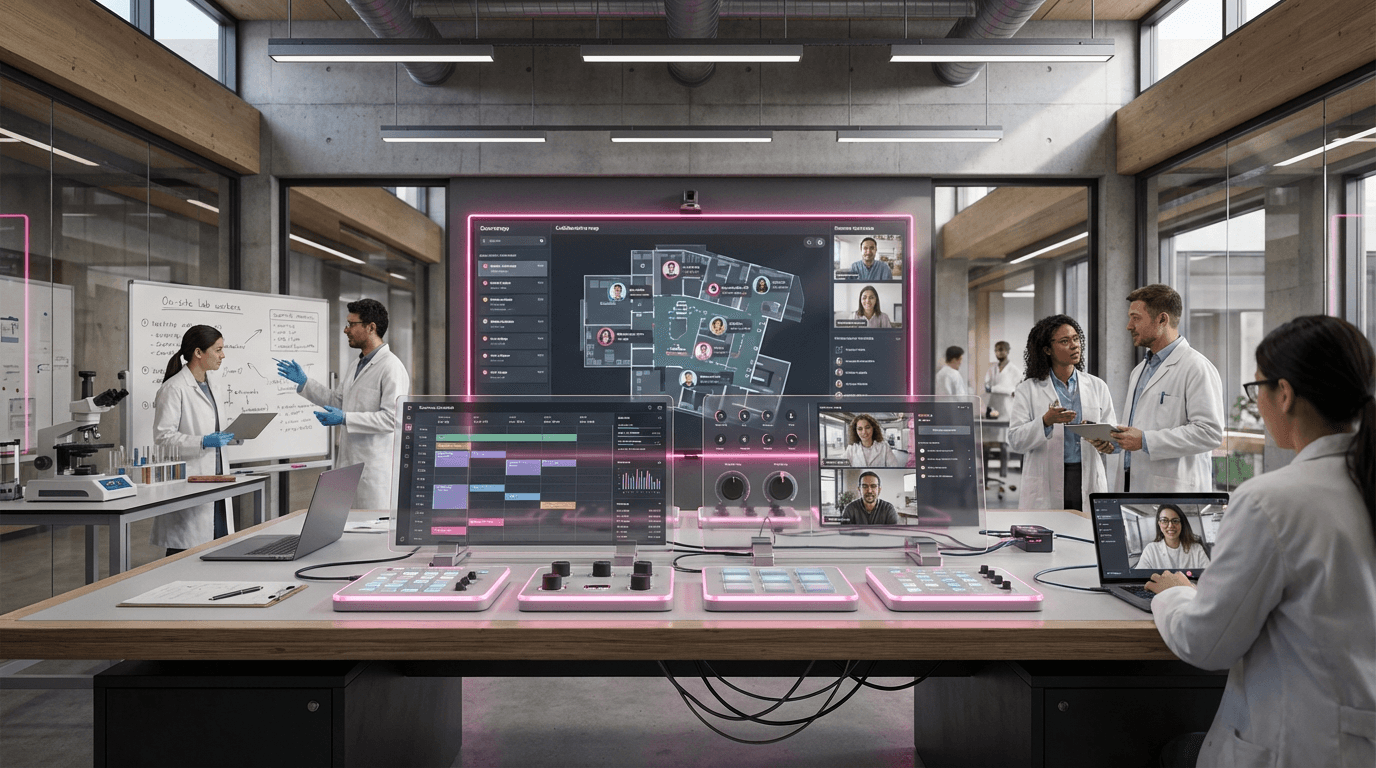
Hybrid Coordination Optimizers address these challenges through sophisticated algorithmic approaches that treat scheduling as a multi-objective optimization problem. These systems ingest data about individual preferences, team collaboration patterns, project deadlines, and organizational constraints to generate coordinated schedules that balance competing priorities. By analyzing collaboration graphs—visual representations of who works with whom and how frequently—these tools can identify natural clusters of colleagues who would benefit from shared in-office days. They factor in variables such as commute times, childcare responsibilities, time zone distributions, and the cognitive cost of context-switching between meetings. Advanced implementations employ machine learning to understand patterns in how teams actually work, learning which types of activities benefit most from face-to-face interaction versus asynchronous communication. The systems then propose rhythms—recurring patterns of co-location, meeting windows, and protected focus time—that aim to maximize both collaborative effectiveness and individual productivity while minimizing the mental overhead of constant coordination negotiations.
Early adopters of these optimization platforms report improvements in both employee satisfaction and team performance metrics, though the technology remains in relatively nascent stages of commercial deployment. Organizations implementing these systems typically see reductions in the time spent on scheduling logistics and fewer complaints about meeting overload or inequitable time zone burdens. The technology aligns with broader trends toward data-driven people operations and the recognition that knowledge work productivity depends heavily on managing attention and energy, not just time. As hybrid work transitions from emergency response to permanent operating model for many organizations, the demand for sophisticated coordination tools is likely to intensify. Future developments may integrate biometric data about individual energy patterns, incorporate real-time adjustments based on project urgency, or even coordinate across organizational boundaries to optimize inter-company collaboration schedules.
Related Organizations

Hybrid working operating system for coordinating schedules and booking spaces.

Scoop
United States · Startup
Develops software to coordinate hybrid teams, known for the 'Flex Index' and planning tools.

Workplace platform handling visitor management, desk booking, and hybrid scheduling.

Through Copilot and the 'Recall' feature in Windows, Microsoft is integrating persistent memory and agentic capabilities directly into the operating system.

Workplace experience platform for desk booking, room scheduling, and hybrid work orchestration.

Hybrid workplace solution for desk booking, visitor management, and office usage analytics.

AI-powered calendar assistant that optimizes schedules to create blocks of uninterrupted time.

Management software for coworking spaces and hybrid workplaces.

Specialized booking platform for managing space availability, widely used for coworking and community facilities.

Develops smart calendar blocking software that defends time for personal habits, breaks, and deep work against meeting creep.
Supporting Evidence
Research this in Signals
Signals turns a topic into a sourced research record you can inspect and rerun. Your first scan is free, and this one starts with Hybrid Coordination Optimizers already loaded, so edit it or scan as is.