Care Economy Platforms
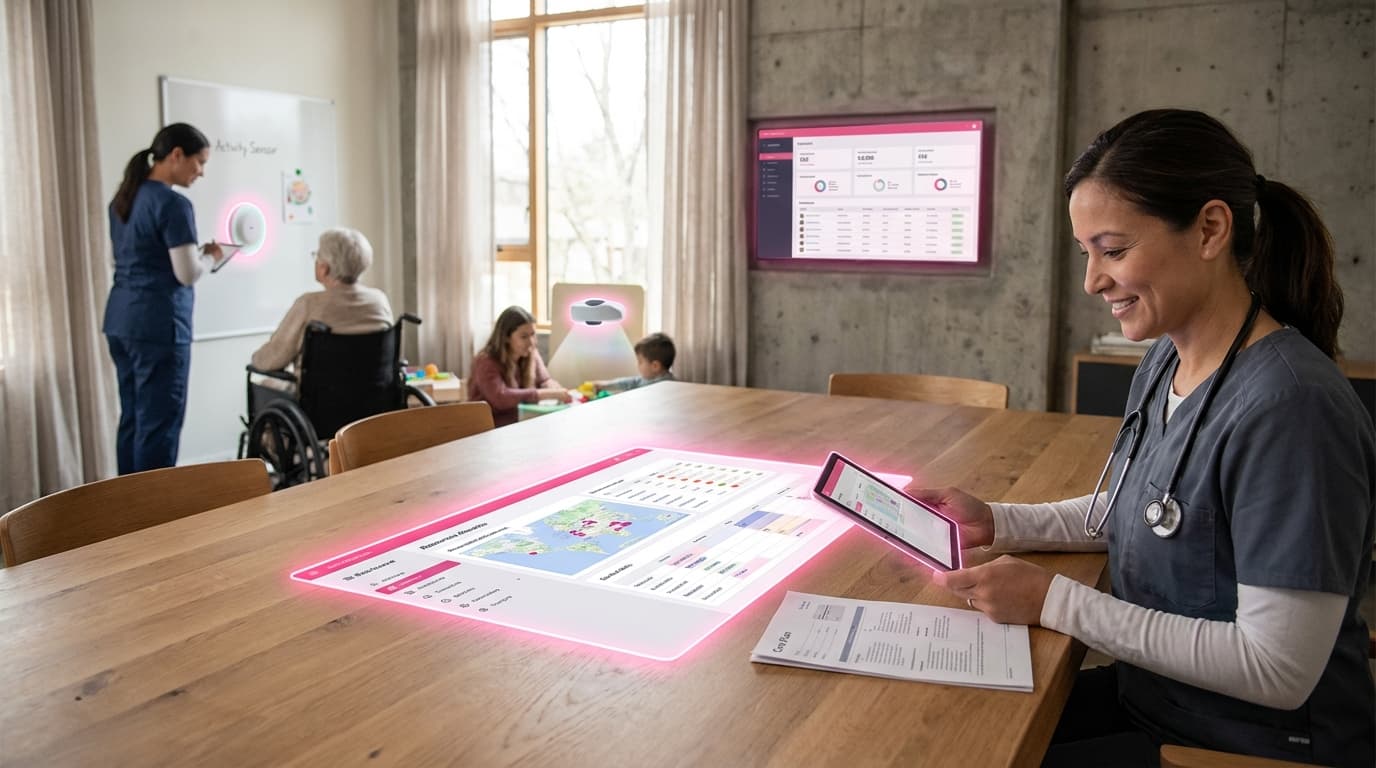
The care economy encompasses the vast yet often invisible labor that sustains human life and social reproduction—childcare, eldercare, domestic work, emotional support, and community maintenance. Historically, this work has been undervalued or entirely uncompensated, disproportionately performed by women and marginalized communities, and excluded from traditional economic metrics like GDP. Care Economy Platforms represent a fundamental reimagining of how this essential labor is recognized, coordinated, and integrated into formal economic structures. These digital infrastructures employ various mechanisms to assign tangible value to care work, including time-banking systems where hours of care provided can be exchanged for services received, tokenomics models that create tradable digital assets representing care contributions, and hybrid frameworks that combine monetary compensation with social recognition. By creating transparent ledgers of care contributions—often leveraging blockchain or distributed ledger technologies—these platforms make previously invisible labor visible and quantifiable, establishing new pathways for economic participation that extend beyond conventional employment relationships.
The fundamental challenge these platforms address is the persistent devaluation of reproductive labor in capitalist economies, where care work is either unpaid within households or severely underpaid in formal markets. This systemic undervaluation creates cascading problems: burnout among caregivers, inadequate support for aging populations, barriers to workforce participation for those with care responsibilities, and the perpetuation of gender-based economic inequalities. Care Economy Platforms tackle these issues by creating formal coordination mechanisms that match care needs with care providers, establish transparent pricing or exchange systems, and integrate care contributions into organizational benefit structures and broader societal value systems. Some implementations focus on mutual aid networks where community members exchange care services without monetary transactions, while others create hybrid models where care work generates credits that can be converted into healthcare benefits, retirement contributions, or educational opportunities. By formalizing these exchanges, the platforms also enable better workforce planning, quality assurance through rating systems, and the aggregation of care workers into collectives with greater bargaining power.
Early implementations of care economy platforms have emerged across various contexts, from municipal time-banking initiatives in European cities to corporate benefit systems that recognize employees' caregiving responsibilities with flexible credits. Community-based platforms in Japan and South Korea have pioneered intergenerational care exchange systems where younger members provide technology assistance and physical support in exchange for childcare and traditional skills from elders. Research in organizational behavior suggests that companies integrating care economy principles into their benefit structures see improved employee retention and satisfaction, particularly among working parents and those supporting aging relatives. These platforms align with broader movements toward stakeholder capitalism and the recognition of environmental, social, and governance factors in organizational success. As demographic shifts intensify—with aging populations in developed nations and growing recognition of care work's economic significance—these platforms represent a crucial infrastructure for sustainable social reproduction. The trajectory points toward increasing integration with existing HR systems, government social services, and community organizations, potentially reshaping how societies value and distribute the fundamental work of caring for one another across the entire lifecycle.
Related Organizations

The world's largest online marketplace for finding and managing family care, connecting families with caregivers for children, seniors, and pets.
An advocacy organization that developed 'Alia', a portable benefits platform for domestic workers (cleaners, nannies) who usually lack safety nets.

Smartphone manufacturer known for deploying 66W and higher wireless charging in flagship devices.

Connects older adults with 'Papa Pals' for companionship and assistance with everyday tasks.
Family benefits platform offering 'Cleo Guides' (often doulas or specialists) to support parents.
Grayce
United States · Startup
An enterprise platform that provides family care navigation services as an employee benefit, helping workers manage the logistics of caring for aging loved ones.

A leading online marketplace for home services outside the US, connecting households with insured domestic cleaners in Europe and Asia.

A technology-led caregiving service in Asia that combines curated caregivers with smart technology to manage home care for the elderly.

A platform that coordinates layers of support for family caregivers, organizing friends, family, and professional services into a cohesive care team.

Provides online professional development and upskilling for caregivers, ensuring compliance and improving the quality of care through a digital learning platform.
Supporting Evidence
Research this in Signals
Signals turns a topic into a sourced research record you can inspect and rerun. Your first scan is free, and this one starts with Care Economy Platforms already loaded, so edit it or scan as is.