Internal Talent Marketplaces
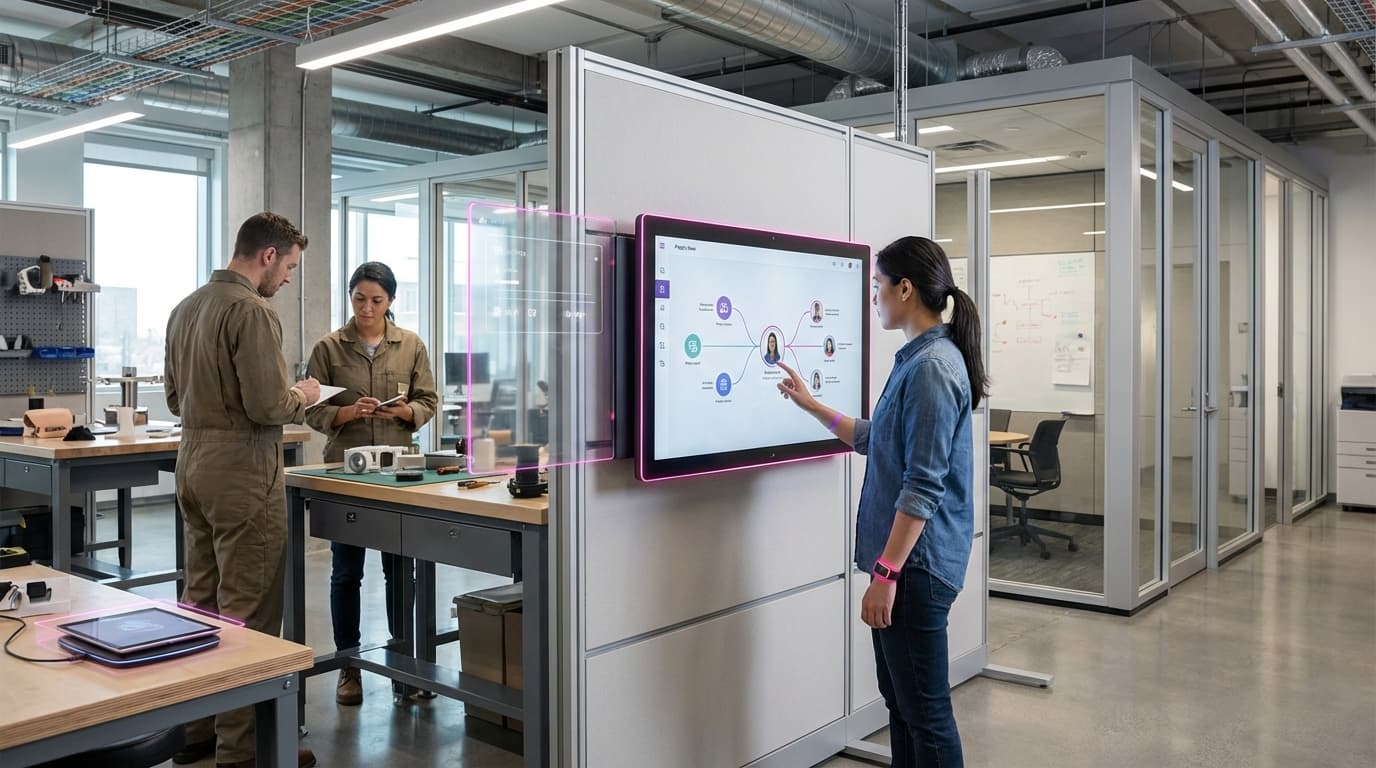
Internal talent marketplaces represent a fundamental shift in how organizations allocate human capital, moving away from rigid hierarchical structures toward fluid, market-based mechanisms for matching employees with opportunities. These platforms function as internal gig economies, creating digital exchanges where employees can discover and apply for projects, short-term assignments, mentorship roles, and skill-building opportunities across different departments, geographies, and business units. The underlying architecture typically combines skills taxonomies, recommendation algorithms, and matching engines that analyse employee profiles—including declared competencies, past project performance, career aspirations, and availability—against organizational needs. Unlike traditional staffing processes that rely on managers' limited visibility into talent pools, these systems aggregate capability data enterprise-wide, enabling more sophisticated matching based on skills adjacency, development goals, and strategic priorities. The platforms often incorporate elements familiar from consumer marketplaces: searchable opportunity listings, application workflows, rating systems, and analytics dashboards that track engagement patterns and skill deployment across the organization.
The rise of internal talent marketplaces addresses several critical challenges facing modern enterprises. Traditional organizational structures create silos that trap talent within departments, leading to simultaneous skill shortages in some areas and underutilization in others. Employees seeking new challenges or career pivots often face opacity around available opportunities, while managers launching initiatives struggle to identify qualified internal candidates beyond their immediate networks. This inefficiency becomes particularly acute in large, geographically distributed organizations where valuable expertise remains invisible to those who need it most. Internal talent marketplaces dissolve these barriers by creating transparency and agency, allowing employees to signal their interests and availability while giving project leaders access to the full breadth of organizational capabilities. Research suggests these platforms can significantly reduce time-to-fill for critical roles, decrease external hiring costs, and improve retention by providing clear pathways for internal mobility and skill development. They also enable organizations to respond more nimbly to shifting priorities by rapidly assembling cross-functional teams without the friction of traditional transfer processes.
Major enterprises across technology, financial services, and professional services sectors have begun deploying these platforms, with early implementations indicating substantial impact on employee engagement and operational agility. Some organizations report that significant percentages of their workforce now participate in projects outside their primary roles, creating more diverse career experiences and breaking down organizational silos. The platforms prove particularly valuable for managing workforce transformation, allowing companies to redeploy talent from declining business areas toward growth initiatives while providing employees with reskilling opportunities aligned to future needs. As hybrid work arrangements become permanent fixtures and the half-life of skills continues to shrink, internal talent marketplaces are evolving from experimental HR technology into core infrastructure for organizational adaptability. The trajectory points toward increasingly sophisticated systems that proactively suggest opportunities based on career trajectories, predict skill gaps before they become critical, and integrate with learning platforms to create closed-loop development cycles. This shift toward talent liquidity represents a broader reimagining of the employment relationship, where organizations compete internally for their own employees' discretionary effort and engagement.
Related Organizations

An internal talent marketplace that uses AI to mentor employees on potential career moves and projects within their organization.


A talent intelligence platform that uses AI to match individuals with career paths, identifying skills gaps and suggesting upskilling opportunities.

Invests heavily in 'in silico' biology and microbiome digital twins to test product efficacy without animal testing.
AI-powered talent experience platform focusing on skills mapping and internal mobility in Europe.

Global specialist in energy management and automation that integrates cybersecurity into its industrial hardware and software.
A leading provider of enterprise cloud applications for finance and human resources.

A learning experience platform that uses data analytics to suggest personalized learning pathways and skill development for employees.
AI talent management platform facilitating internal mobility and skills planning.
Provides a cloud computing platform to help companies manage digital workflows for enterprise operations.
Supporting Evidence
Research this in Signals
Signals turns a topic into a sourced research record you can inspect and rerun. Your first scan is free, and this one starts with Internal Talent Marketplaces already loaded, so edit it or scan as is.