Biometric Health Monitoring
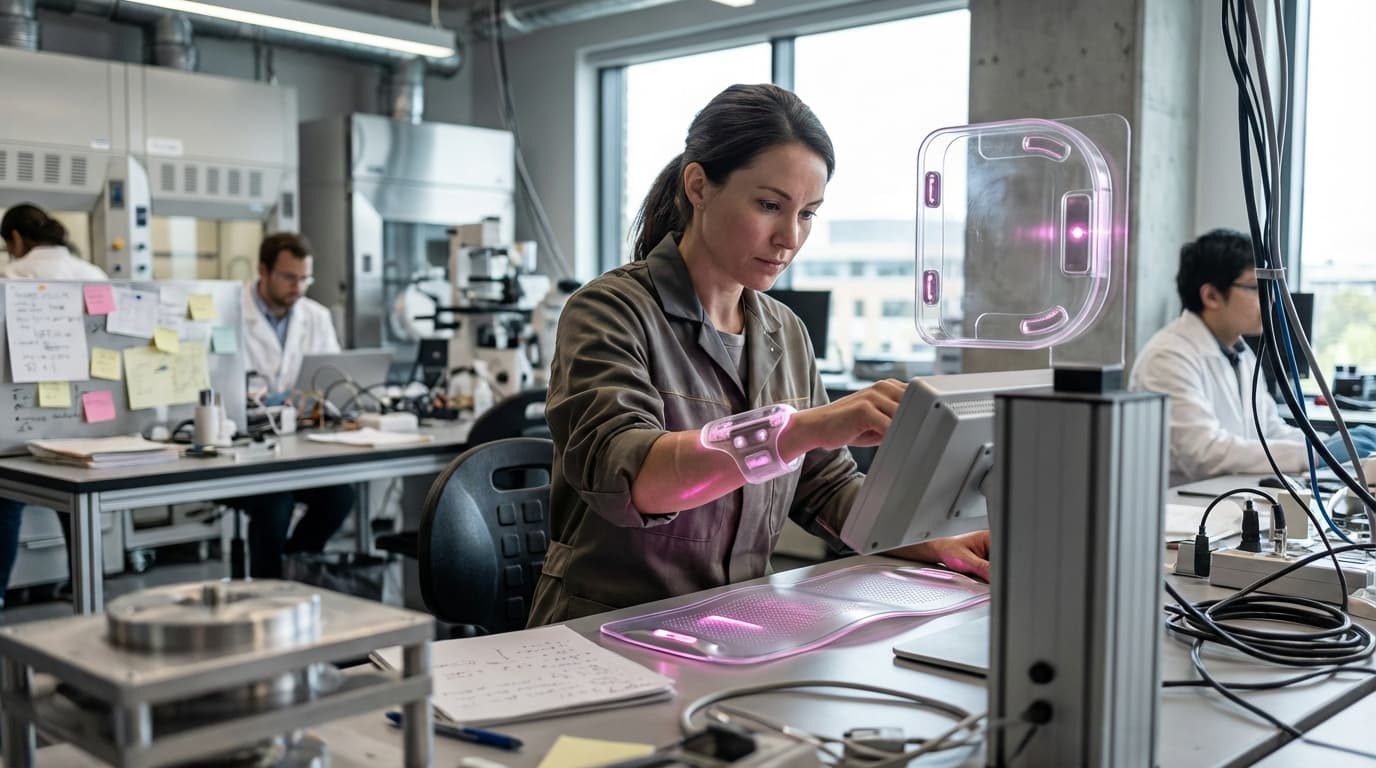
Biometric health monitoring represents a convergence of wearable technology, environmental sensors, and data analytics designed to track and interpret physiological signals in workplace settings. Unlike consumer fitness devices focused primarily on activity tracking, these enterprise-grade systems employ sophisticated sensors embedded in wearables, desk chairs, keyboards, and even floor tiles to capture a comprehensive array of biomarkers including heart rate variability, galvanic skin response, posture alignment, eye movement patterns, and cortisol indicators through non-invasive means. The technology operates through continuous passive monitoring, collecting physiological data throughout the workday and processing it through machine learning algorithms trained to identify patterns associated with stress accumulation, cognitive fatigue, and early burnout indicators. Privacy-preserving architectures ensure that individual biometric data remains anonymized or aggregated before reaching management dashboards, addressing the critical tension between organizational health insights and employee privacy rights.
The fundamental challenge this technology addresses is the growing epidemic of workplace burnout and stress-related health conditions that cost organizations billions annually in lost productivity, healthcare expenses, and employee turnover. Traditional approaches to workforce wellbeing rely on retrospective surveys, self-reporting, and reactive interventions that often come too late to prevent serious health consequences or performance degradation. Biometric monitoring enables a shift from reactive to proactive health management by detecting physiological stress signals before they manifest as absenteeism or medical leave. Organizations can use these insights to optimize work scheduling, identifying when teams or individuals show signs of cognitive overload and adjusting deadlines, meeting schedules, or task assignments accordingly. This capability proves particularly valuable in high-stakes environments such as healthcare, transportation, and emergency services where human error resulting from fatigue can have severe consequences. The technology also supports the growing movement toward human-centered workplace design, providing objective data to validate interventions like flexible scheduling, mandatory break protocols, and environmental modifications.
Early deployments in corporate wellness programs and pilot studies in healthcare settings indicate promising results, with organizations reporting measurable reductions in stress-related incidents and improvements in employee satisfaction scores. Some forward-thinking companies have integrated biometric feedback into their operational rhythms, using real-time physiological data to trigger automated interventions such as suggesting breaks, dimming harsh lighting, or even postponing non-critical meetings when collective stress levels spike. The technology aligns with broader industry trends toward predictive analytics in human resources and the quantified workplace movement, though adoption remains tempered by ongoing debates about surveillance, data ownership, and the psychological impact of constant monitoring. As workplace expectations continue to evolve post-pandemic, with hybrid work models and increased attention to mental health, biometric monitoring systems are positioned to become standard components of organizational health infrastructure, provided they can successfully navigate the complex ethical landscape surrounding employee biometric data and demonstrate clear value in preventing rather than merely documenting workplace health challenges.
Related Organizations

Provides the Readi platform, which uses biometric data to predict worker fatigue and reduce accident risks in heavy industry.

wearable device platform that predicts and prevents heat stress, overexertion, and injury.

Produces a wearable headband (LifeBand) that uses EEG technology to monitor real-time fatigue levels in drivers and equipment operators.

Produces the LifeMonitor system, a chest-worn sensor suite used by US and UK military forces for physiological monitoring.

Specializes in monitoring Hand Arm Vibration Syndrome (HAVS) and proximity hazards for construction and engineering workers.

Produces rugged wearable armbands for real-time physiological monitoring, focusing on heat exertion and core temp estimation.
Develops smart clothing with integrated body sensors for health tracking.

Maker of the Oura Ring, a smart ring that tracks sleep, readiness, and stress.
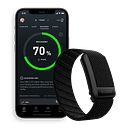
Performance wearable company focusing on strain and recovery.
Supporting Evidence
Research this in Signals
Signals turns a topic into a sourced research record you can inspect and rerun. Your first scan is free, and this one starts with Biometric Health Monitoring already loaded, so edit it or scan as is.