Organizational Sensing Fabrics
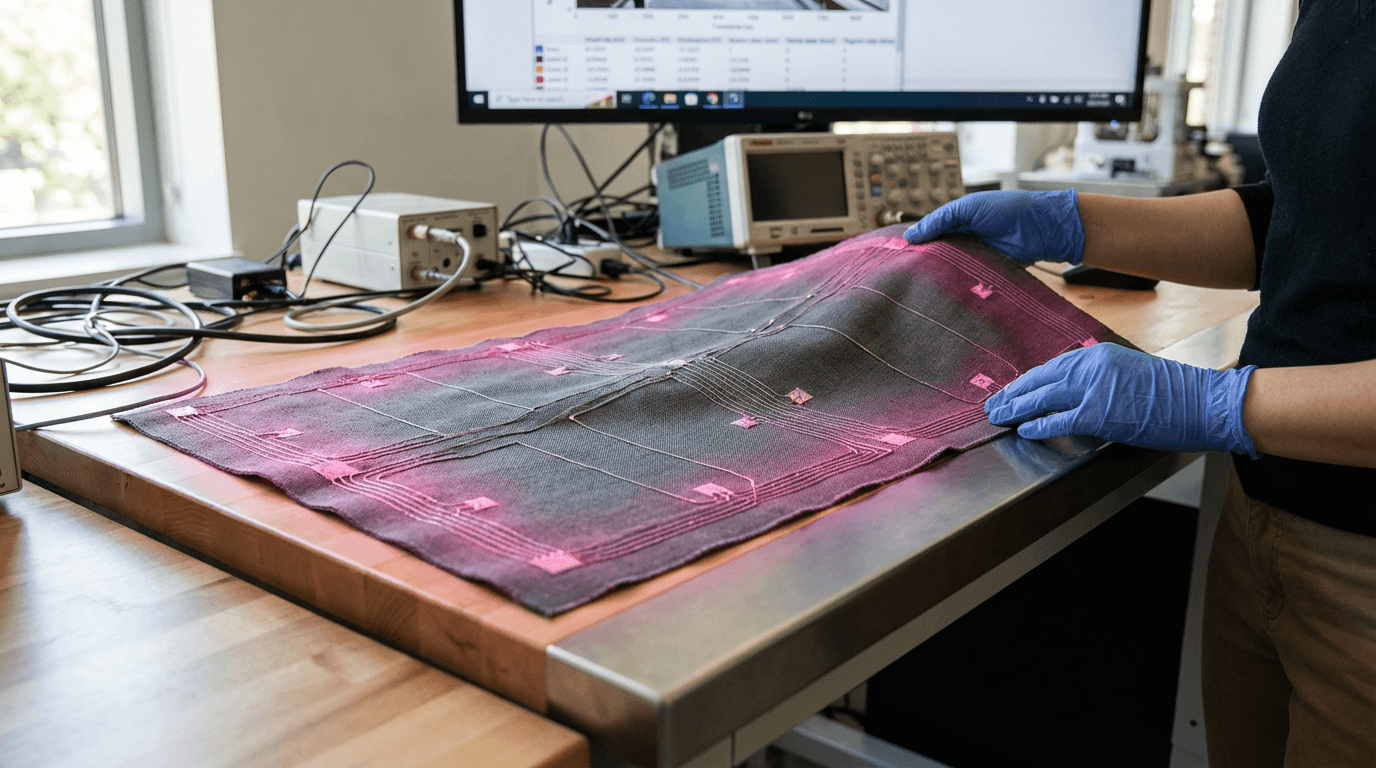
Organizational Sensing Fabrics represent a comprehensive approach to workplace intelligence, deploying interconnected networks of sensors throughout physical work environments to capture granular data about how spaces are actually inhabited and utilized. These systems integrate multiple sensor types—including occupancy detectors, environmental monitors, motion trackers, proximity sensors, and even acoustic analyzers—into unified platforms that generate continuous streams of spatial and behavioral data. Unlike traditional building management systems that focus primarily on climate control and energy efficiency, these fabrics are designed specifically to understand human patterns: which conference rooms remain perpetually empty, which corridors facilitate spontaneous collaboration, how temperature and lighting affect productivity in different zones, and when teams naturally cluster together versus work in isolation. The underlying architecture typically combines edge computing devices that process data locally with cloud-based analytics platforms that identify patterns across time scales ranging from hourly fluctuations to seasonal trends.
The fundamental challenge these systems address is the persistent gap between how organizations assume their spaces function and how employees actually use them. Research suggests that traditional office layouts often reflect outdated assumptions about work patterns, with companies paying premium rents for underutilized square footage while simultaneously experiencing shortages in the specific types of spaces workers need most. For hybrid work environments, this problem intensifies as fluctuating attendance patterns make static space allocation increasingly inefficient. Organizational Sensing Fabrics provide the empirical foundation for adaptive workplace strategies, revealing which days require maximum desk availability, which teams benefit from physical proximity, and how environmental factors correlate with measurable outcomes. This evidence base supports more sophisticated approaches to space planning, enabling organizations to reconfigure layouts based on actual usage rather than intuition, optimize cleaning and maintenance schedules to focus on high-traffic areas, and even inform real estate decisions about expansion or consolidation.
Early deployments in corporate campuses and logistics facilities indicate that these systems can reduce real estate costs while simultaneously improving employee satisfaction by ensuring the right types of spaces are available when needed. Some organizations are using sensing data to implement dynamic desk allocation systems that predict demand patterns, while others apply the insights to redesign collaboration zones based on observed interaction networks. The technology also supports emerging workplace models like activity-based working, where employees move between different settings optimized for specific tasks throughout the day. As privacy frameworks mature and organizations develop clearer policies around workplace data collection, these fabrics are likely to become standard infrastructure in knowledge work environments, transforming workplace design from an art based on assumptions into a science grounded in continuous measurement and adaptation.
Related Organizations

Builds anonymous people-counting sensors and software to help organizations measure how space is used.

Provides AI-powered sensors to measure occupancy and space utilization in real-time.

Develops advanced ceiling sensors that provide real-time, positional accuracy of people within a workspace.

Uses thermal sensors to detect occupancy and body heat without capturing personally identifiable information (PII).

IoT platform for commercial buildings (acquired by Siemens) with sensors for light, heat, and occupancy.

Produces tiny, peel-and-stick wireless sensors that can be deployed anywhere to track temperature, proximity, and touch.

Develops smart sensing solutions for building automation, utilizing edge-analytics sensors.

An occupancy analytics platform that uses WiFi data to provide insights into office utilization and return-to-office trends.

A workplace analytics platform that leverages existing Wi-Fi and LAN infrastructure to measure occupancy without new hardware.

Provides an IoT platform and mesh network of sensors for smart buildings, covering occupancy, air quality, and motion.
Supporting Evidence
Research this in Signals
Signals turns a topic into a sourced research record you can inspect and rerun. Your first scan is free, and this one starts with Organizational Sensing Fabrics already loaded, so edit it or scan as is.