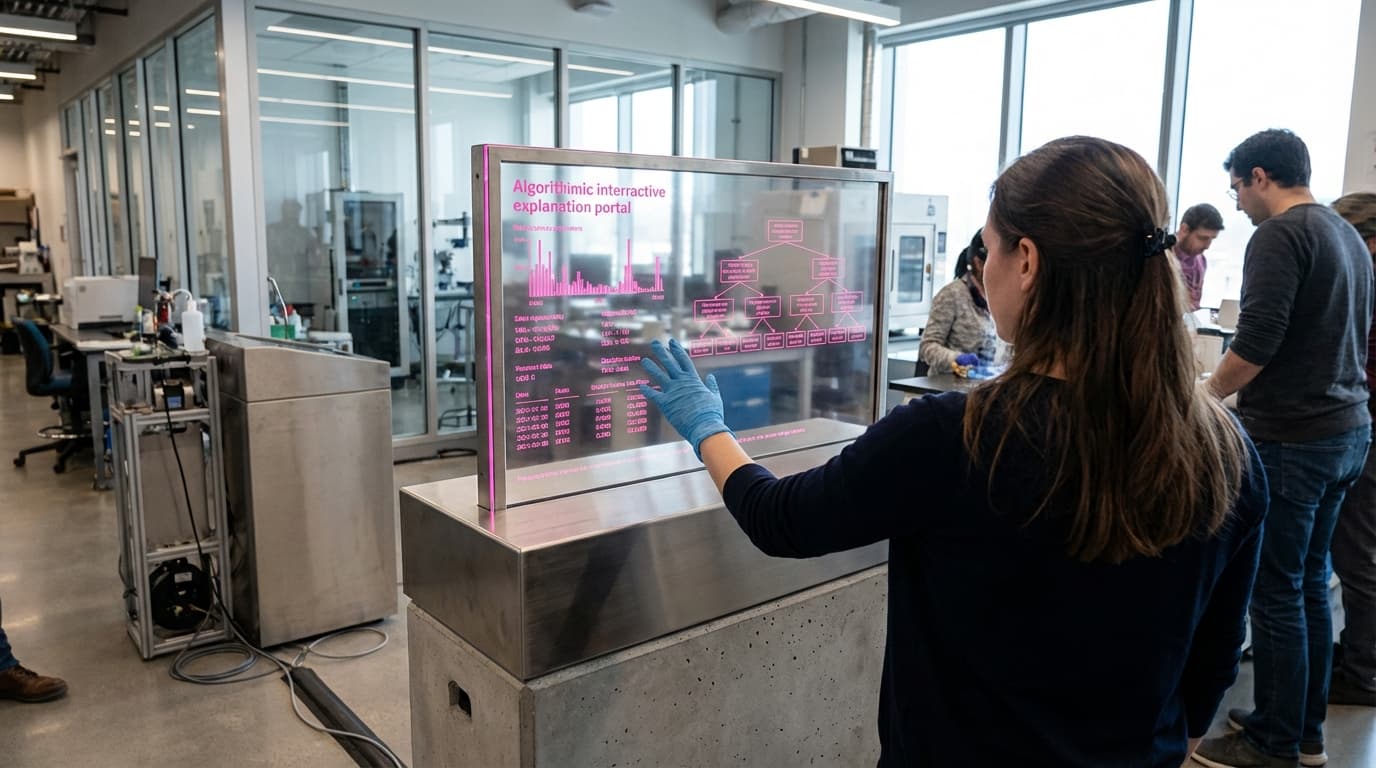
Algorithmic Right-to-Explanation Portals
In many modern workplaces, algorithms increasingly govern critical employment decisions—from scheduling shifts and assigning tasks to evaluating performance and determining promotion eligibility. Yet workers often experience these systems as opaque black boxes, receiving outcomes without understanding the underlying logic or data that shaped them. This opacity creates power imbalances, erodes trust, and raises fundamental questions about fairness and accountability in employment relationships. Algorithmic Right-to-Explanation Portals address this challenge by providing employees with transparent, accessible interfaces that reveal how automated systems reached specific decisions affecting their work lives. These portals function as digital windows into algorithmic decision-making, translating complex computational processes into human-readable explanations that detail which factors were weighted, what data points were considered, and how individual circumstances influenced outcomes.
The emergence of these portals responds to both regulatory pressures and organizational imperatives. Legislation such as the European Union's General Data Protection Regulation has established legal frameworks requiring explainability in automated decision-making, while growing workforce expectations around transparency have made algorithmic accountability a competitive necessity for talent retention. These systems typically combine technical components—such as model-agnostic explanation algorithms that can interpret various machine learning architectures—with user-experience design that makes technical information comprehensible to non-specialists. Beyond passive disclosure, robust portals incorporate challenge mechanisms that allow workers to flag perceived errors, request human review, or submit additional context that algorithms may have overlooked. This bidirectional communication transforms algorithmic management from a one-way imposition into a more participatory process, enabling workers to understand their treatment while providing organizations with feedback loops that can surface bias, data quality issues, or unintended consequences in automated systems.
Early implementations have emerged primarily in sectors with highly algorithmic workforce management, including logistics operations, customer service centers, and gig economy platforms, where pilot programs suggest that transparency can reduce grievances and improve perceived fairness even when outcomes remain unchanged. As workplace automation deepens across industries, these portals represent a critical infrastructure for maintaining human agency within increasingly data-driven employment relationships. They align with broader movements toward ethical AI and responsible automation, positioning transparency not as a regulatory burden but as a foundation for sustainable, trust-based organizational cultures. The trajectory points toward more sophisticated systems that not only explain past decisions but also help workers understand how to improve future algorithmic evaluations, potentially transforming these portals from accountability tools into platforms for worker development and empowerment within algorithmically mediated work environments.
Related Organizations

The executive branch of the EU, responsible for the AI Act.

NGO helping gig economy workers access and understand the data collected about them by platforms.
A policy research institute focusing on the social consequences of artificial intelligence and the concentration of power in the tech industry.

A non-profit research and advocacy organization that audits automated decision-making systems, specifically focusing on social media platforms and recommender systems in Europe.

Provides Model Performance Management (MPM) to monitor, explain, and analyze AI models in production.

A model monitoring and observability platform that includes specific tools for evaluating LLM accuracy and hallucination.

Provides an AI governance platform that helps enterprises measure and monitor the fairness and performance of their AI systems.

Conducts algorithmic audits to protect fundamental rights and identify digital discrimination.


Uber
United States · Company
Developers of CausalML, an open-source Python package for uplift modeling.
Supporting Evidence
Research this in Signals
Signals turns a topic into a sourced research record you can inspect and rerun. Your first scan is free, and this one starts with Algorithmic Right-to-Explanation Portals already loaded, so edit it or scan as is.