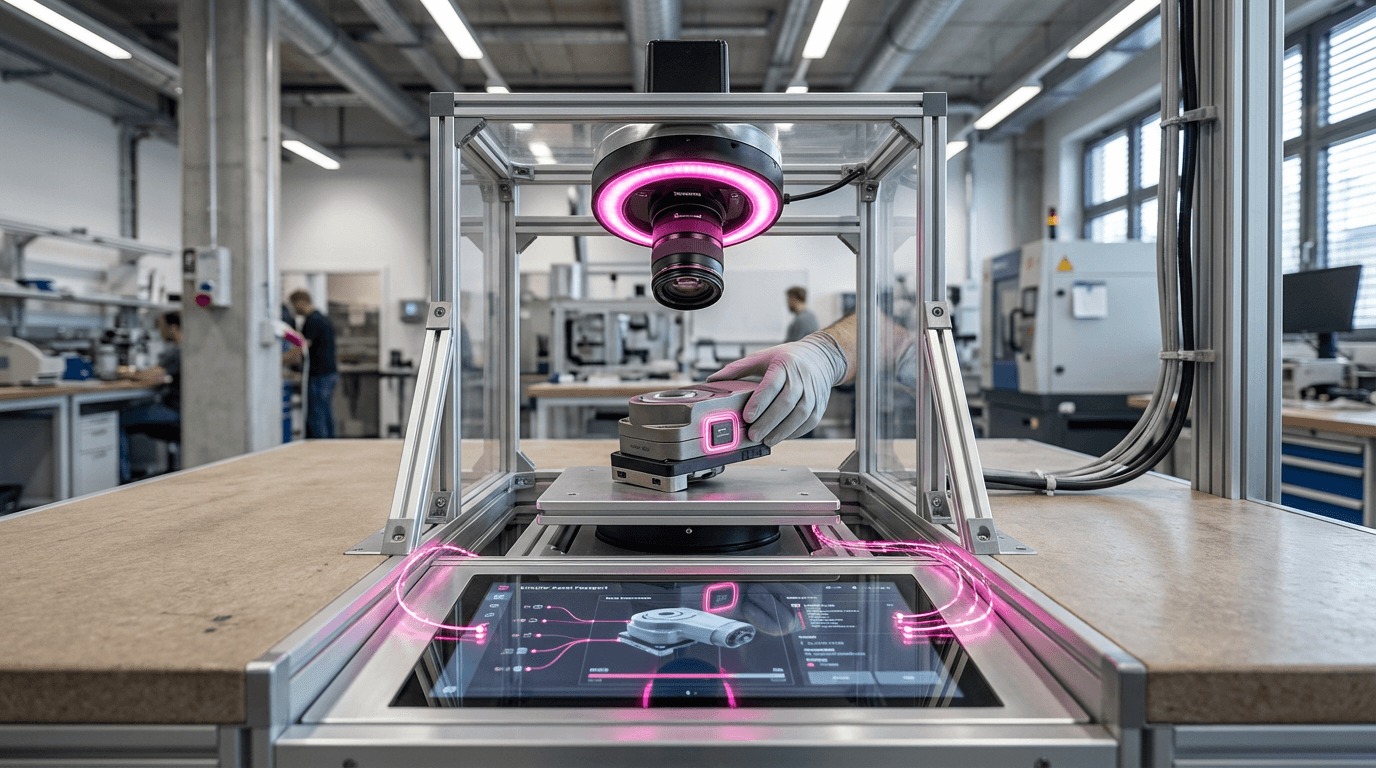
Circular Asset Passports
In an era where organizations face mounting pressure to demonstrate environmental responsibility and resource efficiency, the challenge of tracking and managing physical assets throughout their entire lifecycle has become increasingly complex. Traditional asset management systems often fail to capture critical information about material composition, repair history, and environmental impact, making it difficult for enterprises to optimize resource use, comply with emerging circular economy regulations, or make informed decisions about asset disposition. Circular Asset Passports address this gap by creating comprehensive digital identities for organizational assets—from office furniture and IT equipment to vehicles and machinery—that persist throughout the asset's entire lifecycle. Built on distributed ledger technologies, these digital passports function as immutable records that document every significant event in an asset's journey: initial manufacturing details, material composition, maintenance and repair interventions, ownership transfers, and eventual recycling or disposal. The system works by assigning each physical asset a unique digital identifier, often linked through QR codes, RFID tags, or other tracking mechanisms, which connects to a secure database containing the asset's complete provenance and technical specifications.
For organizations navigating the transition toward circular business models, these digital passports solve several critical operational challenges. They enable facilities managers to make data-driven decisions about whether to repair, refurbish, or replace equipment by providing transparent access to maintenance histories and remaining useful life estimates. When assets reach end-of-use within one organization, the detailed material composition and condition data captured in the passport significantly increases resale value and facilitates donation programs by providing potential buyers with verified information about the asset's quality and sustainability credentials. Furthermore, as governments worldwide implement extended producer responsibility schemes and circular economy mandates, these passports provide the documentation necessary to demonstrate compliance with material recovery targets, recycled content requirements, and carbon accounting obligations. The technology also supports emerging business models such as product-as-a-service arrangements, where manufacturers retain ownership of assets and rely on detailed usage data to optimize maintenance schedules and recovery operations.
Early adoption of circular asset passport systems is emerging across sectors with high-value, long-lived assets and stringent sustainability reporting requirements. Corporate real estate portfolios are implementing these systems to manage furniture and fixtures across multiple locations, while technology companies are using them to track IT equipment through refresh cycles and ensure responsible electronics recycling. The automotive and construction industries are exploring passport applications for vehicle fleets and building materials, respectively. As digital infrastructure matures and interoperability standards develop, industry analysts note that circular asset passports are likely to become standard practice for organizations seeking to optimize total cost of ownership while meeting stakeholder expectations for environmental stewardship. The convergence of this technology with broader trends in supply chain transparency, ESG reporting frameworks, and the Internet of Things suggests that comprehensive asset lifecycle tracking will transition from competitive advantage to baseline expectation for forward-thinking enterprises.
Related Organizations

Provides supply chain traceability and battery passports to ensure ethical sourcing and recycling verification.

Software company creating the Digital ID for physical products.

The executive branch of the EU, responsible for the AI Act.

Founded by LVMH, Prada, and Cartier to provide a unified blockchain solution for luxury product tracking and authenticity certificates.

Developed 'atma.io', a connected product cloud that assigns unique digital IDs to billions of items, bridging physical tags (RFID/QR) with digital data.

Uses blockchain and Zero-Knowledge Proofs to share product data (like chemical content) without revealing sensitive supplier information.

An open-source protocol for digital product passports using NFTs to prove ownership and authenticity, specifically targeting the luxury sector.

Uses blockchain to create digital records of provenance for high-value assets like diamonds, art, and minerals.
Industrial giant offering the 'Senseye Predictive Maintenance' suite and MindSphere IoT platform.

A blockchain protocol for tracking responsible mineral sourcing in the supply chain.
Supporting Evidence
Research this in Signals
Signals turns a topic into a sourced research record you can inspect and rerun. Your first scan is free, and this one starts with Circular Asset Passports already loaded, so edit it or scan as is.