Where technologies cluster around the world
Regions
73 technologies in Israel
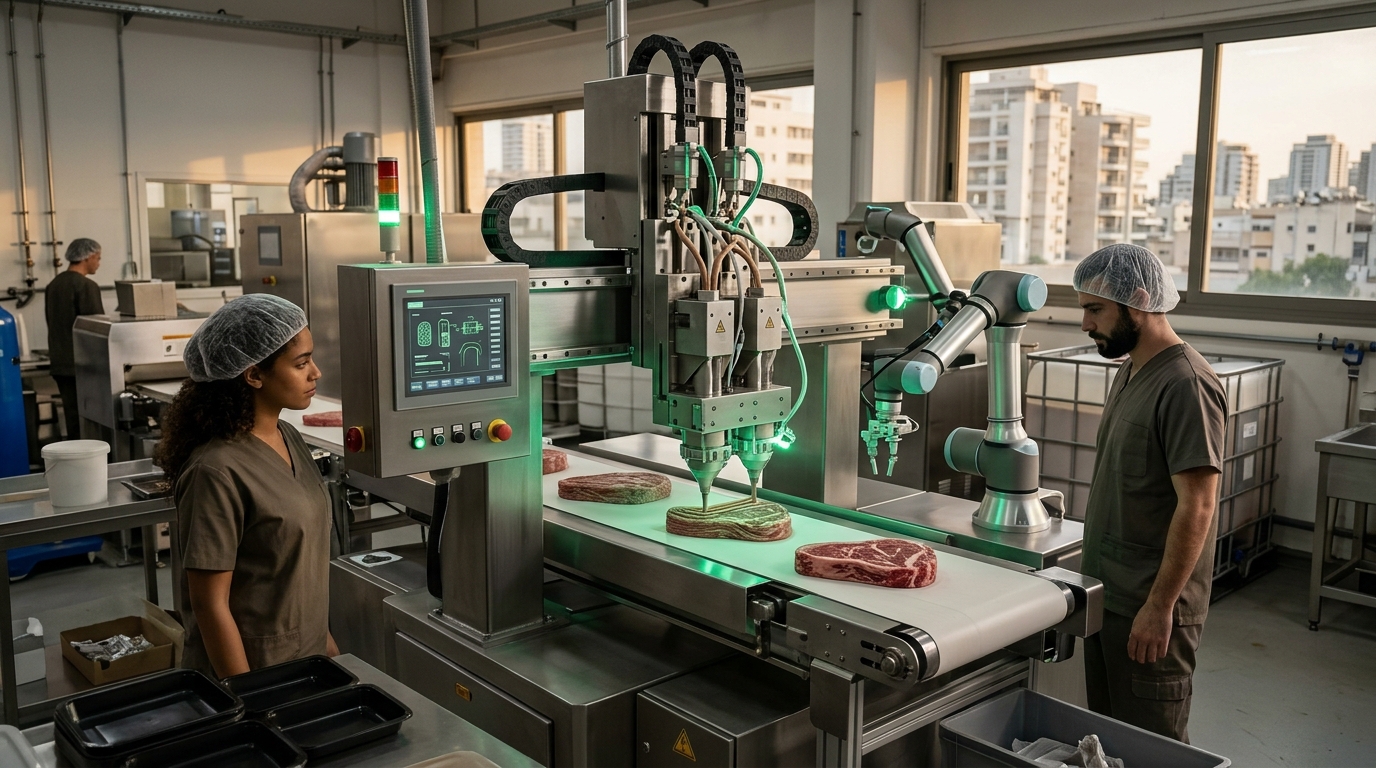
Redefine Meat's industrial 3D printers replicate beef muscle fiber structure from plant proteins, deployed in 3,000+ restaurants across Europe and Israel.

Arbe Robotics' 4D imaging radar chipset provides camera-like angular resolution at radar reliability, winning Sensor Technology Solution of the Year in 2025.
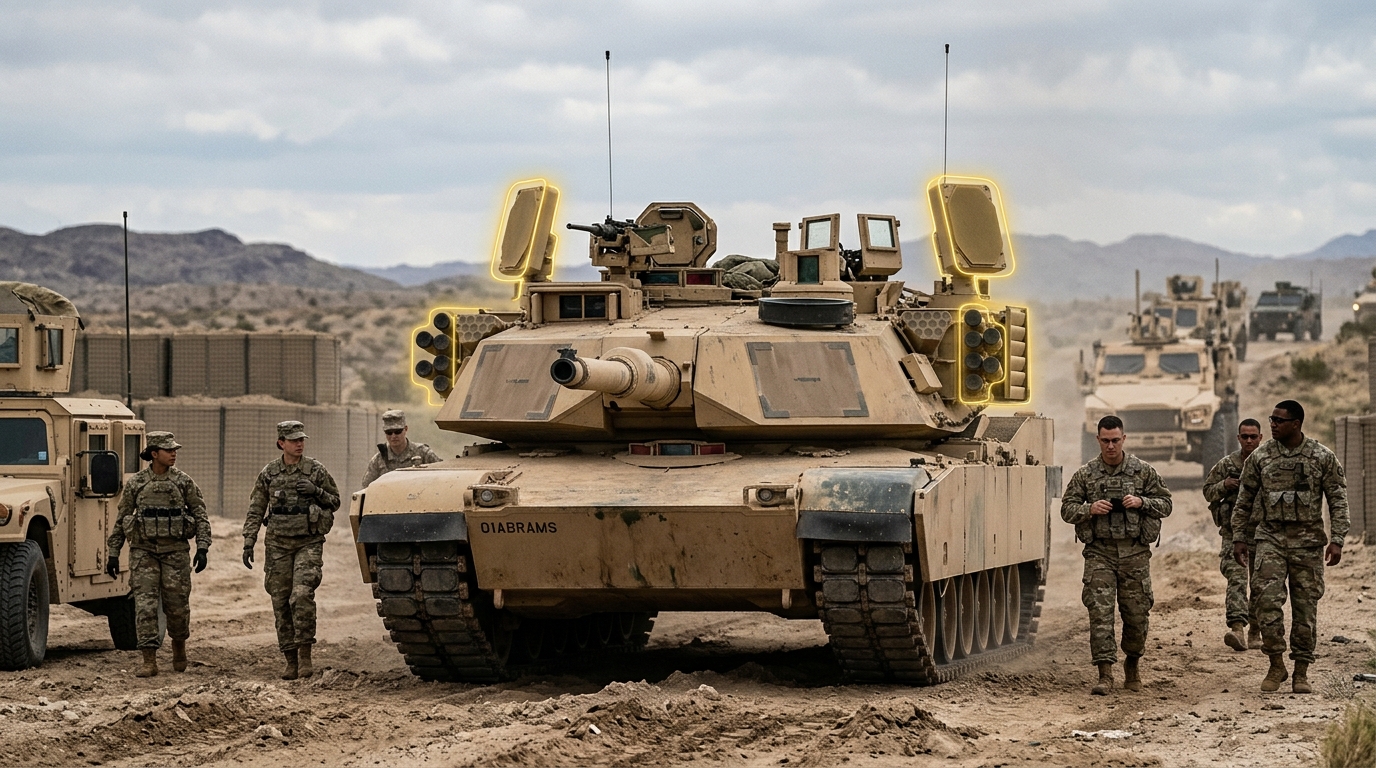
Trophy APS has defeated over 1,000 anti-tank threats in combat, now standard on U.S. Abrams tanks and being adapted for drone defense.
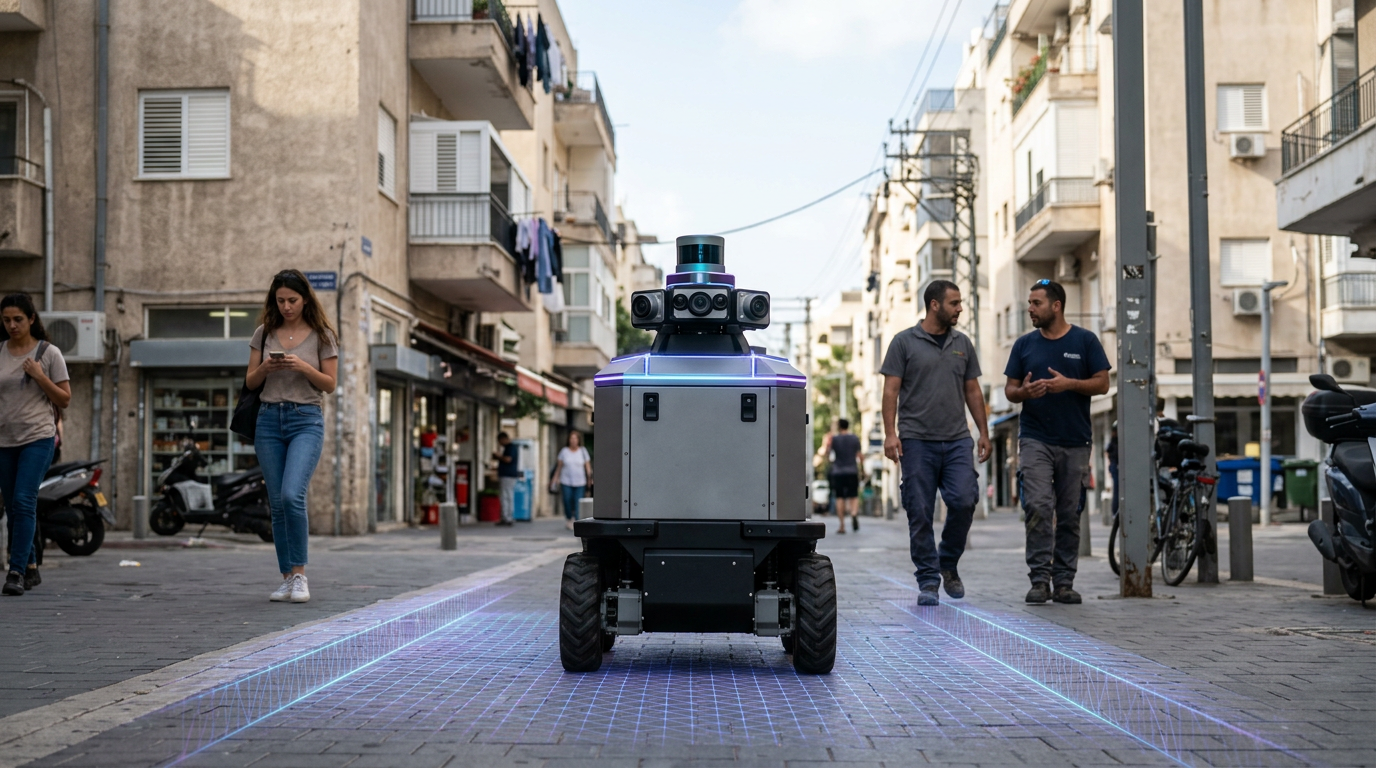
Israel's computer vision ecosystem spans defense (target recognition), automotive (Mobileye), agriculture (crop monitoring), and medical imaging, with deep academic roots.

Rafael's Litening and Elbit's Condor targeting pods equip fighter aircraft of 30+ air forces with precision strike and reconnaissance capabilities.
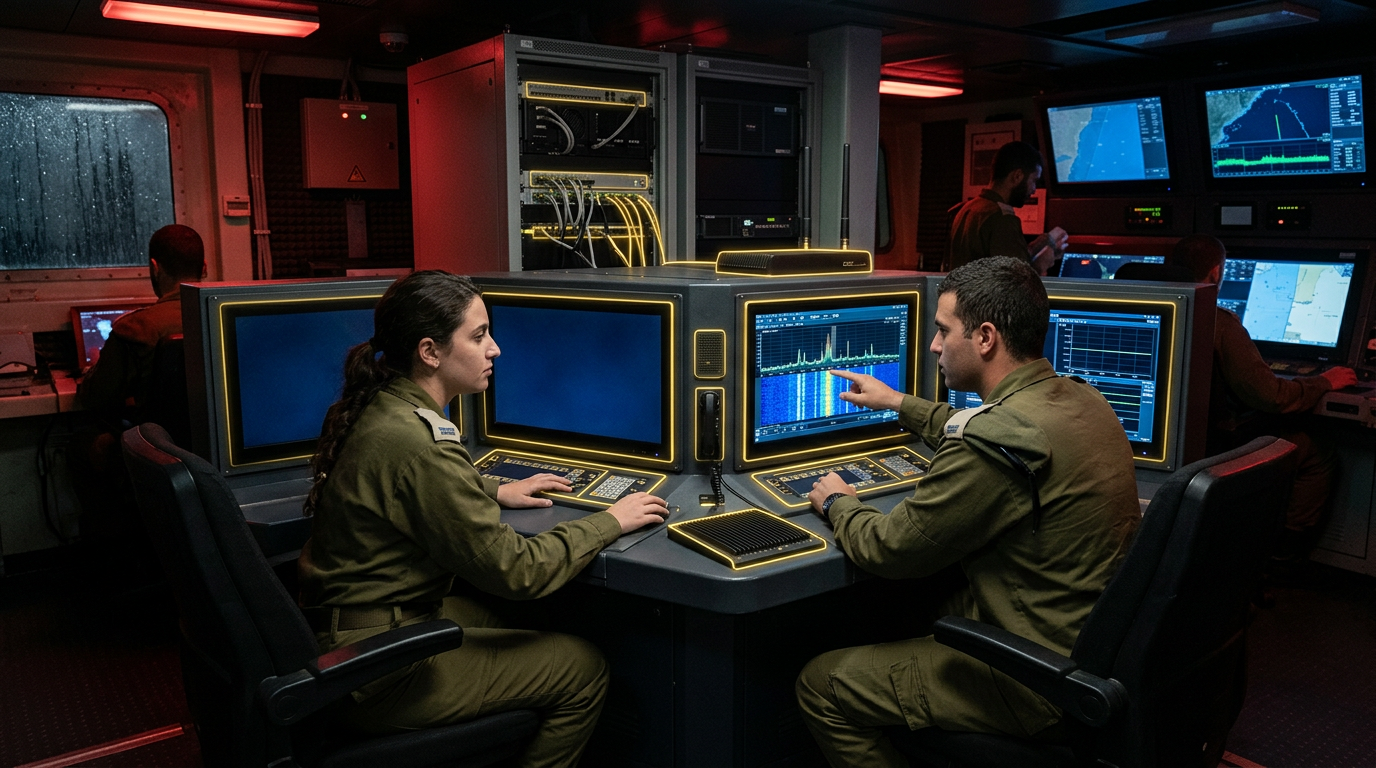
Israel's EW systems span spectrum dominance from tactical jammers to strategic ELINT, with Elbit and IAI producing systems exported to 30+ militaries worldwide.
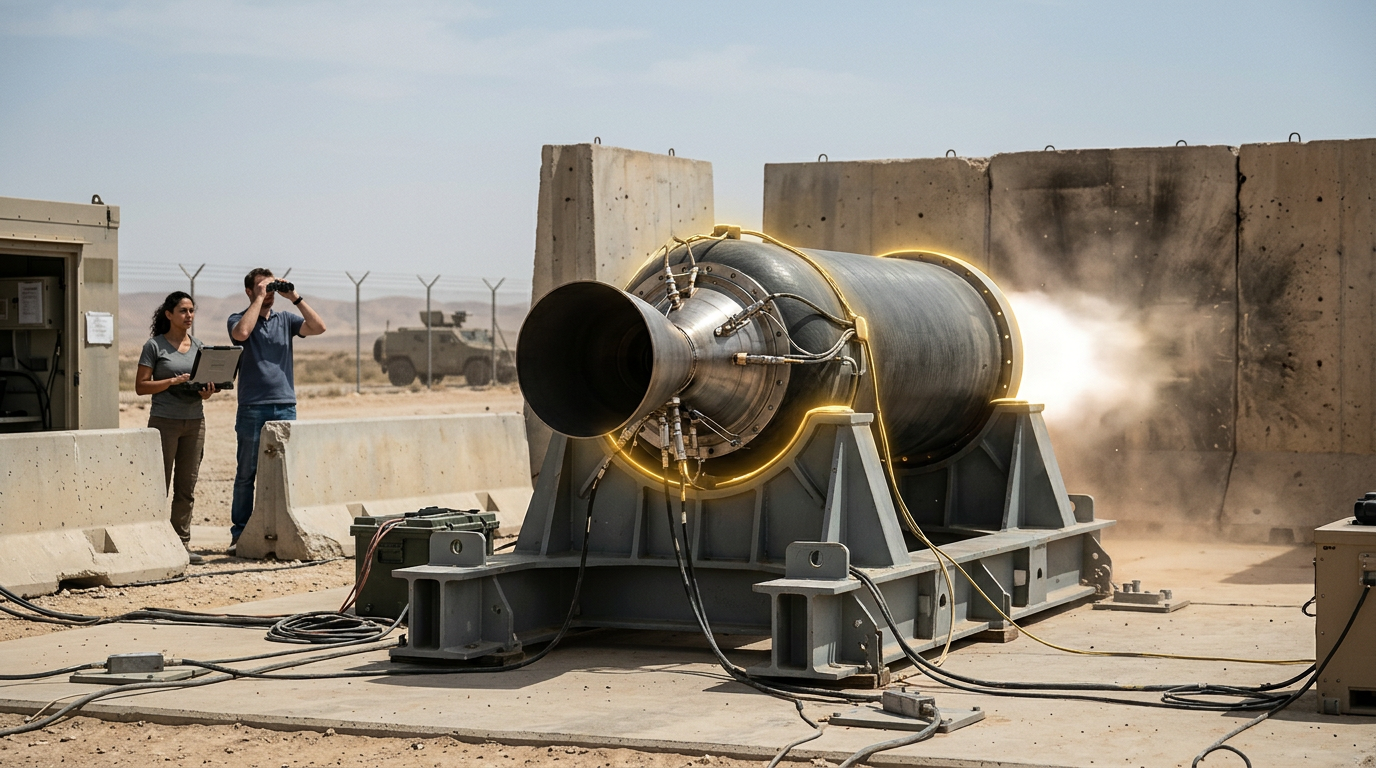
Israel's indigenous solid-fuel rocket motor technology underpins its missile defense interceptors, Shavit launch vehicle, and Jericho ballistic missile family.
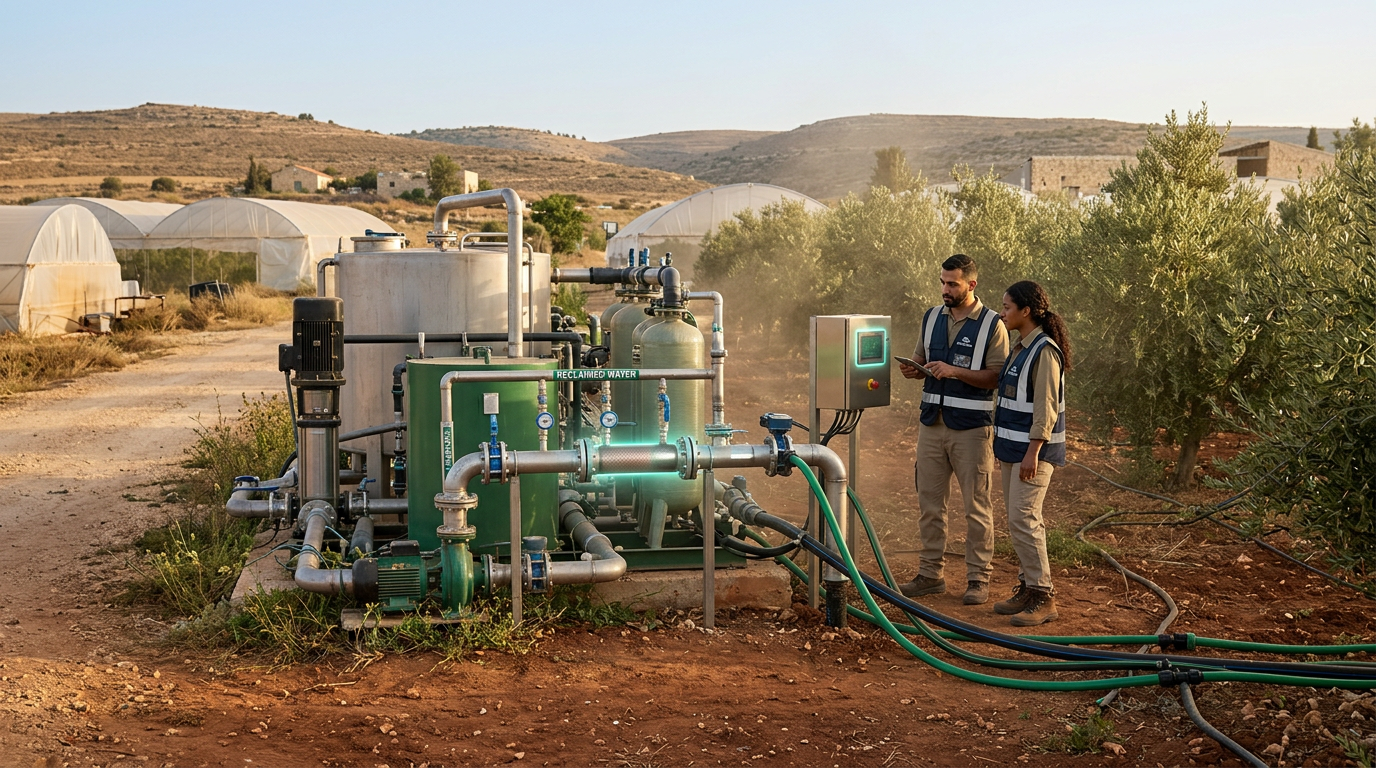
Israel recycles nearly 90% of its wastewater for agricultural irrigation — the highest rate globally — using advanced tertiary treatment technologies.

Wiz pioneered agentless cloud security scanning, reaching $32B acquisition by Google in 2025 — the largest cybersecurity deal ever — just 4 years after founding.

Israeli agri-robotics spans autonomous fruit-picking robots, AI-controlled greenhouse systems, and drone-based crop monitoring platforms adapted for labor-scarce desert farming.
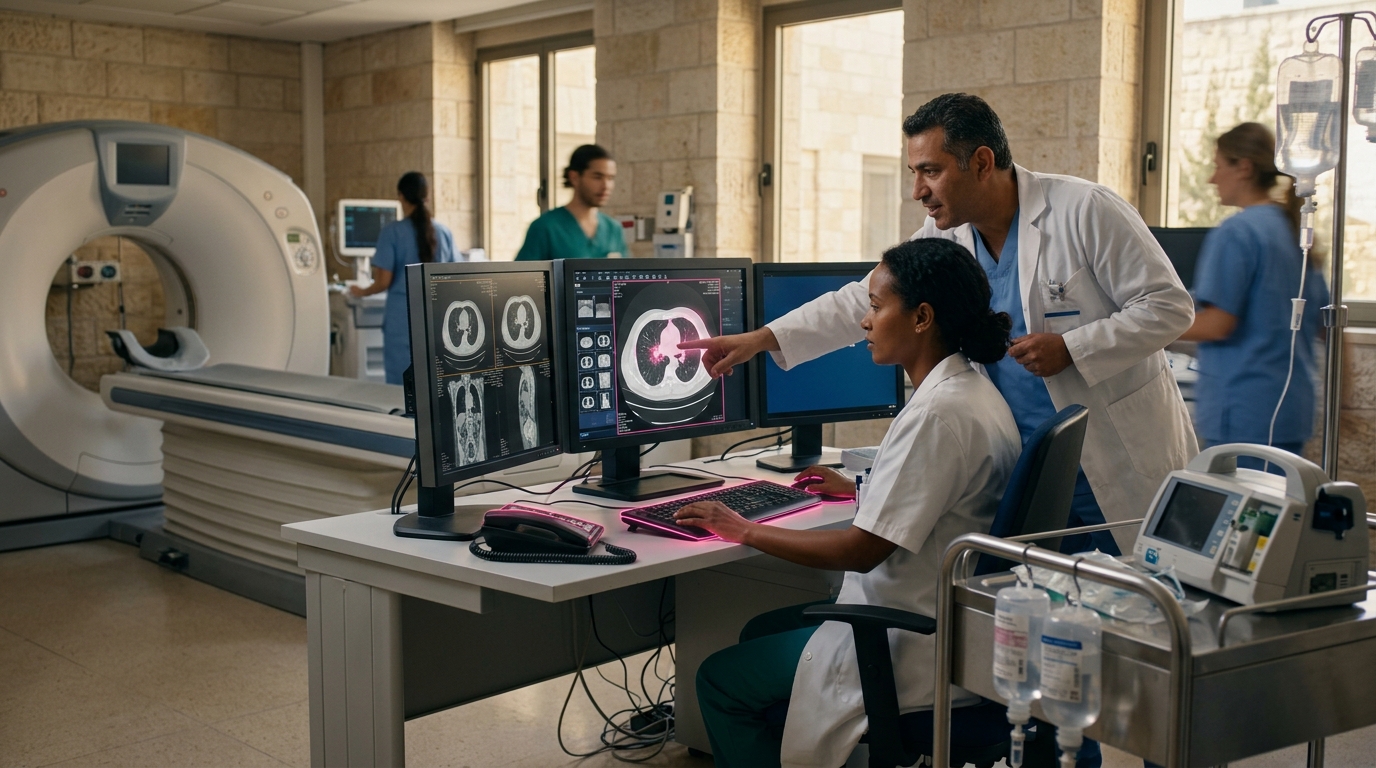
Israeli companies like Aidoc and Zebra Medical have FDA-cleared AI systems that detect strokes, cancers, and fractures from CT/MRI scans in real-time clinical workflows.
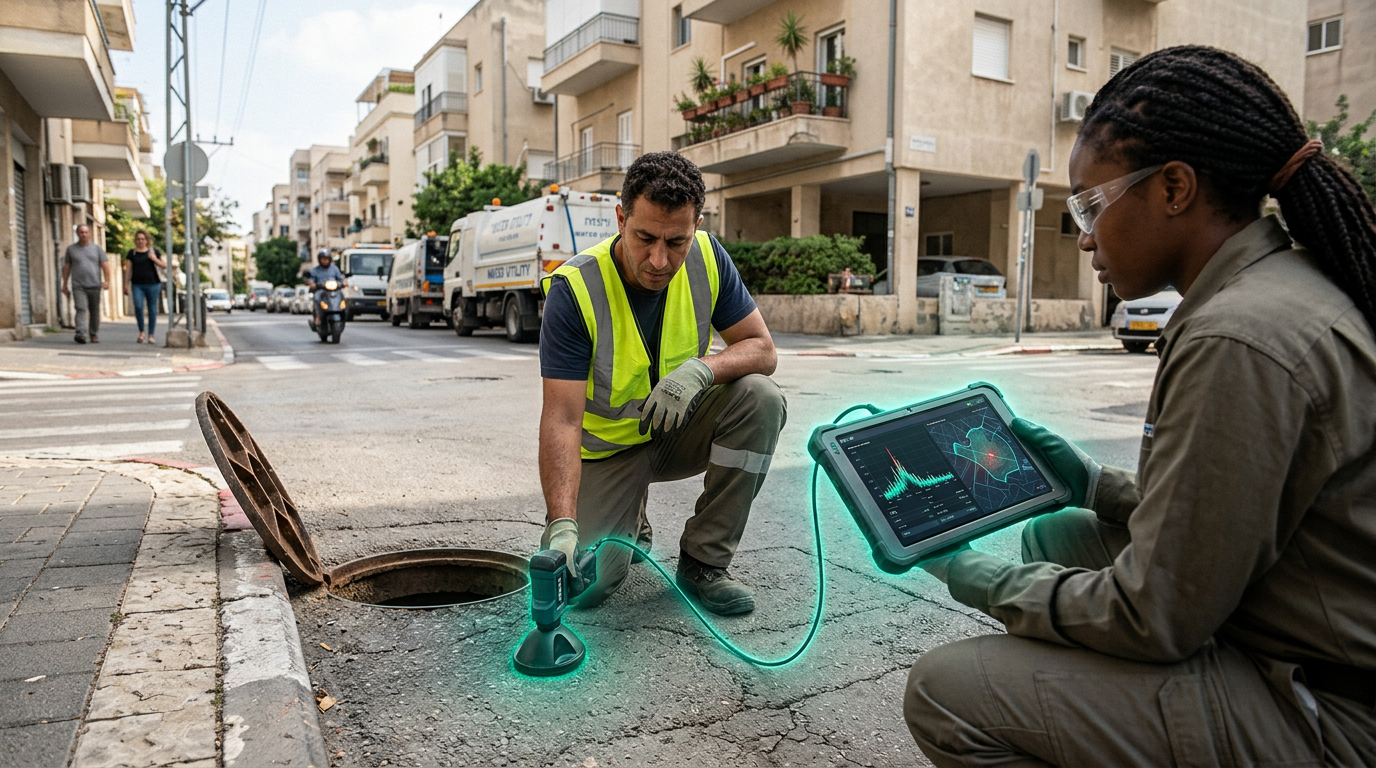
Israeli water-tech companies deploy acoustic sensors, AI analytics, and satellite imagery to detect leaks in municipal water networks, reducing global non-revenue water losses of 30%+.
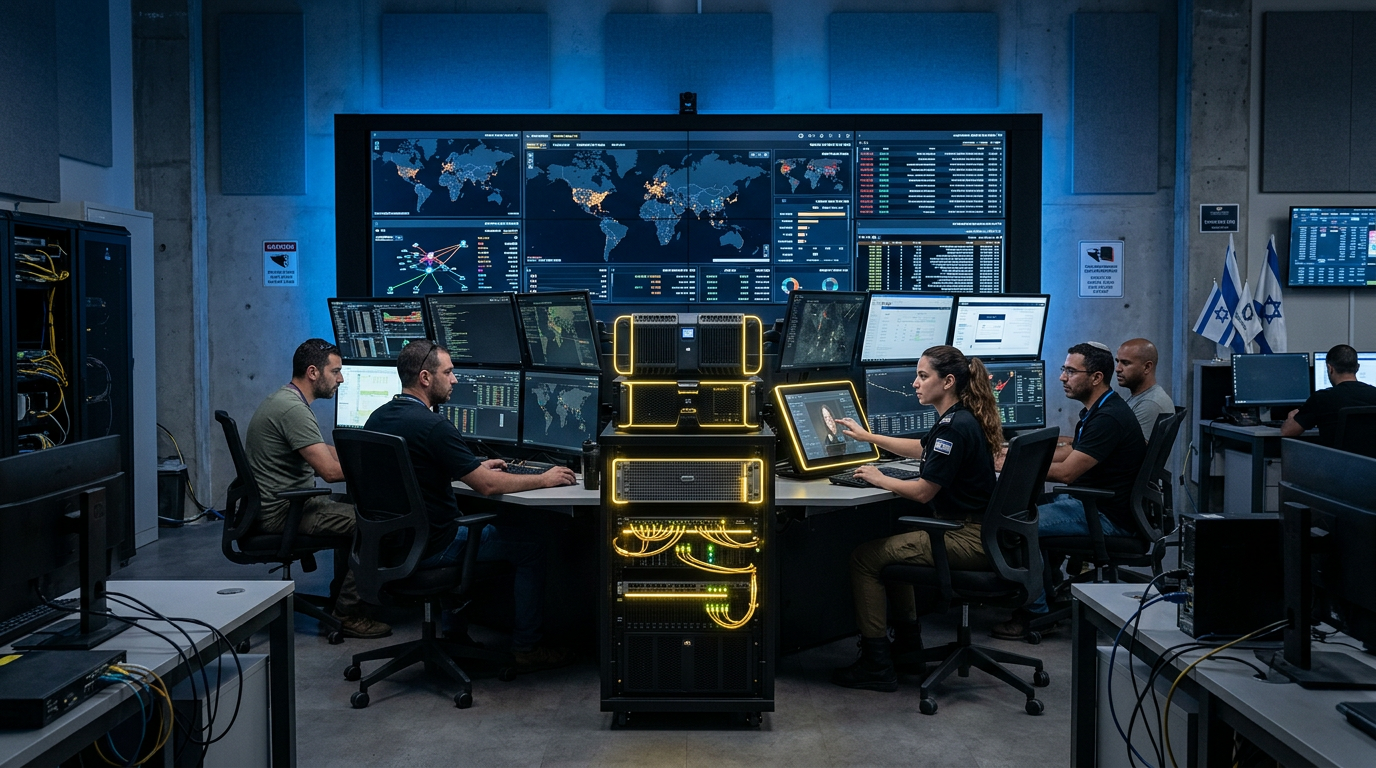
Israeli cybersecurity firms generated $10B+ in exports in 2025, with Wiz's $32B acquisition marking the largest cybersecurity deal in history.
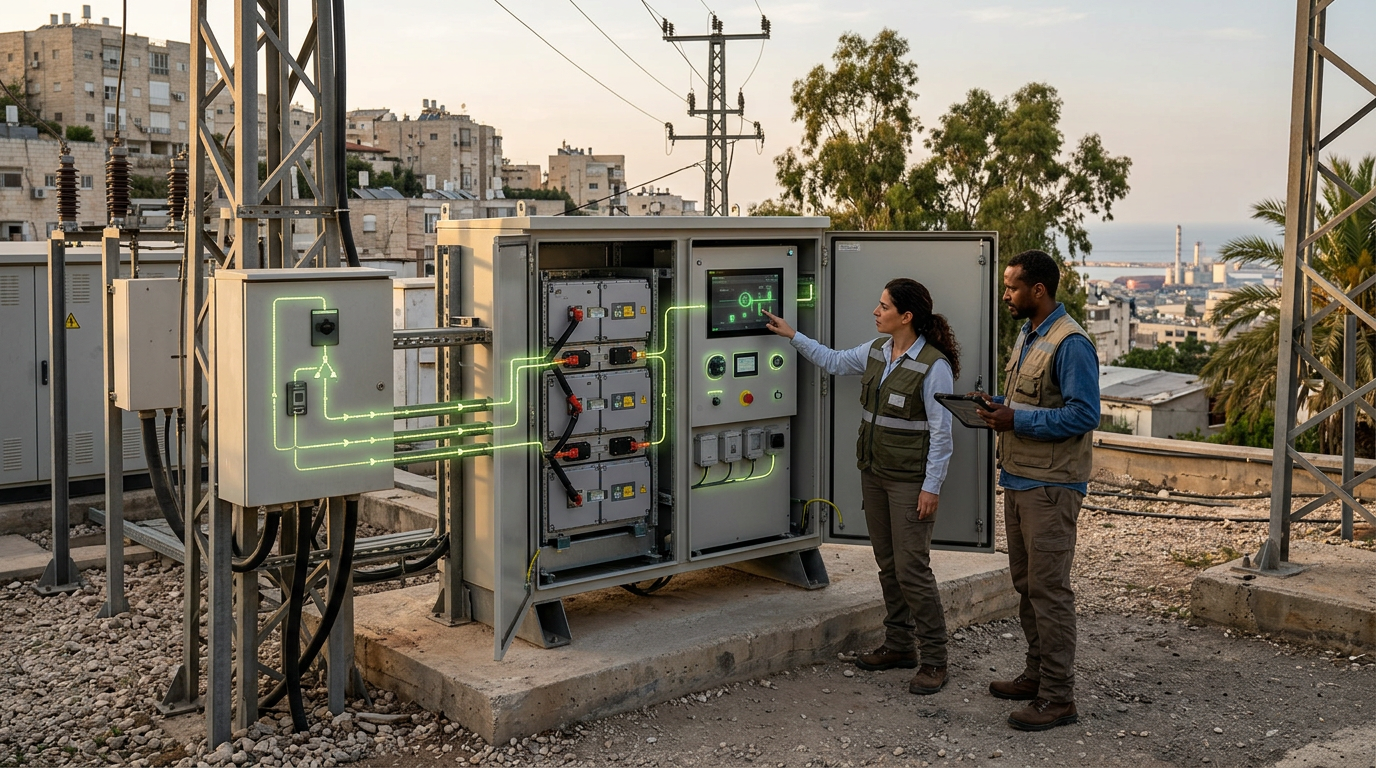
Israeli energy tech companies develop AI platforms for grid optimization, demand response, and battery storage management as the country transitions to 30%+ renewables.

Carbyne's $226M-funded cloud-based emergency platform processes 911/112 calls using AI for call triage, location detection, and video streaming in 100+ jurisdictions.

Israeli fintech firms like Pagaya use AI to score credit risk and detect fraud across $30B+ in annual financial transaction analysis, reshaping lending and insurance.
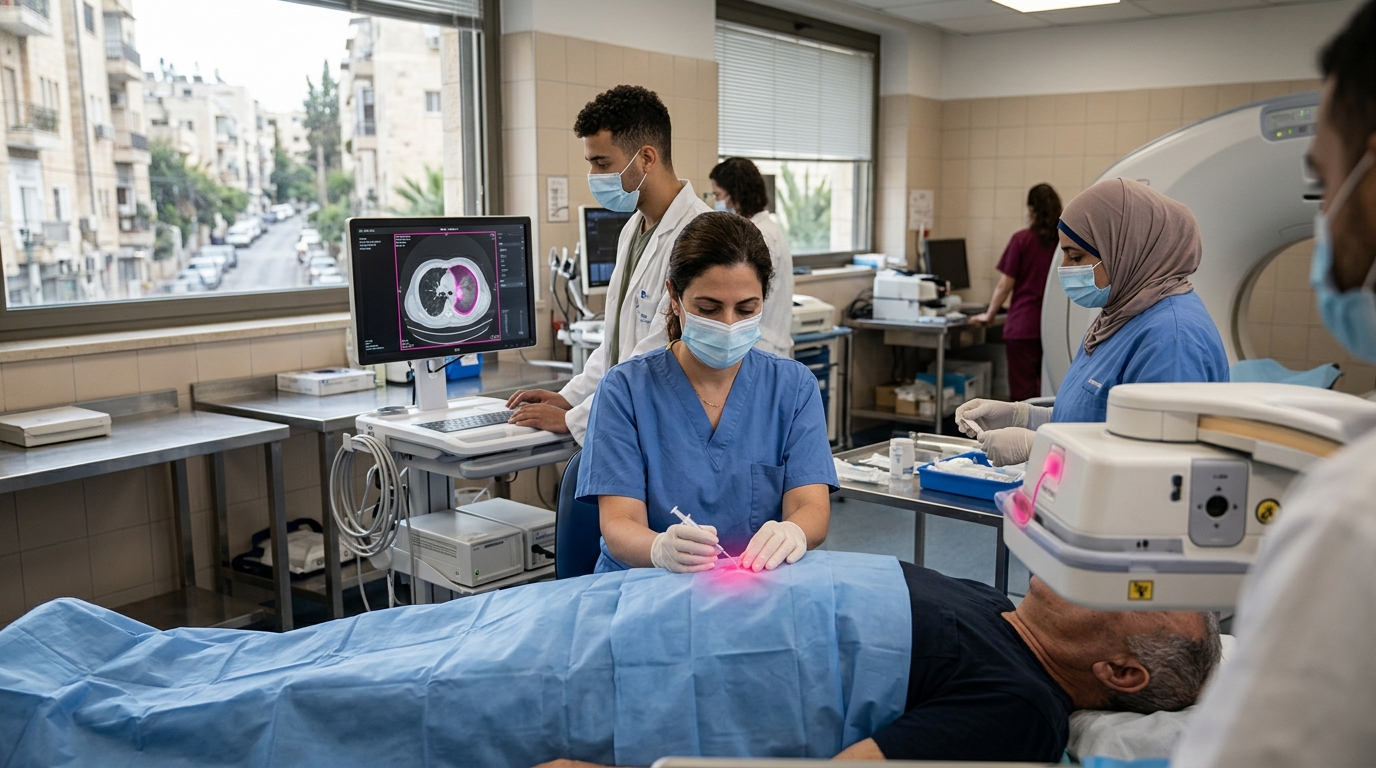
Alpha Tau Medical's Alpha DaRT technology uses controlled alpha-radiation diffusion to destroy solid tumors while sparing surrounding tissue, in clinical trials globally.
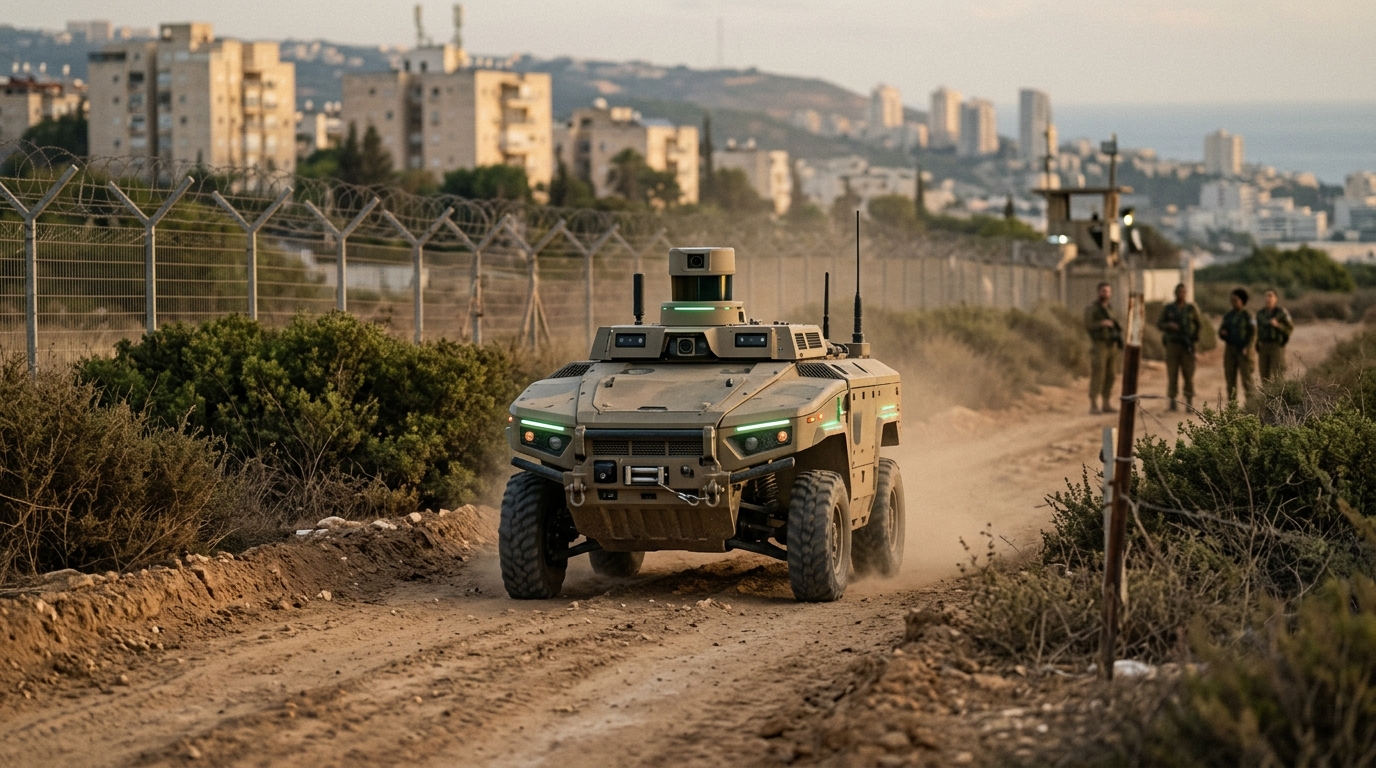
Israel deploys autonomous ground vehicles for border patrol, perimeter security, and logistics, with systems like the Guardium UGV operational along the Gaza border since 2008.
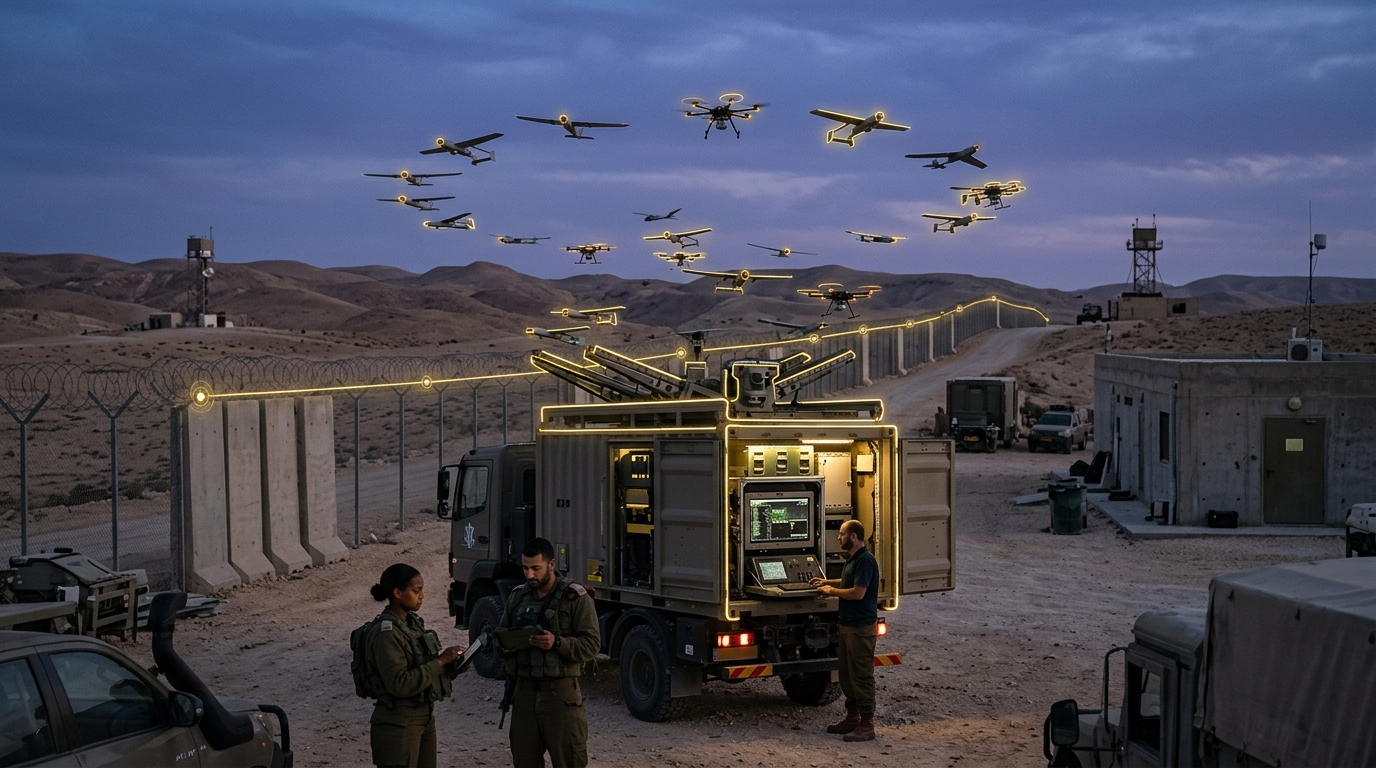
Israeli defense firms are fielding autonomous drone swarm systems that coordinate dozens of UAVs for ISR and strike missions without per-unit operator control.

Bluewhite's $39M-funded retrofit kit converts any existing tractor into an autonomous machine, partnering with CNH Industrial to bring autonomy to specialty crop farming.
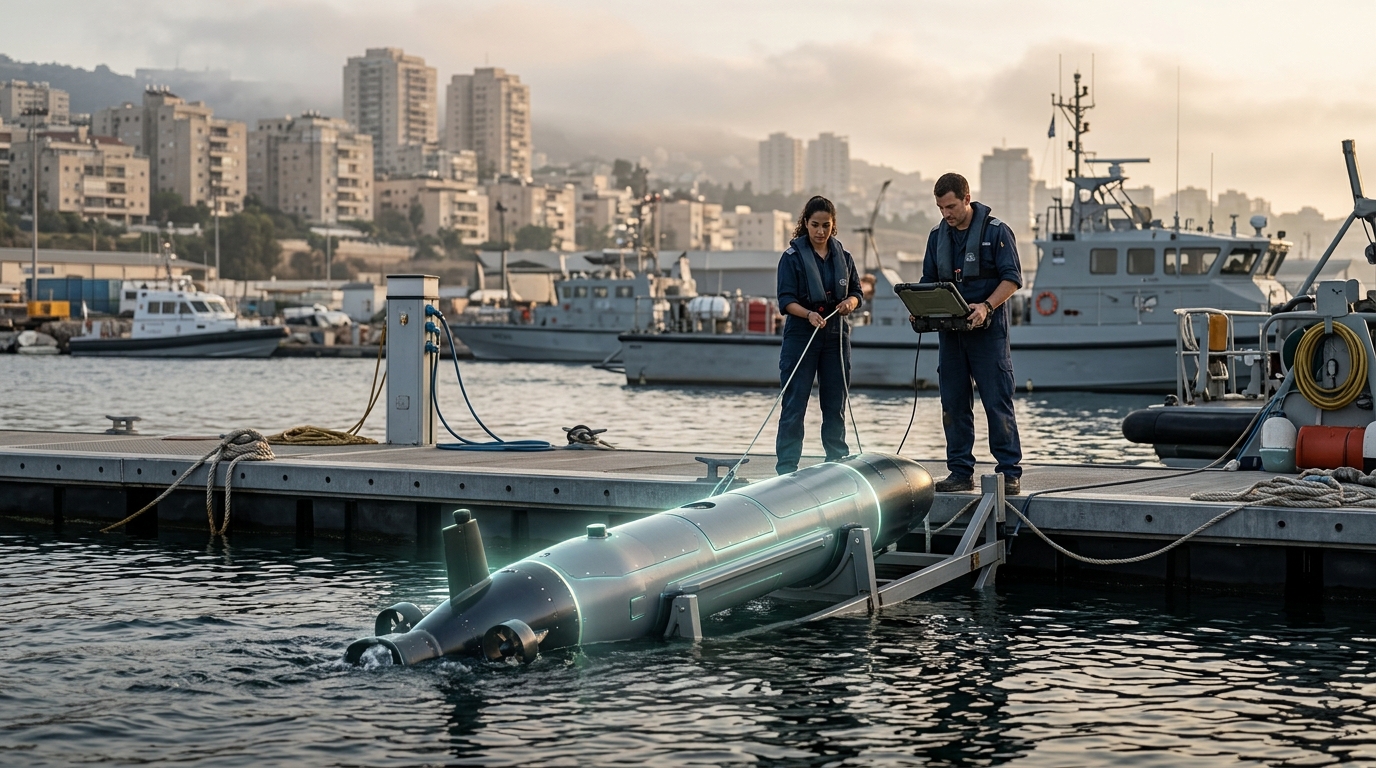
Israeli AUV systems from Elbit and Rafael perform mine countermeasures, port security, and underwater infrastructure inspection for naval forces worldwide.

Mobileye's EyeQ chips power ADAS in 150M+ vehicles from 50+ manufacturers; its camera-first autonomous driving approach challenges lidar-centric competitors.

Foretellix's coverage-driven verification platform generates billions of driving scenarios to validate autonomous vehicles, adapted from Israeli semiconductor verification expertise.

Israeli startups are investigating mind-machine interfaces for both military applications (pilot augmentation) and medical use (paralysis rehabilitation), building on neuroscience expertise.
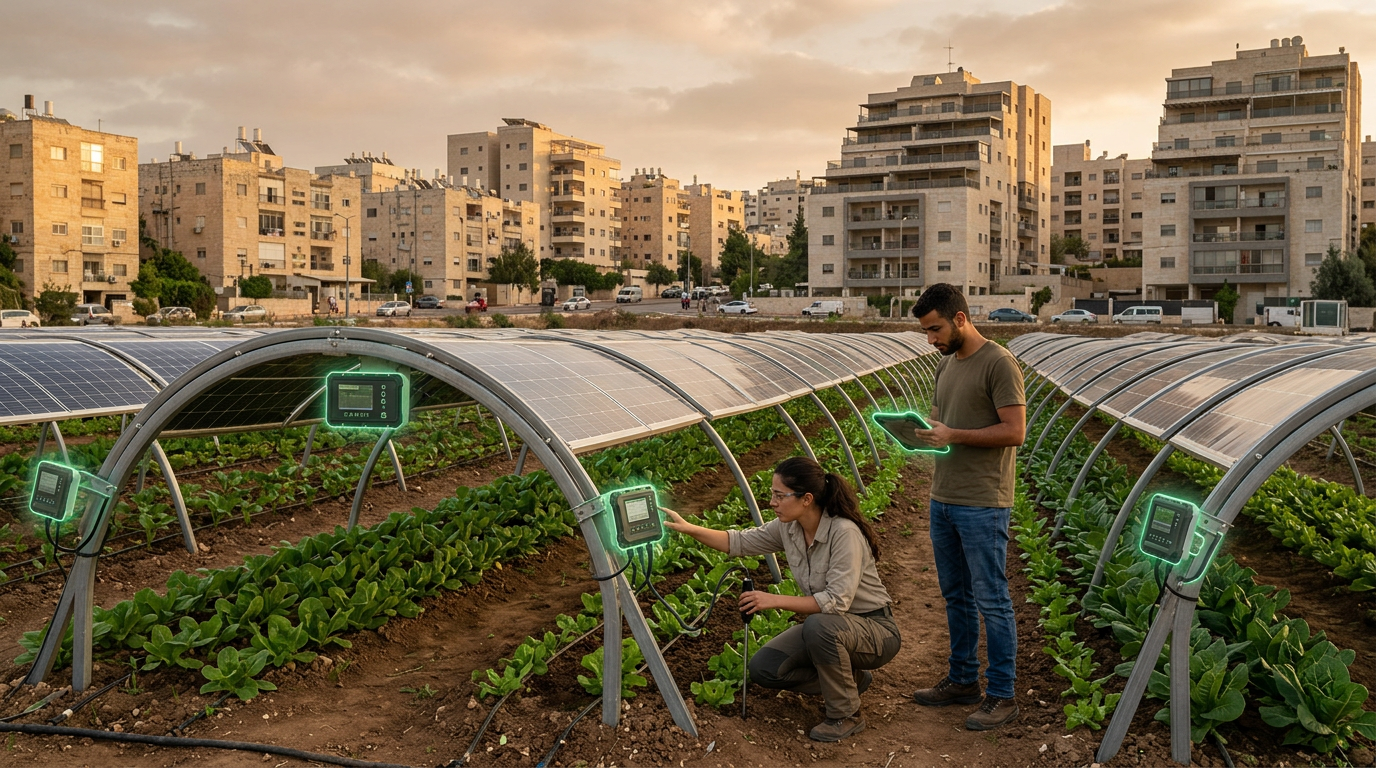
Israeli solar innovations include flexible solar film manufacturing, dual-use agri-solar fields that improve both power and crop yields, and floating solar on reservoirs.
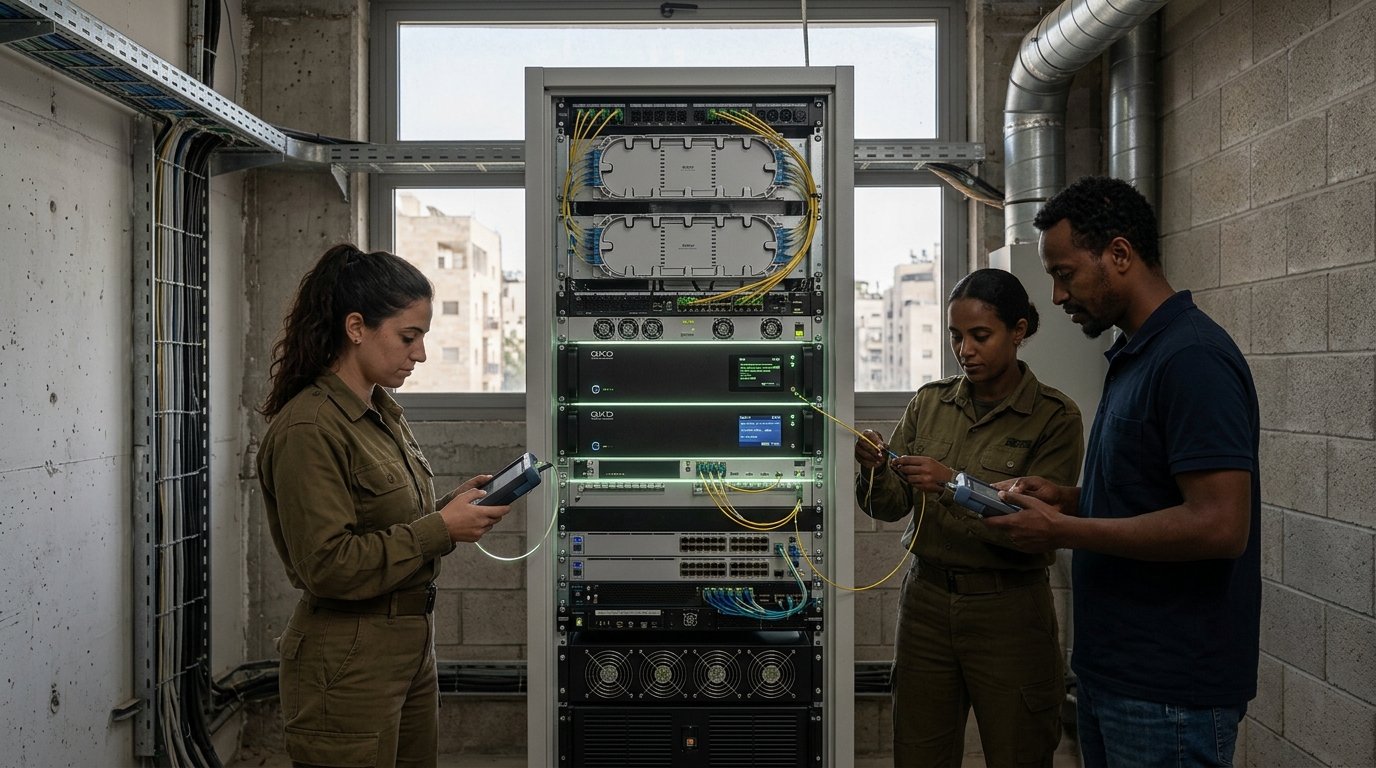
HEQA Security (ex-QuantLR) develops affordable QKD hardware for both terrestrial fiber and satellite links, partnering with Singapore's SpeQtral for space-based quantum networks.
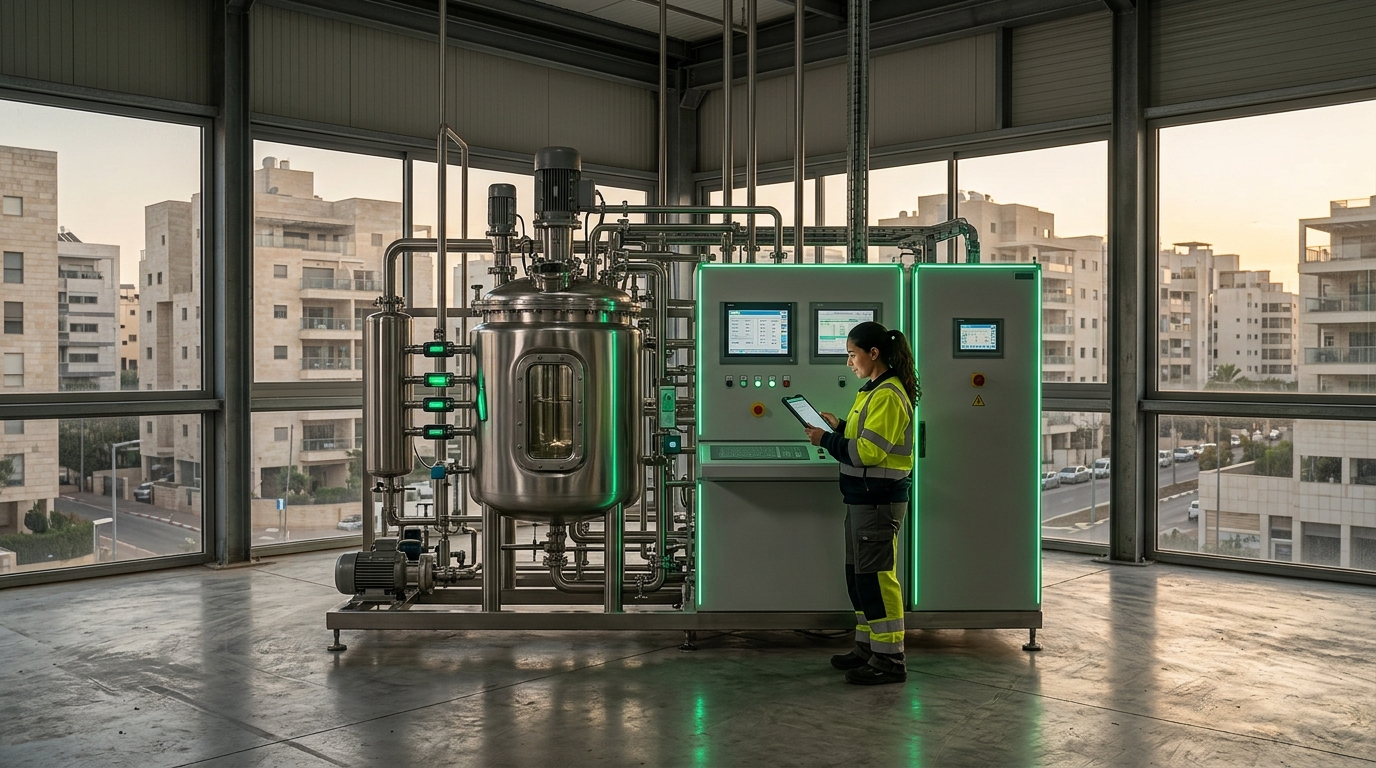
Israel hosts 3 of the world's first 8 cultivated meat companies; Aleph Farms received the world's first regulatory approval for cultivated beef in 2024.

Israeli AI chip startups including NextSilicon and Lightbits are building custom accelerators for cloud inference and database workloads alongside Hailo's edge dominance.
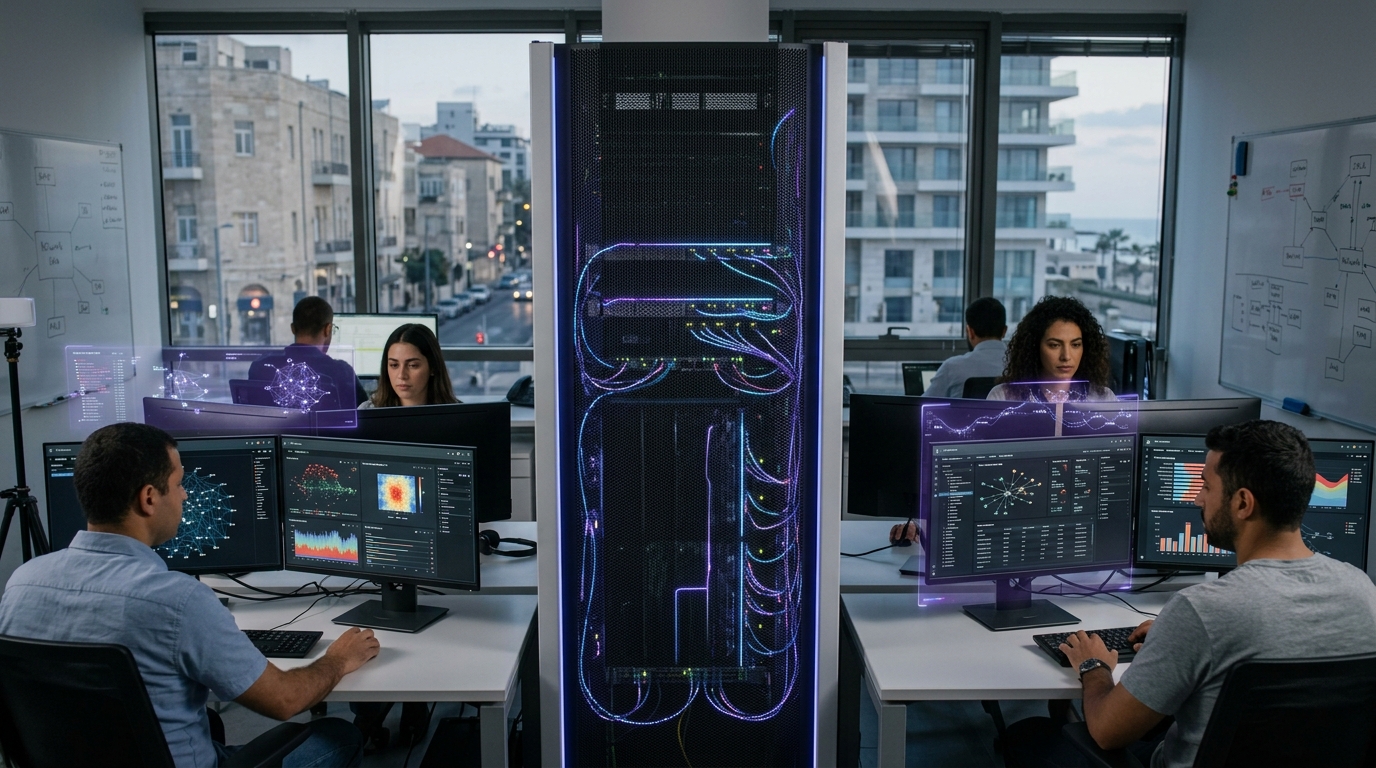
Deep Instinct applies deep neural networks to cybersecurity for predictive threat prevention, detecting zero-day malware with sub-millisecond response times.
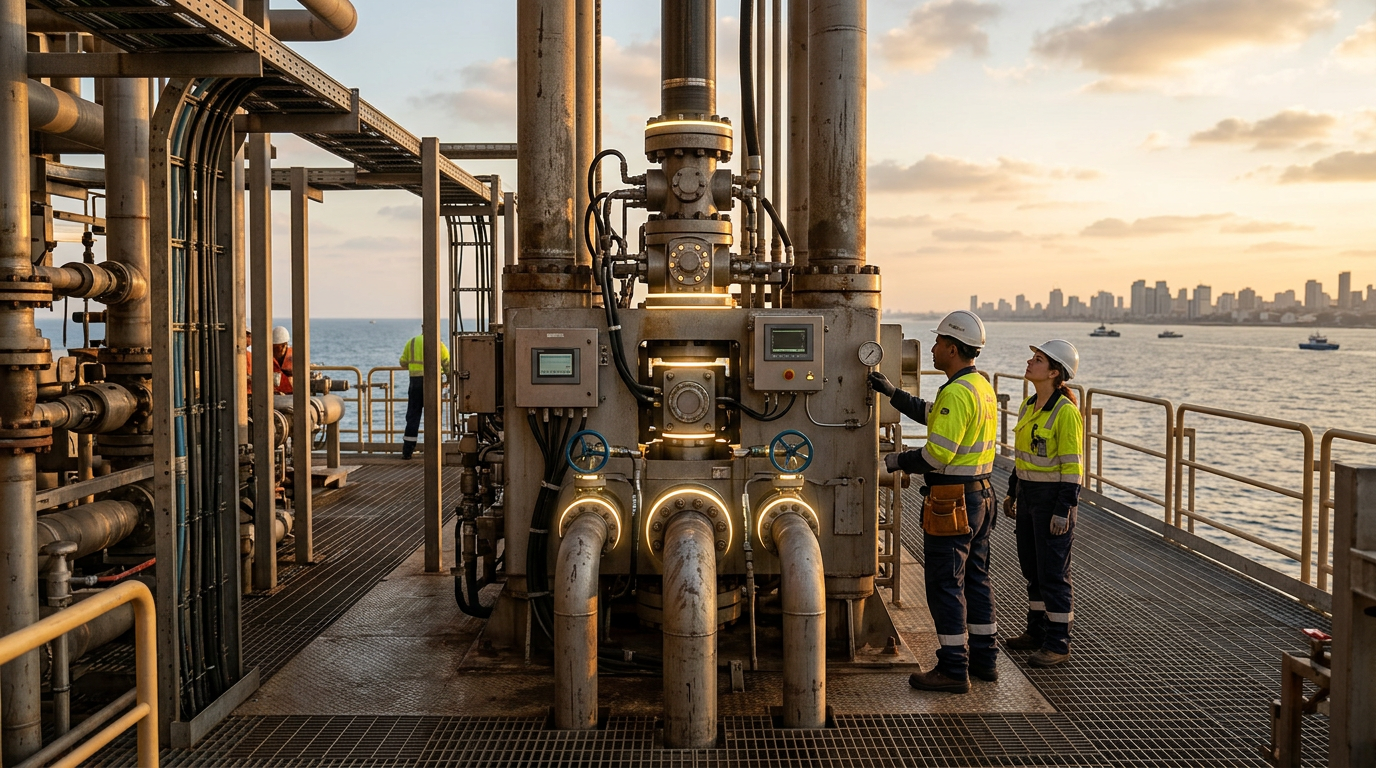
Israel's Leviathan and Tamar offshore gas fields transformed a total energy importer into a regional gas exporter, with advanced subsea production systems at 1,600m depth.
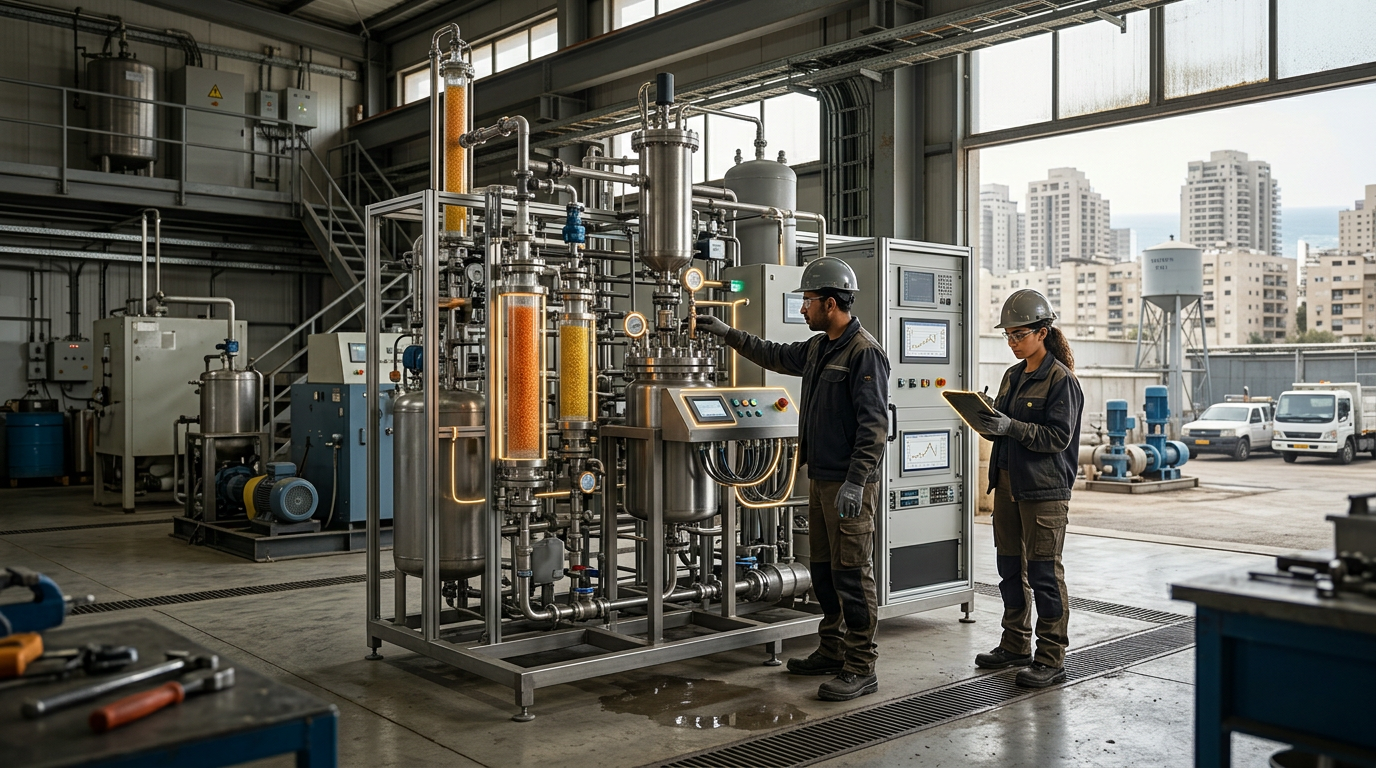
IDE Technologies is developing brine mining processes to extract lithium, magnesium, and other critical minerals from desalination reject streams — turning waste into resources.
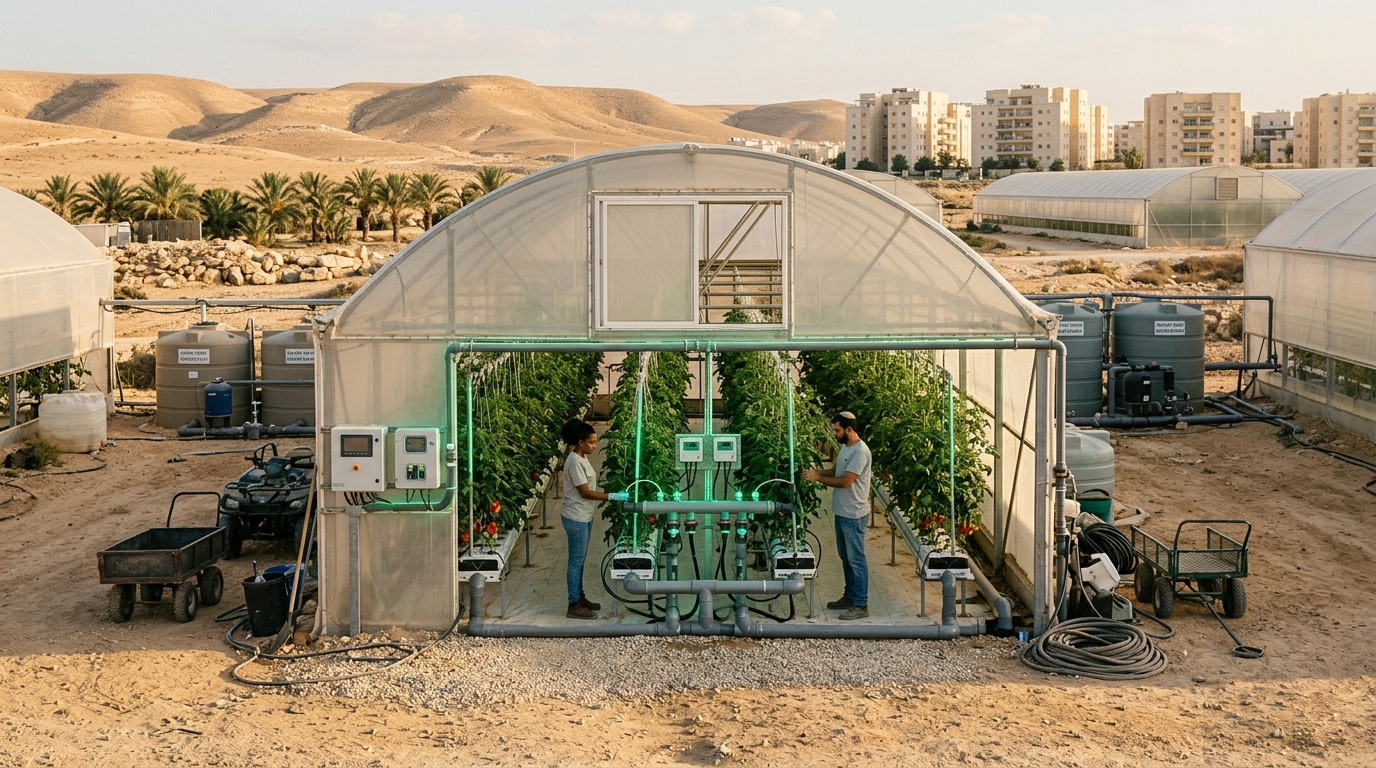
Israel grows high-value crops in the Negev desert using controlled-environment greenhouses, salt-tolerant cultivars, and recycled wastewater — producing more than larger rival nations.
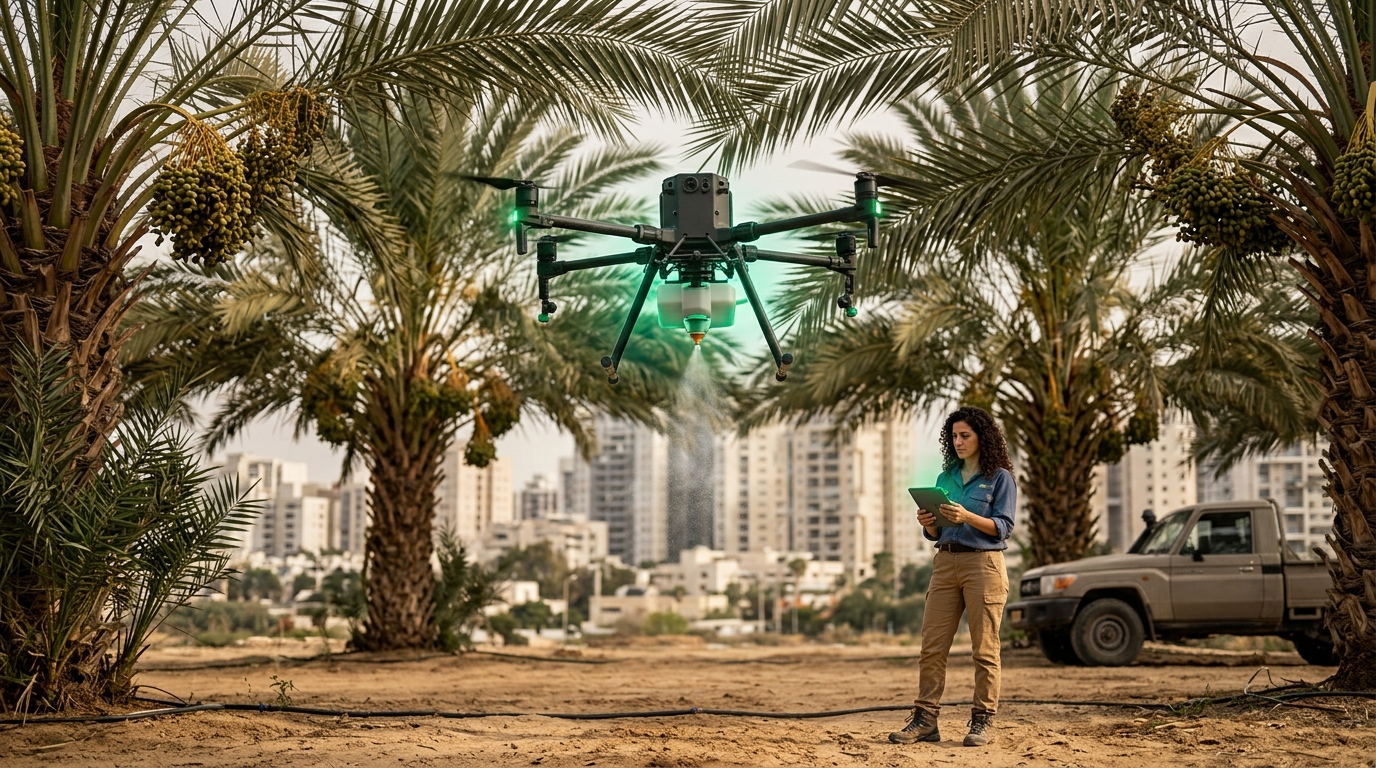
Israeli companies use autonomous drones to pollinate date palms and other crops, achieving 30% higher fruit set rates than manual methods amid global pollinator decline.
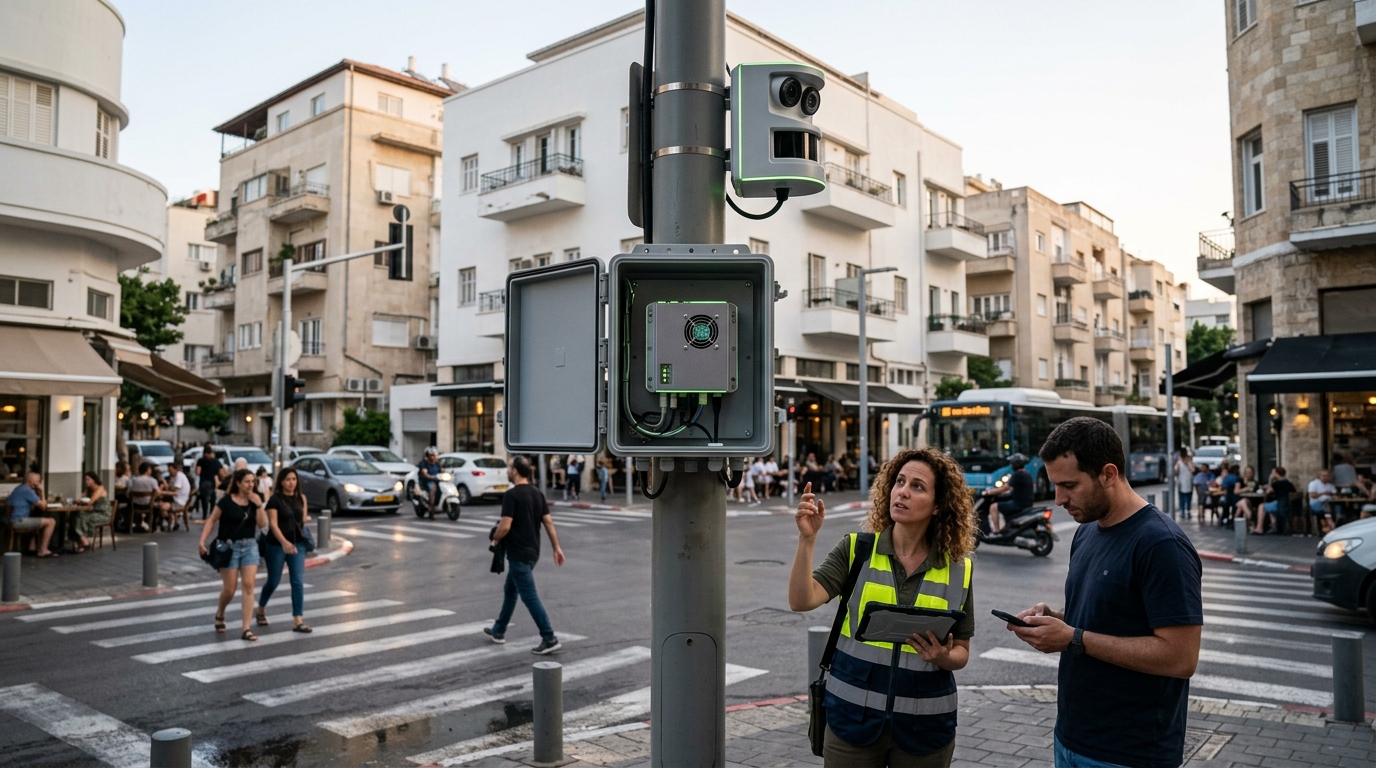
Hailo's AI accelerator chips deliver 26 TOPS at under 3W, adopted by Raspberry Pi and deployed in automotive, defense, and smart city applications globally.

Israeli companies like Unit and Rapyd provide APIs that enable non-financial companies to embed banking, payments, and lending into their products without obtaining banking licenses.
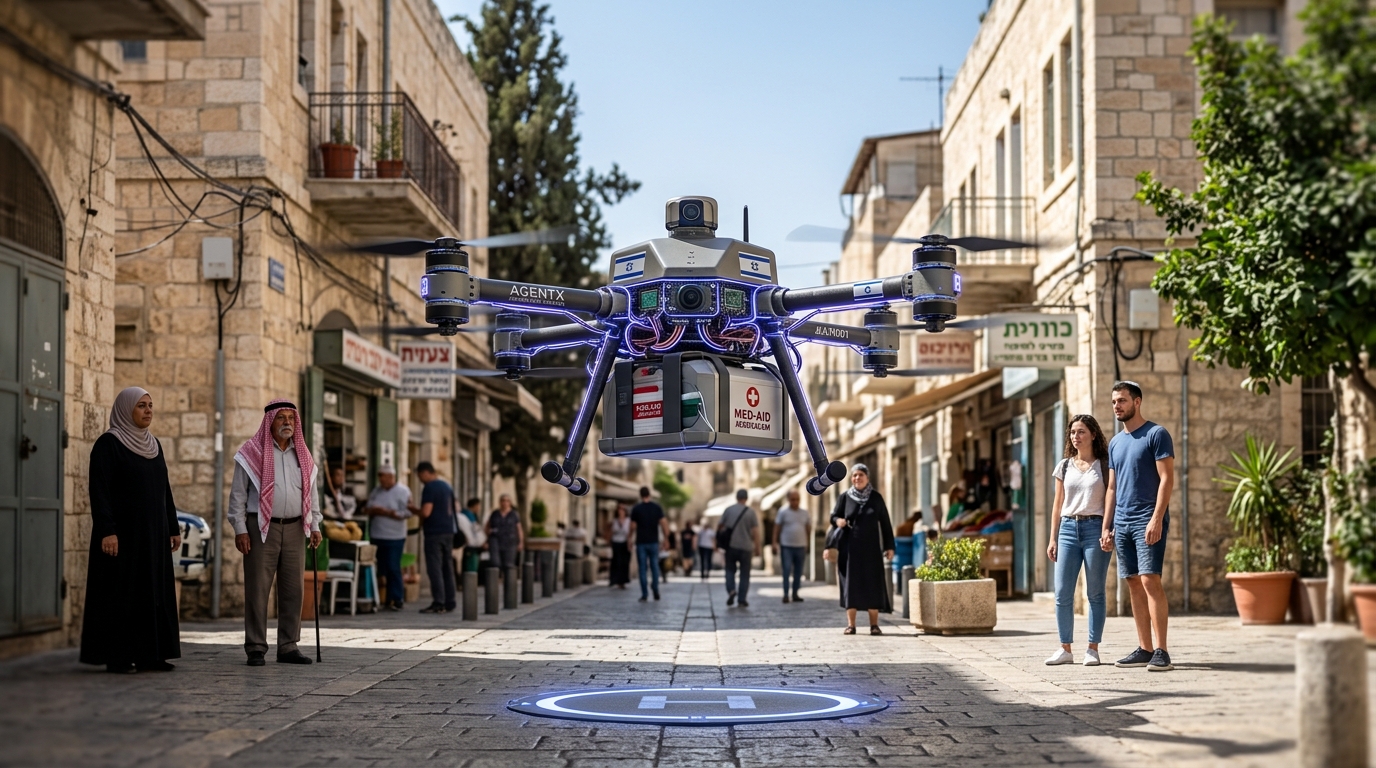
Israeli AI agent startups surged in 2025-2026, with one enterprise platform exceeding $285M funding and $1B valuation in just eight months.
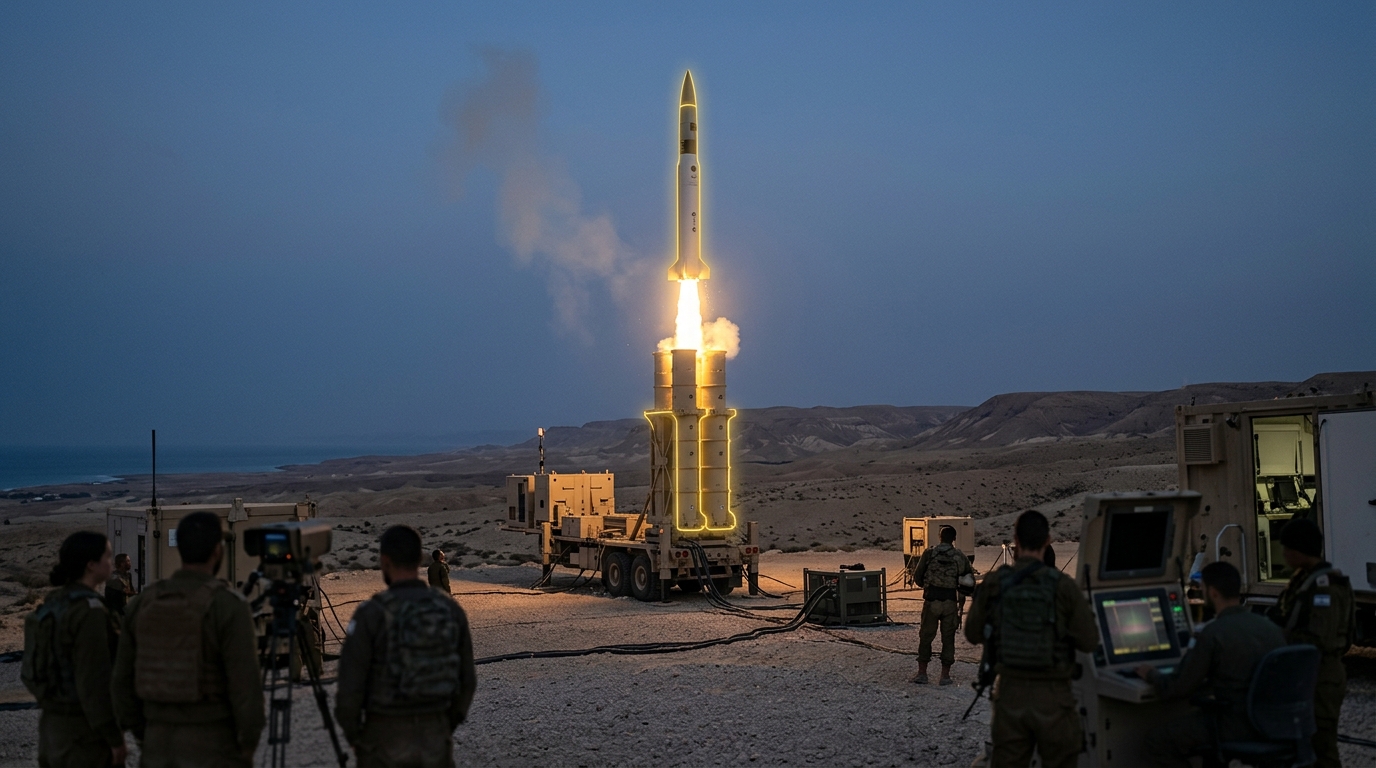
Arrow-3 destroys ballistic missiles in space before atmospheric reentry, forming the top tier of Israel's five-layer missile defense shield.
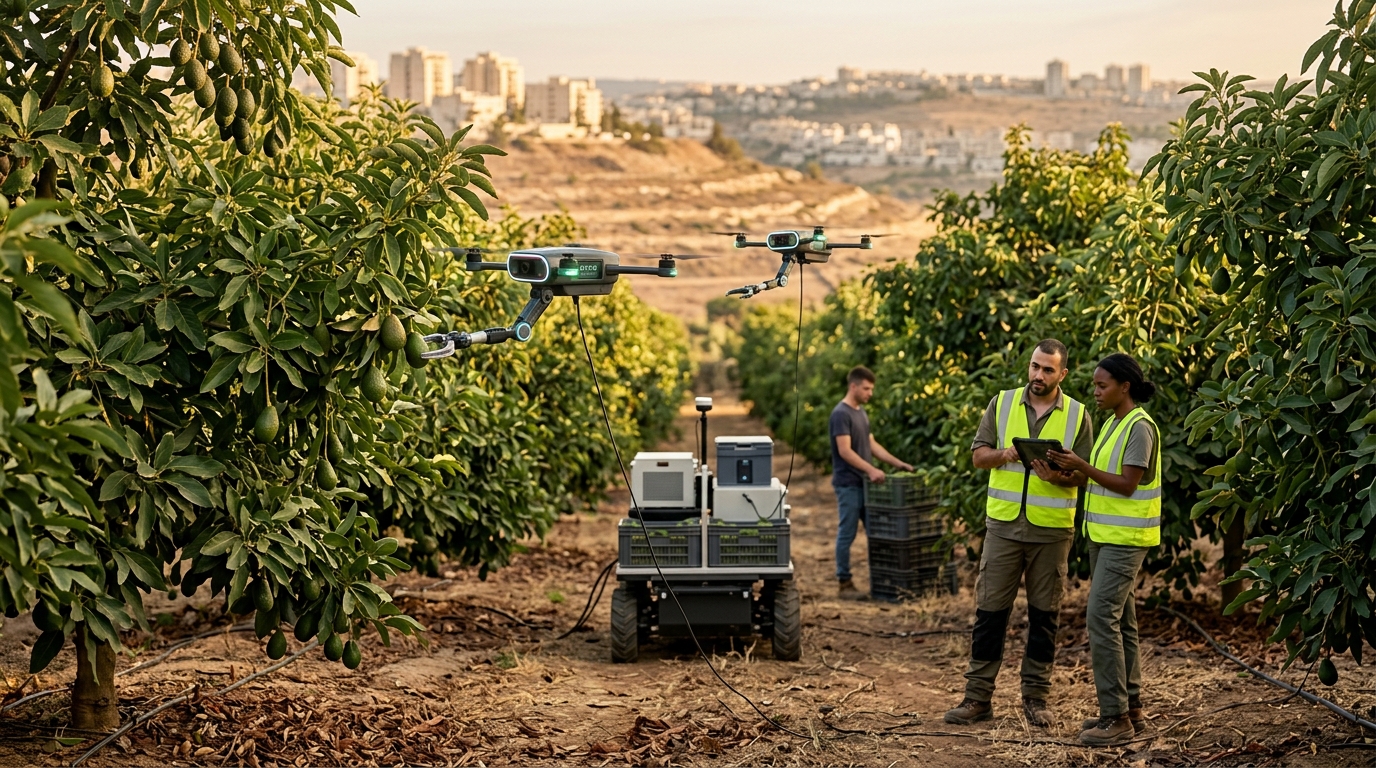
Tevel's tethered flying robots use AI vision to identify ripe fruit, pick it without bruising, and operate in fleets — deployed in Israel, Spain, and Chile.
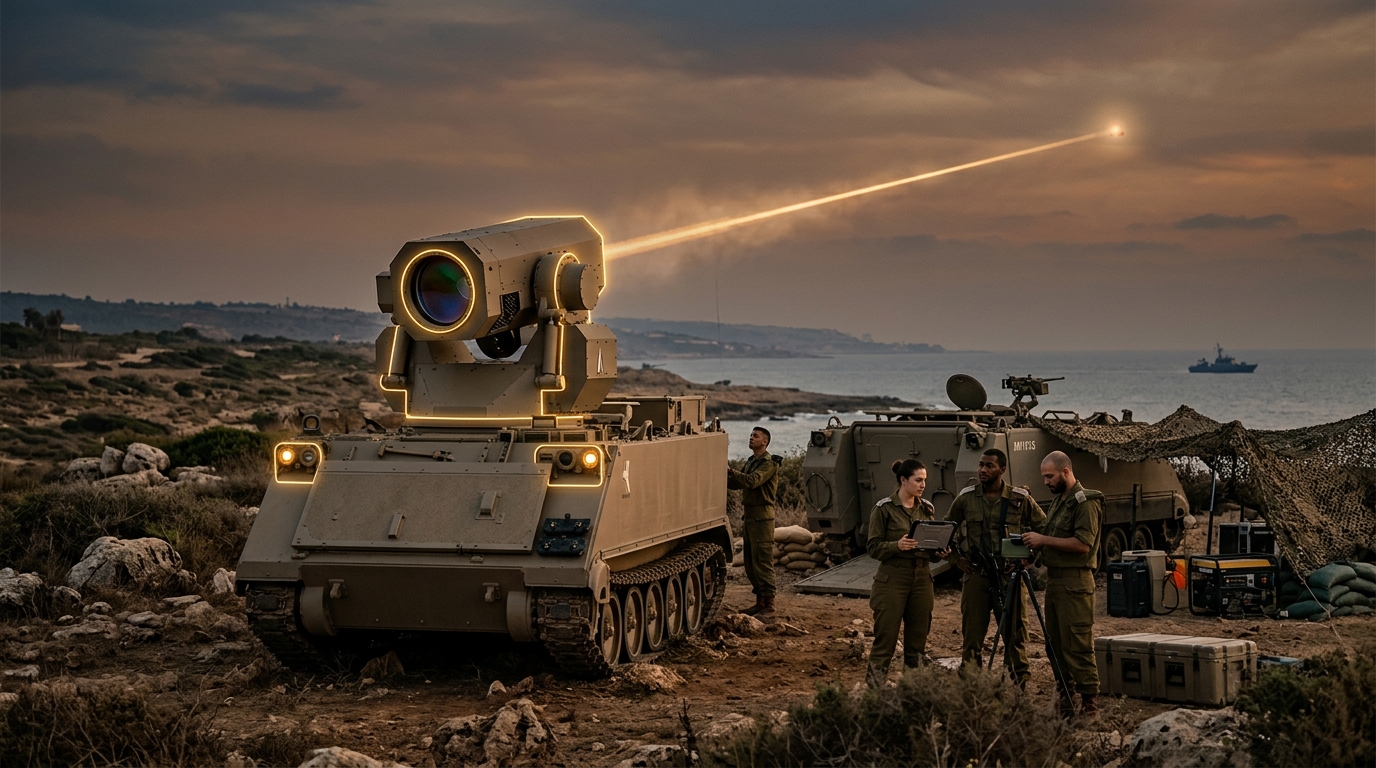
Iron Beam became the world's first operational laser air defense system in December 2025, intercepting rockets and drones at near-zero cost per shot.
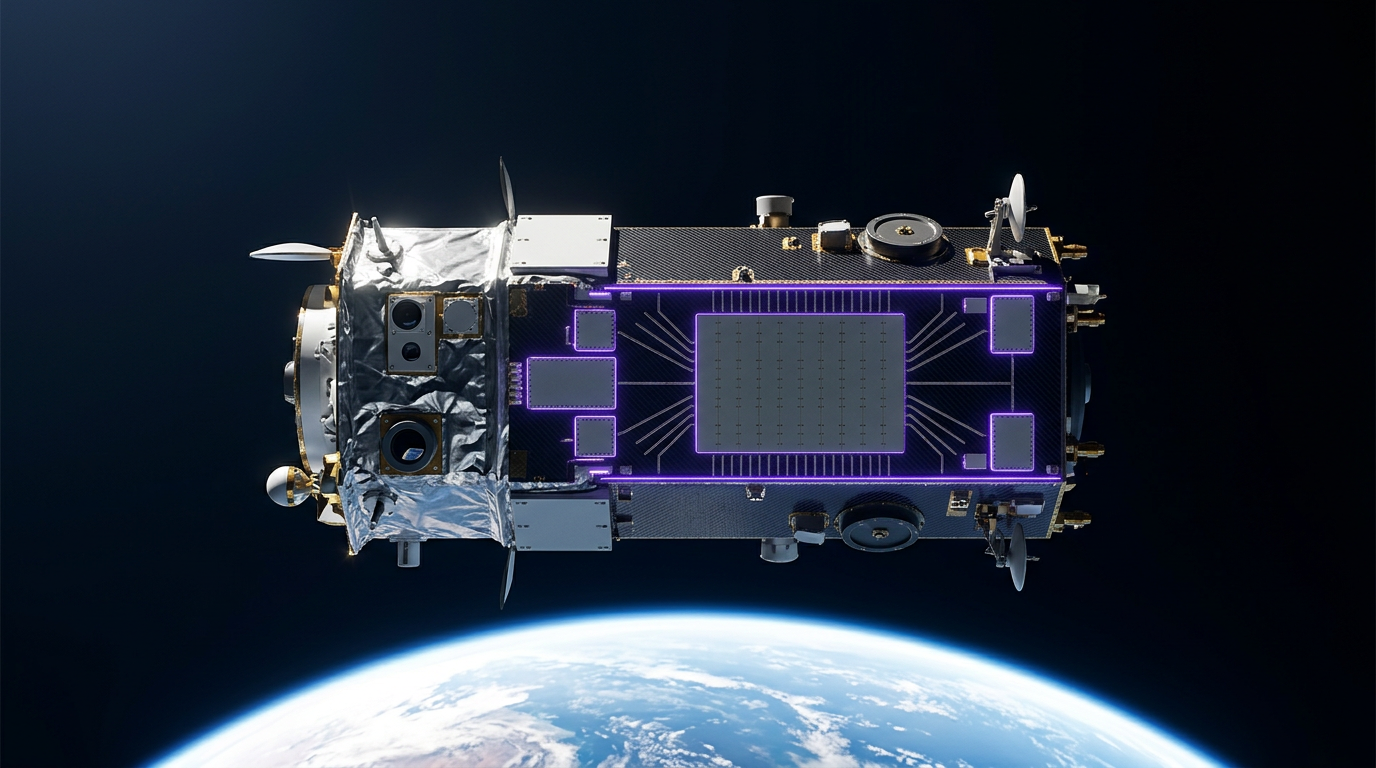
Israel operates the Ofek constellation including Ofek-19 SAR satellite (launched 2025), providing sovereign sub-meter imaging independent of allied intelligence sharing.
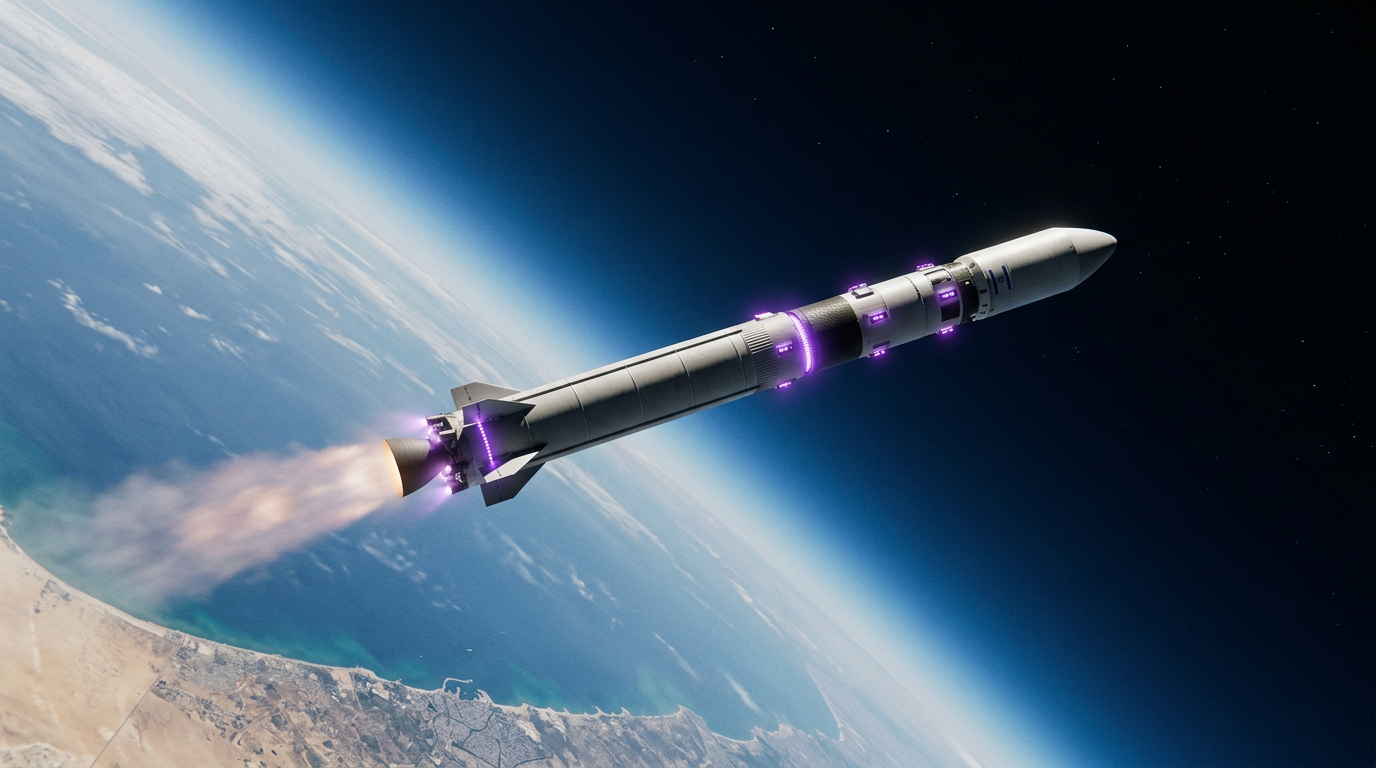
Shavit-2 makes Israel one of only 7 nations that both build satellites and launch them indigenously, despite a 30% payload penalty from westward launch requirements.
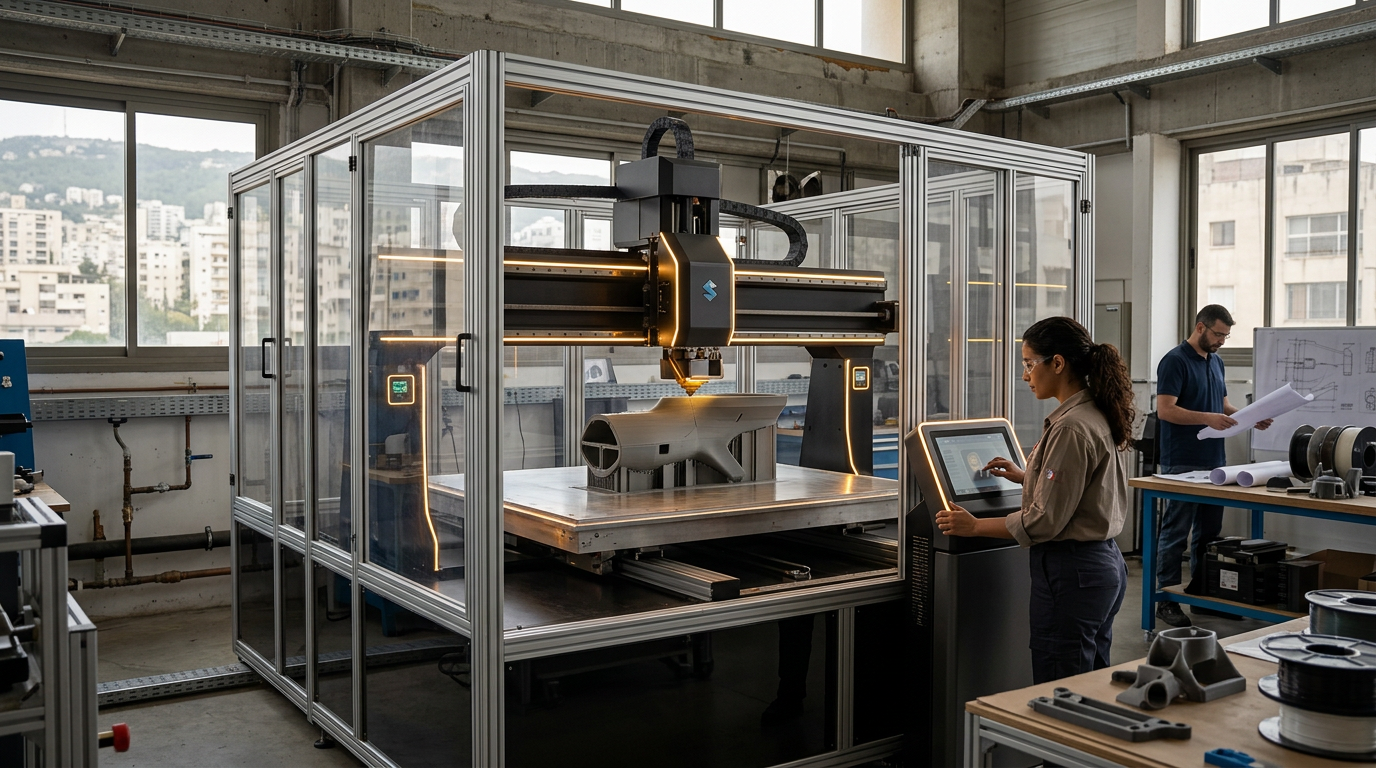
Israel's Stratasys and Massivit pioneered polymer 3D printing for aerospace and defense, with large-format systems producing flight-certified parts and tooling.
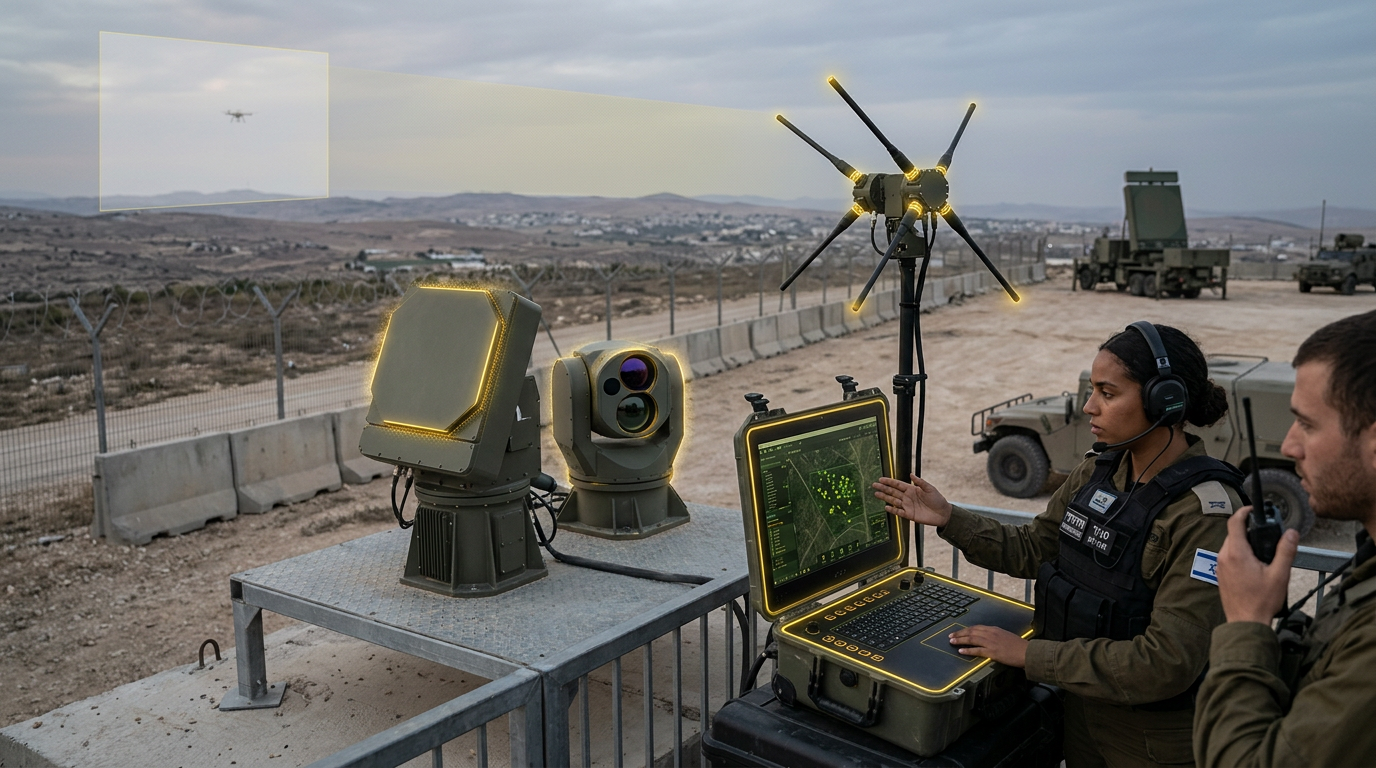
Israel's counter-drone technology combines radar, RF detection, EO tracking, and kinetic/electronic defeat methods, deployed operationally against drone threats from Gaza, Lebanon, and Iran.
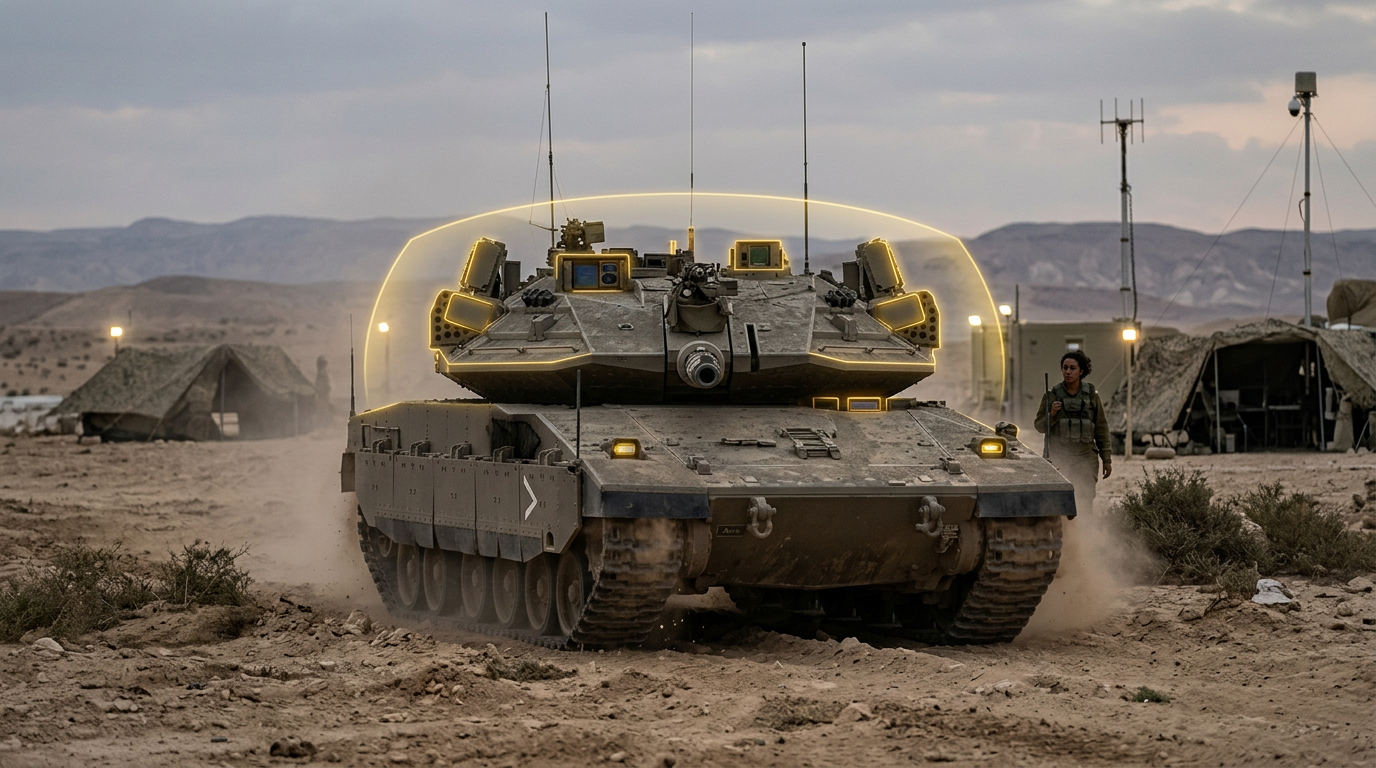
The Merkava Mk.4 Barak integrates Trophy APS, AI-assisted targeting, and networked battle management into the world's most digitally advanced main battle tank.
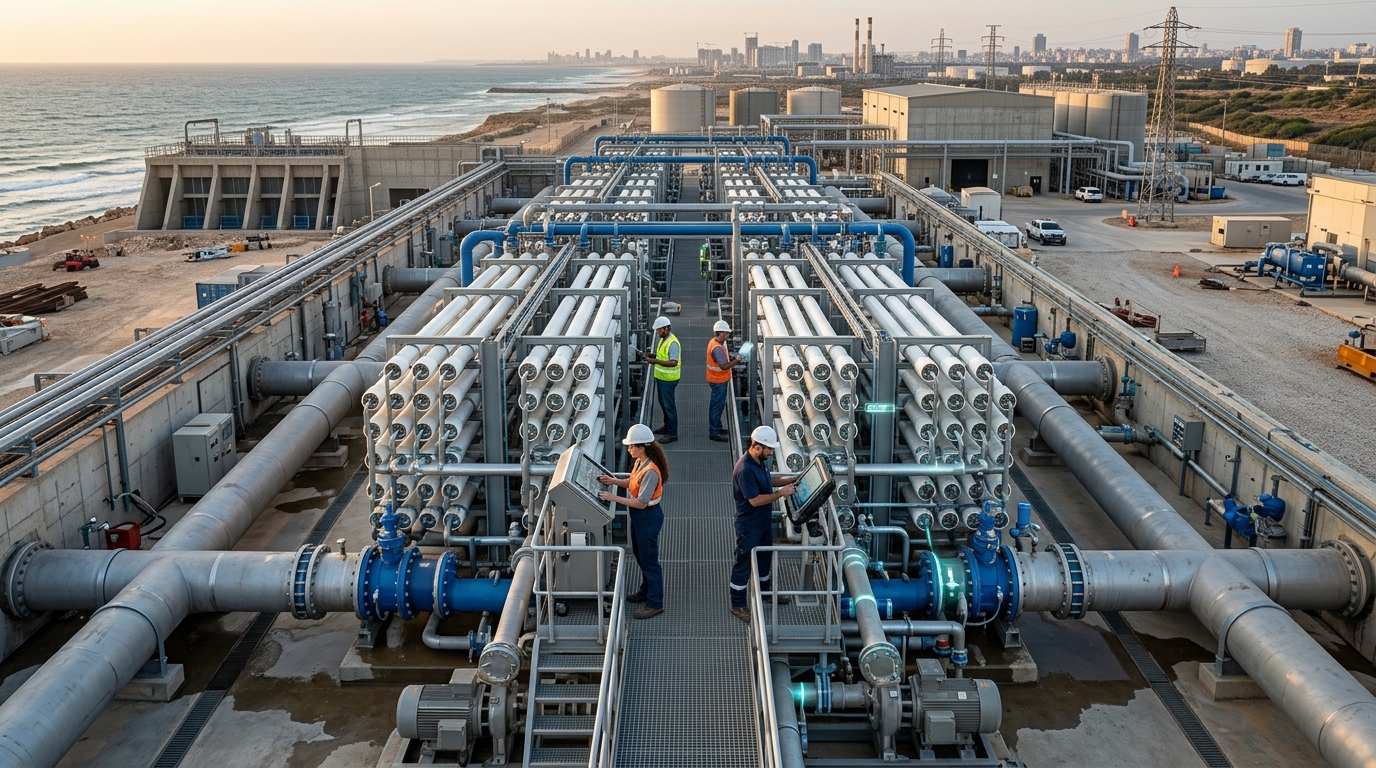
Israel produces 80%+ of its drinking water from desalination, operating five mega-plants including Sorek — one of the world's largest and most efficient SWRO facilities.
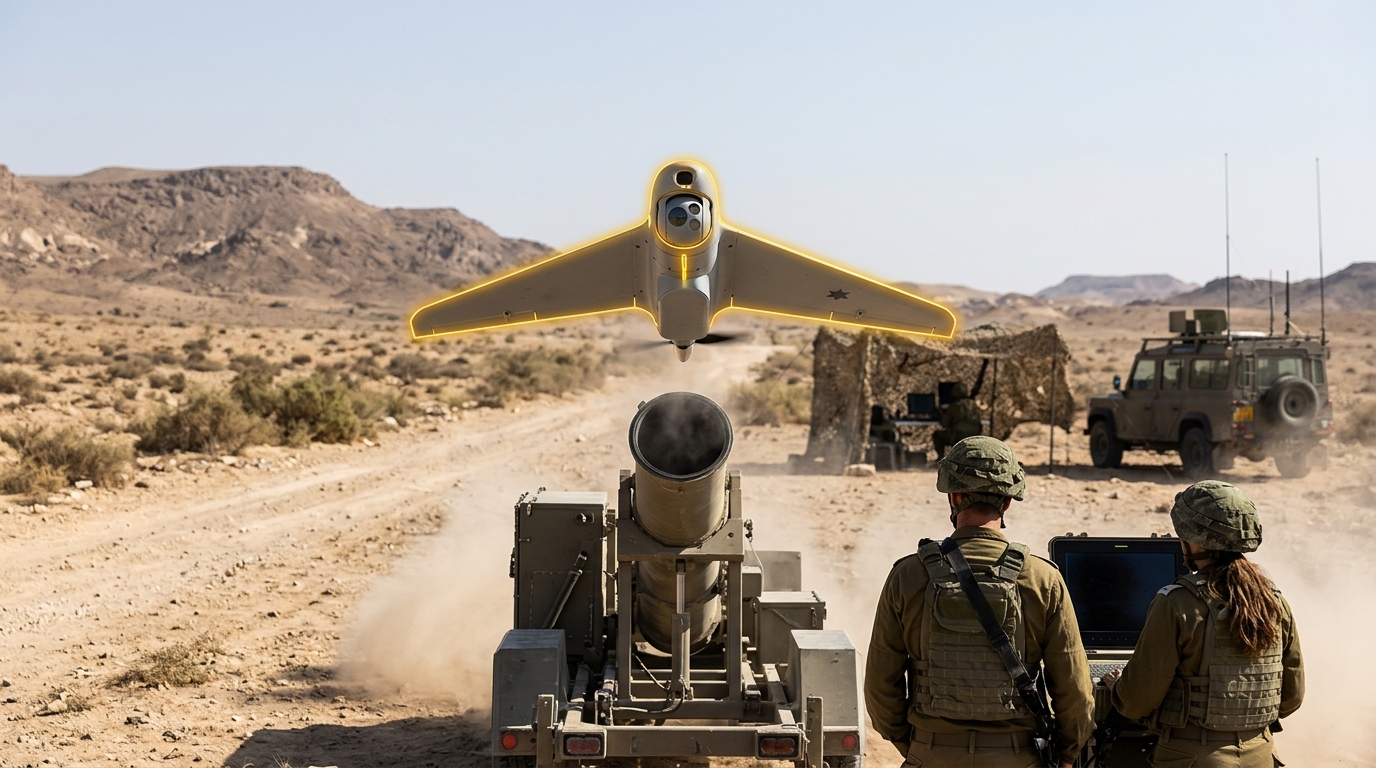
Israel's Harop/Harpy family pioneered the loitering munition category with 98% mission success, exported to 15+ nations and combat-proven in multiple conflicts.
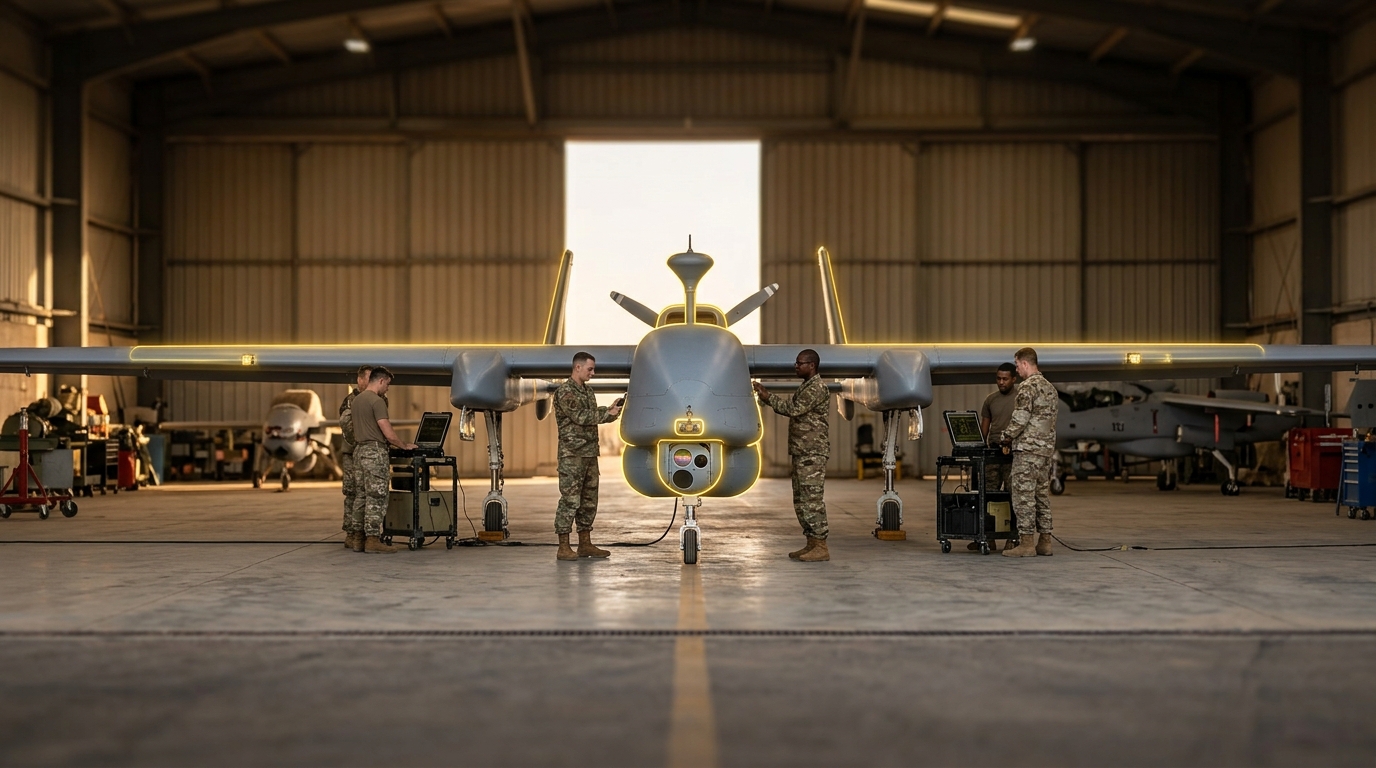
Israel's Heron TP and Hermes 900 MALE drones have logged 300,000+ operational hours, exported to 50+ countries, and served in every Israeli conflict since 2006.
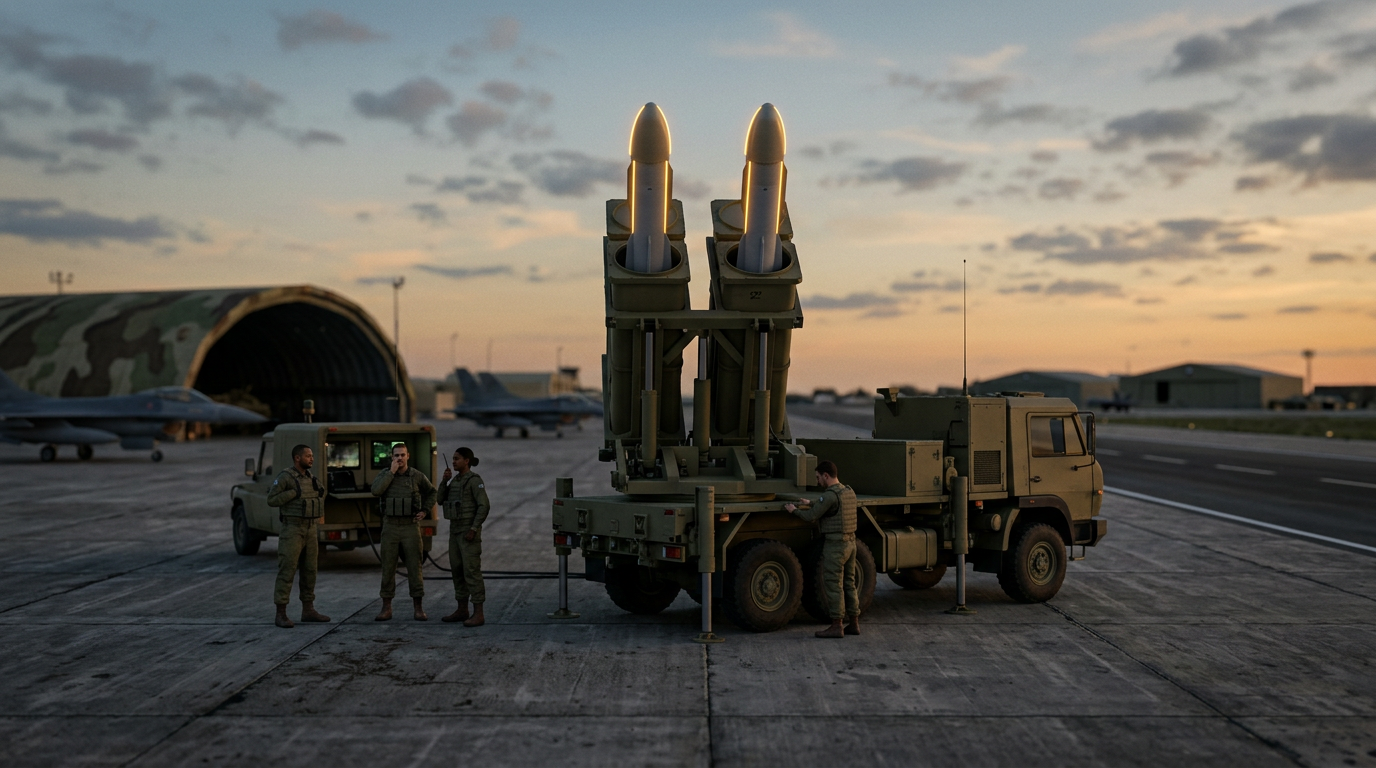
David's Sling fills the gap between Iron Dome and Arrow, intercepting cruise missiles and large rockets with dual radar/EO seeker guidance.
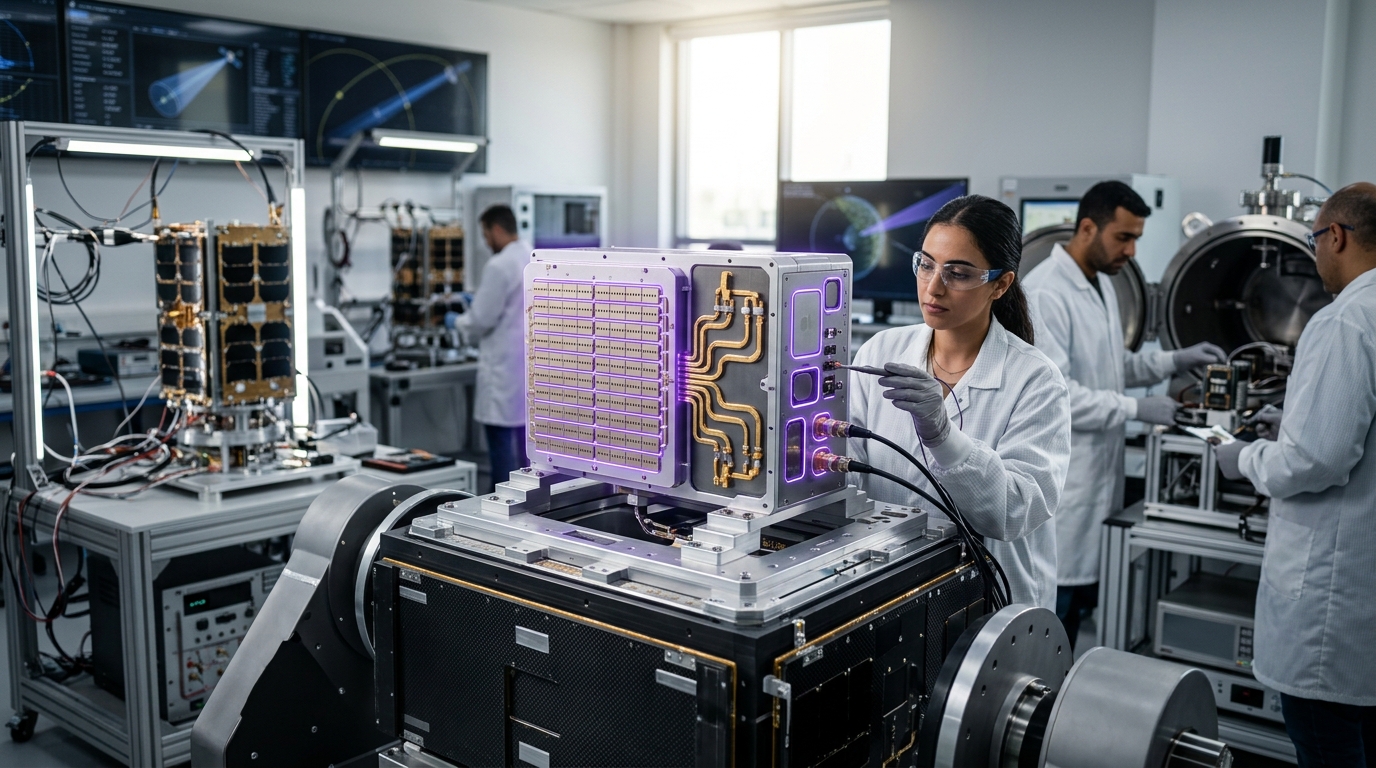
Israeli companies develop compact satellite communication terminals and small-sat payloads for defense and commercial broadband, leveraging miniaturization expertise.
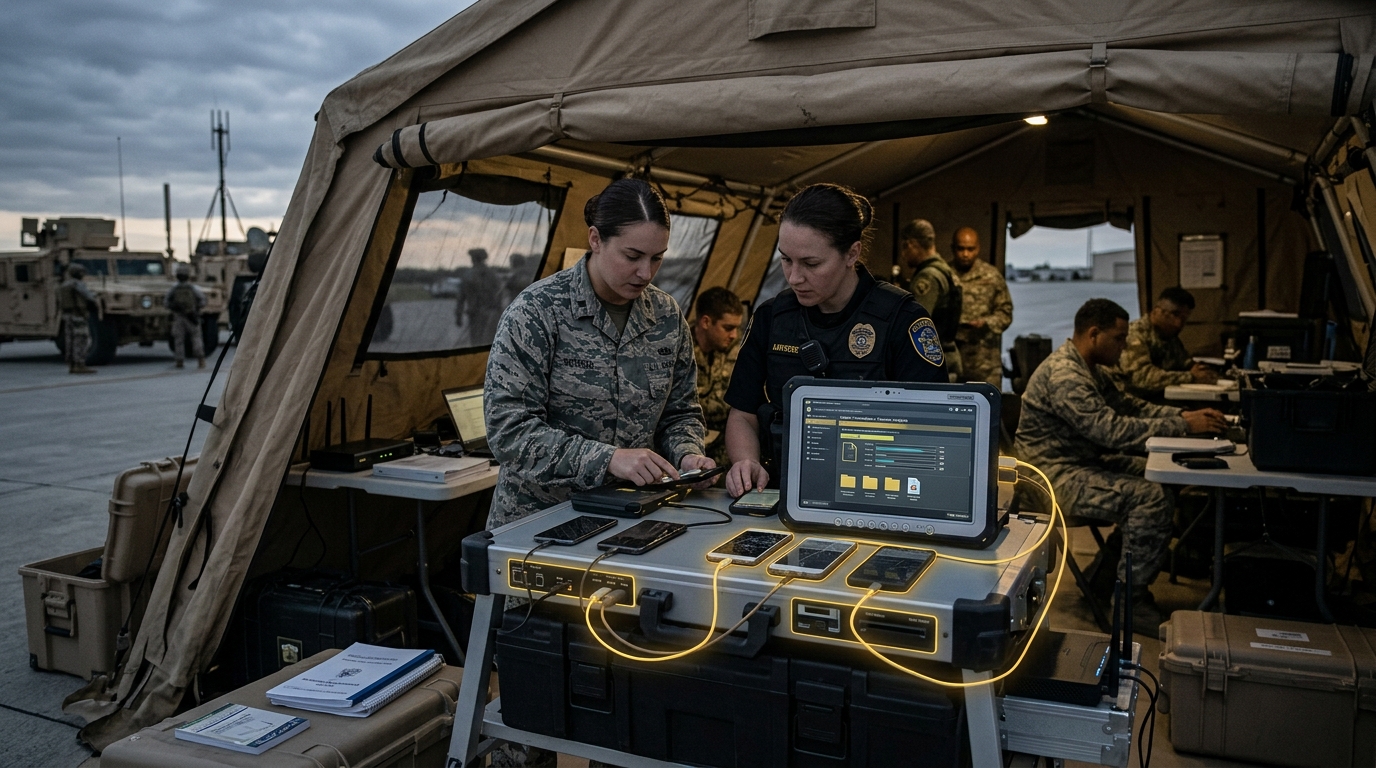
Cellebrite's UFED technology can extract data from locked smartphones for law enforcement, used by 6,700+ agencies in 140+ countries — both praised and controversially deployed.

Israeli intelligence platforms fuse SIGINT, IMINT, OSINT, and HUMINT data streams using AI analytics for military and law enforcement applications, exported to 100+ countries.
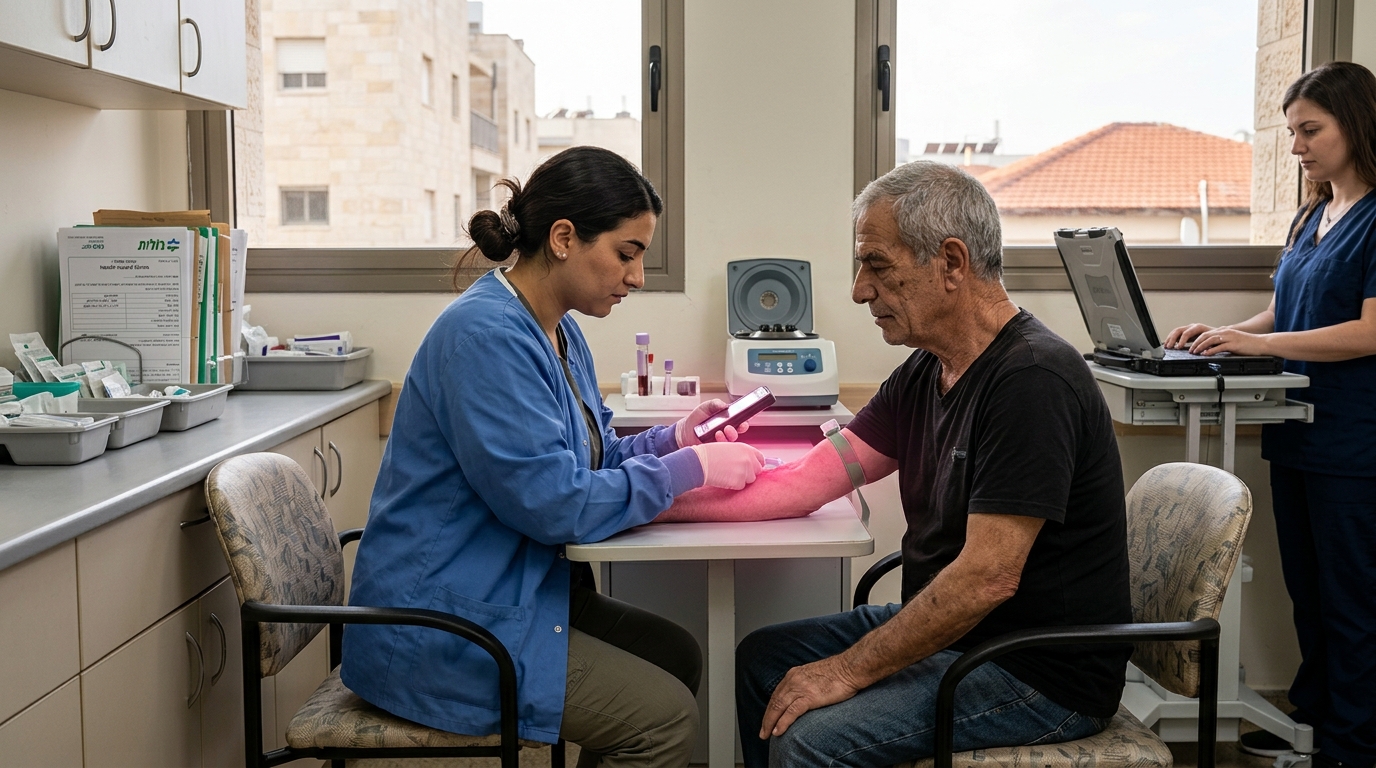
Israel's Psifas genome project aims to sequence 100,000+ citizens and link genomic data to the world's longest-running digitized health records (Clalit, 4.7M patients).
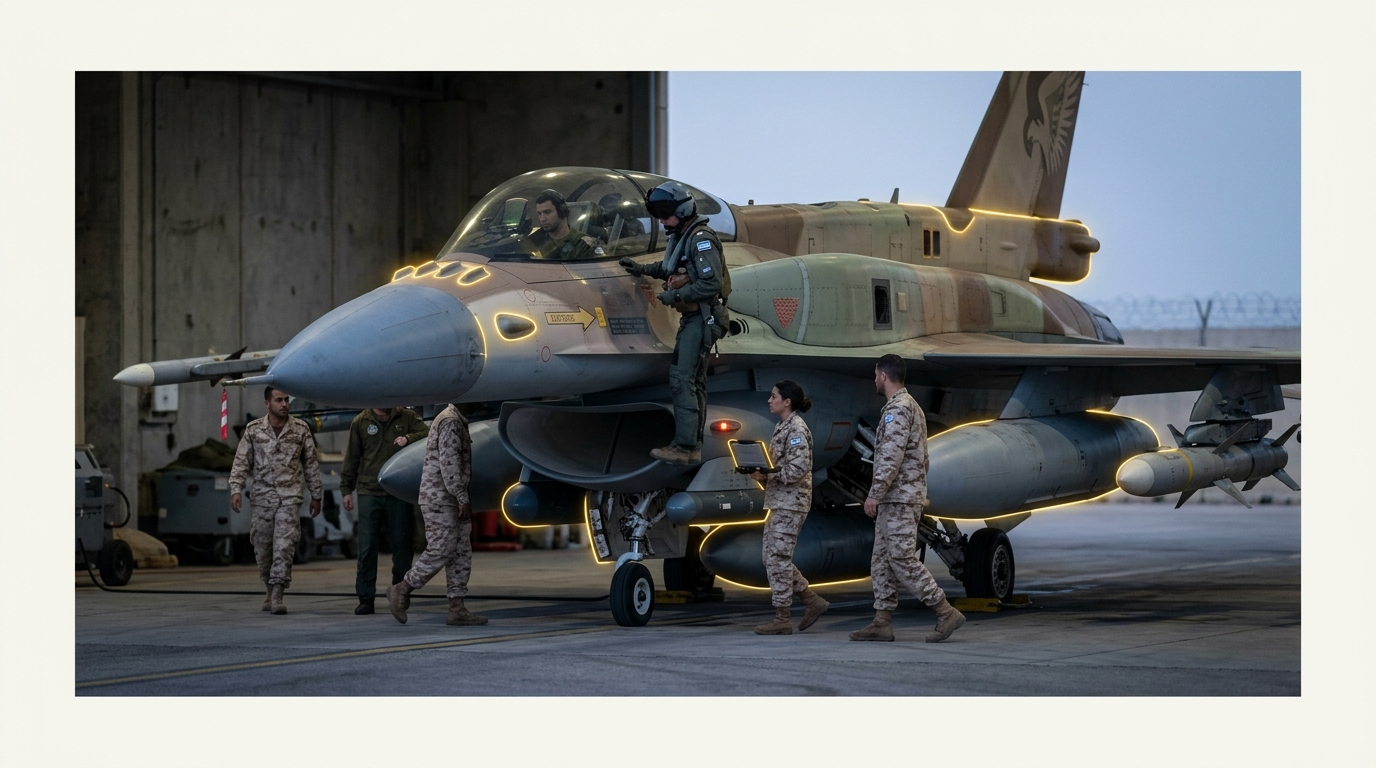
Israel maintains an undeclared nuclear arsenal estimated at 80-400 warheads with air, land (Jericho missiles), and sea (submarine-launched) delivery capability.
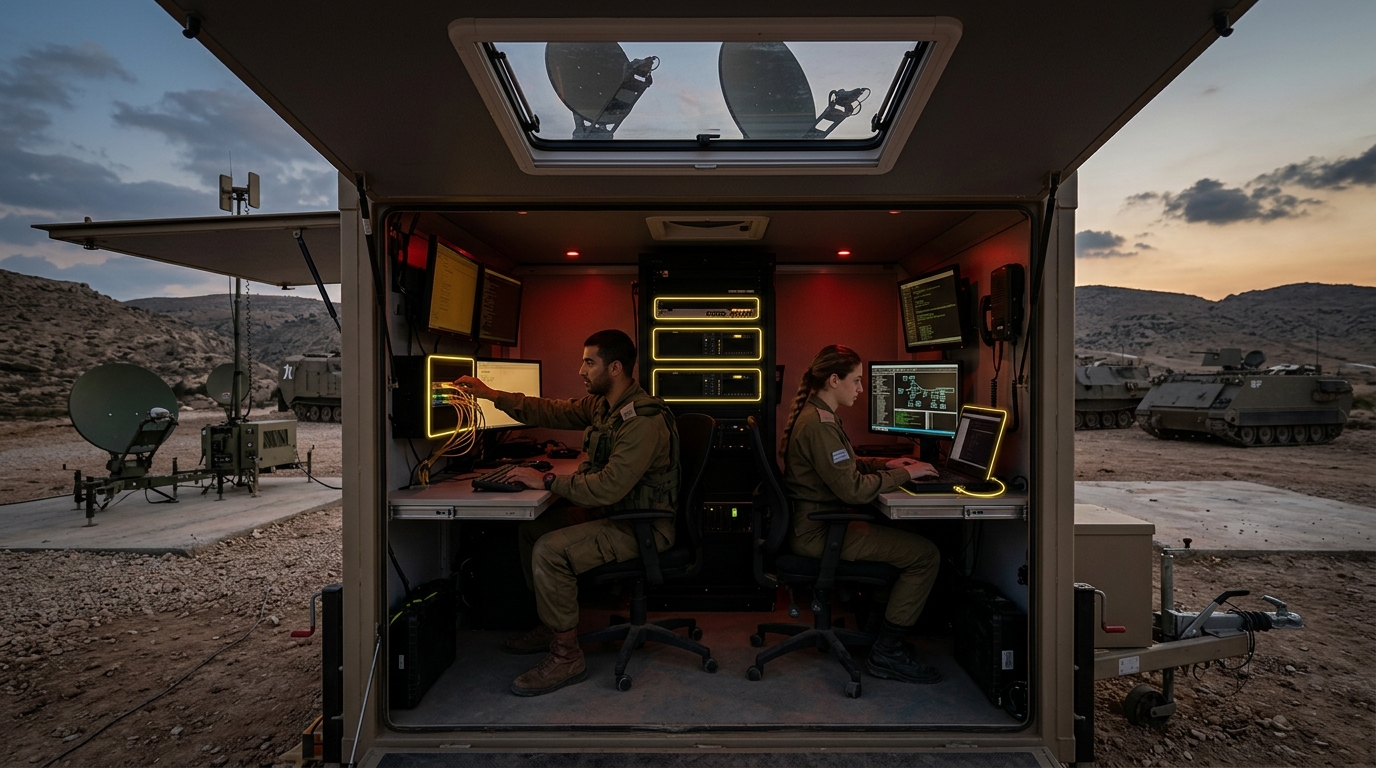
Israel's offensive cyber capabilities, rooted in Unit 8200's SIGINT pipeline, have produced operations like Stuxnet and underpin a $10B+ cybersecurity export industry.

Israeli companies like Claroty and SCADAfence protect industrial control systems in critical infrastructure — power grids, water systems, manufacturing — from cyber attacks.
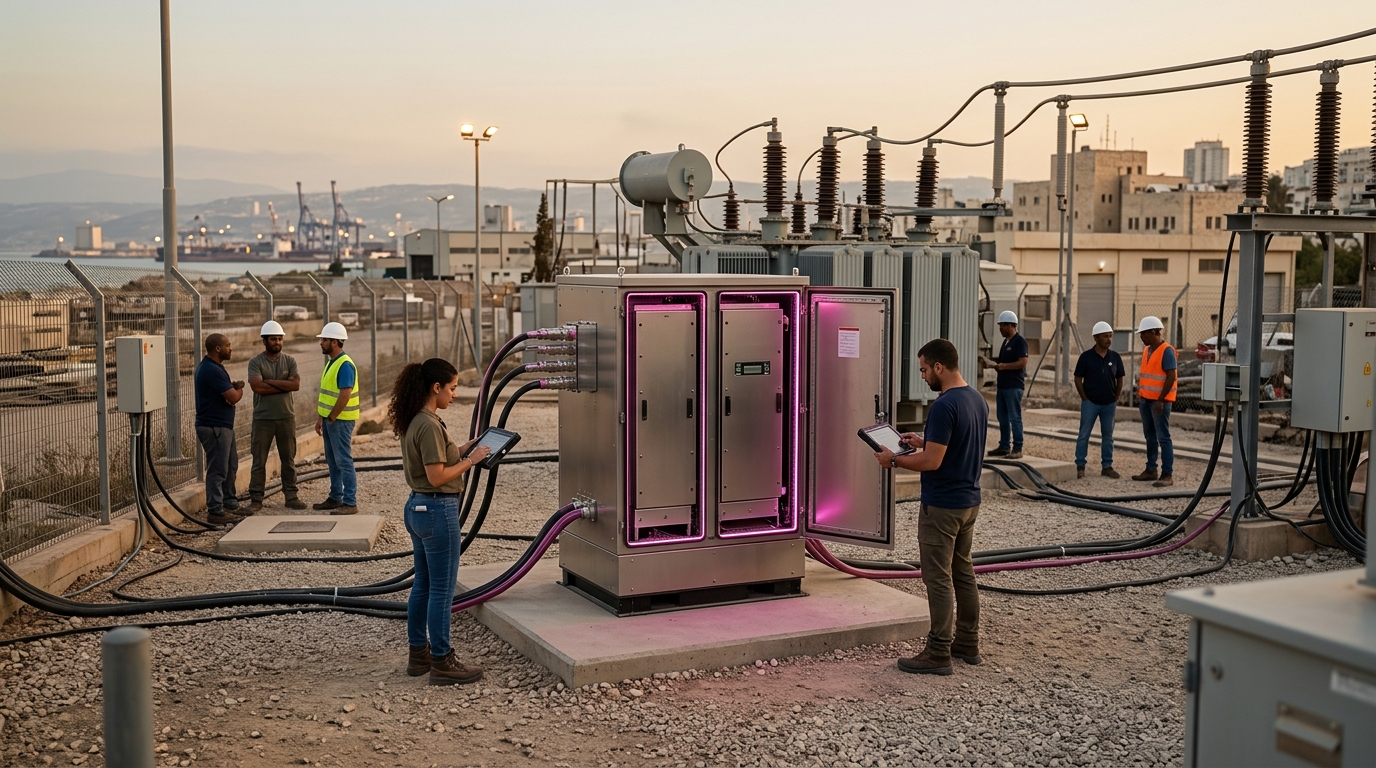
Israeli quantum security firms like HEQA are developing post-quantum encryption protocols to protect critical infrastructure against future quantum computer attacks.
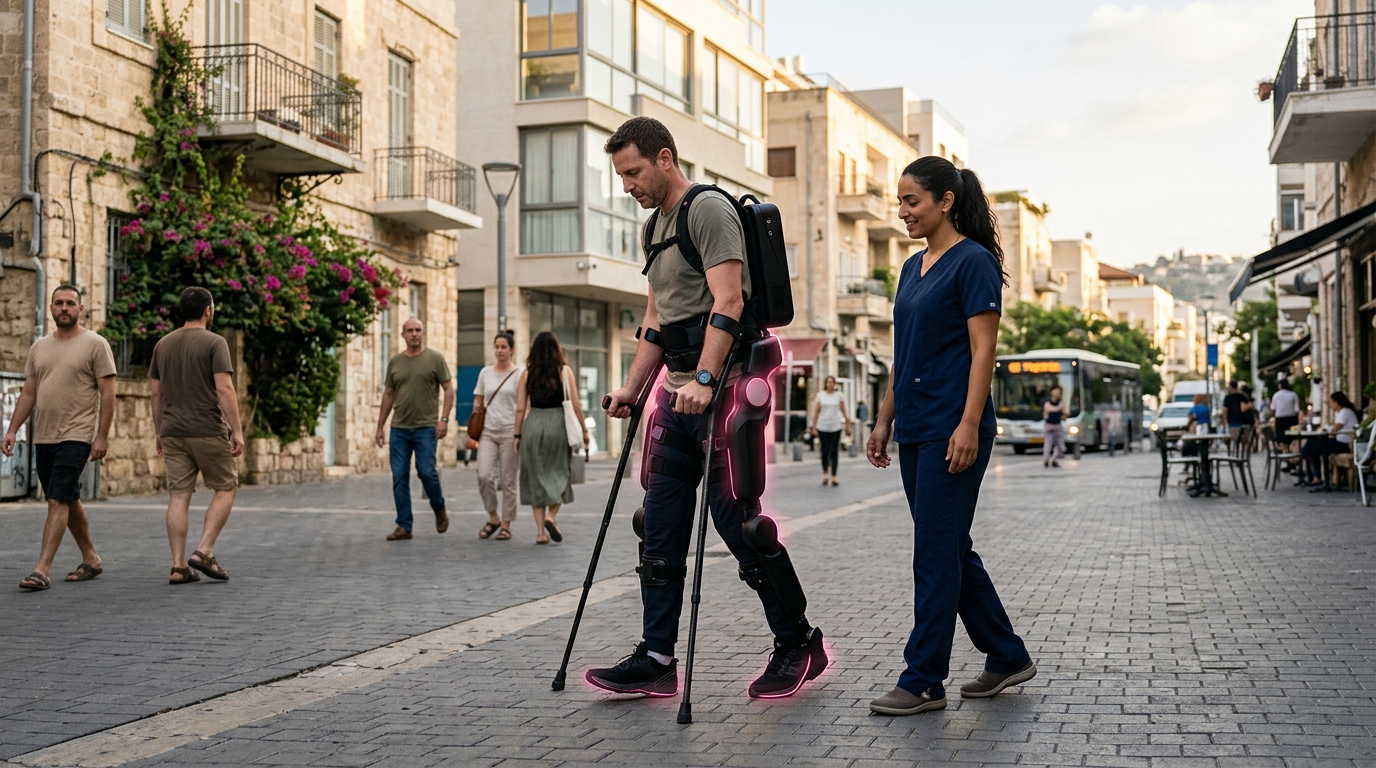
ReWalk Robotics' $218M-funded FDA-cleared wearable exoskeletons enable paralyzed individuals to walk, pioneering a new category of robotic medical devices.
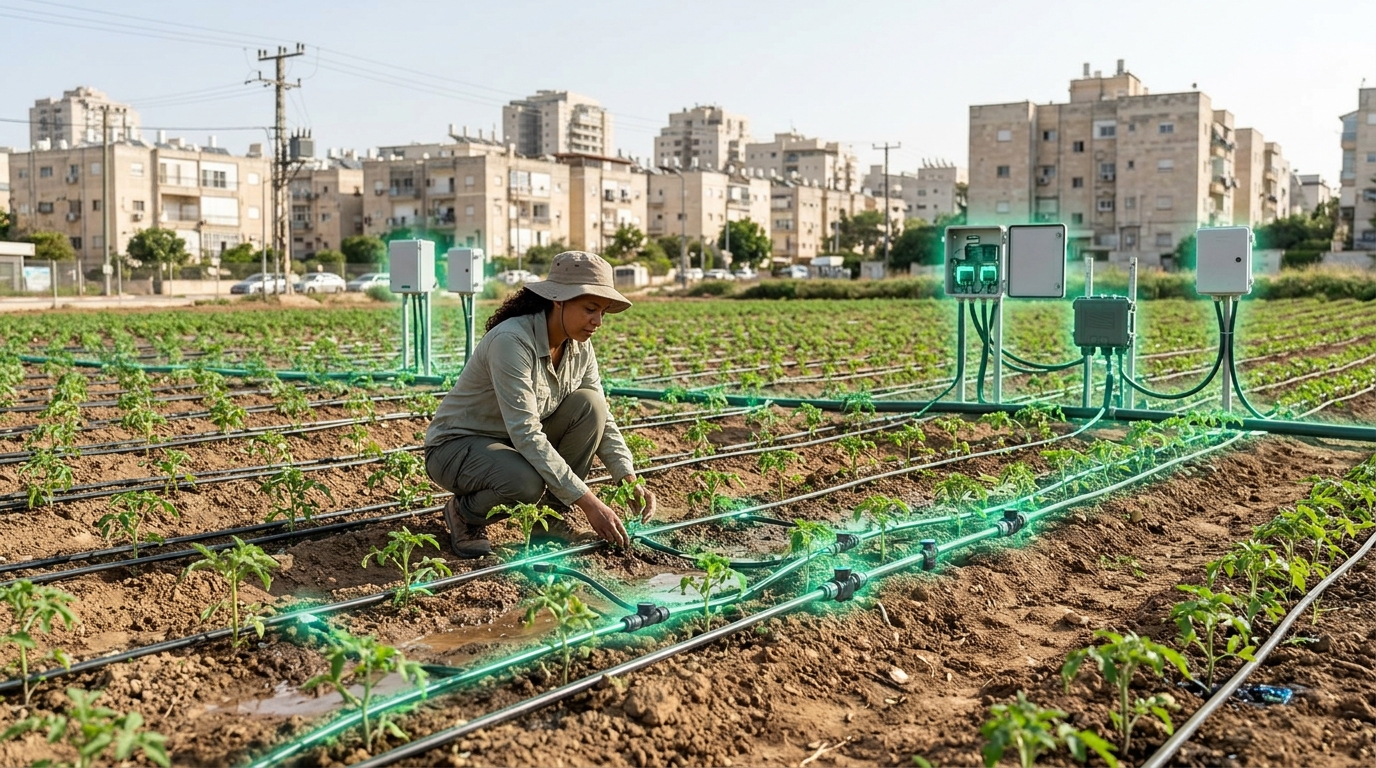
Israeli-invented drip irrigation has evolved into AI-controlled precision systems using soil sensors and satellite data, saving 30-60% water vs. conventional methods.
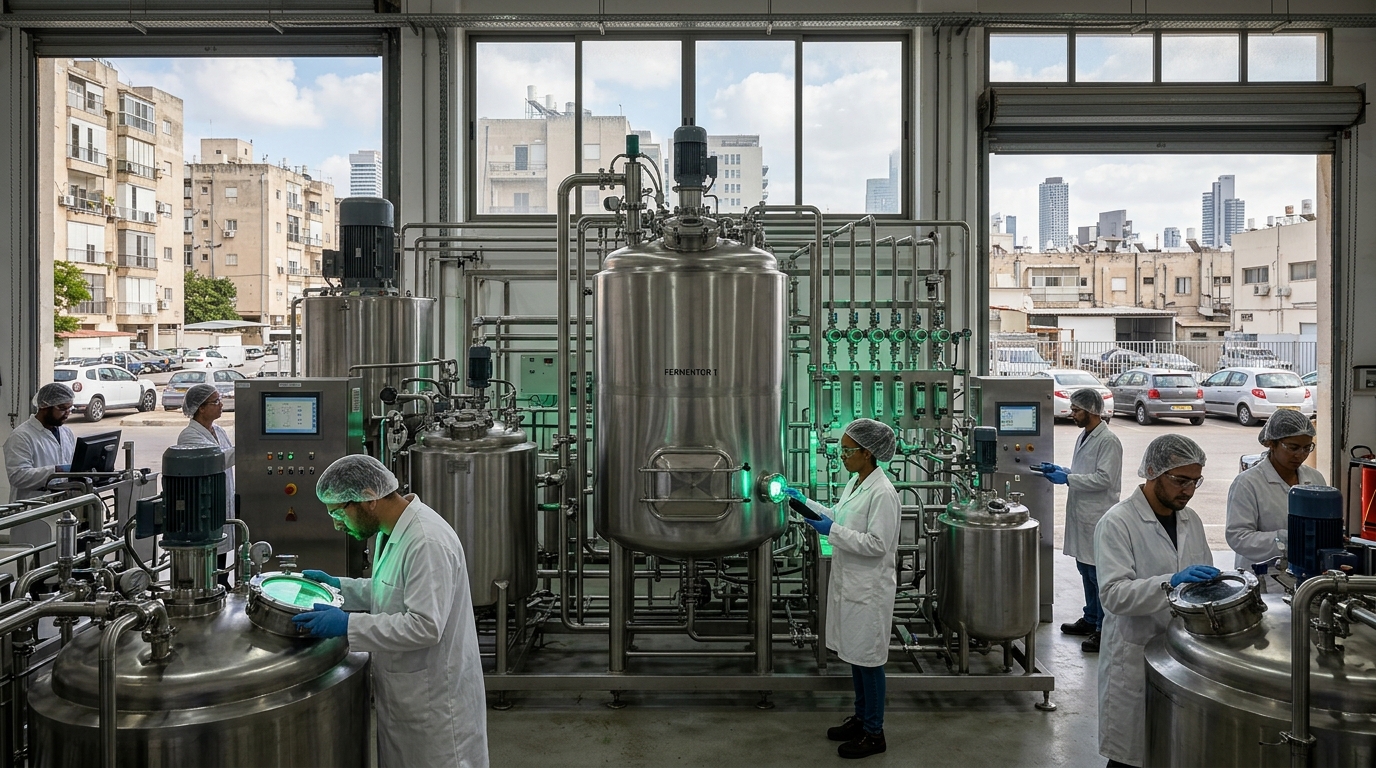
Israeli companies use precision fermentation to produce animal-free dairy proteins, fats, and flavoring compounds from microorganisms, targeting the $150B global dairy market.
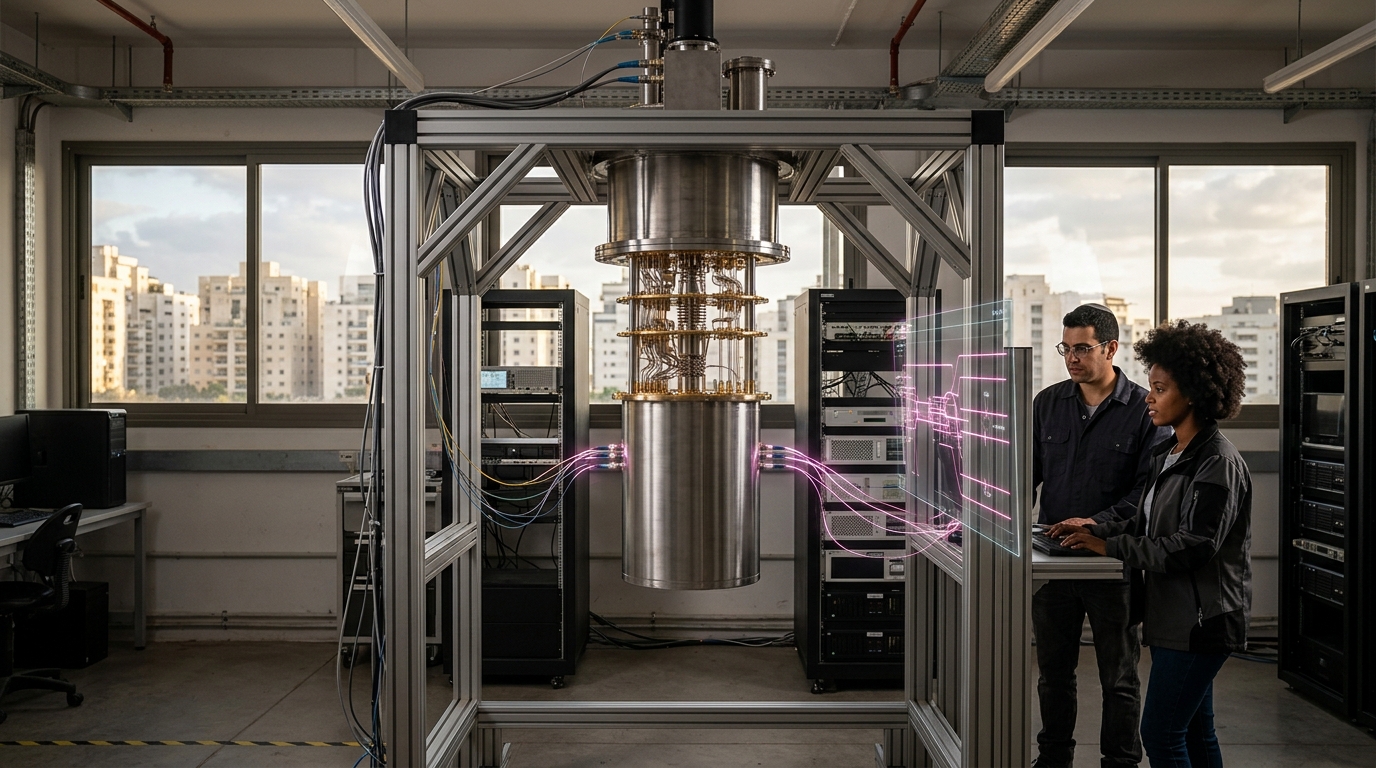
Classiq raised $110M for its quantum software platform that automatically synthesizes optimized quantum circuits, reducing development time from months to hours.
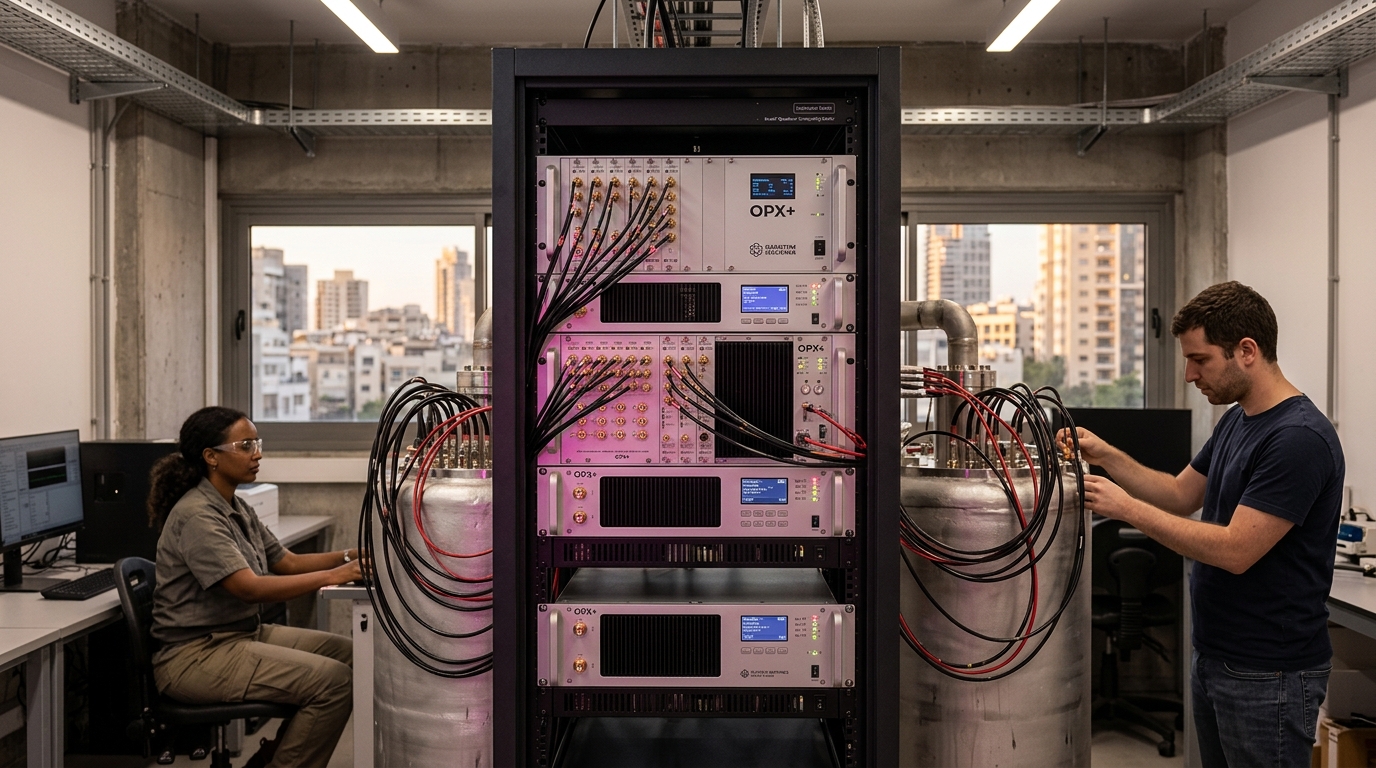
Quantum Machines raised $170M (Intel-backed) for its OPX+ quantum control platform, now deployed at the Israeli Quantum Computing Center and used by global quantum labs.
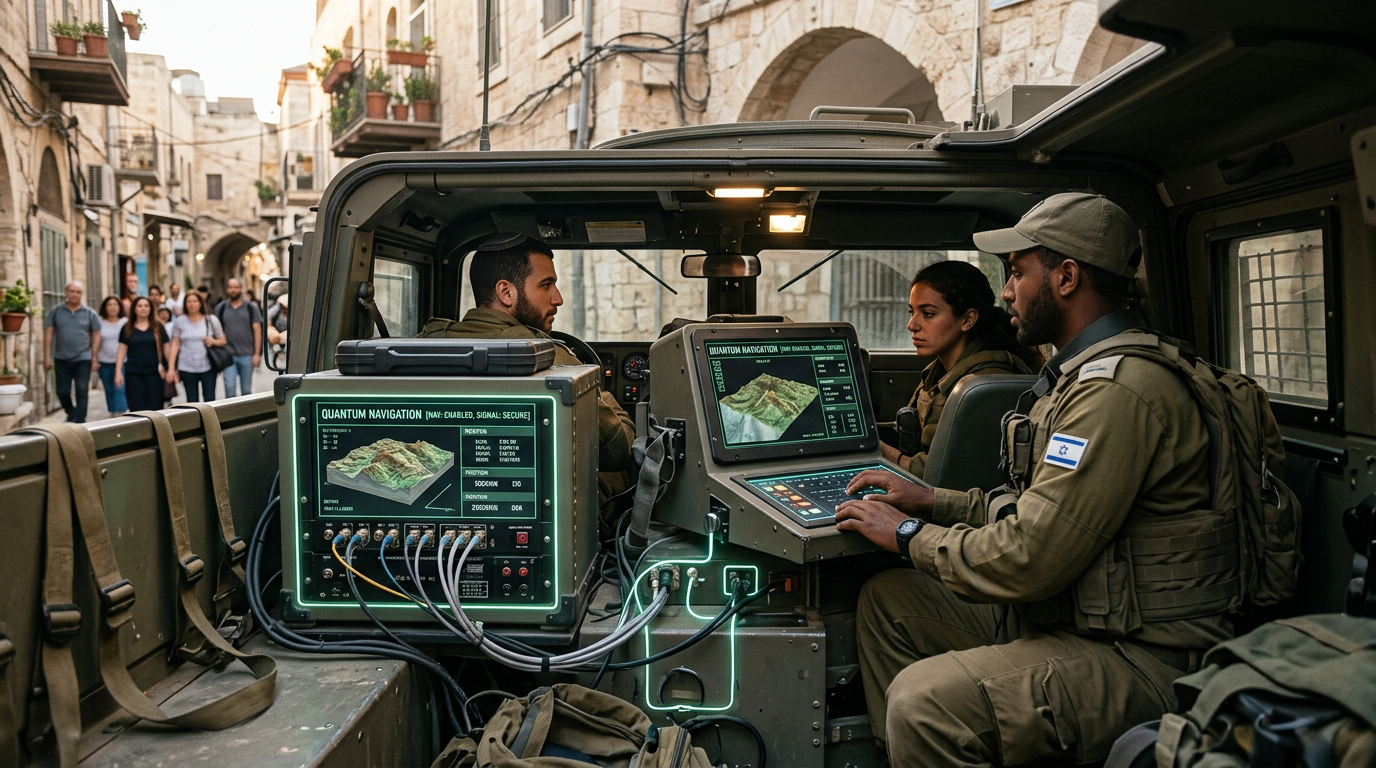
Israeli quantum sensing research targets military applications including GPS-denied navigation, submarine detection, and underground mapping using quantum magnetometers and gravimeters.
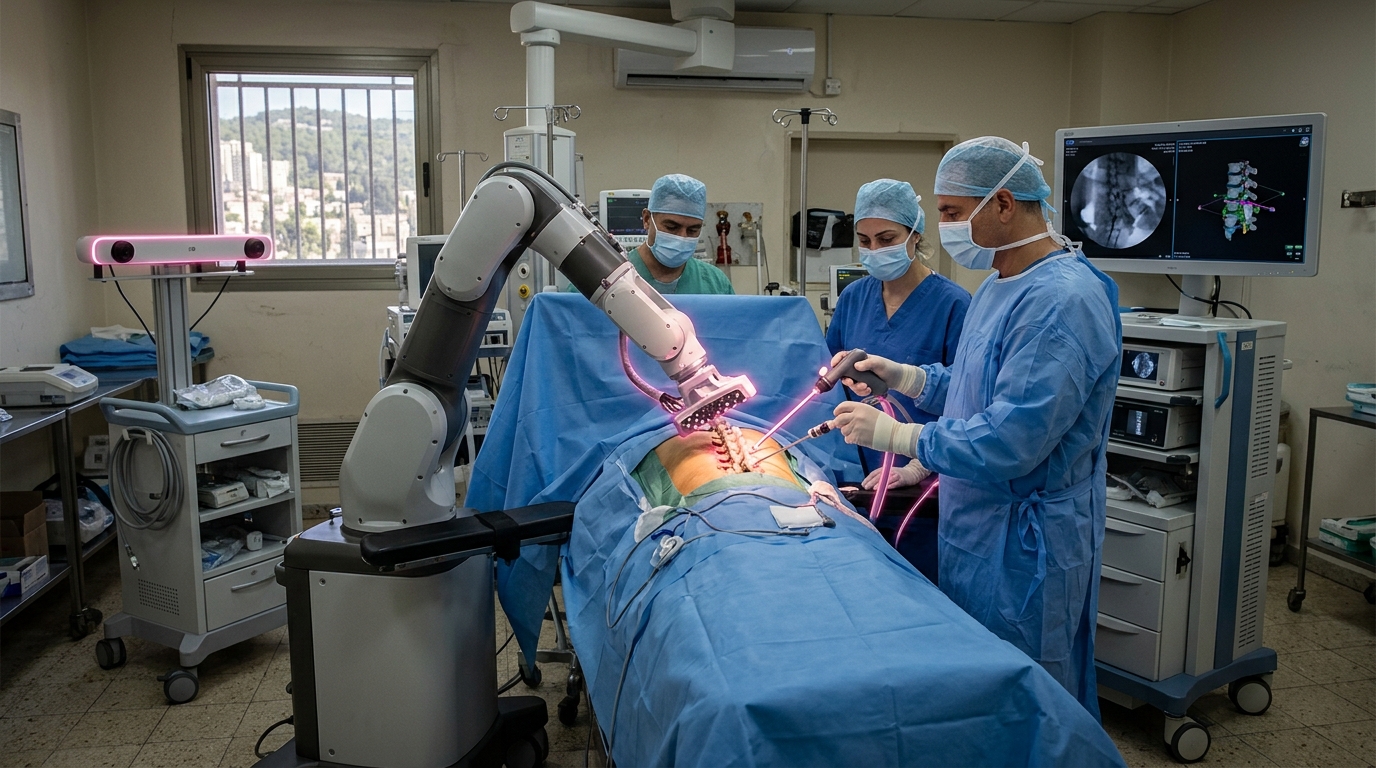
Israeli surgical robotics spans spine navigation (Mazor/Medtronic), orthopedics, and minimally invasive procedures, with 148 medical device startups in Tel Aviv alone.
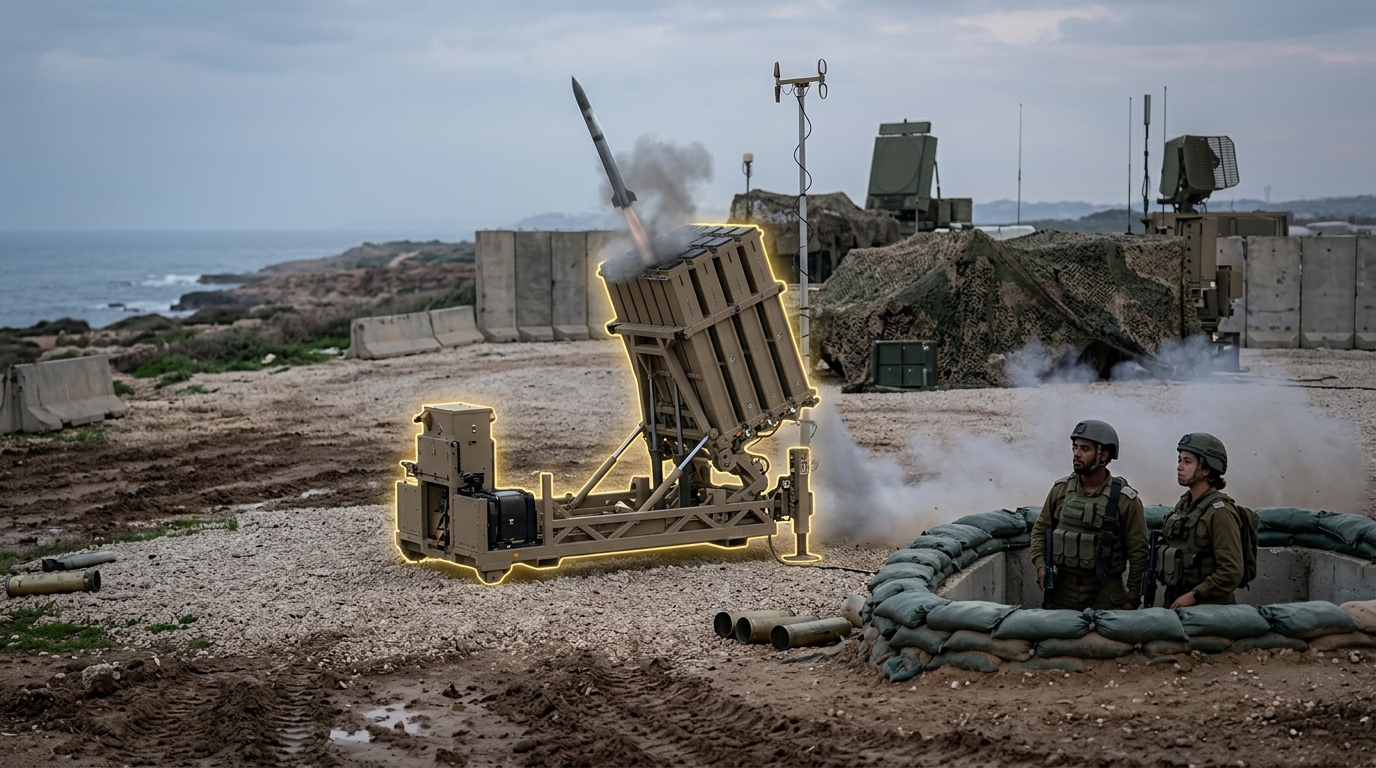
Iron Dome has intercepted over 5,000 rockets with ~90% success rate, becoming the world's most combat-proven short-range air defense system.
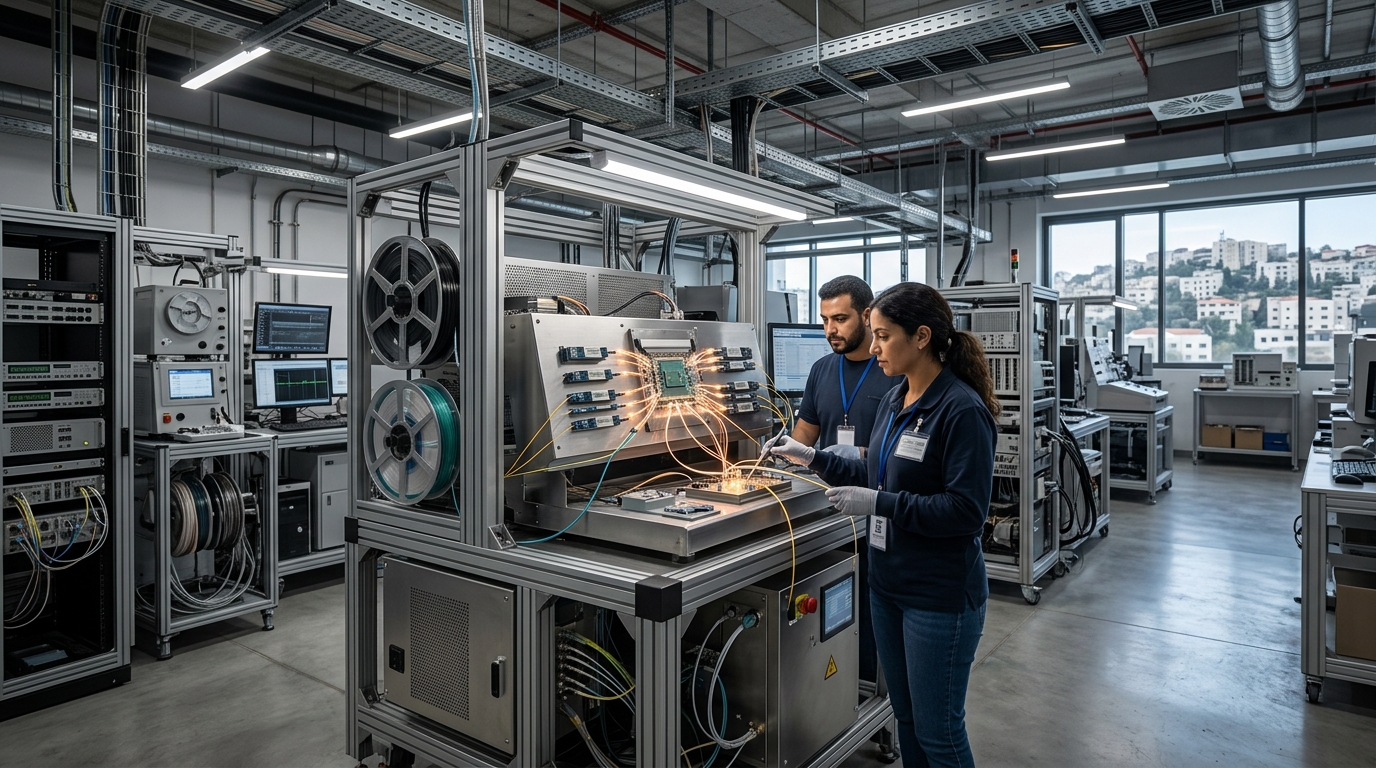
Tower Semiconductor operates one of the world's leading silicon photonics foundries, tripling SiPho capacity by 2026 to serve the AI datacenter interconnect boom.
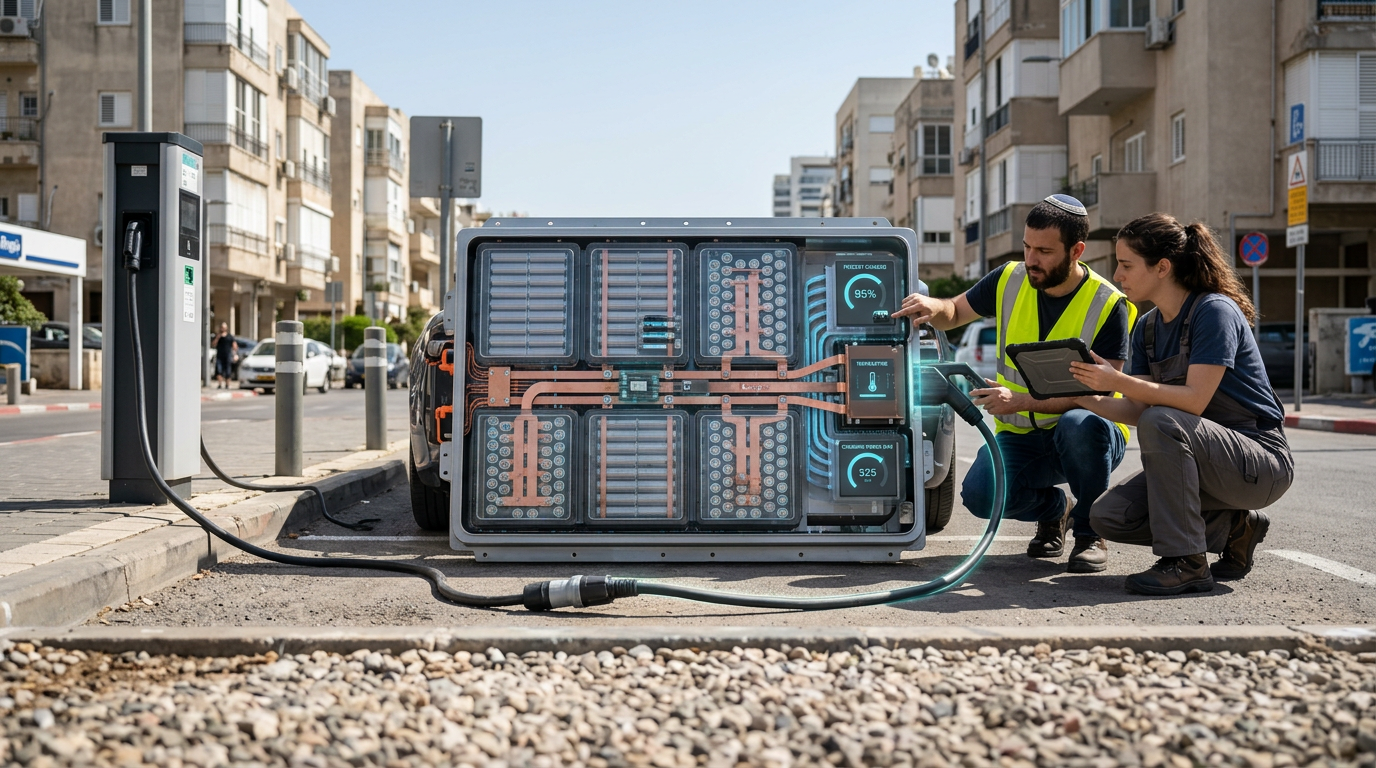
StoreDot's silicon-dominant batteries target 100 miles of EV range in 5 minutes of charging, with 4695 cylindrical cells in development for major automaker partnerships.
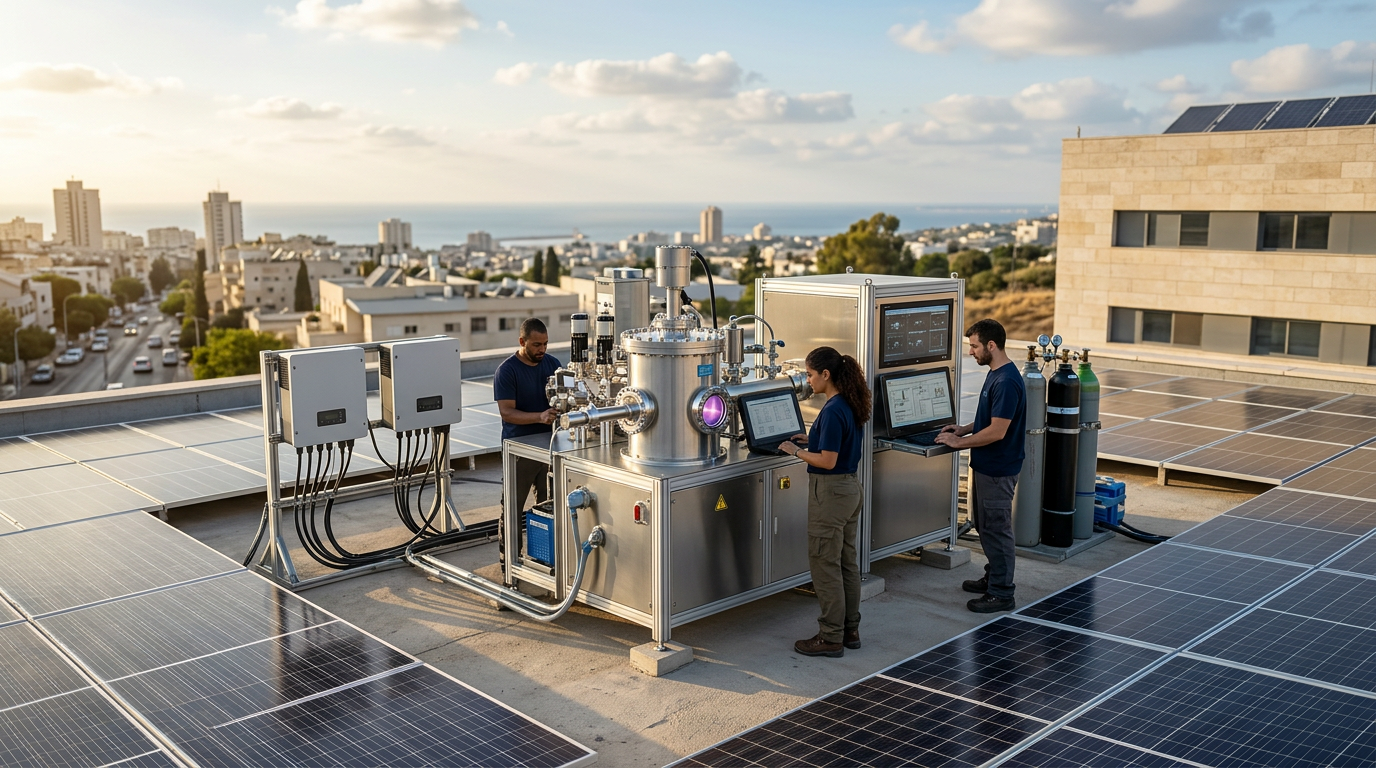
Israeli firms operate 200+ CVD reactors producing lab-grown diamonds powered entirely by solar energy, with applications expanding from jewelry to semiconductor heat sinks.
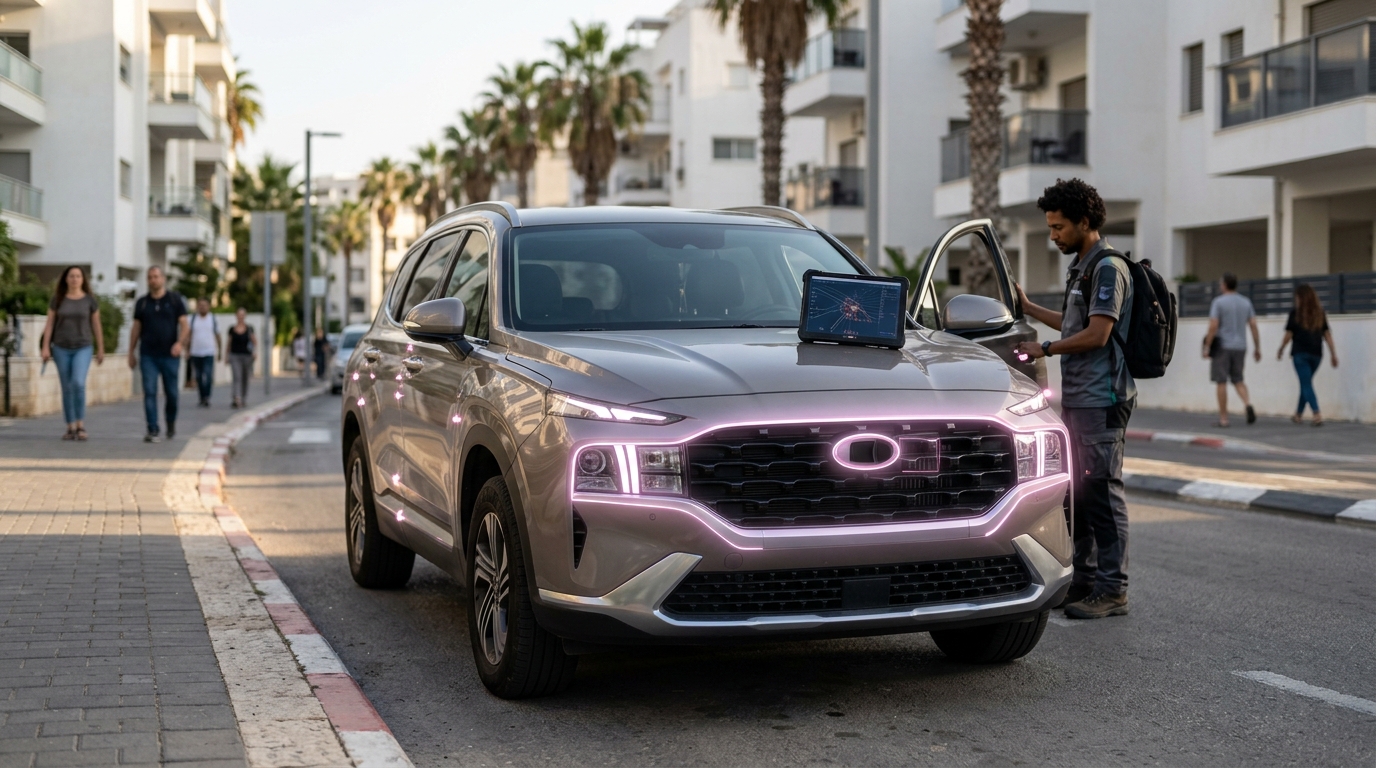
Innoviz Technologies produces solid-state lidar sensors selected by BMW for series production autonomous vehicles, competing with global leaders in the $6B lidar market.
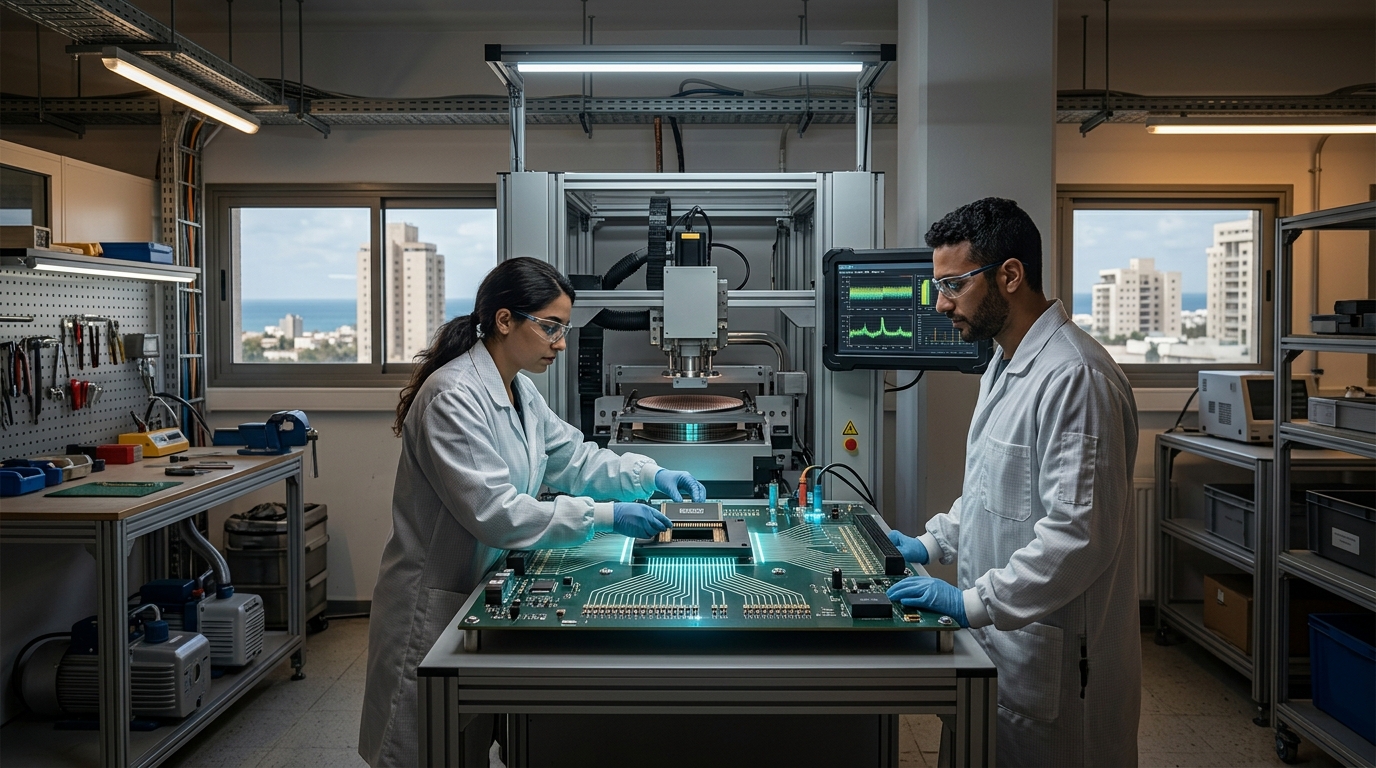
Israeli research groups at Hebrew University and Bar-Ilan are advancing spintronic MRAM devices that could replace SRAM/DRAM with non-volatile, ultra-fast alternatives.
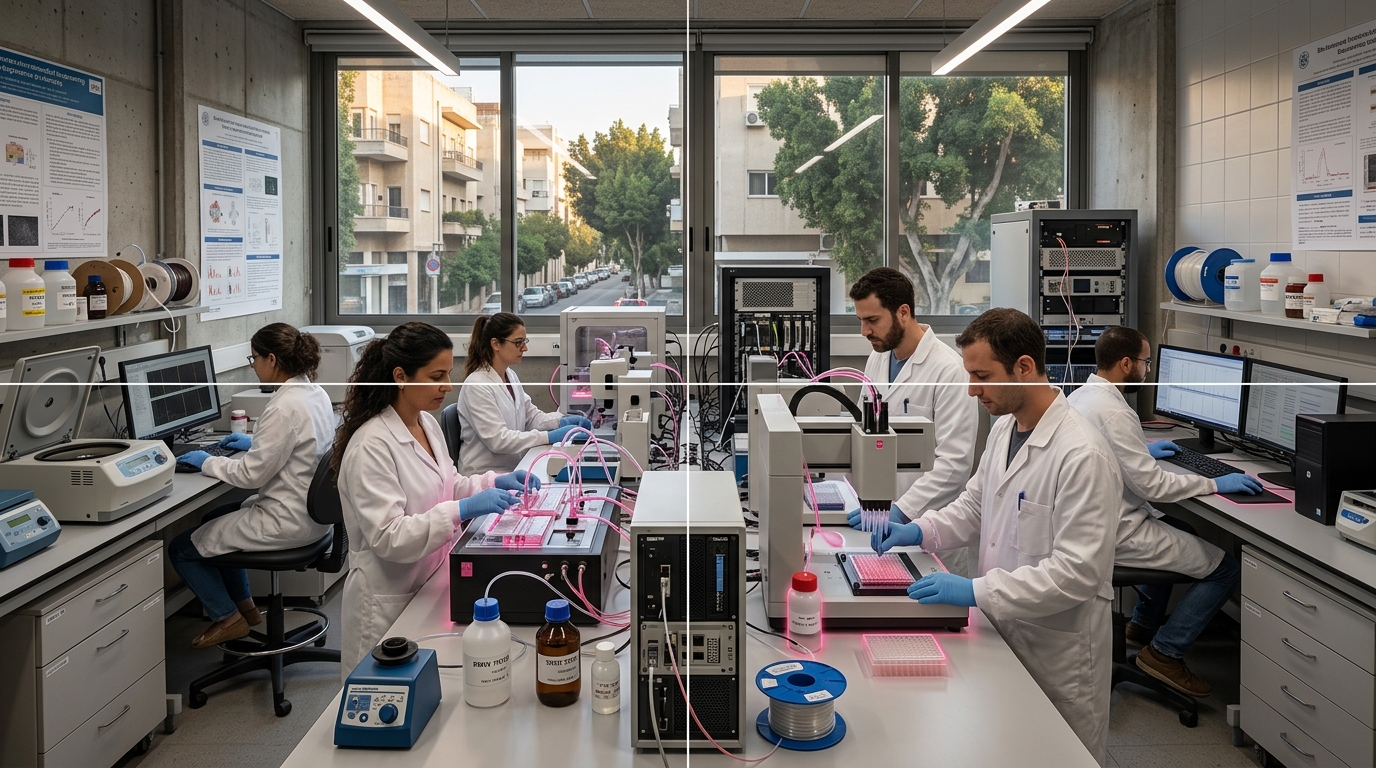
Israel's CRISPRIL consortium and bioconvergence startups are advancing CRISPR tools, computational biology, and bio-digital integration for precision medicine and sustainable materials.
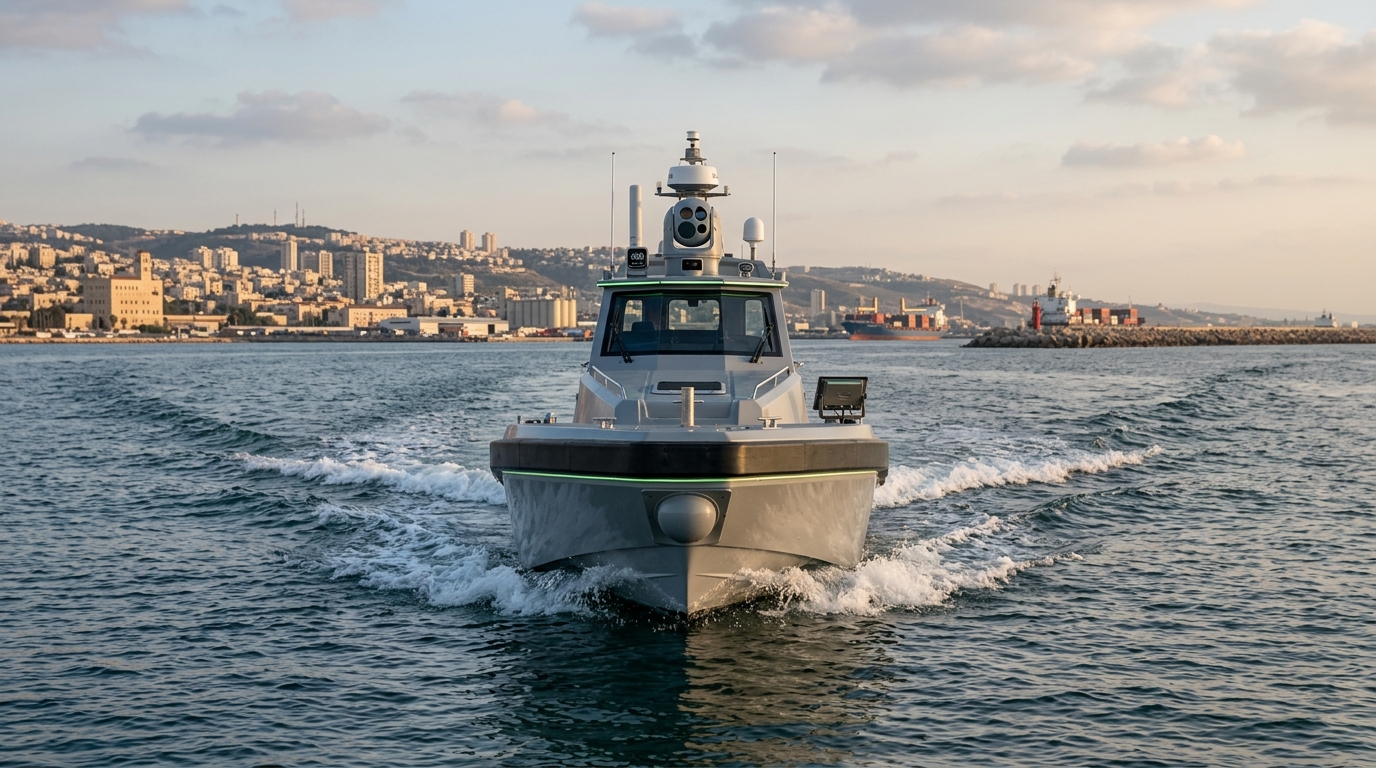
Israeli USVs like Elbit's Seagull perform anti-submarine warfare, mine countermeasures, and offshore infrastructure protection autonomously in Mediterranean operations.