Autonomous Vehicle Perception and Decision Systems
Geography: Emea · Middle East · Israel
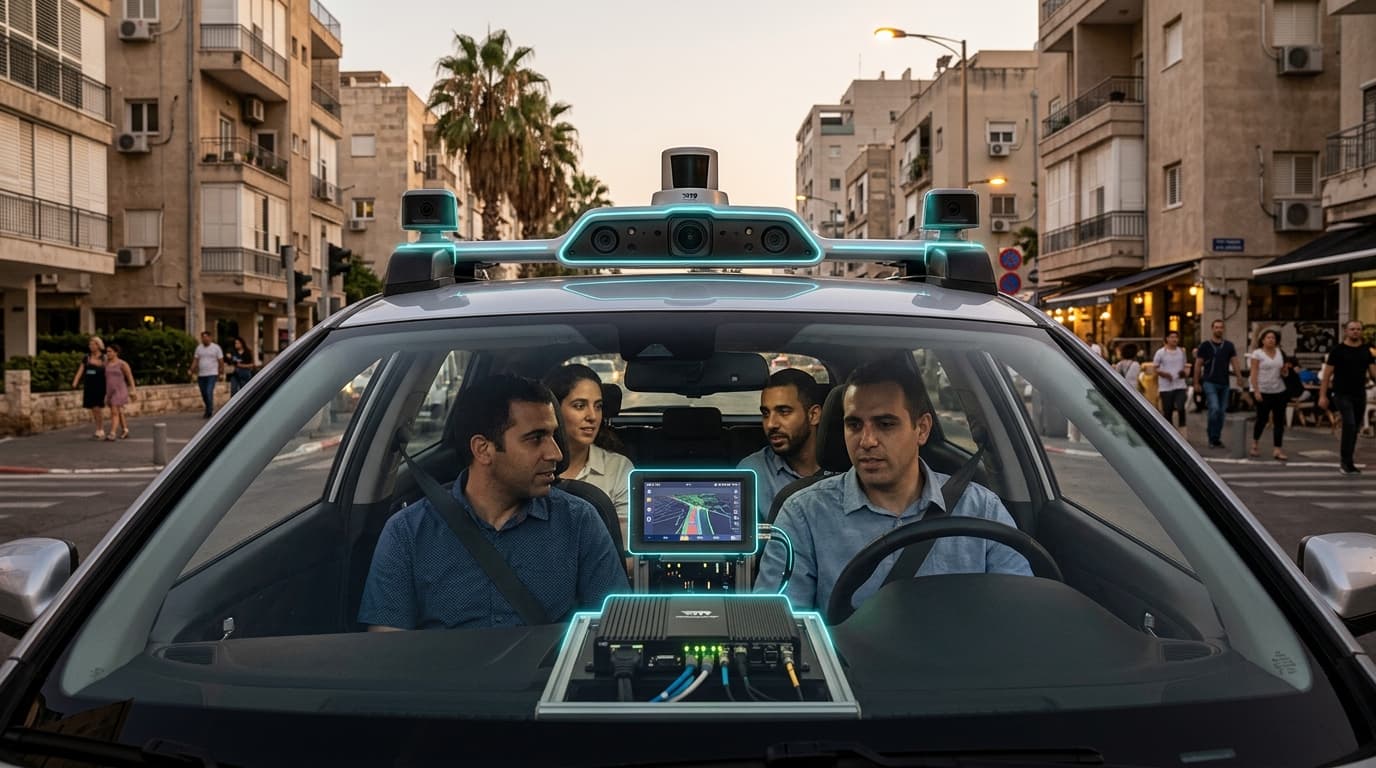
Mobileye (acquired by Intel for $15.3B in 2017, partially re-IPO'd in 2022) has developed the world's most widely deployed autonomous vehicle perception technology. Its EyeQ system-on-chip family combines cameras, radar, and computing to provide advanced driver assistance (ADAS) features including lane keeping, adaptive cruise control, and automatic emergency braking. Over 150 million vehicles from 50+ automakers use Mobileye technology. The company's camera-first approach to full autonomy (EyeQ Ultra) challenges the lidar-dominant strategies of competitors.
Mobileye pioneered the concept of affordable, camera-based ADAS that could be deployed at scale — making safety features available across vehicle price points rather than limiting them to luxury models. Its Responsibility-Sensitive Safety (RSS) model provides a mathematical framework for autonomous driving decisions, addressing the regulatory and ethical challenges of self-driving technology.
Strategically, Mobileye is Israel's most visible contribution to the autonomous transportation revolution and demonstrates how a small-country startup can set global automotive industry standards. Israel's broader automotive technology cluster includes Innoviz (lidar), Arbe Robotics (radar), Autobrains (unsupervised AI for driving), and Foretellix (validation), creating a full-stack AV ecosystem that punches far above the country's weight in an industry traditionally dominated by Detroit, Stuttgart, and Tokyo.
Research this in Signals
Signals turns a topic into a sourced research record you can inspect and rerun. Your first scan is free, and this one starts with Autonomous Vehicle Perception and Decision Systems already loaded, so edit it or scan as is.