Nuclear Deterrent Capability
Geography: Emea · Middle East · Israel
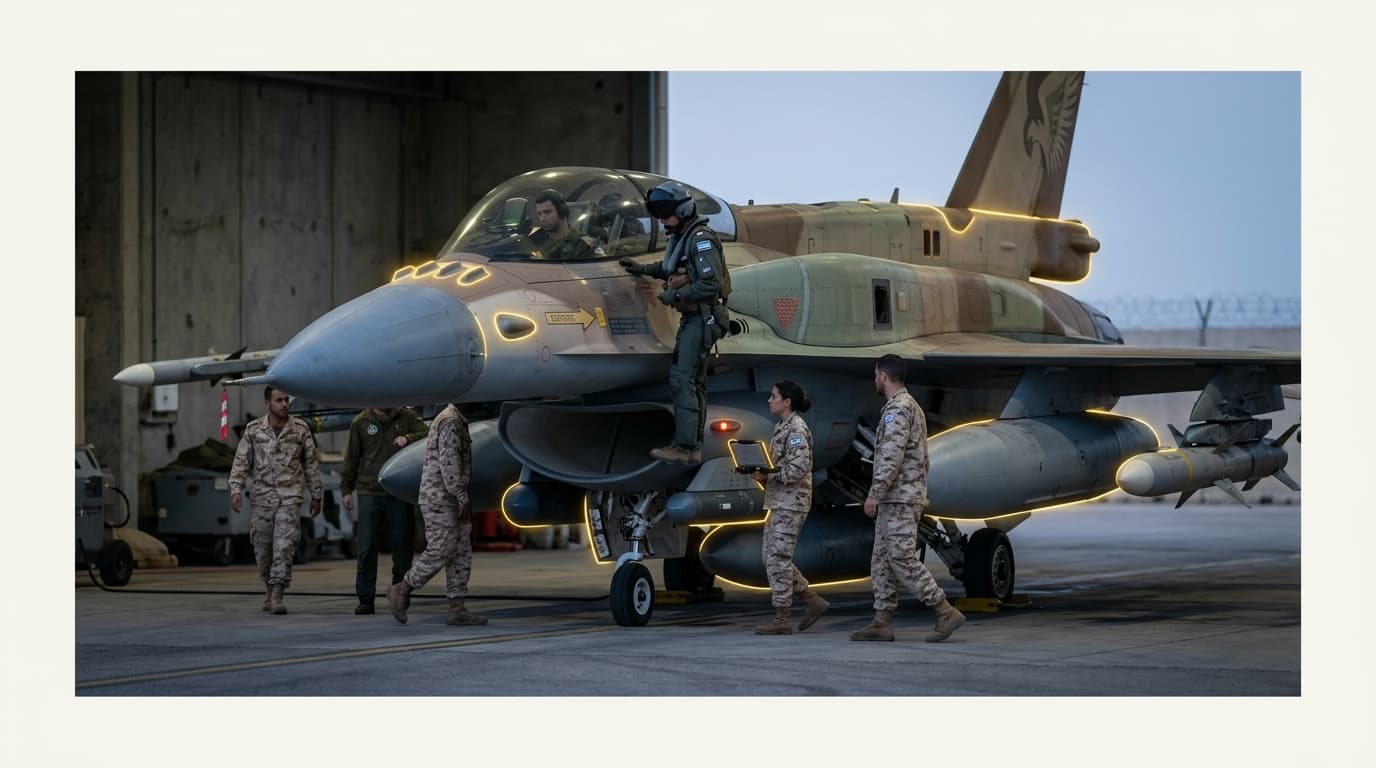
Israel is widely assessed to possess nuclear weapons capability, though it maintains a policy of deliberate ambiguity — neither confirming nor denying possession. The CIA assessed in the late 1960s that Israel assembled its first nuclear devices at the Dimona (now Shimon Peres Negev Nuclear Research Center) facility. Former technician Mordechai Vanunu publicly revealed details in 1986. Independent assessments estimate Israel possesses 80-400 nuclear warheads deliverable by aircraft (F-35I), land-based ballistic missiles (Jericho III, estimated 6,500 km range), and submarine-launched cruise missiles (Dolphin-class submarines).
Israel's nuclear capability is the ultimate expression of technological sovereignty — the ability to guarantee national survival through independent deterrence. The program was driven by the same motivation as the Ofek satellite program: after being denied security guarantees during existential crises, Israel concluded it could not depend on external powers for survival. The opacity policy allows Israel to maintain deterrence while avoiding the diplomatic consequences of declared nuclear status.
Strategically, Israel's nuclear capability shapes the entire Middle Eastern security architecture and influences global nonproliferation dynamics. The technology represents decades of indigenous nuclear physics, materials science, weapons engineering, and delivery system development — capabilities that required building an entire nuclear fuel cycle from enrichment to weaponization. While not a source of technology export, the capability fundamentally underpins Israel's strategic position and influences the development of its conventional defense technologies (which are designed to handle threats below the nuclear threshold).
Research this in Signals
Signals turns a topic into a sourced research record you can inspect and rerun. Your first scan is free, and this one starts with Nuclear Deterrent Capability already loaded, so edit it or scan as is.