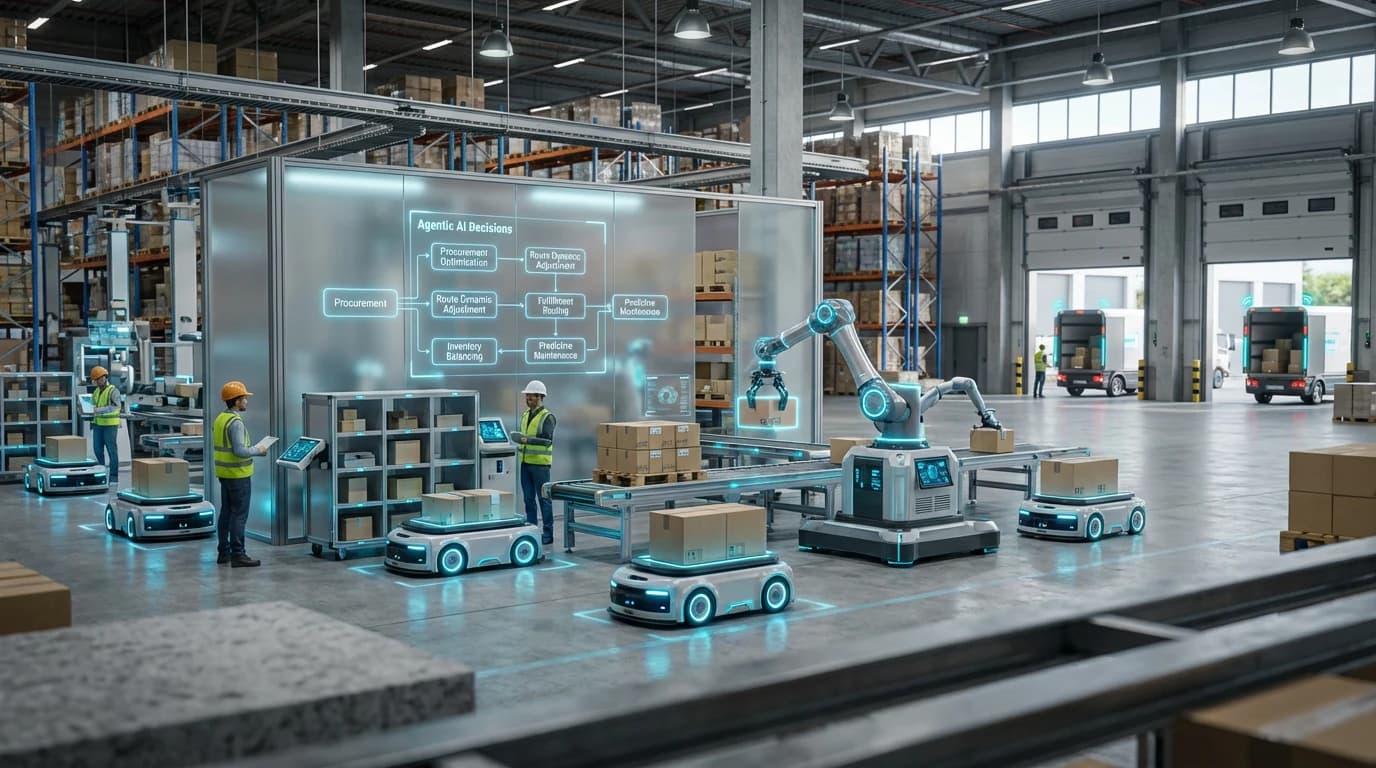
Self-governing AI agents that make independent decisions across planning, procurement, and fulfillment.
Machine learning models that predict demand and optimize stock levels across multi-echelon networks.
Standards and tools for auditing AI systems in supply chains for bias, fairness, and compliance.
Ultra-low-cost, battery-free micro-sensors providing pervasive end-to-end supply chain visibility.
Systems that automate customs, trade compliance, and documentation for global shipments.
High-density, high-speed storage systems using shuttles, cranes, and conveyors for automated pallet and tote handling.
Unmanned maritime ships capable of navigating open oceans without an onboard crew.
Flying robots that autonomously scan barcodes and RFID tags in warehouses for cycle counting.
Intelligent robots that navigate warehouses independently using advanced sensors and SLAM.
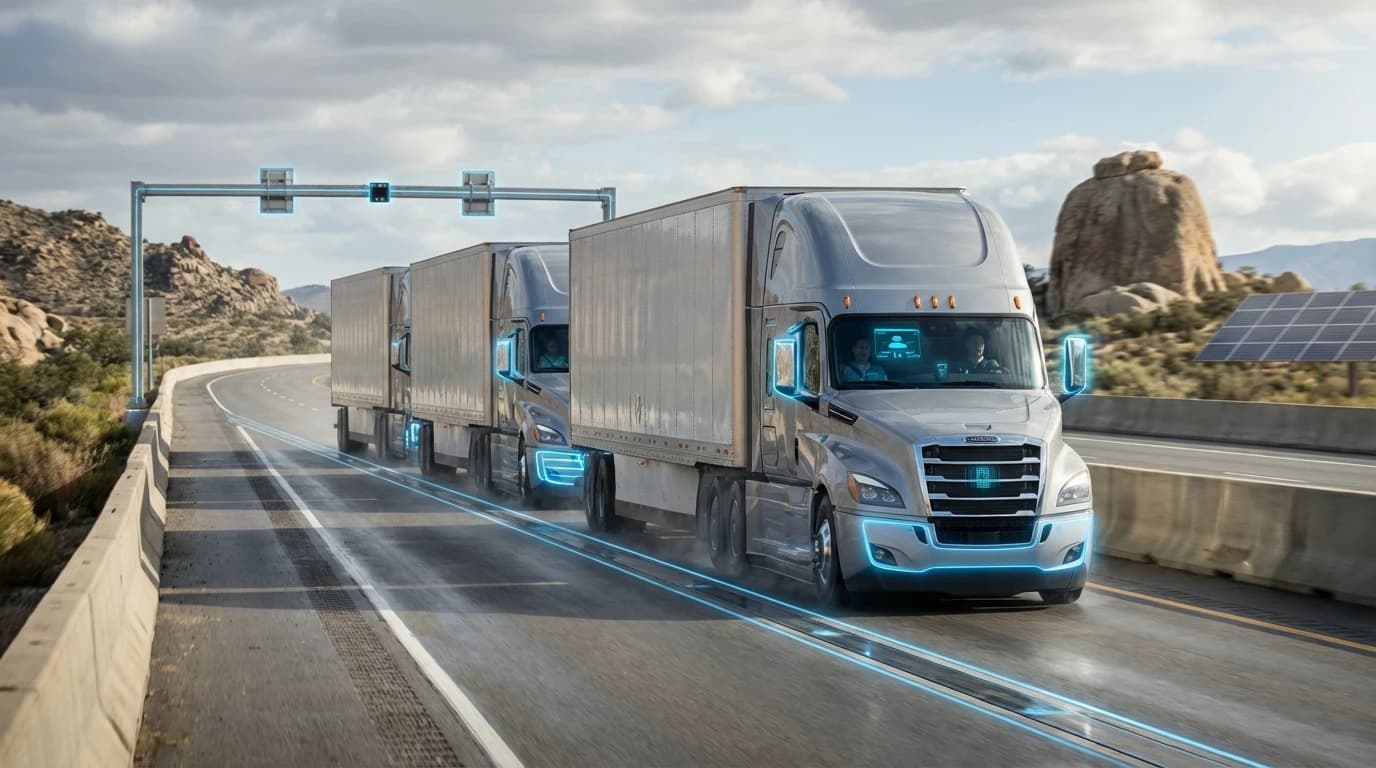
Coordinated convoys of semi-autonomous trucks traveling closely together to reduce drag and fuel consumption.
Packaging materials grown from biological matter that react to their environment or self-decompose.
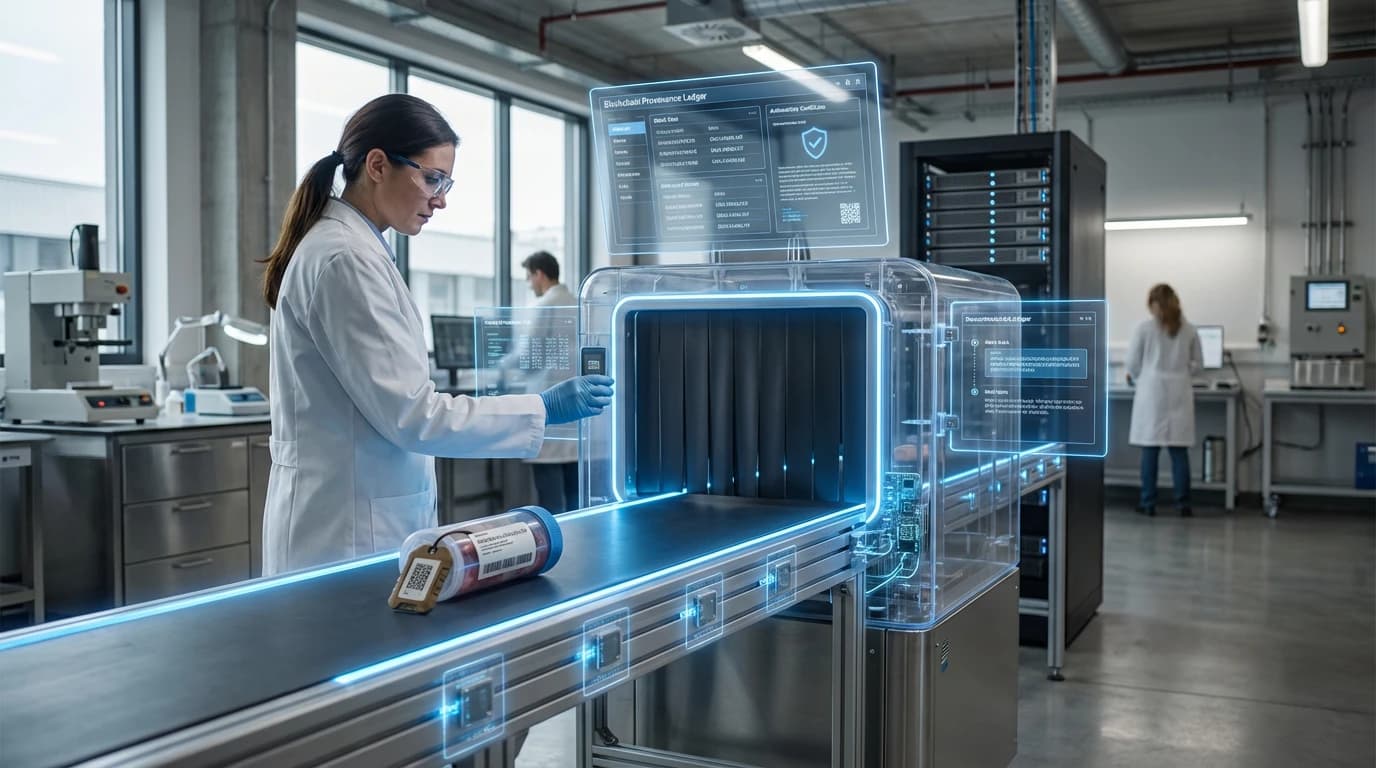
Decentralized, immutable records for tracking the journey and authenticity of goods.
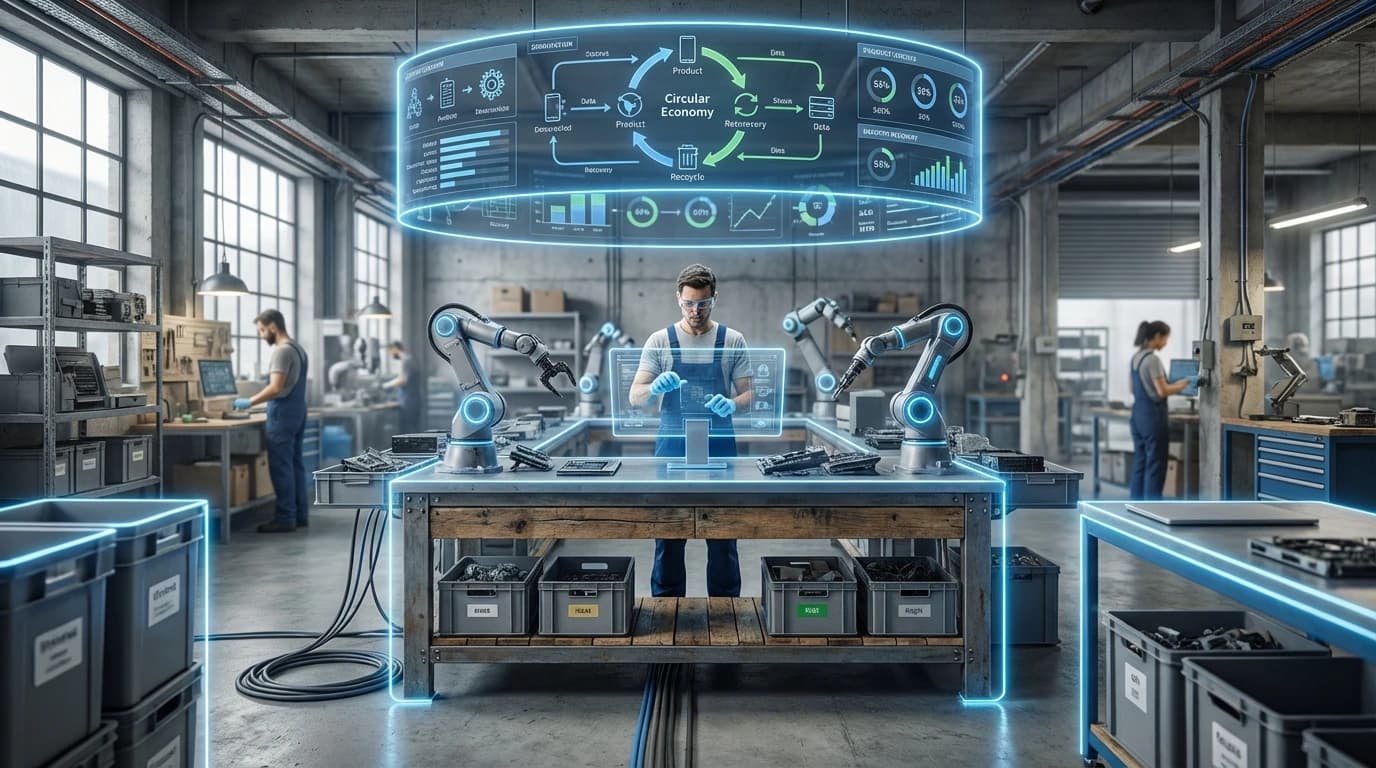
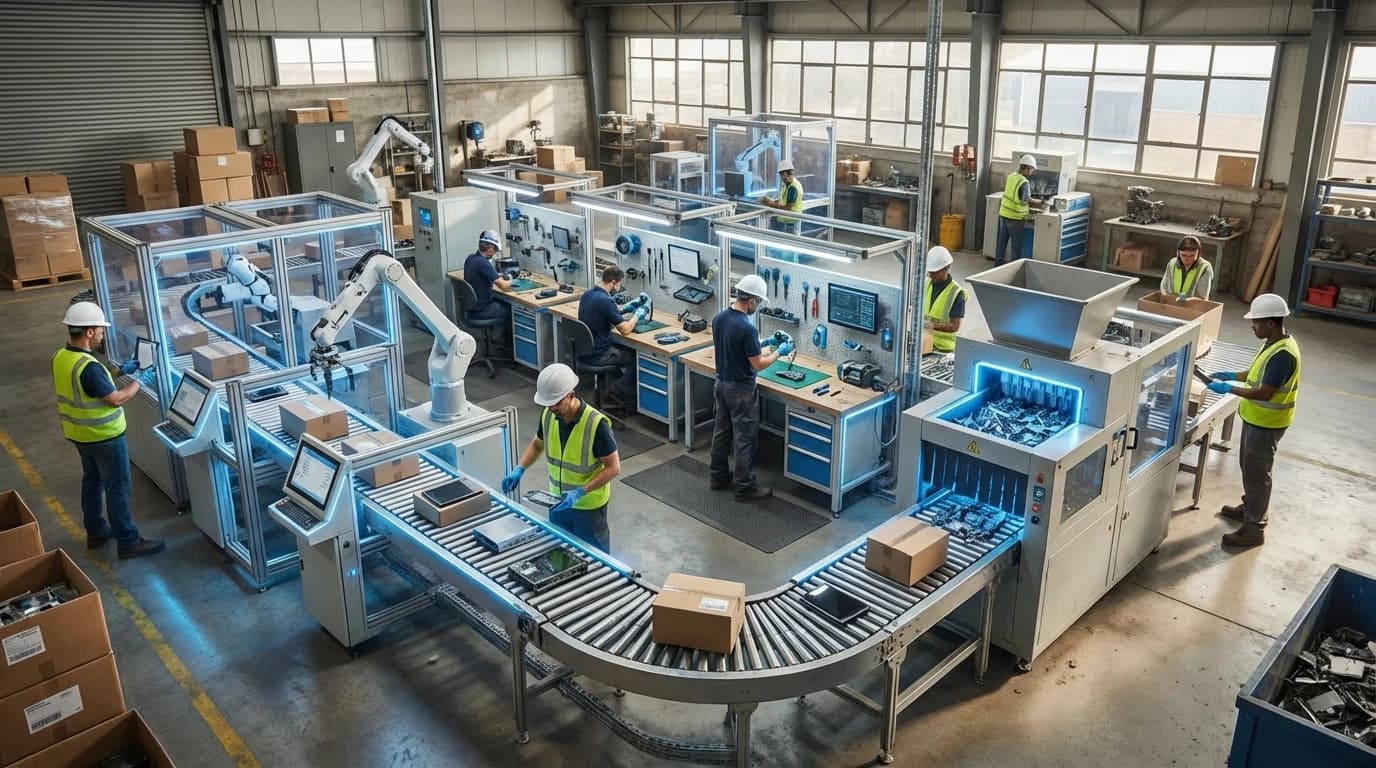
Software orchestrating reverse flows, refurbishment, and material recovery across product lifecycles.
Optimized systems for product returns, refurbishment, remanufacturing, and material recovery.
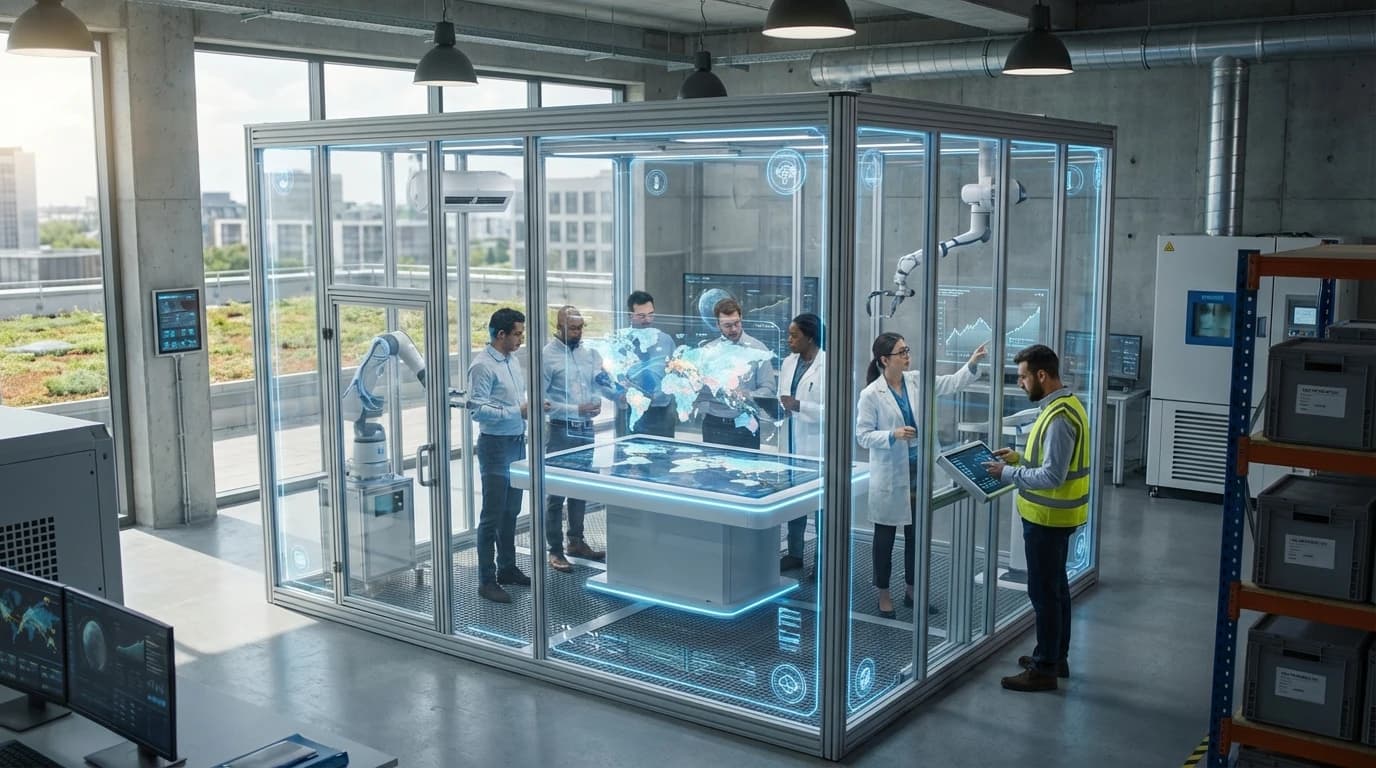
Frameworks integrating climate models with supply chain design to ensure long-term viability.
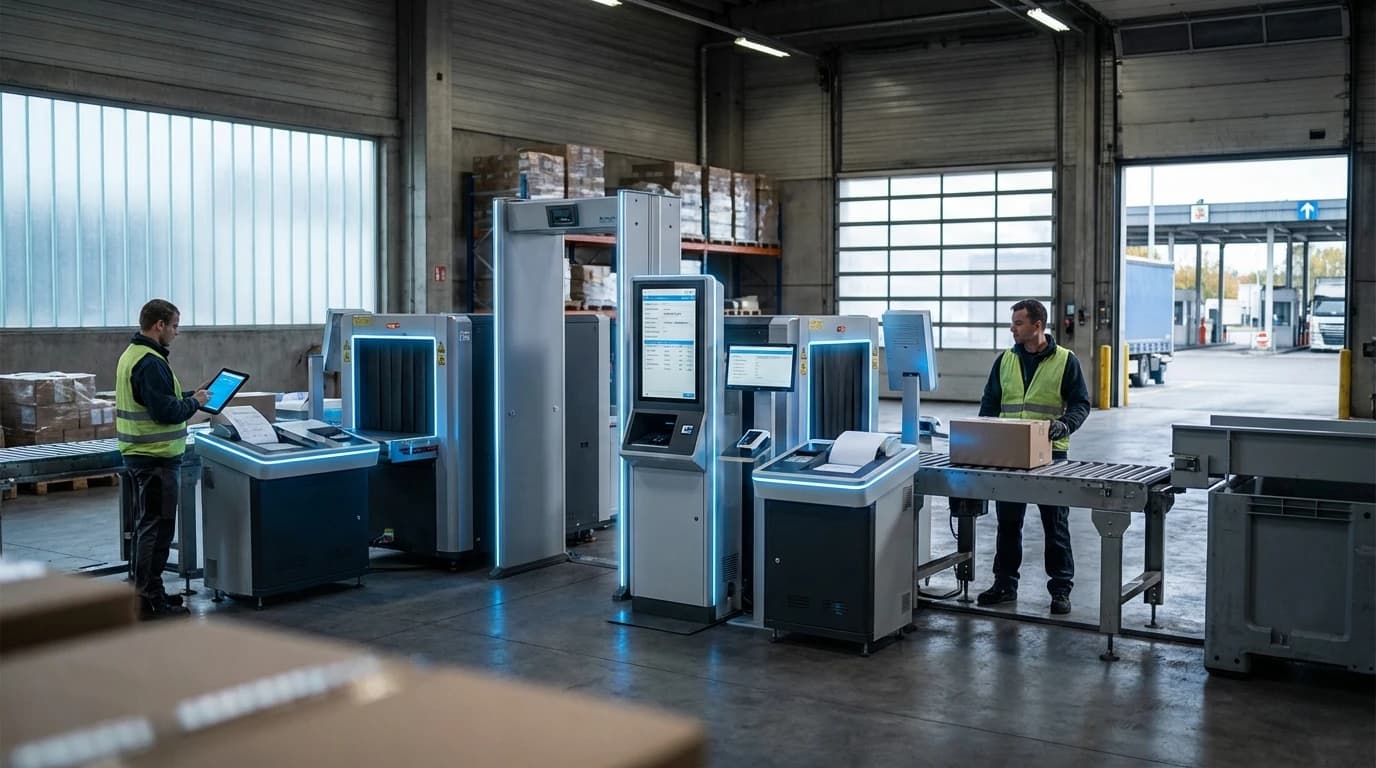
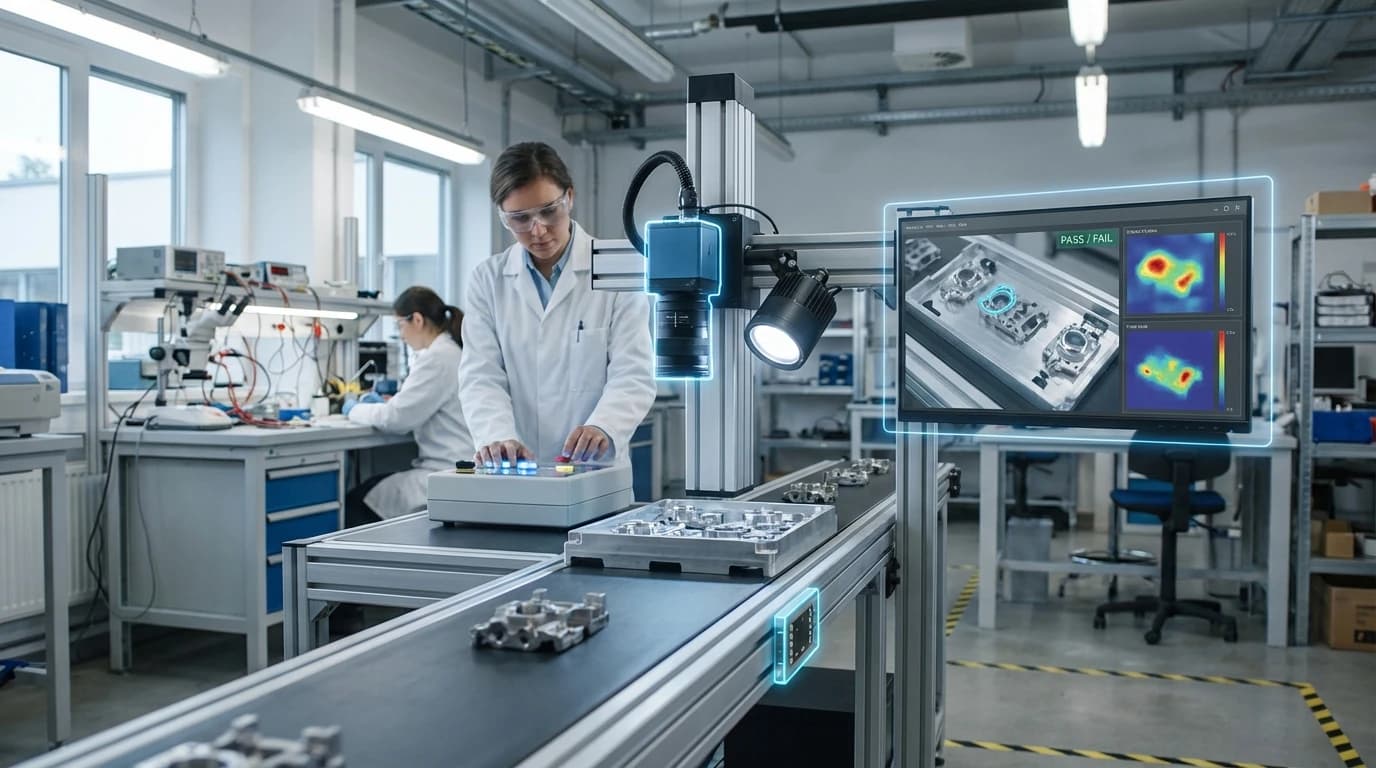
AI-powered visual inspection detecting defects, damages, and compliance issues at scale.
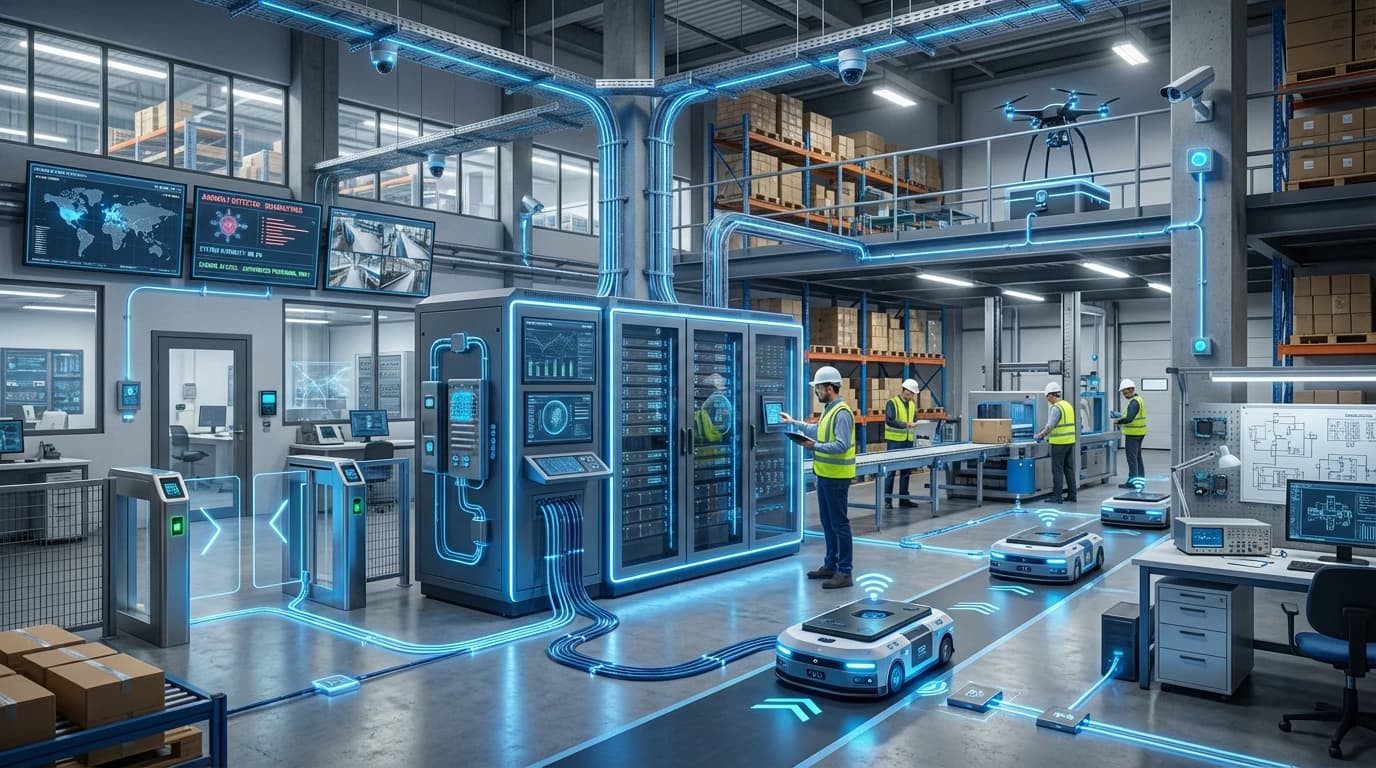
Integrated security frameworks protecting interconnected physical assets and digital systems from attacks.
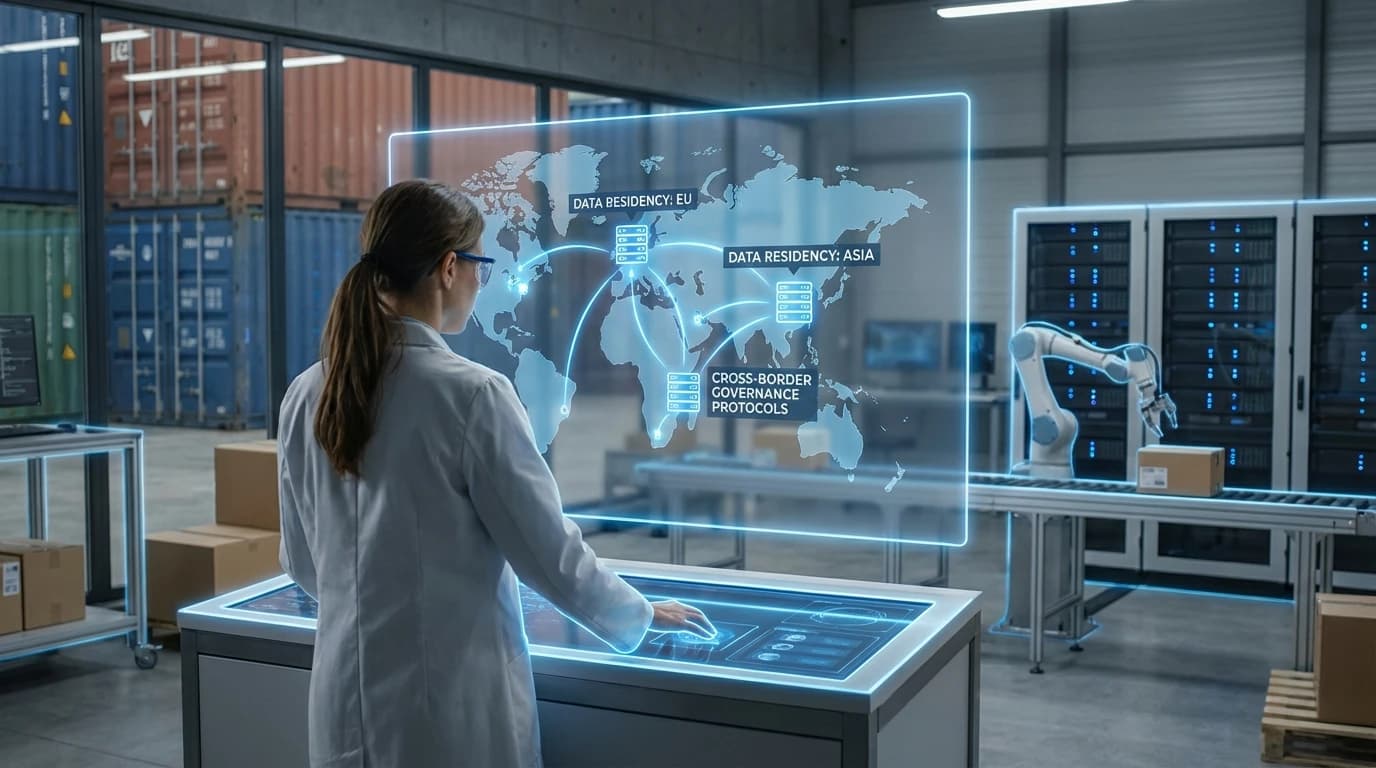
Technologies and policies ensuring supply chain data residency complies with local regulations.
Real-time platforms matching shippers with carriers using algorithmic pricing and smart contracts.
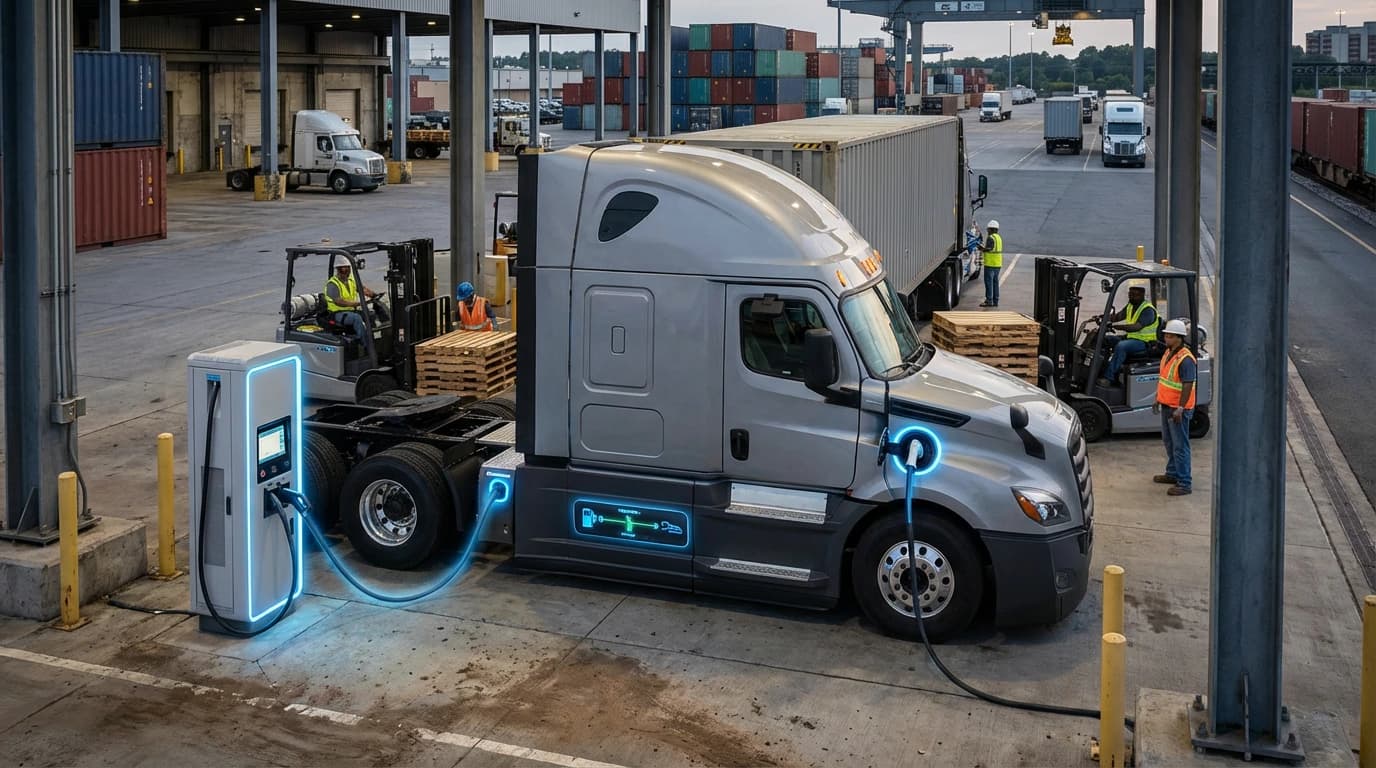
Zero-emission heavy-duty vehicles for regional and long-haul freight corridors.
Frameworks ensuring AI routing and hiring decisions are transparent and fair.
Analytics platforms that detect human rights and ESG risks across multi-tier supply chains.
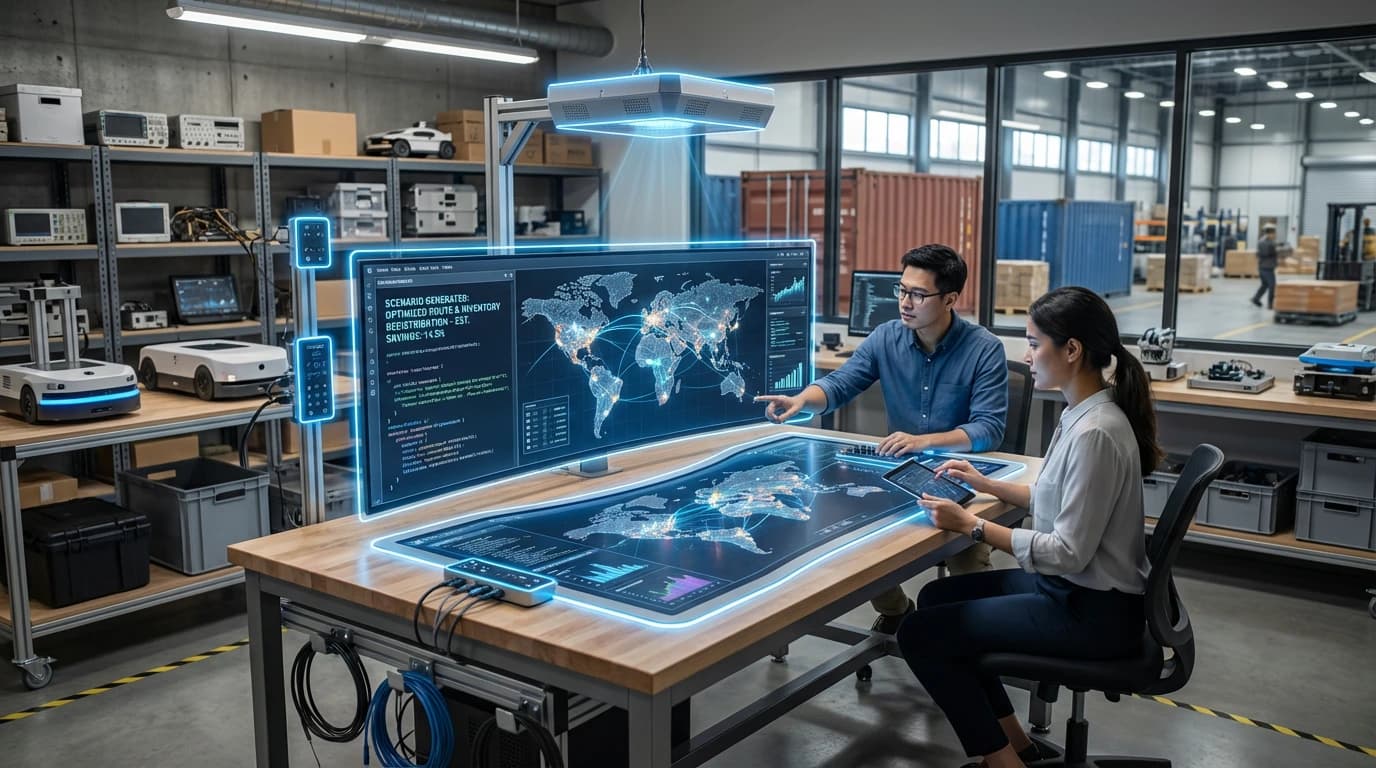
Large language models and generative AI creating supply chain scenarios, documentation, and insights.
AI systems that monitor sanctions, conflicts, and trade policy shifts to predict supply chain impacts.
AI-driven systems optimizing relief supply delivery in crisis zones with damaged infrastructure.
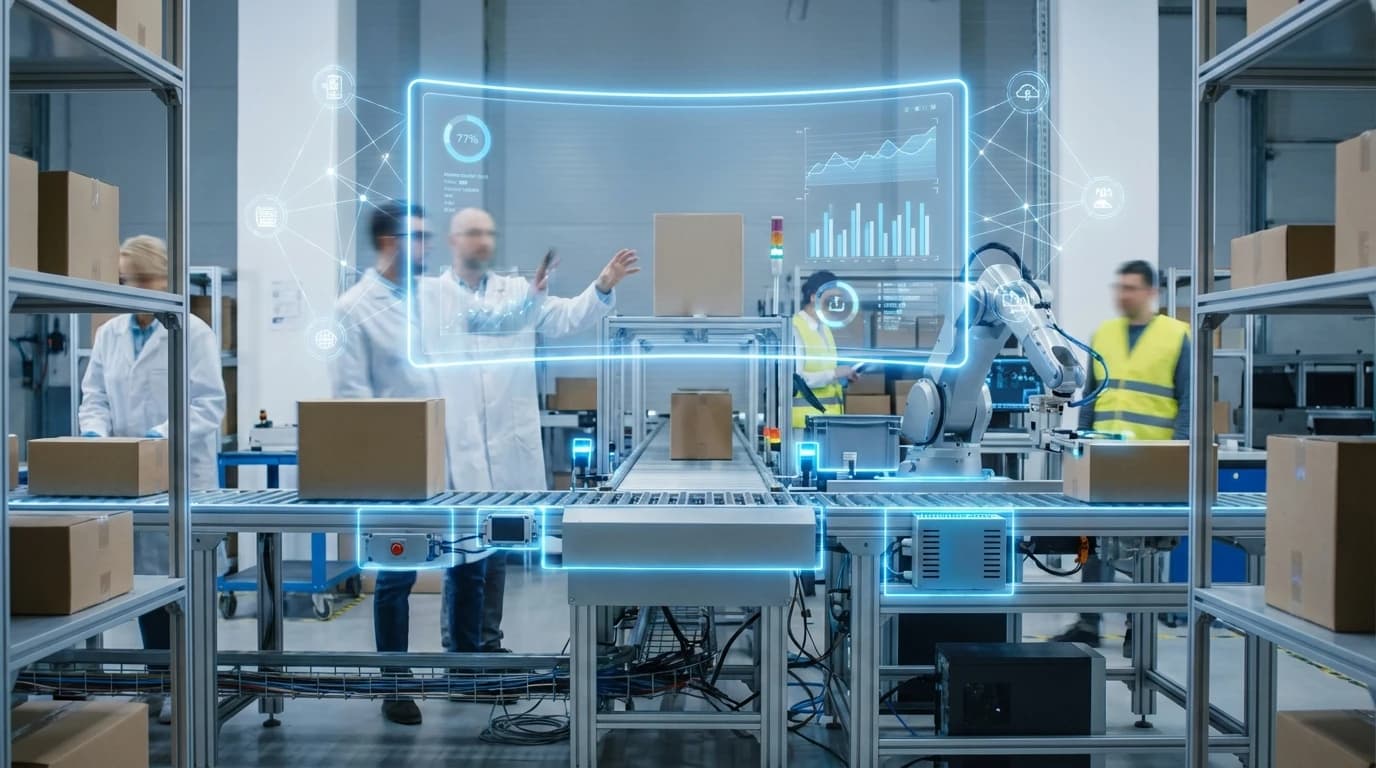
Fully automated 'dark warehouses' where operations run without human intervention.
Aerial delivery systems for rapid transport of packages in urban and remote areas.
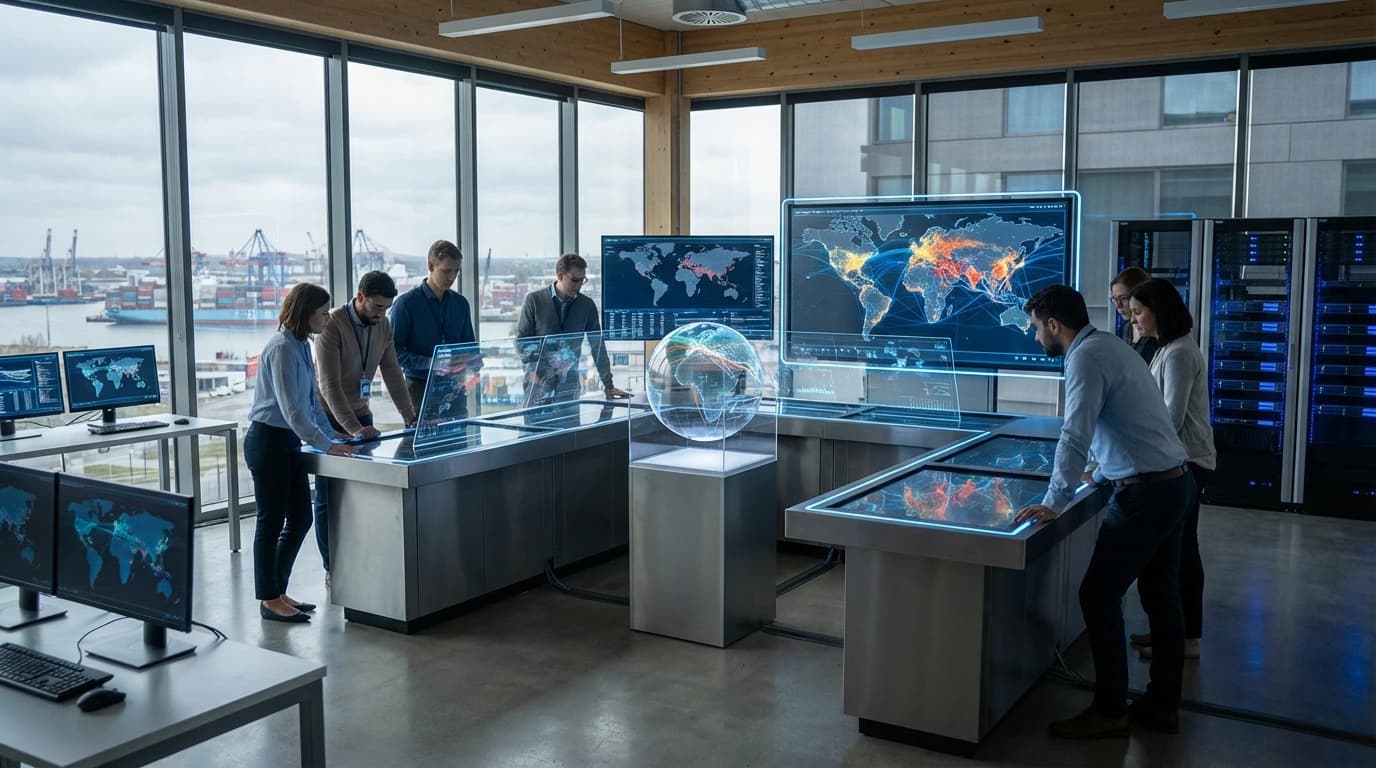
Real-time, end-to-end visibility and exception management layers across global logistics networks.
Advanced solvers that optimize across road, rail, sea, and air to minimize cost, time, and emissions.
Graph analytics identifying critical nodes, bottlenecks, and cascade risks in supply networks.
Adaptive robots capable of performing multiple tasks and switching roles dynamically.
AI-driven maintenance schedules based on real-time vehicle diagnostics.
Techniques like federated learning and secure enclaves that enable data sharing without exposing raw data.
Using quantum computing algorithms to solve complex routing and scheduling problems.
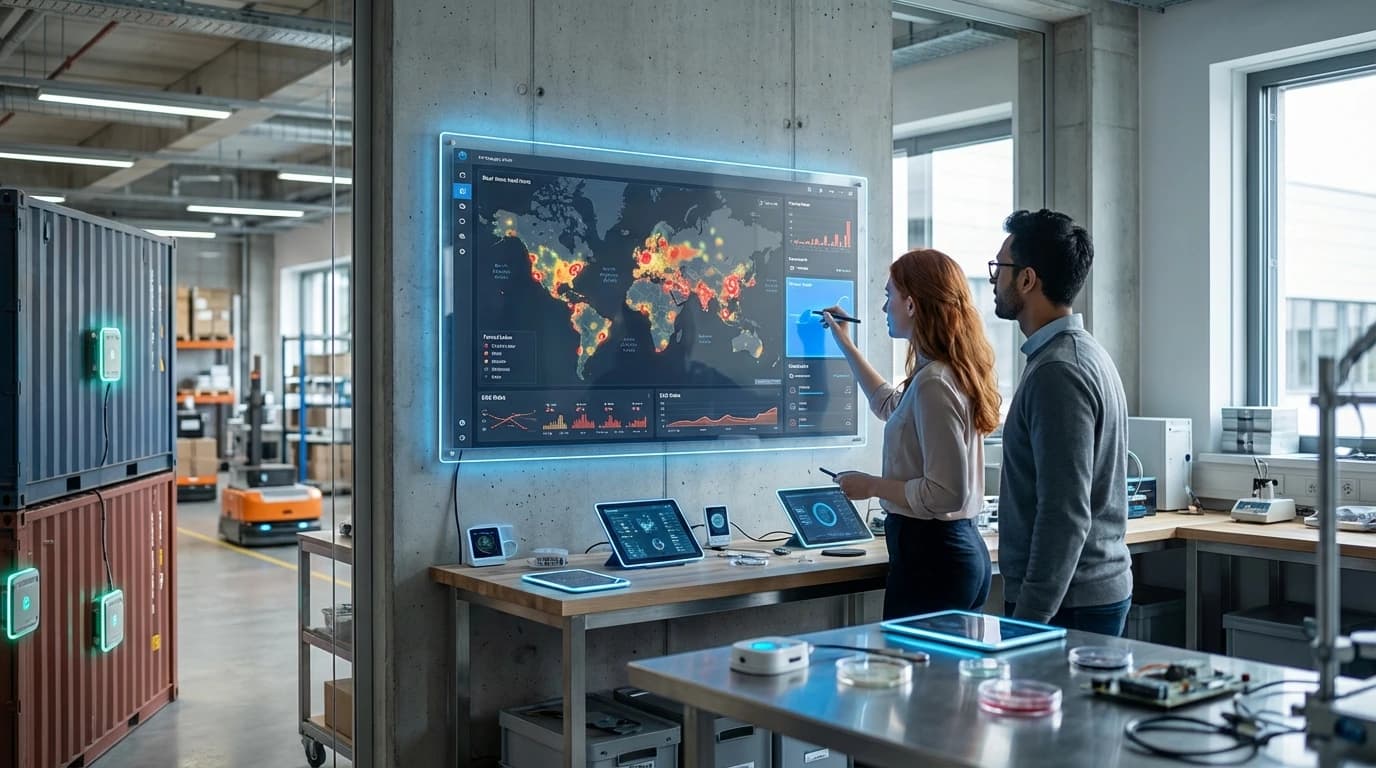
IoT-enabled shipping containers providing real-time telemetry on location and condition.
Instrumented pallets and packaging with embedded sensors and IDs for granular asset tracking.
Fully automated container terminals with AI-orchestrated cranes, AGVs, and predictive berth allocation.
Robotic end-effectors made from flexible materials that mimic human dexterity for delicate handling.
Orbital depots, lunar bases, and cislunar transport systems for off-world supply chains.
Virtual replicas of the entire supply chain network for simulation and optimization.
Security models that assume no entity inside or outside the network is trusted by default.
Protocols and technologies for measuring, reporting, and reducing carbon footprints.
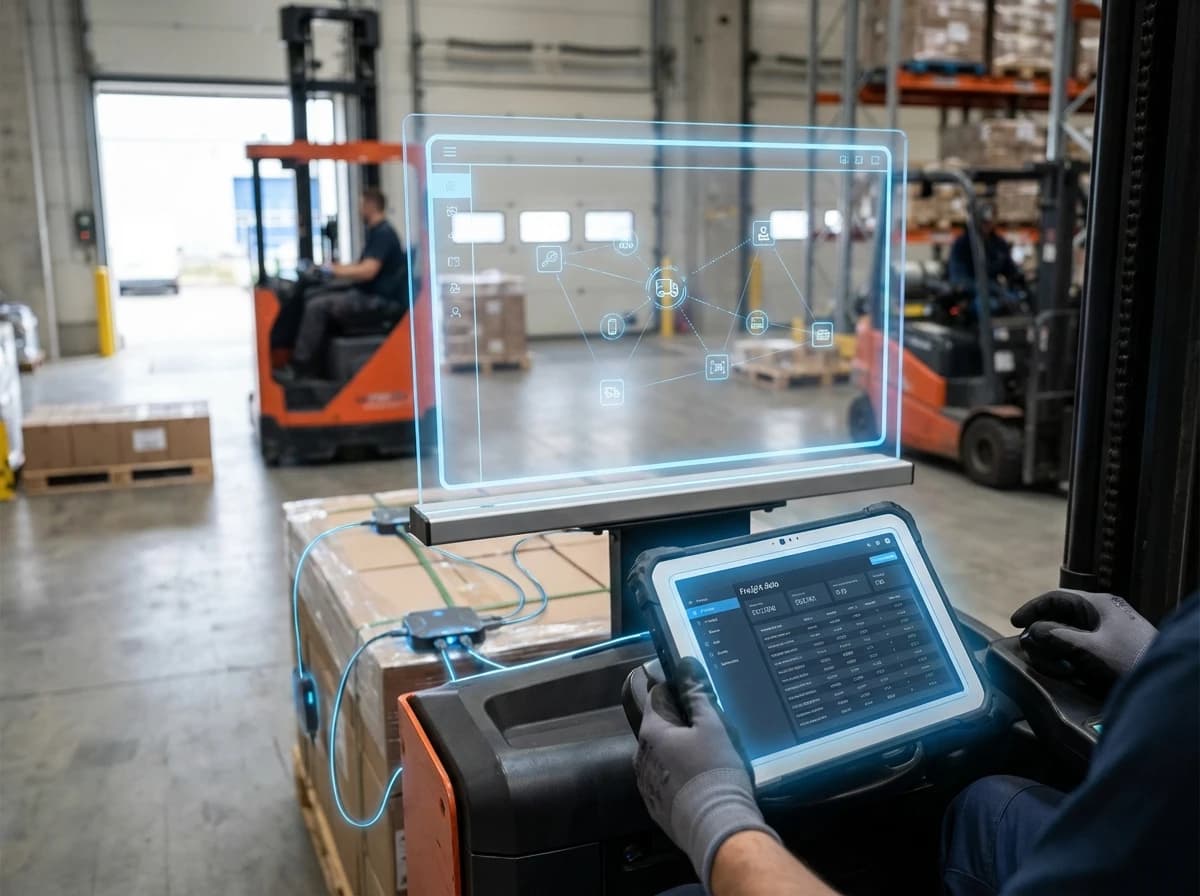
Remote control centers where human operators drive trucks and forklifts from a distance.
Global open protocols standardizing the movement of physical goods like data packets on the internet.
Digital platforms enabling SMEs in emerging markets to access trade credit and documentary instruments.
Dedicated subterranean tunnel networks for autonomous freight transport, bypassing surface congestion.
Small, highly automated warehouses embedded in cities for ultra-fast delivery.
Wearable powered suits that augment human strength and reduce injury in manual handling tasks.
Tools and frameworks that ensure human workers are safely augmented and reskilled alongside automation.