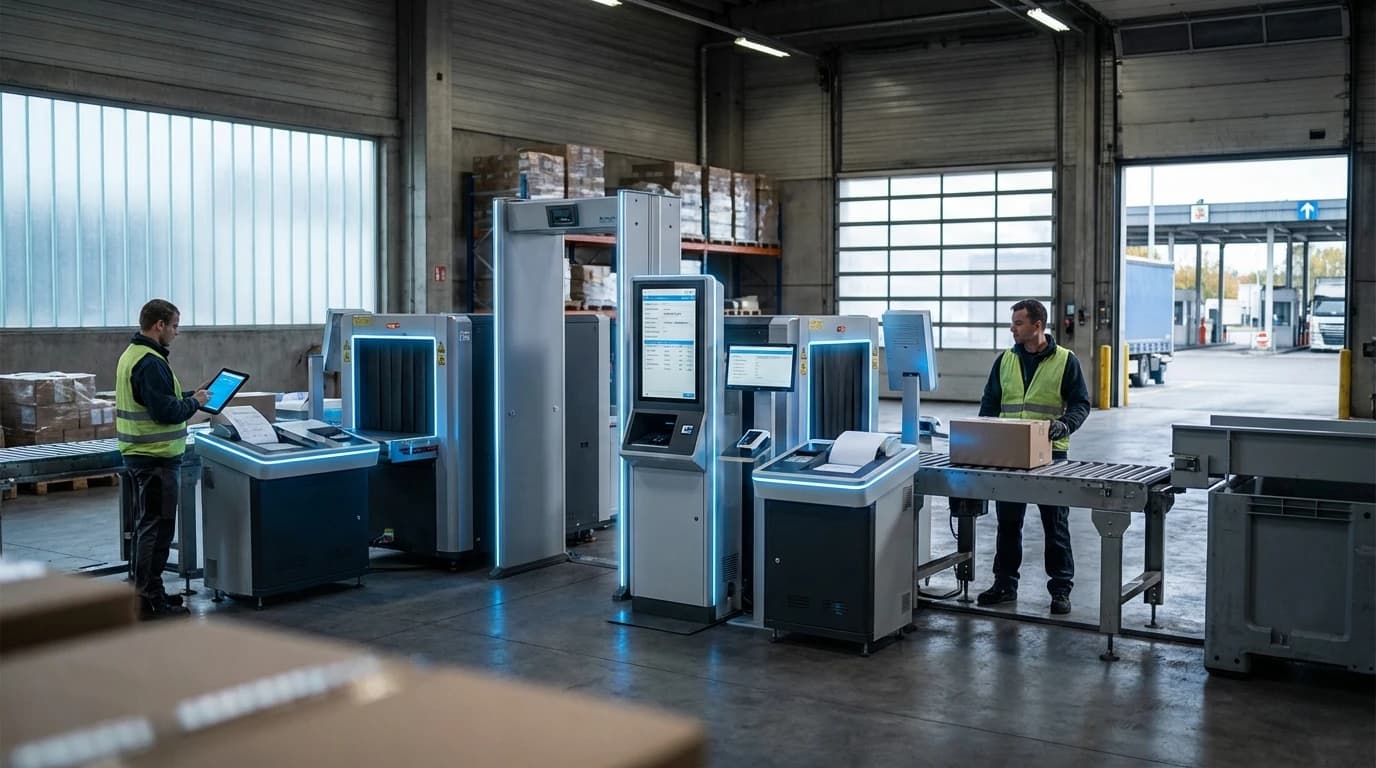
Automated Cross-Border Trade Compliance
International trade operates under a labyrinth of regulations that vary by country, product category, and geopolitical circumstance. Every cross-border shipment must navigate customs declarations, tariff classifications under systems like the Harmonized System (HS), certificates of origin, export licenses, and sanctions screening against restricted parties lists. Manual compliance processes are prone to error, costly in terms of labor, and can result in shipment delays, fines, or even seizure of goods. Automated cross-border trade compliance systems address these challenges by translating thousands of pages of trade regulations, bilateral agreements, and evolving sanction regimes into machine-readable rules engines and AI models. These platforms integrate data from customs authorities, trade databases, and regulatory bodies to maintain current information on duty rates, prohibited items, and documentation requirements. By automating the classification of goods according to HS codes and cross-referencing them against applicable trade agreements, these systems determine optimal duty treatment and generate the precise documentation required for each jurisdiction.
The business implications are substantial for companies operating global supply chains. Research suggests that compliance errors can add days or weeks to transit times and incur penalties that erode profit margins on international shipments. Automated compliance platforms reduce these risks by performing real-time screening of shipment details against denied parties lists, export control regulations, and country-specific import restrictions. They generate commercial invoices, packing lists, and certificates of conformity tailored to destination requirements, often integrating directly with customs portals for electronic filing. This automation enables logistics providers and manufacturers to scale their international operations without proportionally expanding compliance teams. The technology also creates audit trails that demonstrate due diligence to regulators, a critical capability as enforcement of trade compliance has intensified in recent years. For small and medium enterprises previously deterred by compliance complexity, these systems lower barriers to entering international markets.
Early deployments of automated trade compliance have focused on high-volume sectors such as e-commerce, automotive parts, and electronics, where the combination of complex supply chains and thin margins makes efficiency gains particularly valuable. Industry analysts note growing adoption among freight forwarders and third-party logistics providers who manage shipments for multiple clients across diverse product categories. The technology is evolving toward predictive capabilities, using machine learning to anticipate regulatory changes and recommend supply chain adjustments before new rules take effect. As trade policy becomes increasingly dynamic—with tariffs, sanctions, and trade agreements subject to rapid political shifts—the ability to adapt compliance processes in near real-time represents a competitive advantage. The trajectory points toward deeper integration with broader supply chain visibility platforms, creating end-to-end systems that optimize routing, inventory positioning, and compliance simultaneously, making global trade more accessible and resilient.
Related Organizations

Intergovernmental organization that maintains the Harmonized System (HS) for goods classification.

Provides on-demand, software-as-a-service solutions focused on logistics-intensive businesses, including routing and customs compliance.

Developer of CargoWise, a deeply integrated global logistics execution platform used by major freight forwarders.

Uses AI to build a shared source of truth for the global supply chain, mapping networks and compliance.

A networked supply chain platform offering end-to-end visibility and control tower capabilities.
Eurora
Estonia · Startup
AI-backed cross-border trade compliance platform.


Provides automated tax compliance software, including specific solutions for digital goods and cross-border services.


Cross-border technology software for landed cost and compliance.
Supporting Evidence
Research this in Signals
Signals turns a topic into a sourced research record you can inspect and rerun. Your first scan is free, and this one starts with Automated Cross-Border Trade Compliance already loaded, so edit it or scan as is.