Digital Freight Marketplaces and Dynamic Pricing
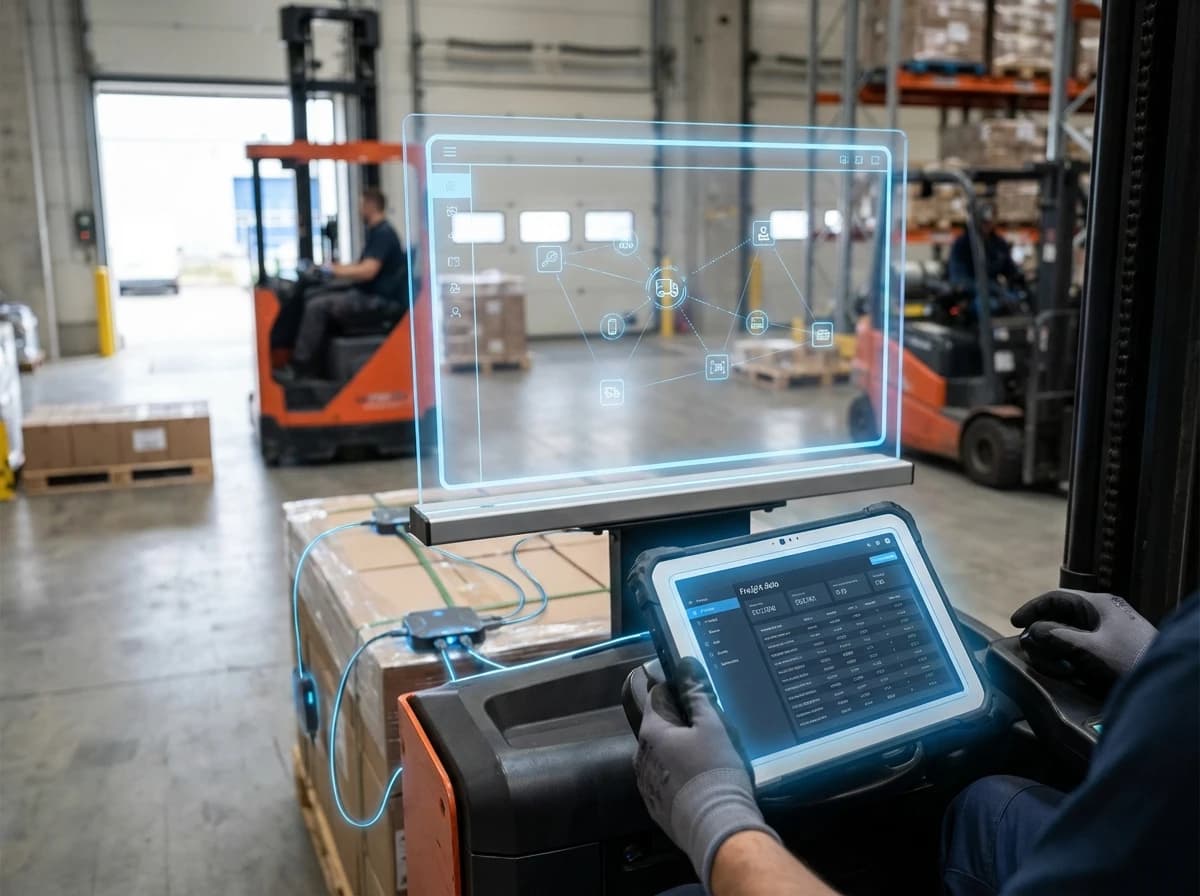
Digital freight marketplaces represent a fundamental shift in how shipping capacity is bought and sold, replacing traditional broker-mediated transactions with algorithmic platforms that connect shippers directly with carriers. These platforms function as two-sided marketplaces, aggregating available trucking, rail, ocean, or air cargo capacity from thousands of carriers while simultaneously collecting shipment requests from businesses of all sizes. At their technical core, they employ sophisticated matching algorithms that consider multiple variables—route, timing, cargo specifications, carrier ratings, and current market conditions—to pair freight with appropriate transport providers. Dynamic pricing engines continuously adjust rates based on real-time supply and demand signals, similar to how ride-sharing platforms price trips during peak hours. The integration of smart contracts and API-driven automation enables instant quote generation, digital booking confirmations, and automated payment settlements, eliminating much of the manual paperwork that has historically slowed freight transactions.
The freight industry has long suffered from information asymmetry and market fragmentation, with tens of thousands of small carriers operating alongside major logistics providers, making it difficult for shippers to find optimal capacity at fair prices. Traditional freight brokerage relies heavily on phone calls, email negotiations, and relationship-based pricing, creating inefficiencies that inflate costs and limit visibility. Digital freight marketplaces address these challenges by bringing price transparency to an opaque market, allowing shippers to compare options instantly rather than spending hours soliciting quotes. For carriers, particularly smaller operators, these platforms provide access to a broader customer base without the need for dedicated sales teams. The automation of administrative tasks—from generating bills of lading to processing payments—reduces overhead for both parties while minimizing errors and disputes. Perhaps most significantly, the data generated by these platforms enables better capacity planning and route optimization across the entire network, reducing empty miles and improving asset utilization throughout the supply chain.
Early digital freight platforms emerged in the mid-2010s, and the sector has since matured with several companies achieving significant transaction volumes, though adoption varies considerably by freight mode and geography. The technology has proven particularly effective in full-truckload shipping, where standardized requirements make algorithmic matching more straightforward. Industry analysts note that digital freight platforms currently handle a growing but still modest percentage of total freight transactions, with traditional brokerage relationships remaining dominant for complex or specialized shipments. However, the COVID-19 pandemic accelerated digital adoption as supply chain disruptions highlighted the value of real-time visibility and flexible capacity access. Looking forward, these platforms are increasingly incorporating predictive analytics to forecast capacity crunches, integrating with warehouse management systems for end-to-end supply chain orchestration, and exploring blockchain-based solutions for enhanced security and traceability. As the technology matures and network effects strengthen, digital freight marketplaces are positioned to become critical infrastructure in global logistics, fundamentally reshaping how goods move across supply chains while driving greater efficiency and sustainability through better asset utilization.
Related Organizations
Operates a global online marketplace for international freight, allowing instant comparison and booking of air and ocean shipments.

The world's largest digital freight platform by volume, connecting shippers and truckers across China.

Europe's leading digital freight forwarder, using proprietary technology to connect enterprise shippers with small trucking firms.

A logistics platform that connects shippers with carriers, using dynamic pricing algorithms and network optimization.

India's largest trucking platform, digitizing fleet operations and matching loads via an online marketplace.

A digital-first freight forwarder that uses a cloud platform to manage global logistics and supply chain visibility.

Uses algorithms to pool partial truckloads (STL) into shared truckloads, creating a new marketplace dynamic for LTL/TL freight.

Digital freight forwarder offering a platform for managing sea, air, and rail transport with real-time visibility and pricing.

Digital freight broker leveraging AI to automate pricing and booking for truckload and intermodal shipments.

Digital freight platform providing intelligent matching and pricing tools (sold brokerage unit to NFI, pivoted to software/tech).
Supporting Evidence
Research this in Signals
Signals turns a topic into a sourced research record you can inspect and rerun. Your first scan is free, and this one starts with Digital Freight Marketplaces and Dynamic Pricing already loaded, so edit it or scan as is.