Circular Reverse Logistics Networks
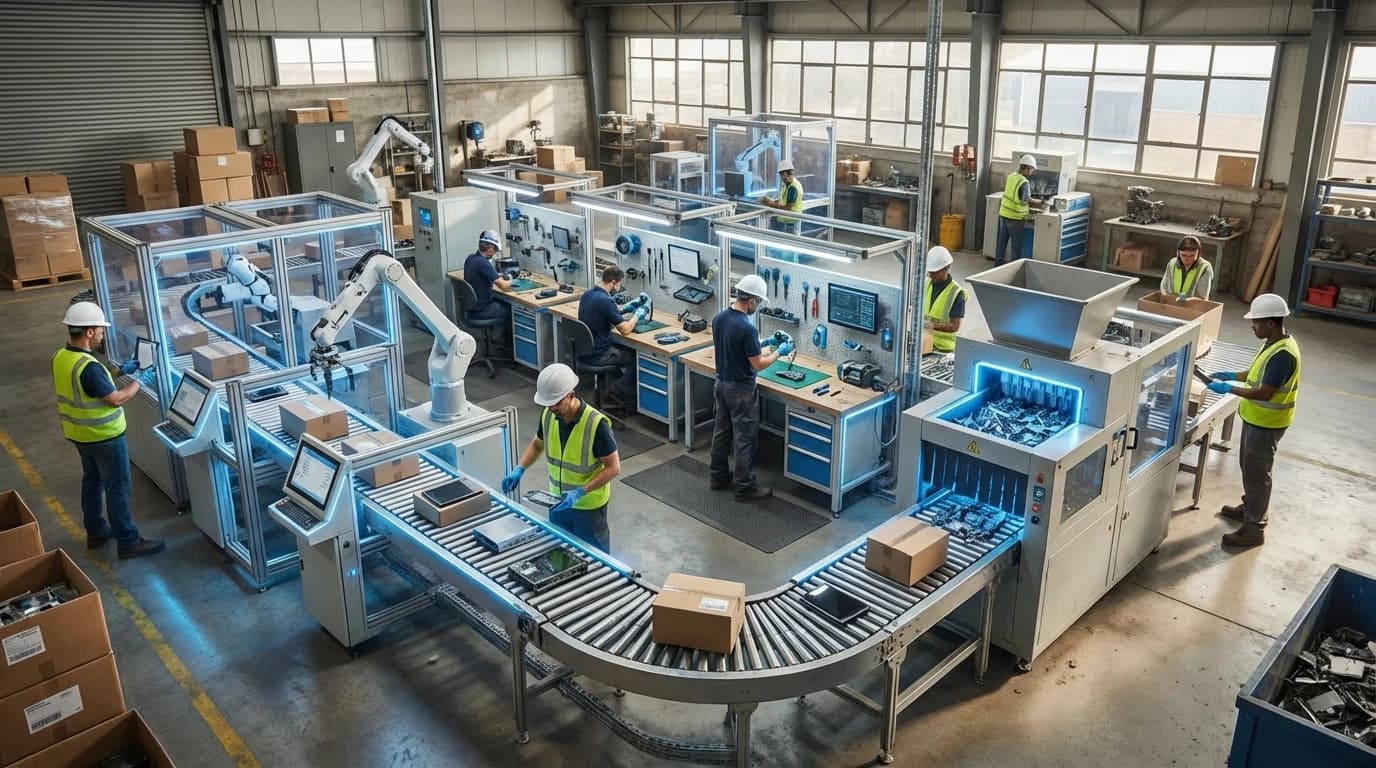
Circular reverse logistics networks represent a fundamental reimagining of how products move through supply chains after their initial sale. Unlike traditional linear supply chains that end at the consumer, these systems create closed-loop pathways where products, components, and materials flow backward through the network for recovery and reintegration. The technical foundation relies on sophisticated routing algorithms that evaluate each returned item's condition, market value, and material composition to determine its optimal next destination. Advanced tracking systems using RFID tags, blockchain ledgers, and IoT sensors maintain product provenance throughout the reverse journey, while machine learning models predict return volumes, assess refurbishment feasibility, and match recovered materials with manufacturing specifications. This infrastructure connects collection points, sorting facilities, refurbishment centers, parts harvesting operations, and material recycling plants into coordinated networks that maximize value recovery at each stage.
The traditional linear economy has created mounting challenges for both businesses and the environment, with product returns alone costing retailers billions annually while generating substantial waste. Conventional reverse logistics typically treated returns as a cost center, often defaulting to liquidation or disposal rather than systematic value recovery. Circular reverse logistics networks transform this liability into opportunity by creating economic incentives for material recovery and reuse. These systems address the growing pressure from extended producer responsibility regulations, which increasingly require manufacturers to manage products throughout their entire lifecycle. They enable new business models such as product-as-a-service, where manufacturers retain ownership and responsibility for products, incentivizing durable design and efficient recovery. By reducing dependence on virgin materials, these networks also help companies mitigate supply chain risks associated with resource scarcity and price volatility while meeting corporate sustainability commitments.
Early implementations have emerged across industries with high return rates or valuable recoverable materials, including consumer electronics, fashion, automotive parts, and industrial equipment. Major retailers and manufacturers are establishing dedicated reverse logistics facilities equipped with automated sorting systems that can process thousands of returns daily, using computer vision to assess condition and AI-powered decision engines to route items appropriately. Some programs have achieved recovery rates exceeding seventy percent of returned product value through strategic refurbishment and resale channels. The technology is particularly promising for electronics, where component harvesting can recover rare earth elements and precious metals while extending the useful life of functional parts. As circular economy principles gain traction and digital tracking technologies become more sophisticated, these networks are expected to evolve into comprehensive material marketplaces where recovered resources are traded and allocated with the same efficiency as virgin materials, fundamentally reshaping how industries approach product design, ownership models, and end-of-life management.
Related Organizations

Provides a returns optimization platform that helps retailers manage, resell, and recycle returned inventory.
Offers an end-to-end returns management system (RMS) for B2B, B2C, and hybrid environments.
Specializes in recycling hard-to-recycle materials and operates the 'Loop' circular shopping platform.
Provides fully managed returns management, refurbishment, and recommerce solutions.

Provides box-free return locations and reverse logistics software (acquired by UPS).

Returns management software primarily for Shopify brands, focusing on exchanges over refunds.
Provides the operating system for branded resale, enabling companies like Patagonia and Lululemon to run trade-in and resale programs.


A global thought leader promoting the circular economy, working with cities to implement strategies that design out waste and keep products in use.
Uses blockchain and Zero-Knowledge Proofs to share product data (like chemical content) without revealing sensitive supplier information.
Supporting Evidence
Research this in Signals
Signals turns a topic into a sourced research record you can inspect and rerun. Your first scan is free, and this one starts with Circular Reverse Logistics Networks already loaded, so edit it or scan as is.