Electric and Hydrogen Freight Trucks
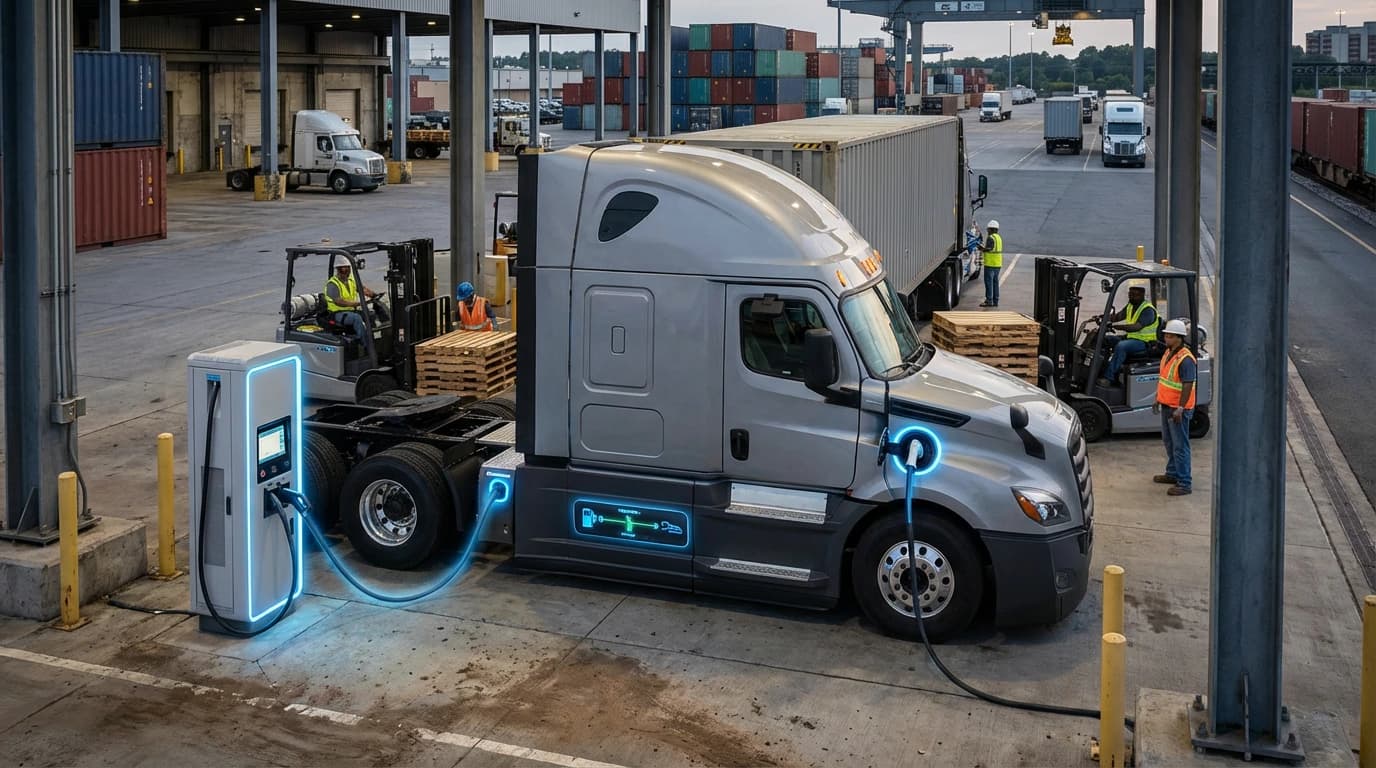
The transition from diesel-powered heavy-duty vehicles to zero-emission alternatives represents one of the most significant technological shifts in freight transportation. Electric and hydrogen freight trucks employ fundamentally different propulsion systems—battery-electric vehicles (BEVs) store energy in large lithium-ion battery packs that power electric motors, while hydrogen fuel cell electric vehicles (FCEVs) generate electricity onboard through an electrochemical reaction between hydrogen and oxygen, with water vapor as the only emission. Both architectures eliminate tailpipe emissions of carbon dioxide, nitrogen oxides, and particulate matter that have long plagued diesel operations. Battery-electric trucks typically offer ranges of 150-500 kilometers depending on battery capacity and load, making them well-suited for regional distribution and return-to-base operations. Hydrogen fuel cell trucks, by contrast, can achieve ranges comparable to diesel vehicles—often exceeding 500 kilometers—and refuel in minutes rather than hours, positioning them as candidates for long-haul corridors where charging downtime would be prohibitive.
The freight industry faces mounting pressure from regulatory frameworks, urban access restrictions, and corporate sustainability commitments that make continued reliance on diesel increasingly untenable. Many cities worldwide are implementing low-emission zones that restrict or ban diesel trucks during certain hours, directly impacting delivery schedules and logistics efficiency. Zero-emission trucks address these constraints while simultaneously reducing operating costs in regions with favorable electricity or hydrogen pricing, as electric drivetrains require significantly less maintenance than diesel engines with their complex emissions control systems. The development of dedicated freight corridors with strategically placed charging stations and hydrogen refueling hubs is enabling the business case for fleet operators, who require predictable infrastructure access to maintain delivery schedules. This infrastructure-vehicle co-development model mirrors the approach that enabled passenger electric vehicle adoption, but scaled to the unique demands of commercial freight operations where vehicle utilization rates, payload capacity, and route predictability differ markedly from consumer transportation patterns.
Early commercial deployments indicate growing momentum across multiple freight segments. Several major logistics providers and fleet operators have begun integrating electric trucks into urban delivery operations, while pilot programs for hydrogen trucks are underway on specific long-haul routes in Europe, North America, and Asia. Regional distribution centers serving e-commerce and retail supply chains represent particularly promising early applications, as these operations often involve predictable routes and centralized facilities where charging infrastructure can be efficiently deployed. Industry analysts note that total cost of ownership for electric trucks is approaching parity with diesel in certain use cases, particularly as battery costs decline and carbon pricing mechanisms take effect. The technology's trajectory aligns with broader decarbonization efforts across supply chain networks, where scope 3 emissions from transportation represent a significant portion of corporate carbon footprints. As battery energy density improves and hydrogen production from renewable sources scales, these zero-emission trucks are positioned to transition from niche applications to mainstream freight solutions, fundamentally reshaping the environmental impact of goods movement while maintaining the reliability and efficiency that modern logistics networks demand.
Related Organizations

A 50:50 joint venture between Daimler Truck AG and the Volvo Group dedicated to developing fuel cell systems.

Truck manufacturer developing the HYLA brand for hydrogen distribution and dispensing.

A leading global truck manufacturer producing a full range of battery-electric trucks and developing hydrogen fuel cell trucks.

Freight technology company developing autonomous electric trucks, with signed MOUs for deployment in UAE logistics.

Hyundai Motor Company
South Korea · Company
Automotive giant producing the XCIENT Fuel Cell, the world's first mass-produced heavy-duty hydrogen truck.

A developer and manufacturer of proton exchange membrane fuel cell products.

A manufacturer of zero-emission vehicles, specifically electric school buses and medium/heavy-duty urban trucks.

Developing a network of heavy-duty electric truck charging stations in California, incorporating MCS readiness into their infrastructure.
Supporting Evidence
Research this in Signals
Signals turns a topic into a sourced research record you can inspect and rerun. Your first scan is free, and this one starts with Electric and Hydrogen Freight Trucks already loaded, so edit it or scan as is.