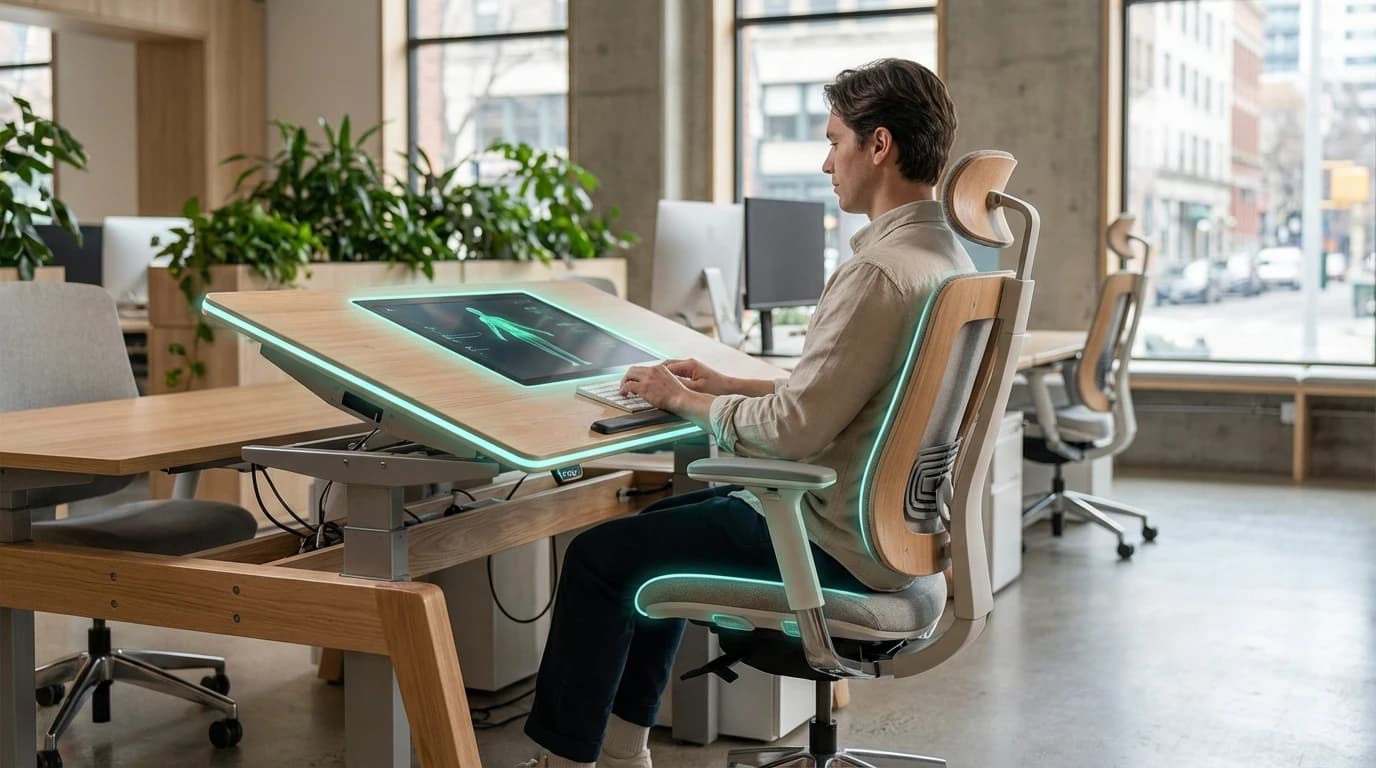
Smart desks and chairs that sense posture and micro-movements to protect long-term musculoskeletal health.
Acoustic systems that generate restorative sound environments tuned to human stress and attention levels.
System-level software detecting emotional states to adapt digital experiences.
Protocols for assessing AI's impact on human psychological health.
Machine learning models specifically trained to detect and mitigate bias.
Intelligent lighting that mimics natural daylight to support circadian rhythms.
AI architecture tools that optimize built environments for biological wellbeing.
Platforms that coordinate human clinicians, coaches, and digital therapeutics into a single care journey.
Operating system features designed to minimize attention capture.
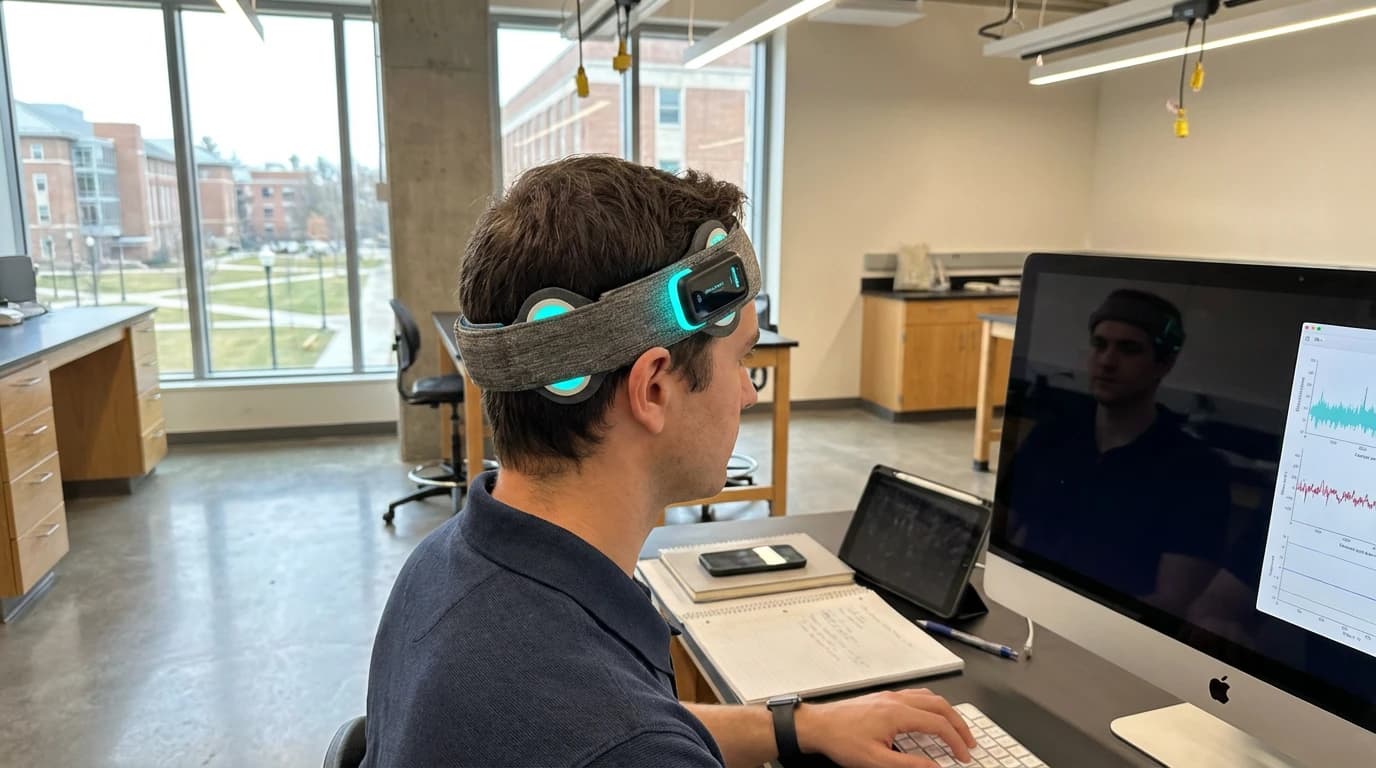
Wearable EEG headbands that provide real-time feedback for self-regulation and focus training.
Standards to protect mental privacy and freedom of thought.
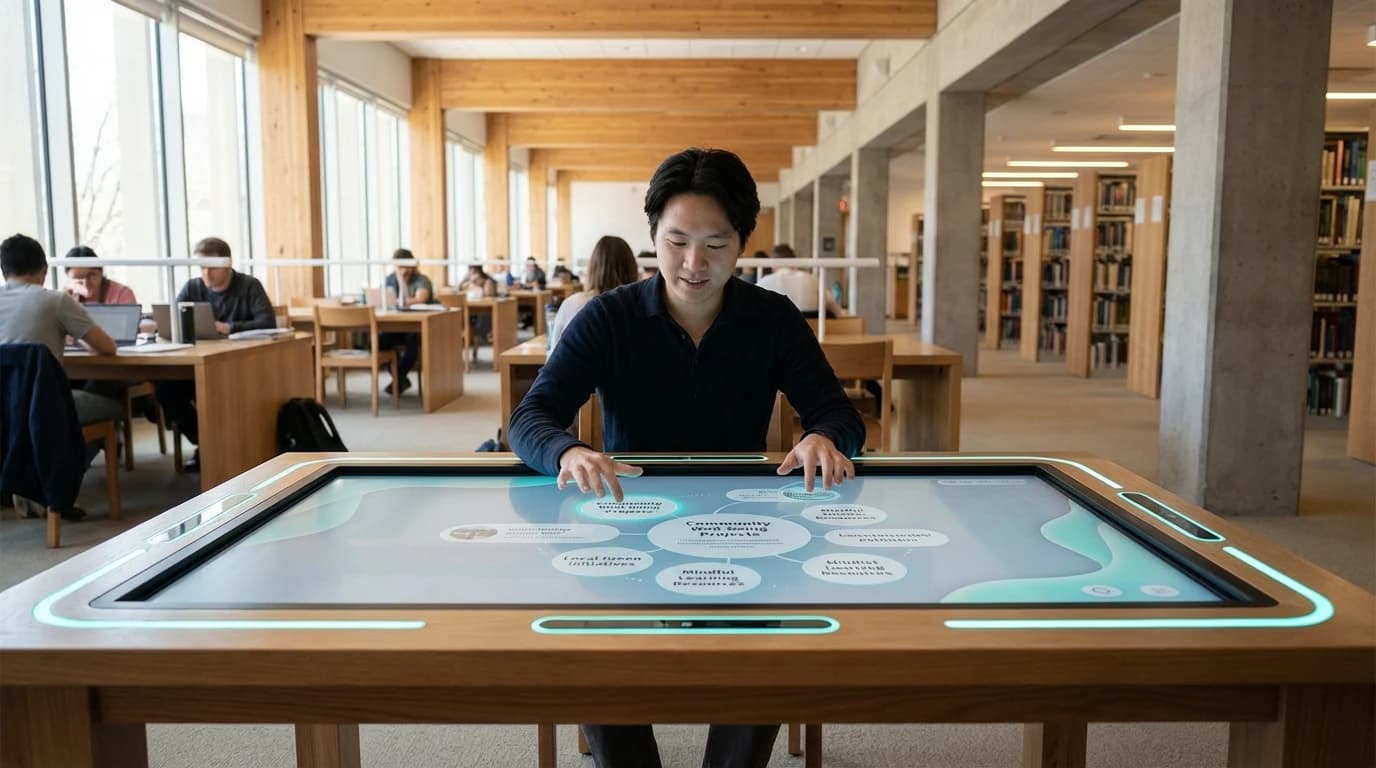
Digital platforms enabling residents to co-design public spaces, policies, and services.
System services that coordinate attention budgets and screen time limits across devices and apps.
Governance models giving users ownership over their affective data.
Simulations allowing users to experience diverse perspectives.
Tools for early detection of mental health issues via device interaction patterns.
Interface patterns that make data practices and AI behavior truly understandable to non-experts.
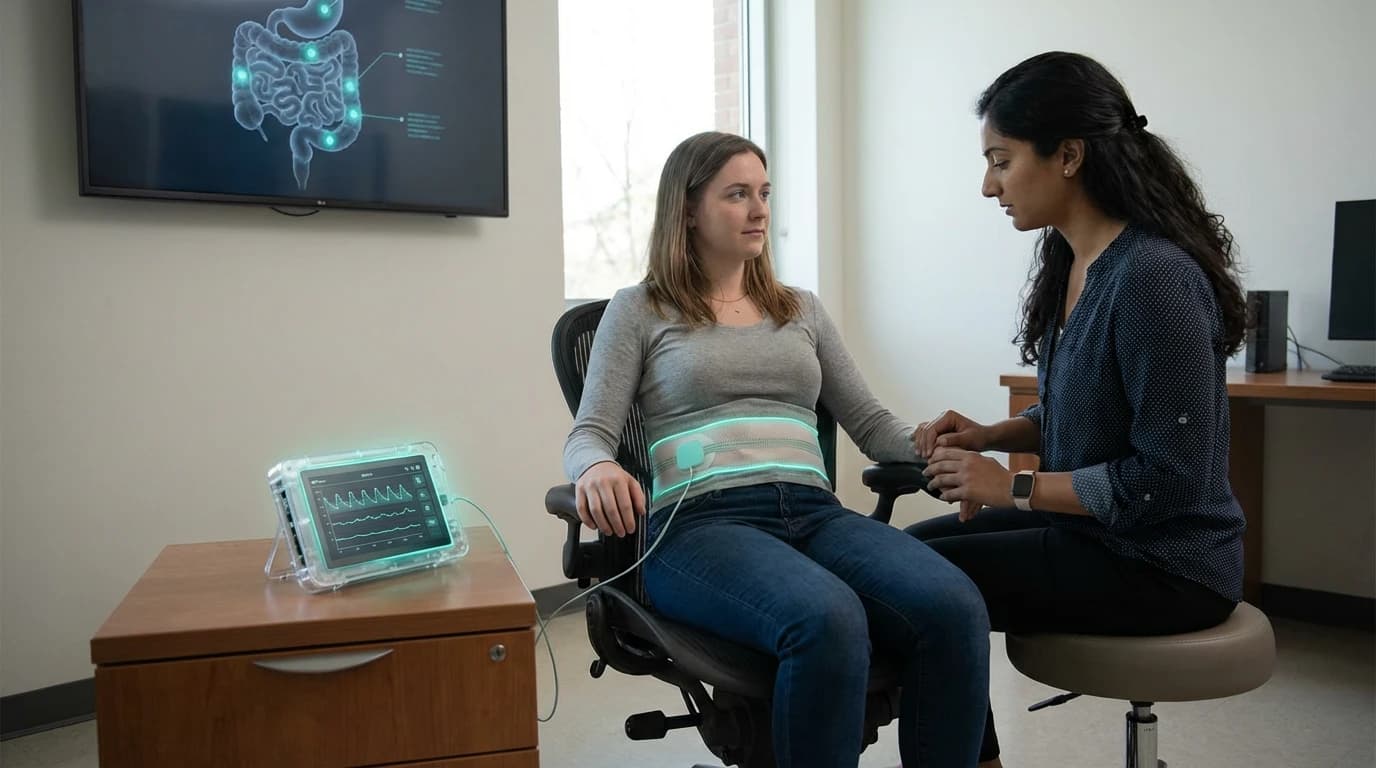
Ingestible or non-invasive sensors tracking microbiome impact on mental health.
Recommendation engines optimized for long-term wellbeing rather than short-term engagement.
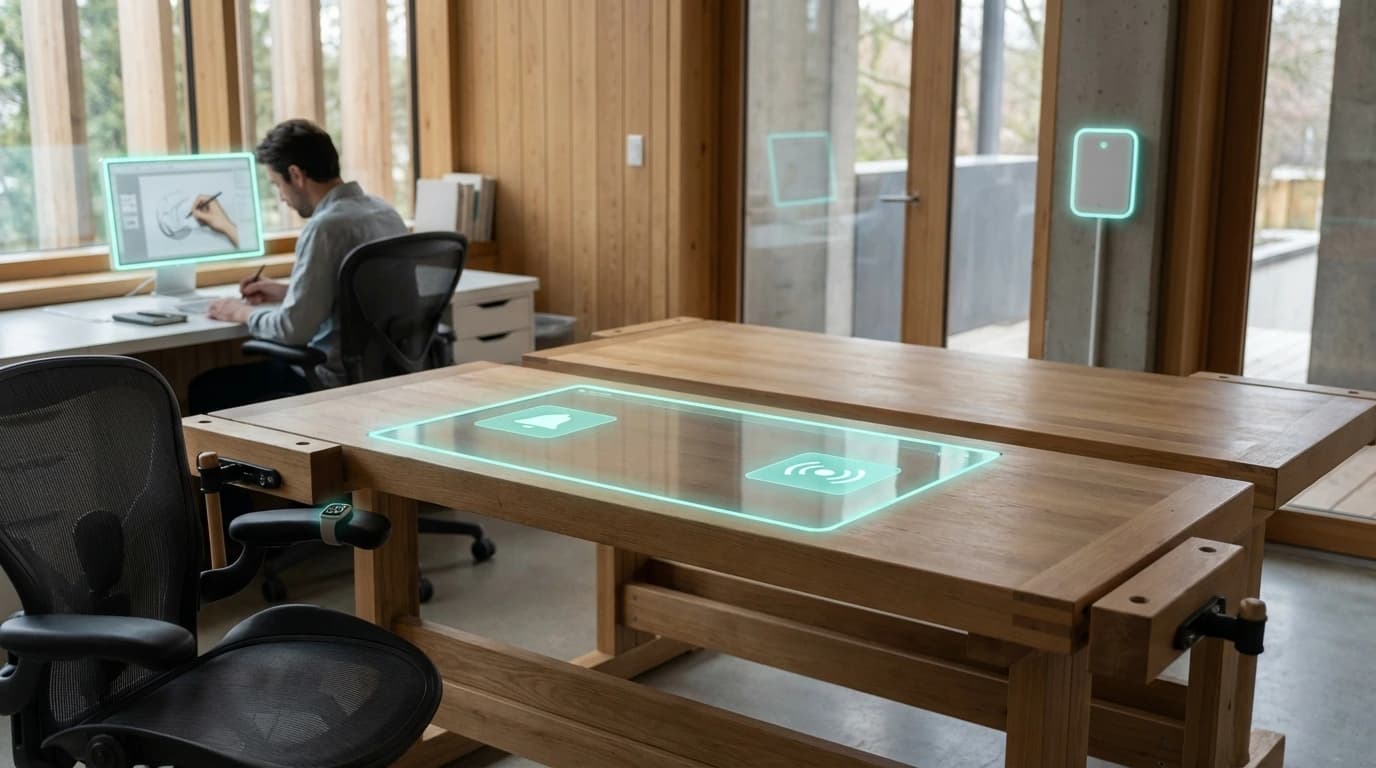
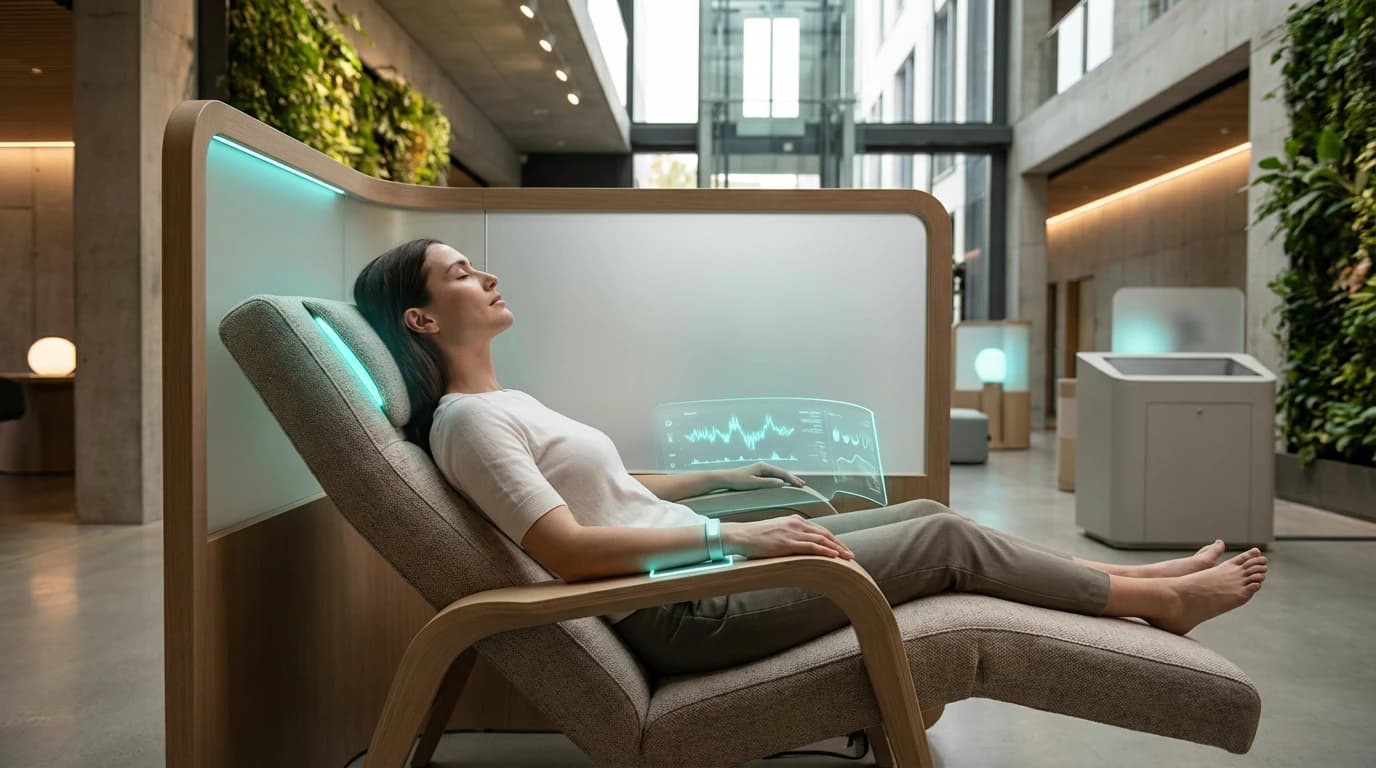
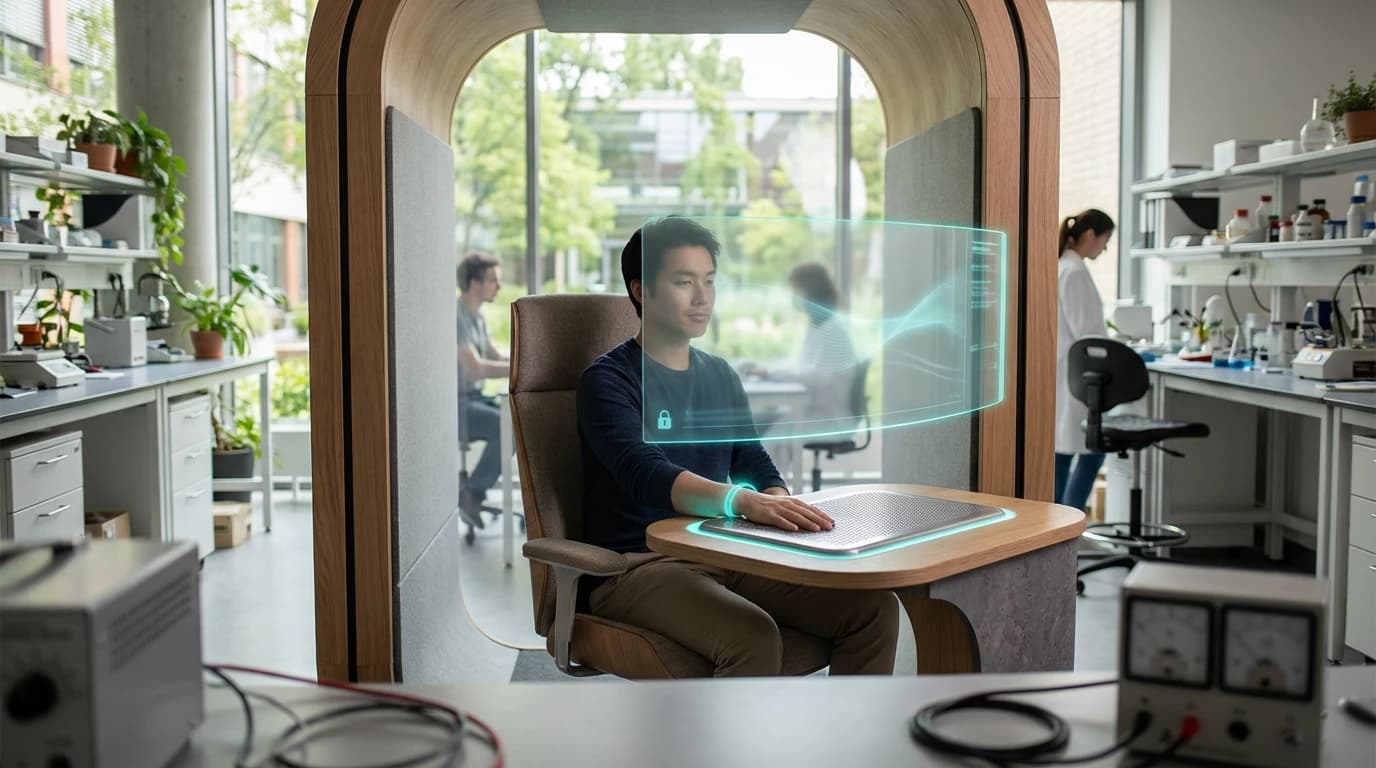
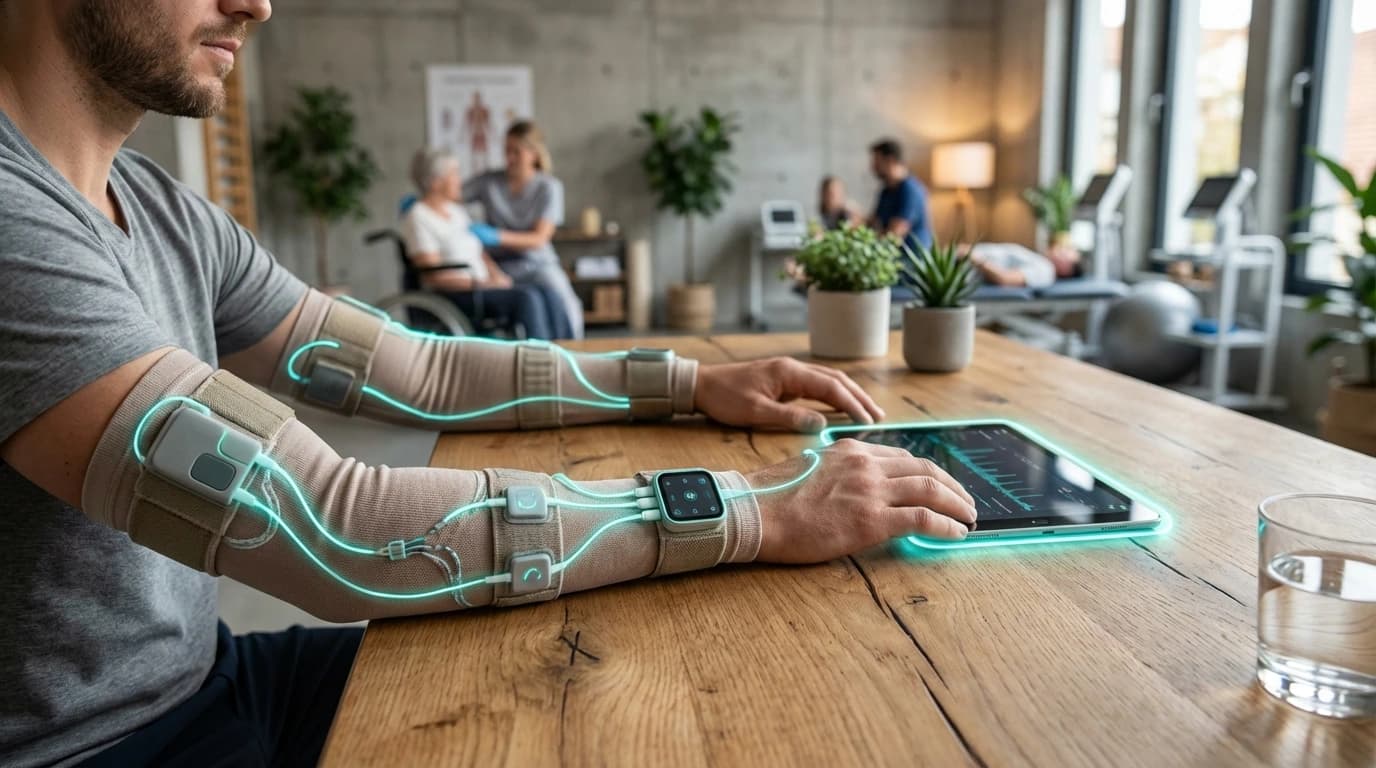
Devices delivering tactile stimulation to regulate nervous system response.
Mechanisms that give affected communities a direct role in shaping AI systems and policies.
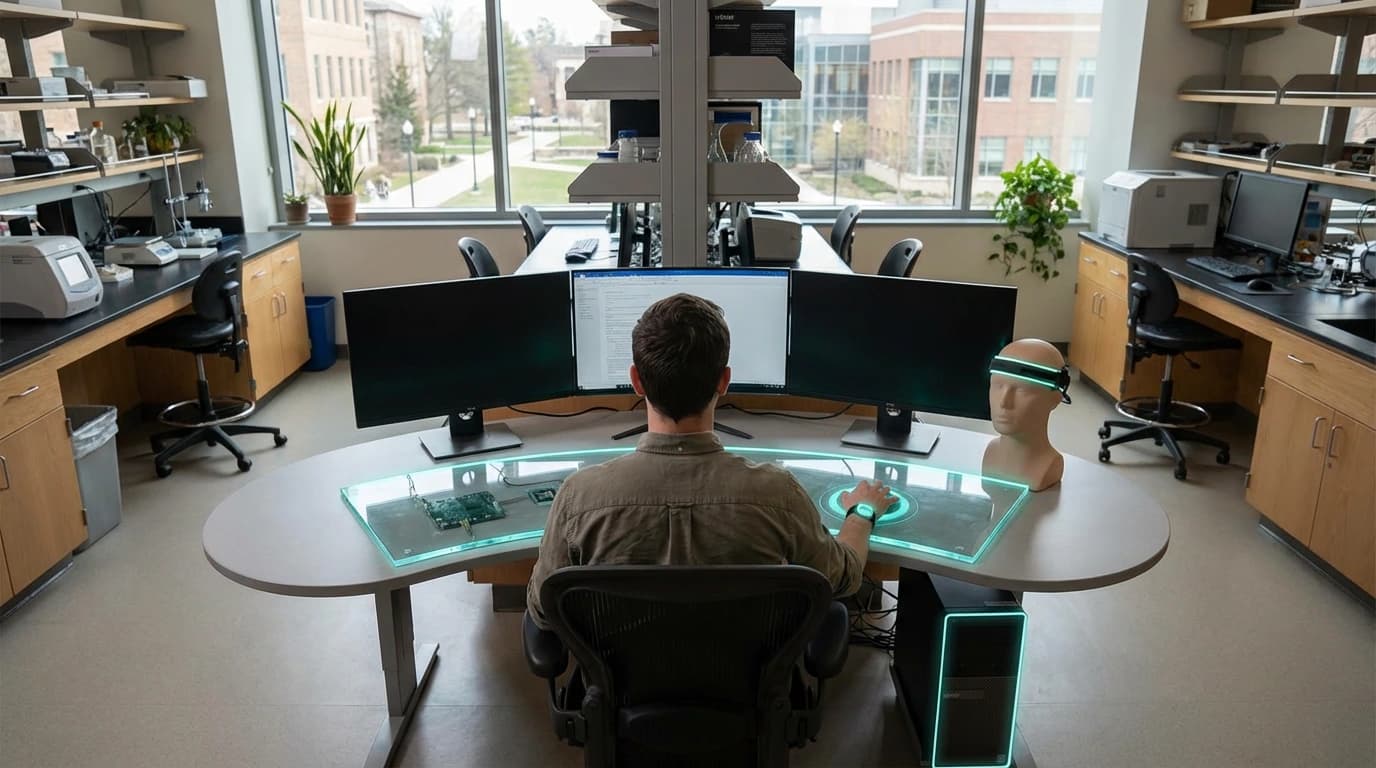
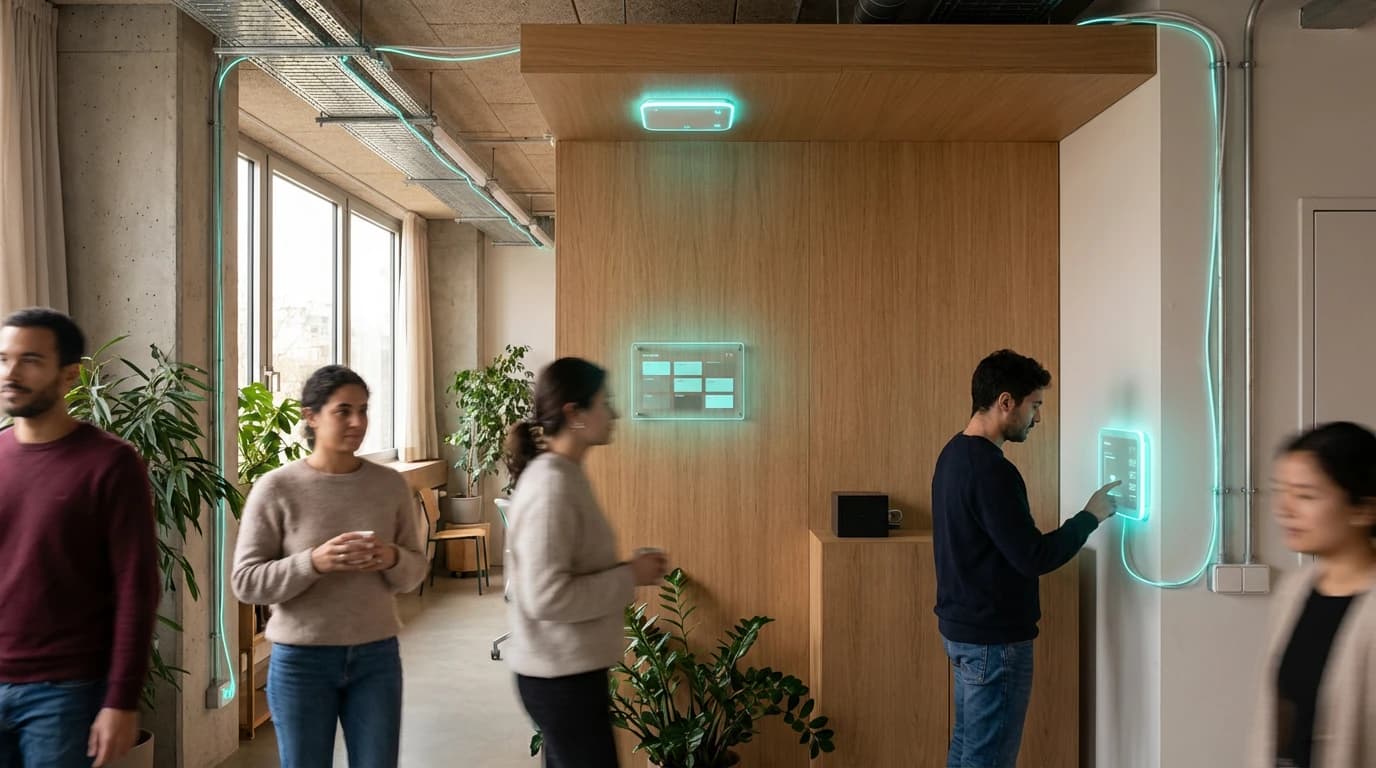
Sensors that monitor wellbeing parameters without collecting identifiable data.
Content ranking systems optimized to connect diverse social groups.
Enterprise tools that track signals of psychological safety and burnout risk in teams.
Protocols ensuring users know when they are interacting with AI.
Sleep wearables that use sensory cues to modify emotional memories during REM.
Design and safety frameworks for conversational AI interacting with vulnerable users.
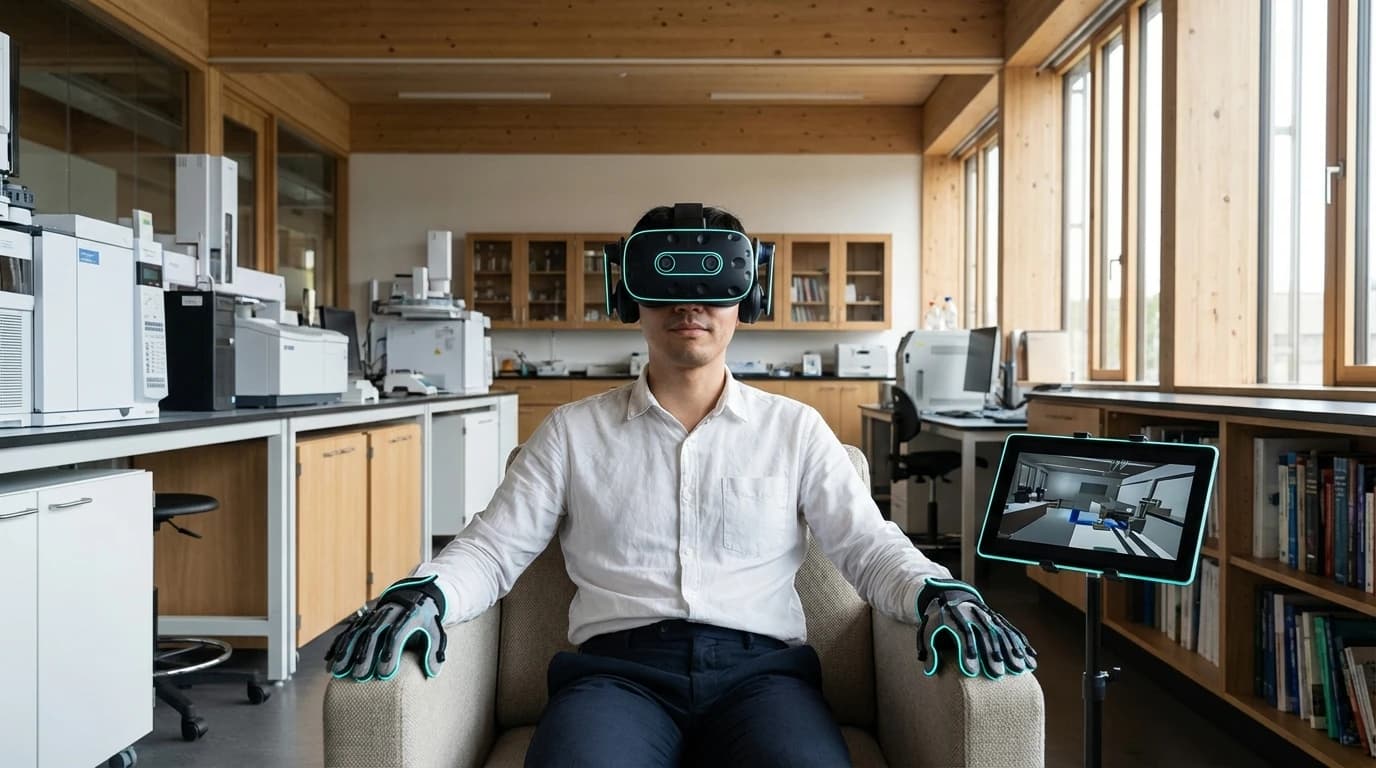
Immersive VR environments for psychological restoration.
Labeling standards that rate digital products on their psychological and social impact.