Gut-Brain Axis Monitors
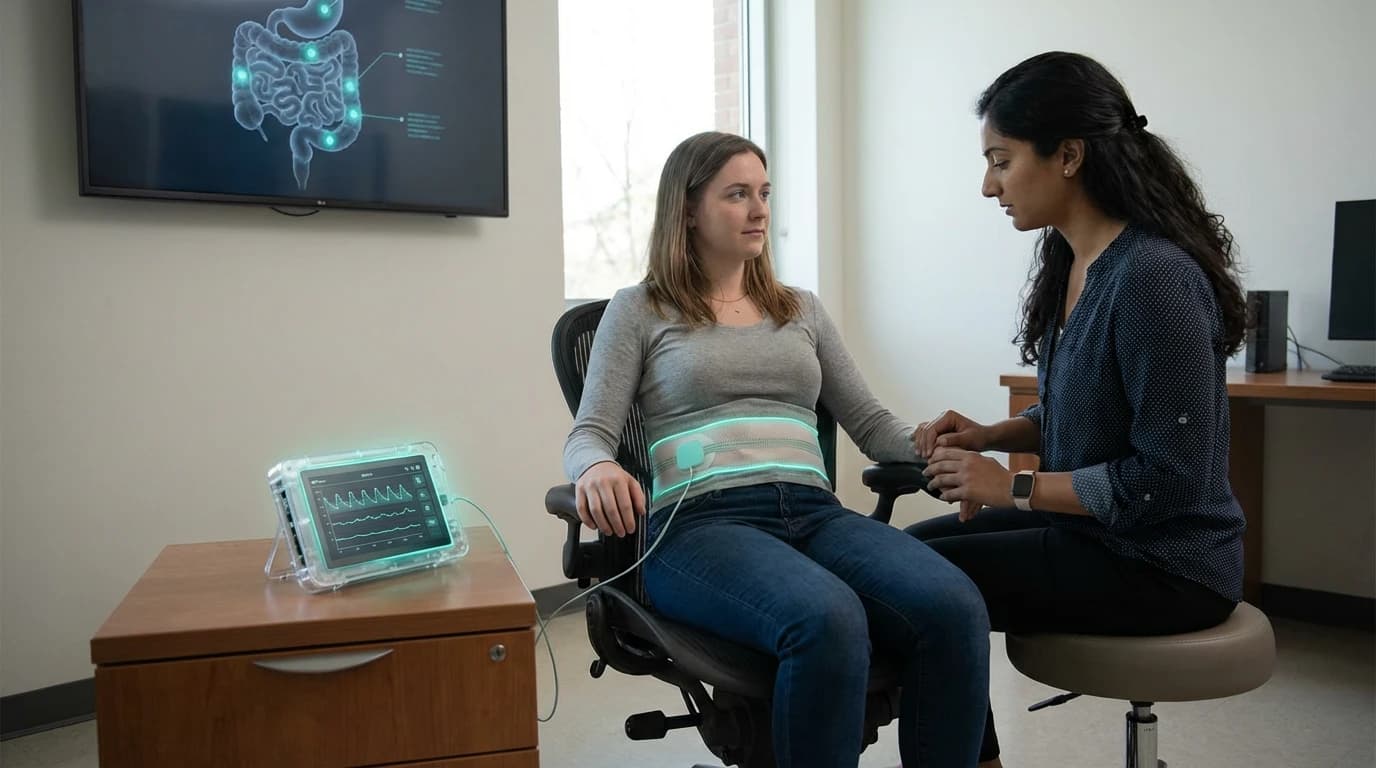
The gut-brain axis—a bidirectional communication network linking the gastrointestinal tract and the central nervous system—has emerged as a critical frontier in mental health research. Gut-brain axis monitors represent a new category of diagnostic technology designed to measure and interpret the complex biochemical signals exchanged between intestinal microbiota and neural pathways. These systems typically employ either ingestible capsule sensors that traverse the digestive tract or non-invasive wearable devices that analyze biomarkers through breath, skin, or other accessible biological samples. The core mechanism involves detecting microbial metabolites such as short-chain fatty acids, neurotransmitter precursors like tryptophan, and inflammatory markers that influence mood, cognition, and stress response. Advanced versions integrate multi-modal sensing—combining pH levels, temperature, gas composition, and specific bacterial metabolite concentrations—with machine learning algorithms that correlate these gut signatures with psychological states tracked through companion apps or wearable biometric devices.
Traditional mental health diagnostics have relied primarily on self-reported symptoms and behavioral observations, offering limited insight into the underlying physiological mechanisms driving conditions like anxiety, depression, and cognitive decline. Gut-brain axis monitors address this gap by providing objective, quantifiable data about the microbiome's influence on mental wellness, enabling a more personalized approach to psychobiotic interventions. Research suggests that approximately 90% of the body's serotonin is produced in the gut, yet conventional psychiatric care rarely considers gastrointestinal health in treatment protocols. These monitoring systems enable clinicians and individuals to identify specific dietary patterns, probiotic strains, or lifestyle modifications that optimize the microbial ecosystem for improved emotional regulation. The technology also holds promise for early detection of mental health deterioration, as shifts in gut microbiome composition often precede the onset of psychological symptoms, potentially enabling preventive interventions before conditions become severe.
Early clinical pilots have demonstrated the feasibility of continuous gut-brain monitoring in both research and consumer wellness contexts. Several biotechnology startups have developed prototype ingestible capsules that transmit real-time data during their passage through the digestive system, while other approaches focus on analyzing stool samples or breath volatiles as proxies for gut microbial activity. Current applications range from personalized nutrition coaching—where users receive dietary recommendations based on their unique microbiome-mood correlations—to clinical support for patients with treatment-resistant depression or anxiety disorders. The technology aligns with broader trends toward precision medicine and the growing recognition of the microbiome as a therapeutic target. As sensor miniaturization advances and our understanding of specific microbe-metabolite-brain pathways deepens, these monitors are expected to transition from specialized clinical tools to mainstream wellness devices, potentially revolutionizing how we approach mental health through the lens of digestive wellness and offering a tangible bridge between nutritional choices and psychological outcomes.
Related Organizations

A world-leading SFI Research Centre focused on the microbiome, specifically pioneering research on 'psychobiotics' and the gut-brain axis.

Developers of an ingestible gas-sensing capsule that provides real-time insights into gut health and microbiome activity.

Envivo Bio
United States · Startup
Developing a sampling capsule that collects intestinal content from specific regions of the gut.

A biotechnology company that digitizes human biology to prevent and reverse chronic diseases using mRNA analysis of the microbiome.

A biotechnology company decoding the gut-brain axis to discover new therapeutic agents.

SmartTab
United States · Startup
Developing a platform of ingestible capsules for drug delivery and monitoring, including TargetTab and InjectTab.

Personalized nutrition company running large-scale studies to predict individual responses to food based on gut health and blood sugar.
Supporting Evidence
Research this in Signals
Signals turns a topic into a sourced research record you can inspect and rerun. Your first scan is free, and this one starts with Gut-Brain Axis Monitors already loaded, so edit it or scan as is.